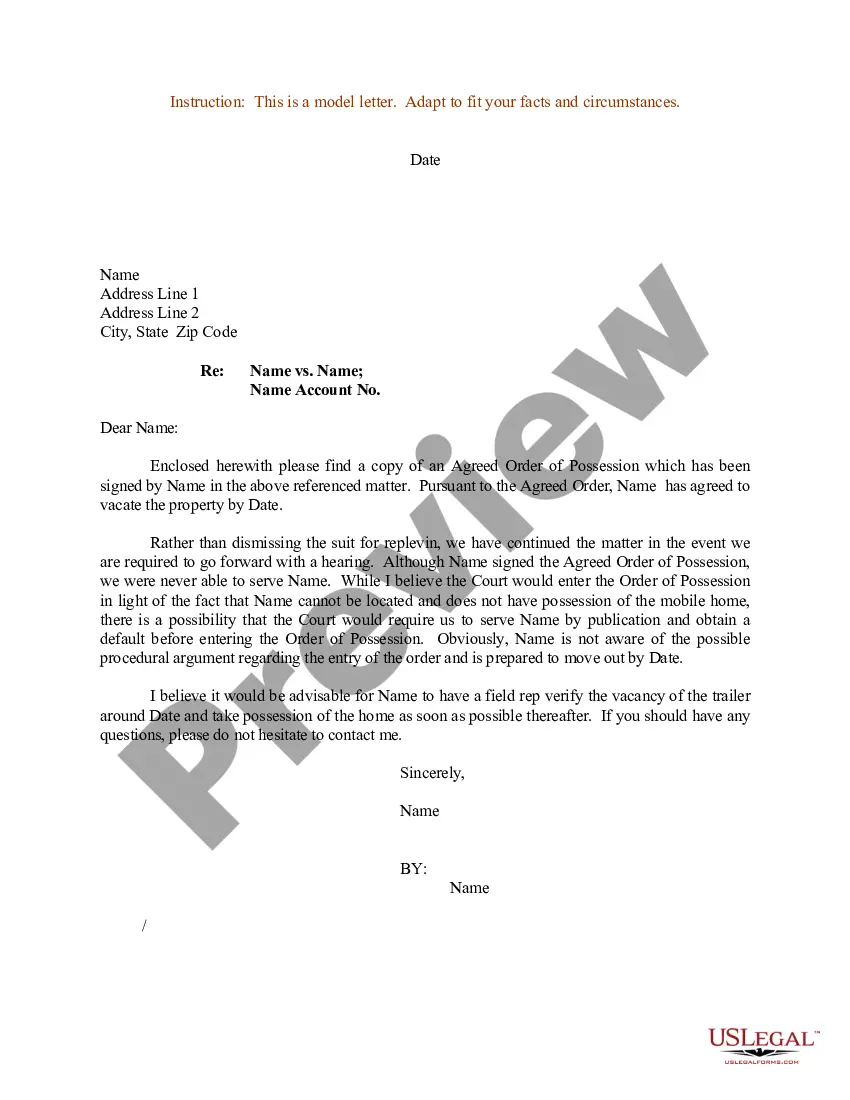
Court Letter Sample With Attachment In Fulton
Description



Get your form ready online
Our built-in tools help you complete, sign, share, and store your documents in one place.
Make edits, fill in missing information, and update formatting in US Legal Forms—just like you would in MS Word.
Download a copy, print it, send it by email, or mail it via USPS—whatever works best for your next step.
Sign and collect signatures with our SignNow integration. Send to multiple recipients, set reminders, and more. Go Premium to unlock E-Sign.
If this form requires notarization, complete it online through a secure video call—no need to meet a notary in person or wait for an appointment.
We protect your documents and personal data by following strict security and privacy standards.

Make edits, fill in missing information, and update formatting in US Legal Forms—just like you would in MS Word.

Download a copy, print it, send it by email, or mail it via USPS—whatever works best for your next step.

Sign and collect signatures with our SignNow integration. Send to multiple recipients, set reminders, and more. Go Premium to unlock E-Sign.

If this form requires notarization, complete it online through a secure video call—no need to meet a notary in person or wait for an appointment.

We protect your documents and personal data by following strict security and privacy standards.
Looking for another form?








Form popularity
FAQ
If the judgment is in the landlord's favor, the court will issue a writ of possession seven days after the judgment is entered (OCGA § 44-7-55(a)). The tenant must move out within the seven days, but they can also file an appeal to the judgment during this period.
A writ of possession is issued to evict an occupant from the property. The dispossessory complaint is filed under oath by the owner (landlord), testifying to the unlawful possession of the owners property by a tenant. The relationship between the parties must be Landlord and Tenant.
Once a writ of possession is issued, an eviction must be requested within thirty (30) days of the date of service or a newLandlord-Tenant (Dispossessory) Affidavit must be filed.
Type the Name and Address of the Judge or Court Staff Leave one blank line of space below your name and address and type the name of the judge or the name of a member of the court staff for whom your letter is intended. If you are sending the letter to a judge, the words "The Honorable" are always used before her name.
If a resident or their lawyer wishes to prevent the sheriff from executing the Writ of Possession and displacing them, they can do so by filing a Motion to Stay the Writ of Possession. This document is also called a stay writ. The writ may be typed or handwritten, depending on which is more convenient for both parties.
Eviction records can stay in your tenant screening reports for up to seven years.
Introduction: - Introduce yourself (your name and age). - Briefly state the purpose of your letter (to request a change in custody). Body: - Explain Your Situation: Describe your current living situation and why you feel a change is necessary. Be honest about your feelings and experiences. Reasons for Change:
Content of a character reference letter for custody Introduction. Relationship to the parent: Describe how the writer knows the parent, including how long they have known each other. Body. Parenting skills: Detail the parent's interactions with their child, noting examples of nurturing, guidance, and care. Conclusion.
Declaration letters to the court can be crucial in child custody cases. They can even serve as your testimony if you have a trial by written declaration.
Determine What is “Relevant” to Your Case First, determine what is most important to you. Second, organize your declaration. Third, proofread & condense. Know what your audience is focused on. Tell the truth. Anticipate opposing party's response. Advocate for yourself. Use proof to validate your case.

