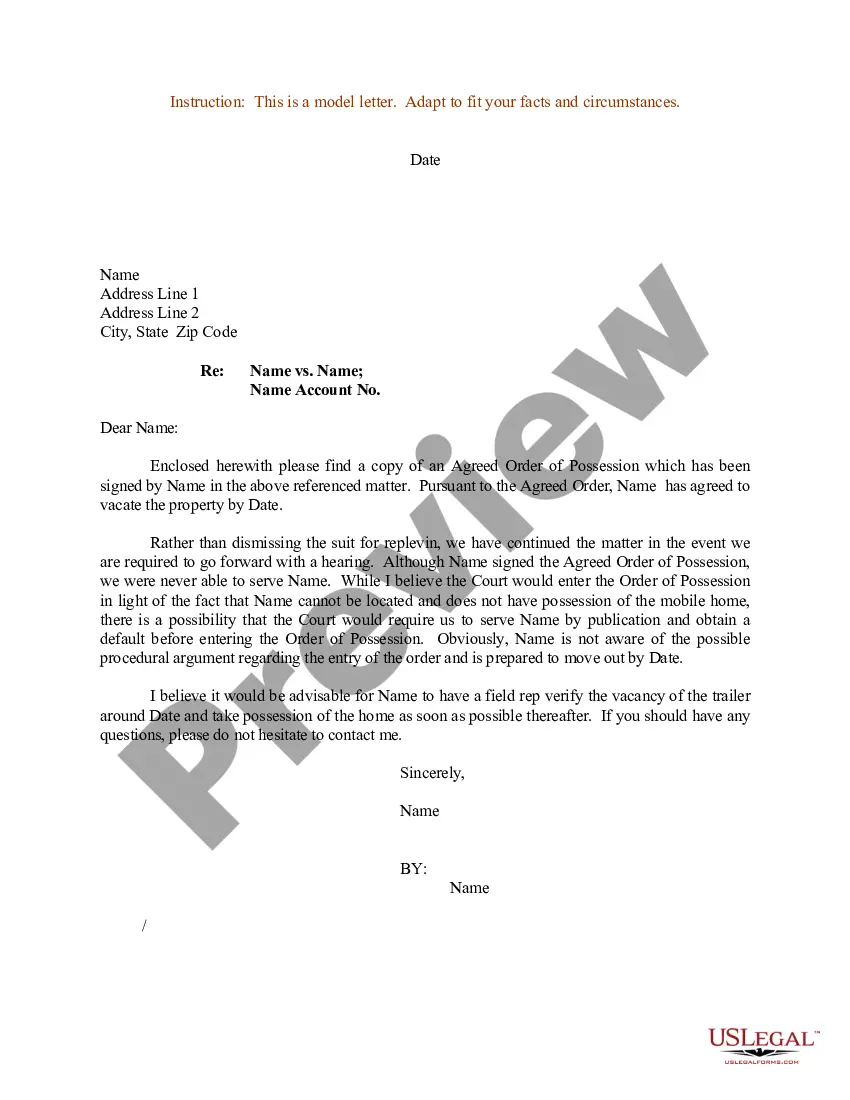
Sample Court Reference Letter For Character In Franklin
Description



Get your form ready online
Our built-in tools help you complete, sign, share, and store your documents in one place.
Make edits, fill in missing information, and update formatting in US Legal Forms—just like you would in MS Word.
Download a copy, print it, send it by email, or mail it via USPS—whatever works best for your next step.
Sign and collect signatures with our SignNow integration. Send to multiple recipients, set reminders, and more. Go Premium to unlock E-Sign.
If this form requires notarization, complete it online through a secure video call—no need to meet a notary in person or wait for an appointment.
We protect your documents and personal data by following strict security and privacy standards.

Make edits, fill in missing information, and update formatting in US Legal Forms—just like you would in MS Word.

Download a copy, print it, send it by email, or mail it via USPS—whatever works best for your next step.

Sign and collect signatures with our SignNow integration. Send to multiple recipients, set reminders, and more. Go Premium to unlock E-Sign.

If this form requires notarization, complete it online through a secure video call—no need to meet a notary in person or wait for an appointment.

We protect your documents and personal data by following strict security and privacy standards.
Looking for another form?









Form popularity
FAQ
While you might want to ask your parents or your best friend, your first port of call for who can provide a character reference should always be previous employers, preferably your last one. If you've got several previous employers to choose from, pick one that's in a similar sector to the one you're applying for.
Write it and be honest about his character. Send it directly to the lawyer if possible, but it can be up to you if there is any redeemable quality in this person or if they should be in put somewhere more appropriate.
Ideal Candidates for a Character Reference Long-term Acquaintances. Someone who has known you for an extended period can provide an in-depth and credible reference. Mentors or Coaches. Teachers or Professors. Community Leaders. Former Employers or Colleagues. Family Friends.
Who to ask for a letter of recommendation? The most effective recommendation will come from someone who knows you well and can personally speak to your character. Make a list of several people who you could ask. You'll probably only need three, but it's always a good idea to have backups if something falls through.
Ideal candidates include current or former teachers, lecturers, friends or acquaintances with recognised professions, community leaders, and distant relatives who hold professional positions. These individuals are seen as impartial and credible.
While you might want to ask your parents or your best friend, your first port of call for who can provide a character reference should always be previous employers, preferably your last one. If you've got several previous employers to choose from, pick one that's in a similar sector to the one you're applying for.
I have always found applicant to be trustworthy, hard working and intelligent. When we worked on example, applicant showed good communication skills and I could rely on them to take the initiative and to stay calm under pressure.
Anyone in your personal network who can describe their experience of your personal attributes can serve as a character reference. Someone in your professional network who knows you outside of the office (other than your employer) can also be a resource.
Use these steps to request a personal reference letter: Choose your communication method. Before asking for a character reference, consider what the best method is to speak to your contact. Ask gently. Explain what you want the reference to say. Include information. Send a thank you note.
The character reference should: be written recently, specifically for your court appearance. identify who is providing the reference. explain how the writer knows you, for how long, and why they think you are a good person. say that the writer is aware of why you are in court (what you have been charged with), and.

