Court Letter Sample For School In Florida
Description



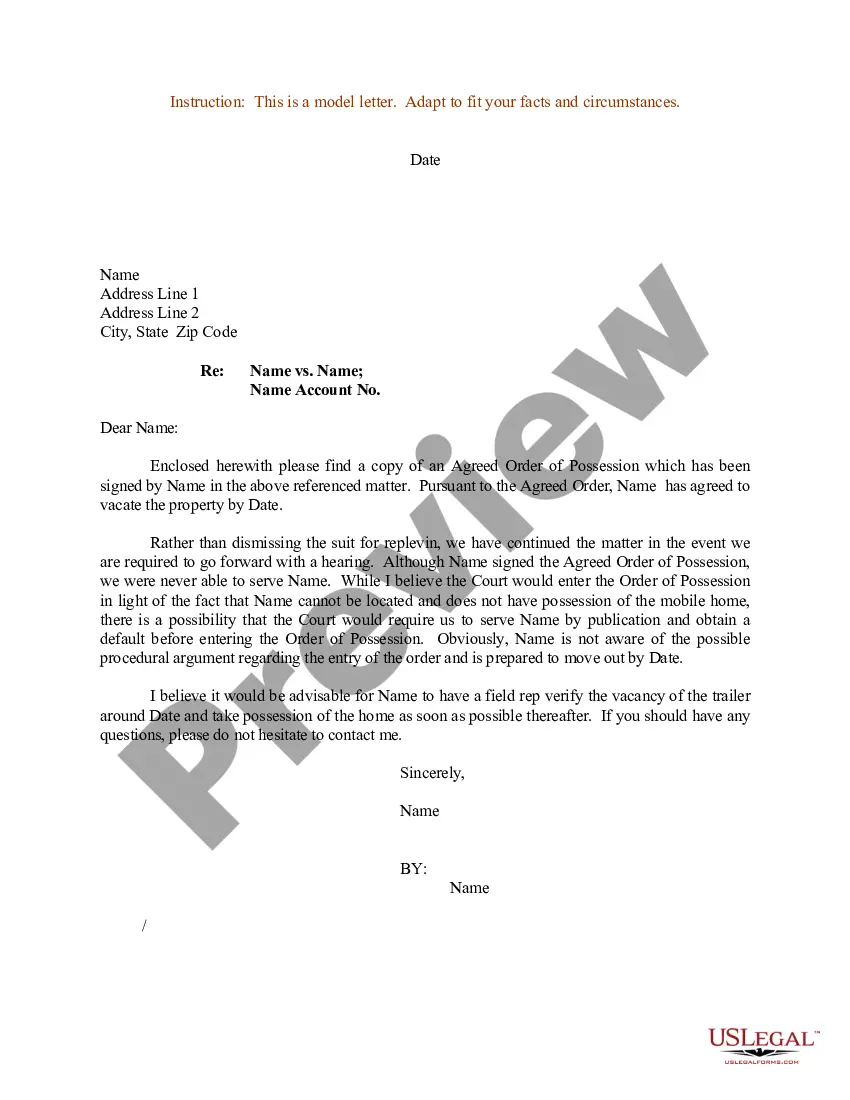
Get your form ready online
Our built-in tools help you complete, sign, share, and store your documents in one place.
Make edits, fill in missing information, and update formatting in US Legal Forms—just like you would in MS Word.
Download a copy, print it, send it by email, or mail it via USPS—whatever works best for your next step.
Sign and collect signatures with our SignNow integration. Send to multiple recipients, set reminders, and more. Go Premium to unlock E-Sign.
If this form requires notarization, complete it online through a secure video call—no need to meet a notary in person or wait for an appointment.
We protect your documents and personal data by following strict security and privacy standards.

Make edits, fill in missing information, and update formatting in US Legal Forms—just like you would in MS Word.

Download a copy, print it, send it by email, or mail it via USPS—whatever works best for your next step.

Sign and collect signatures with our SignNow integration. Send to multiple recipients, set reminders, and more. Go Premium to unlock E-Sign.

If this form requires notarization, complete it online through a secure video call—no need to meet a notary in person or wait for an appointment.

We protect your documents and personal data by following strict security and privacy standards.
Looking for another form?

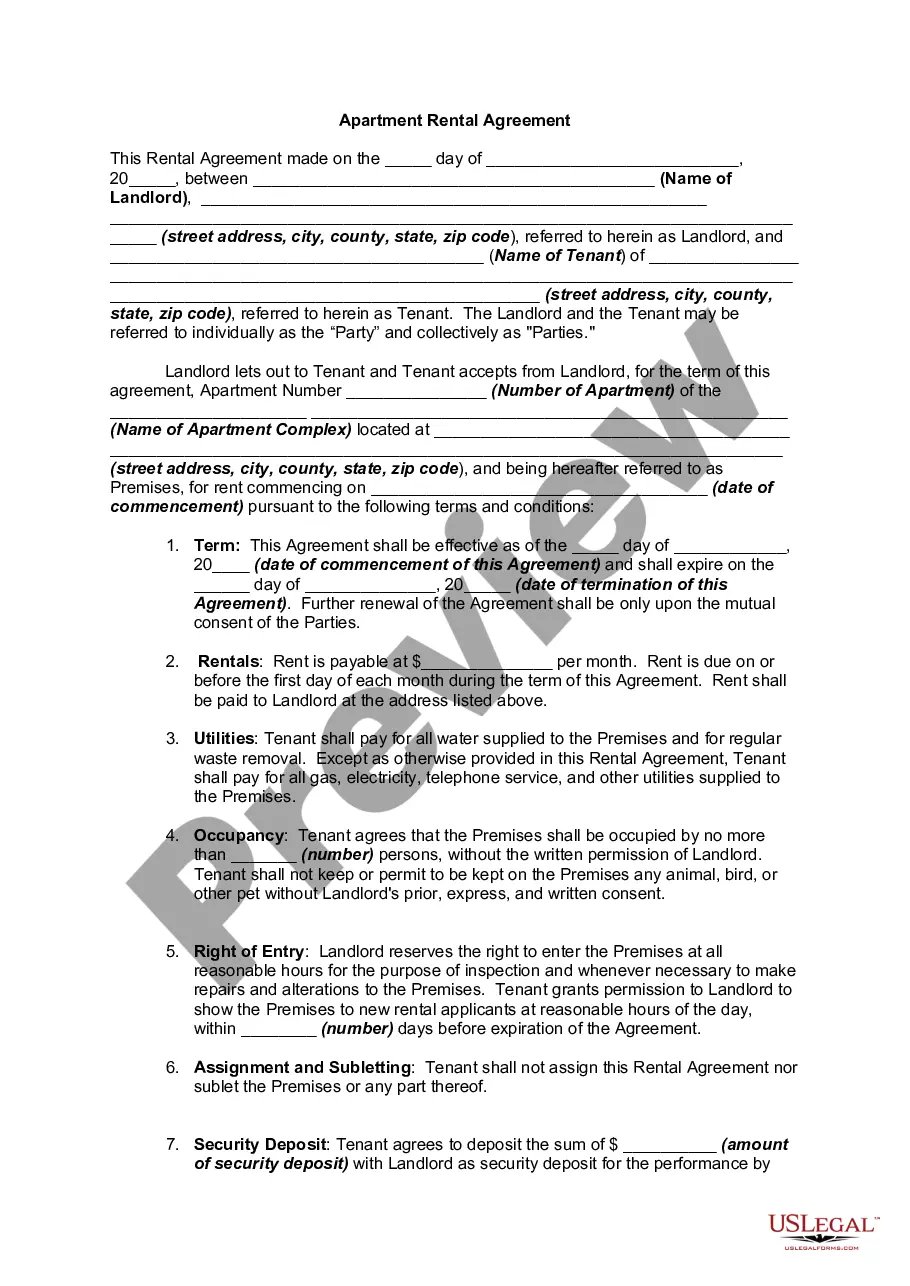






Form popularity
FAQ
You can establish temporary guardianship without going to court by using a power of attorney or creating a temporary guardianship agreement. These legal alternatives allow you to appoint a guardian without needing court approval.
You must petition the court to request temporary custody over a minor. When applying, you'll need to include the following information View Doc: Your name, as the petitioner seeking temporary custody. The full name, date of birth, and address of the child.
Provide a concise summary of the key issues and events pertaining to the custody situation. Focus on highlighting factors that would be in the best interests of any children involved, such as stability, safety, and meeting the children's needs. Avoid making accusations or attacking your former spouse directly.
Legal Grounds for Filing an Emergency Custody Order Child Abuse or Neglect. Risk of Child Abduction. Other Immediate Harm or Danger to the Child.
Temporary Guardianships in FL May Be Granted with or Without a Parent's Consent. A Florida petition for temporary guardianship over a minor child will be granted more readily when both of the child's natural parents execute written consent and waiver forms to indicate their agreement with the guardianship.
How to File for Custody in Florida Parenting Plan (Form 12.995(a)) – For general cases. Supervised/Safety-Focused Parenting Plan (Form 12.995(b)) – For cases involving supervised custody. Relocation/Long Distance Parenting Plan (Form 12.995(c)) – For cases involving the relocation of one or more parents.
Temporary custody in Florida is an arrangement for a trusted third party to have parental rights for a limited period. While it's preferred, parental consent isn't required for a court to grant temporary custody in Florida.
Follow the order of this format, leaving a space in between each section: Your Information (first thing that goes on the inside of the letter) Name. The Date. The Judge's Information. Honorable Judge First Name Last Name. What the Letter Is Going to Address. Salutation. Body. Signature.
In person: In an interview, social event, or in court, address a judge as “Your Honor” or “Judge last name.” If you are more familiar with the judge, you may call her just “Judge.” In any context, avoid “Sir” or “Ma'am.” Special Titles.
Open with a respectful greeting Regardless of the content of your letter, try to begin with a friendly and respectful greeting. Use the recipient's full name and open with a salutation such as “dear Miss. Adkins”, followed by “I hope this letter finds you well.”

