Court Letter Sample For School In Dallas
Description



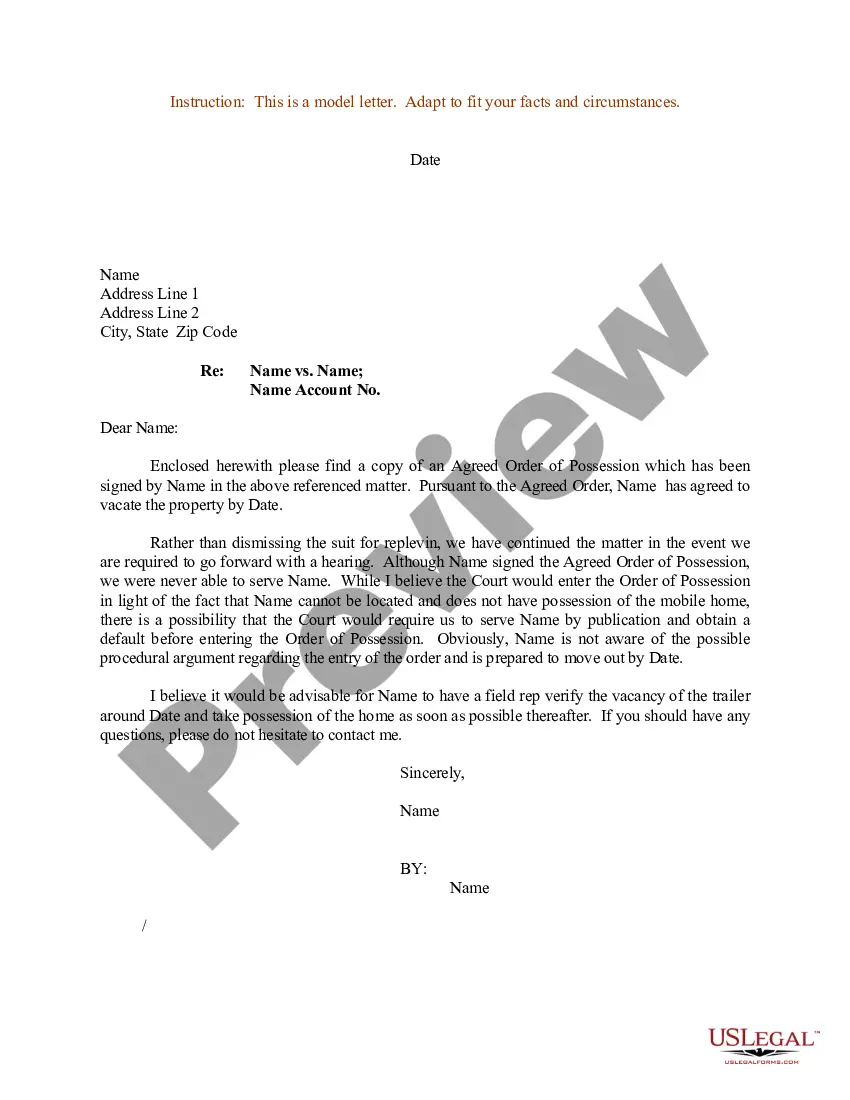
Get your form ready online
Our built-in tools help you complete, sign, share, and store your documents in one place.
Make edits, fill in missing information, and update formatting in US Legal Forms—just like you would in MS Word.
Download a copy, print it, send it by email, or mail it via USPS—whatever works best for your next step.
Sign and collect signatures with our SignNow integration. Send to multiple recipients, set reminders, and more. Go Premium to unlock E-Sign.
If this form requires notarization, complete it online through a secure video call—no need to meet a notary in person or wait for an appointment.
We protect your documents and personal data by following strict security and privacy standards.

Make edits, fill in missing information, and update formatting in US Legal Forms—just like you would in MS Word.

Download a copy, print it, send it by email, or mail it via USPS—whatever works best for your next step.

Sign and collect signatures with our SignNow integration. Send to multiple recipients, set reminders, and more. Go Premium to unlock E-Sign.

If this form requires notarization, complete it online through a secure video call—no need to meet a notary in person or wait for an appointment.

We protect your documents and personal data by following strict security and privacy standards.
Looking for another form?

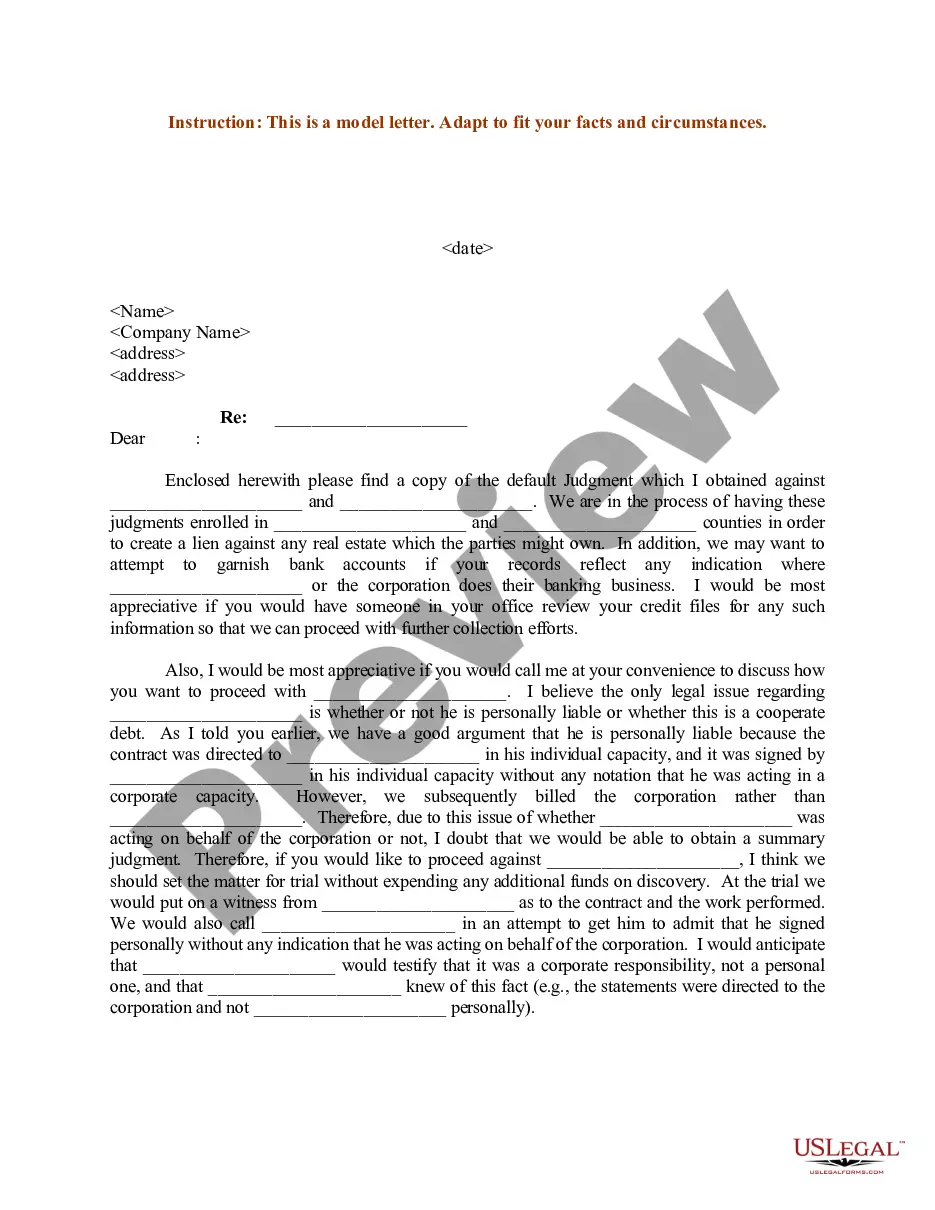





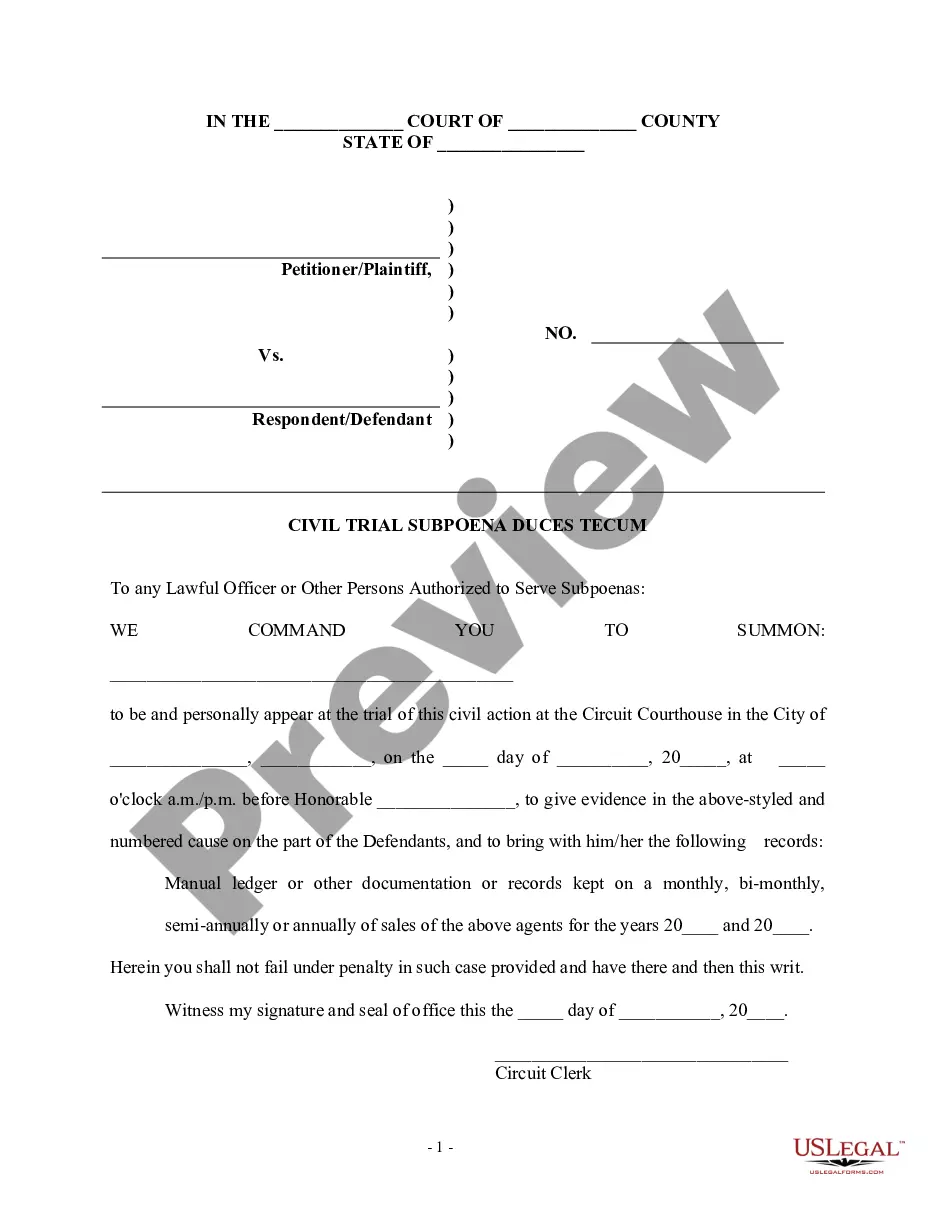

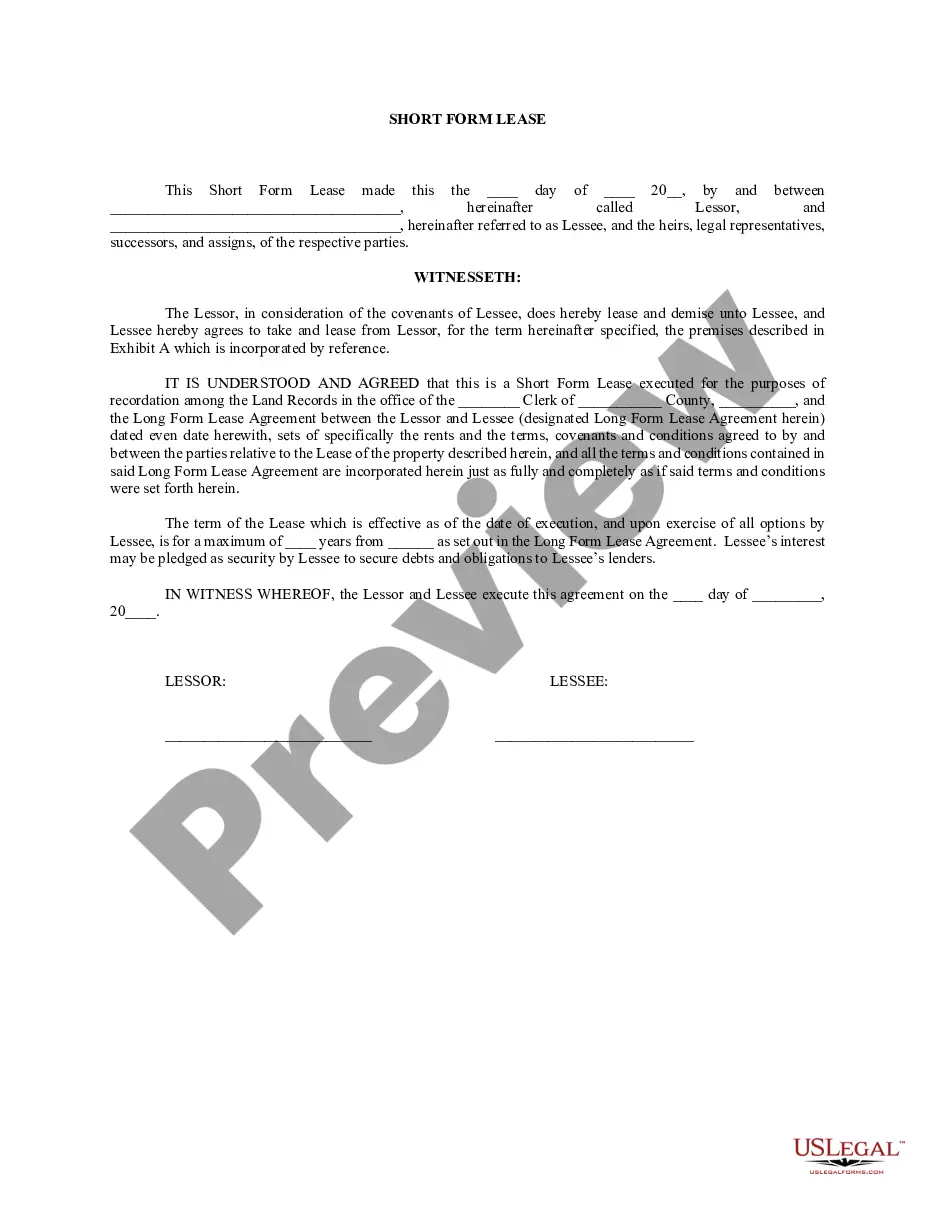
Form popularity
FAQ
Send a file-stamped copy of your Notice of Current Address form to the State Case Registry and to the Office of the Attorney General if it is involved in your case. You will need the mailing address for the State Case Registry.
To file online, go to E-File Texas ( ) 11 and follow the instructions. To file in person, take your answer (and copies) to the district clerk's office in the county where the plaintiff filed the case. At the clerk's office: Turn in your answer form (and copies).
Judges at the Central Criminal Court are addressed as “Your Honour”. Crown Court judges are usually addressed as “Your Honour” unless they're sitting as a High Court judge (red judge) or are a specially designated senior judge (such as the Recorder of Leeds). In those cases, they're addressed as “My Lord” or “My Lady”.
Follow the order of this format, leaving a space in between each section: Your Information (first thing that goes on the inside of the letter) Name. The Date. The Judge's Information. Honorable Judge First Name Last Name. What the Letter Is Going to Address. Salutation. Body. Signature.
This means that you should include your own name and address, the date and the judge's name, position and professional mailing address (as used for the court) before you begin the body of the letter. Use a formal salutation ("Dear") and end with a formal closing ("Sincerely").
Letters of support are an important part of a student's college application process. They demonstrate the credibility of the applicant, their credentials, and reasons why the applicant is the best fit for the school.
Writing Your Letter Search for a form letter. Some courts print off forms that you can use to request a hearing. Open a word processing document. Insert a salutation. Add a heading. Begin the letter with your request. Explain why you need the hearing. Provide a contact number. Sign the letter.
Sample Format for a Character Letter First Paragraph: Explain who you are. Second Paragraph: Explain why you are writing the letter. Third Paragraph: Thank the court, and make your “ask.” State that you are available to confirm the facts in this letter as necessary.
Demand Letter Components Facts of the case. An outline of what happened. Statement of the issue. A brief description of the problem. Demand. The dollar amount or action necessary to resolve the case. Response deadline. The date by which the recipient must respond. Noncompliance consequences.
A demand letter should clearly state the details of the dispute, describe the demand, and provide a deadline for the other party to take action. The letter should also include consequences if the demands aren't met.

