Sample Letter For Court Hearing In Cook
Description




Get your form ready online
Our built-in tools help you complete, sign, share, and store your documents in one place.
Make edits, fill in missing information, and update formatting in US Legal Forms—just like you would in MS Word.
Download a copy, print it, send it by email, or mail it via USPS—whatever works best for your next step.
Sign and collect signatures with our SignNow integration. Send to multiple recipients, set reminders, and more. Go Premium to unlock E-Sign.
If this form requires notarization, complete it online through a secure video call—no need to meet a notary in person or wait for an appointment.
We protect your documents and personal data by following strict security and privacy standards.

Make edits, fill in missing information, and update formatting in US Legal Forms—just like you would in MS Word.

Download a copy, print it, send it by email, or mail it via USPS—whatever works best for your next step.

Sign and collect signatures with our SignNow integration. Send to multiple recipients, set reminders, and more. Go Premium to unlock E-Sign.

If this form requires notarization, complete it online through a secure video call—no need to meet a notary in person or wait for an appointment.

We protect your documents and personal data by following strict security and privacy standards.
Looking for another form?


Form popularity
FAQ
Here is how to write a request letter in 7 steps: Collect information relating to your request. Create an outline. Introduce yourself. Make your request. Explain the reason for the request. Offer to provide additional information. Show your gratitude and conclude the letter.
Writing Your Letter Search for a form letter. Some courts print off forms that you can use to request a hearing. Open a word processing document. Insert a salutation. Add a heading. Begin the letter with your request. Explain why you need the hearing. Provide a contact number. Sign the letter.
If you need copies of your court records in Cook County Circuit Court, you need to go in person to the courthouse. While Cook County provides online case information access to some types of records, it does not provide online access to formal criminal records.
Follow this guide to write a compelling and respectful letter. Start With Proper Salutation. Introduce Yourself and Your Relationship With the Defendant. Discuss the Defendant's Character Positively. Include Specific Examples and Anecdotes. Conclude With a Summary of Your Recommendations.
Elements: full mailing address of the sender. date on which letter is written. address of person to whom letter is addressed. subject line. salutation. body (the main message) complimentary closing. signature line (be sure to sign your letter)
State the Facts • Include your name, address, or email. State your interest in the case and who you represent (If you are speaking for yourself, say that}. What you want/don't want the hearing body to do (one or two sentences) • Cite specific, measurable impacts.
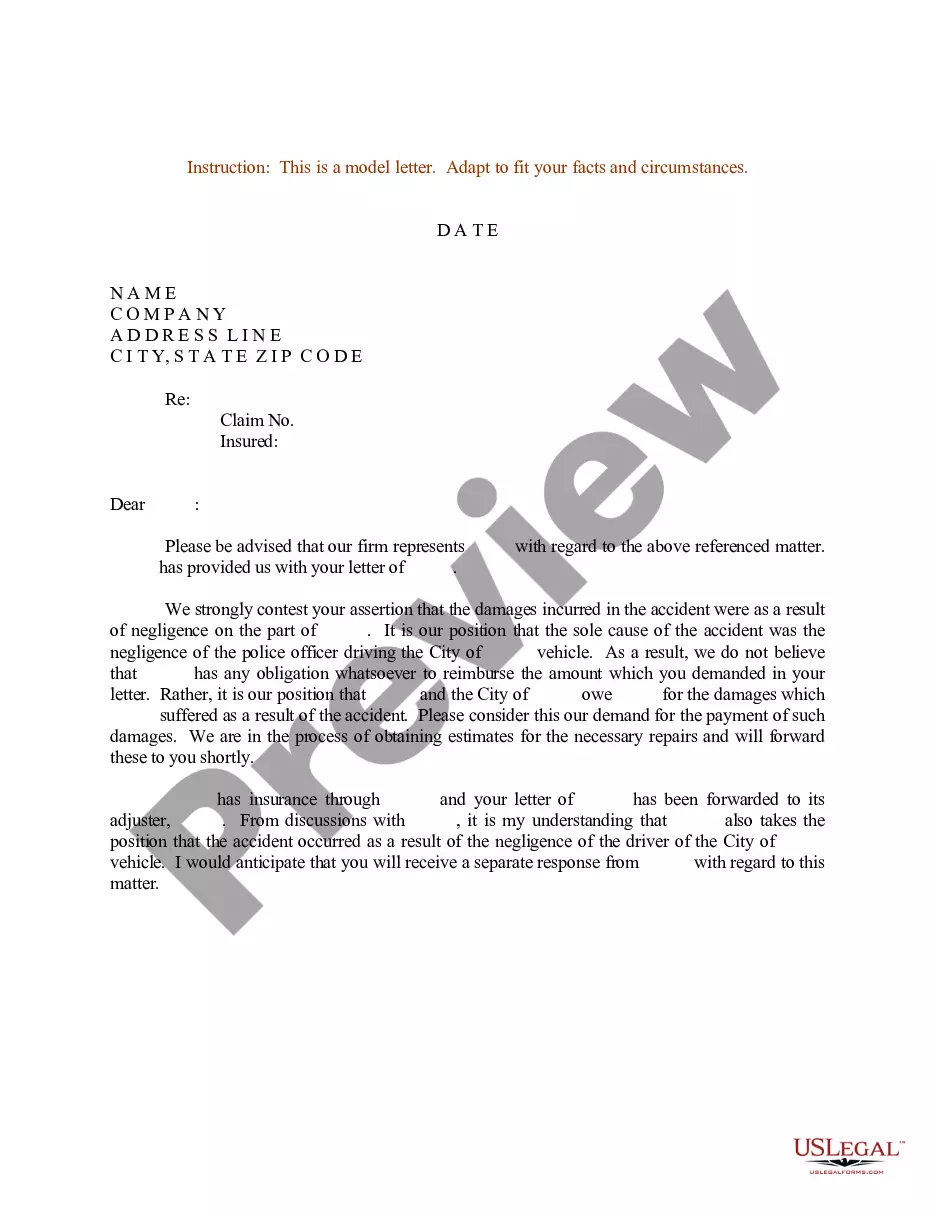
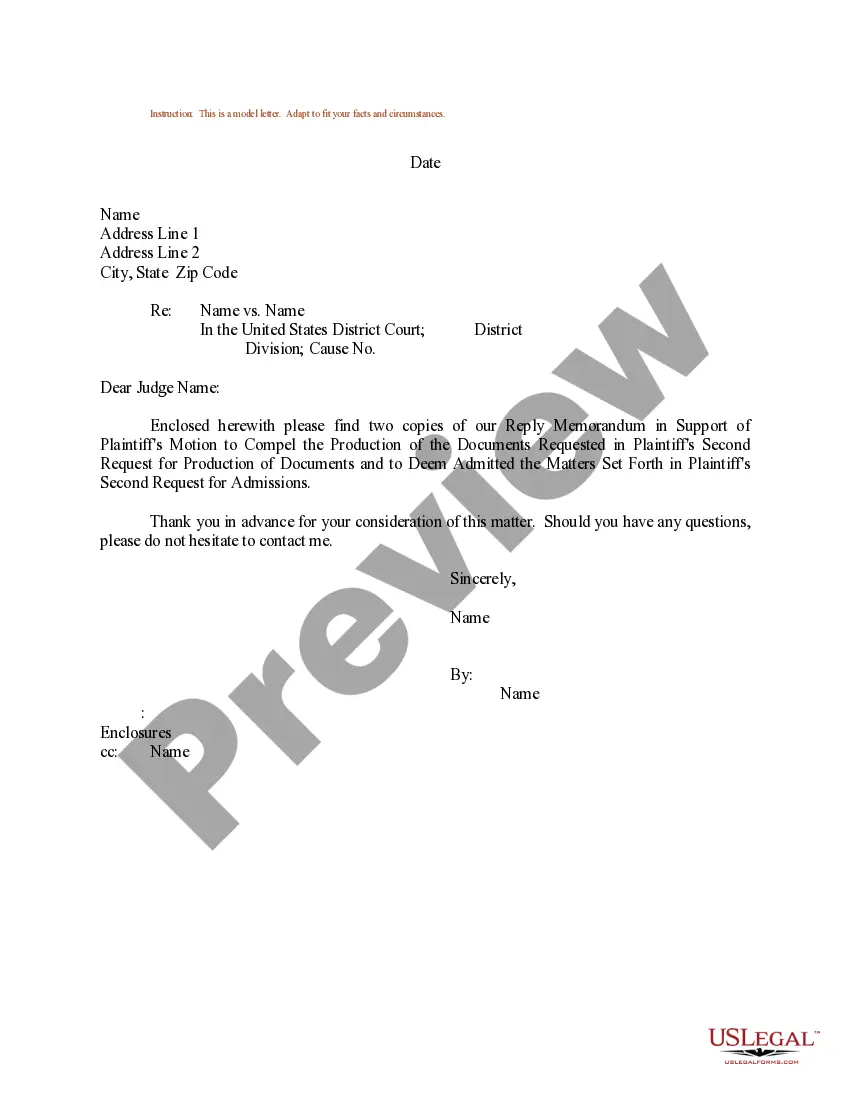
Follow the order of this format, leaving a space in between each section: Your Information (first thing that goes on the inside of the letter) Name. The Date. The Judge's Information. Honorable Judge First Name Last Name. What the Letter Is Going to Address. Salutation. Body. Signature.
What to include in an appeal letter Your professional contact information. A summary of the situation you're appealing. An explanation of why you feel the decision was incorrect. A request for the preferred solution you'd like to see enacted. Gratitude for considering your appeal. Supporting documents attached, if relevant.
Character Letter Template Dear Judge Name or Honorable Name, I am writing to you in my capacity as Your Relationship to the Person, to advocate for Name of the Person, whom I have known for Number of Years years. It is an honor to vouch for their character and integrity in my time knowing them.
