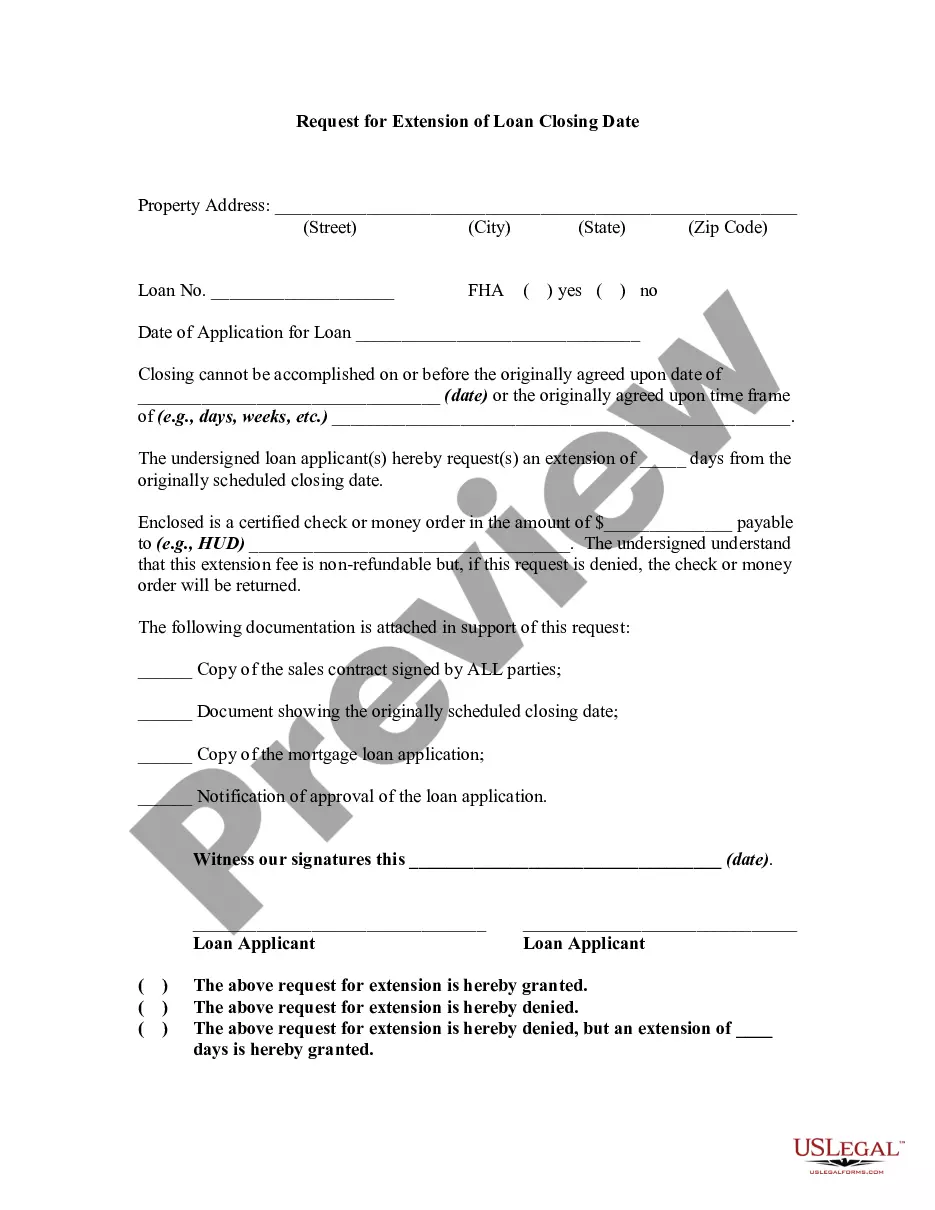
Letter To Court Template With Formulas In Chicago
Description



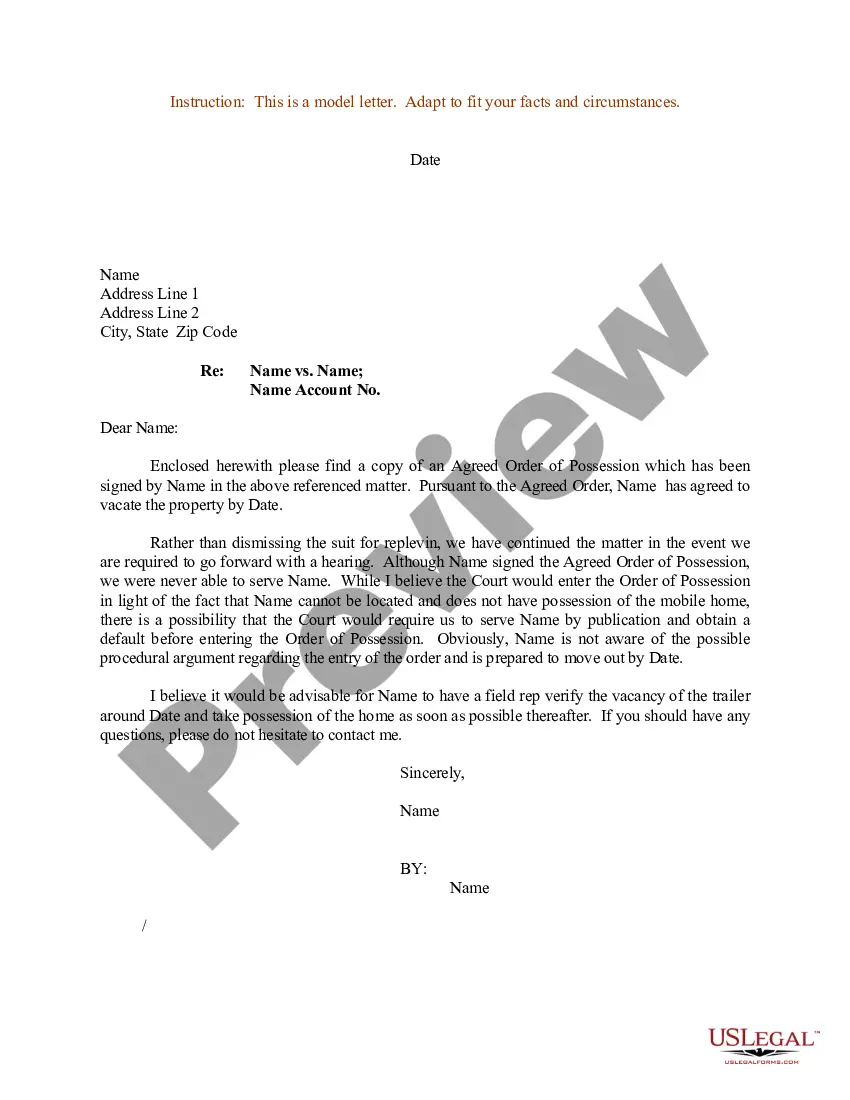
Get your form ready online
Our built-in tools help you complete, sign, share, and store your documents in one place.
Make edits, fill in missing information, and update formatting in US Legal Forms—just like you would in MS Word.
Download a copy, print it, send it by email, or mail it via USPS—whatever works best for your next step.
Sign and collect signatures with our SignNow integration. Send to multiple recipients, set reminders, and more. Go Premium to unlock E-Sign.
If this form requires notarization, complete it online through a secure video call—no need to meet a notary in person or wait for an appointment.
We protect your documents and personal data by following strict security and privacy standards.

Make edits, fill in missing information, and update formatting in US Legal Forms—just like you would in MS Word.

Download a copy, print it, send it by email, or mail it via USPS—whatever works best for your next step.

Sign and collect signatures with our SignNow integration. Send to multiple recipients, set reminders, and more. Go Premium to unlock E-Sign.

If this form requires notarization, complete it online through a secure video call—no need to meet a notary in person or wait for an appointment.

We protect your documents and personal data by following strict security and privacy standards.
Looking for another form?
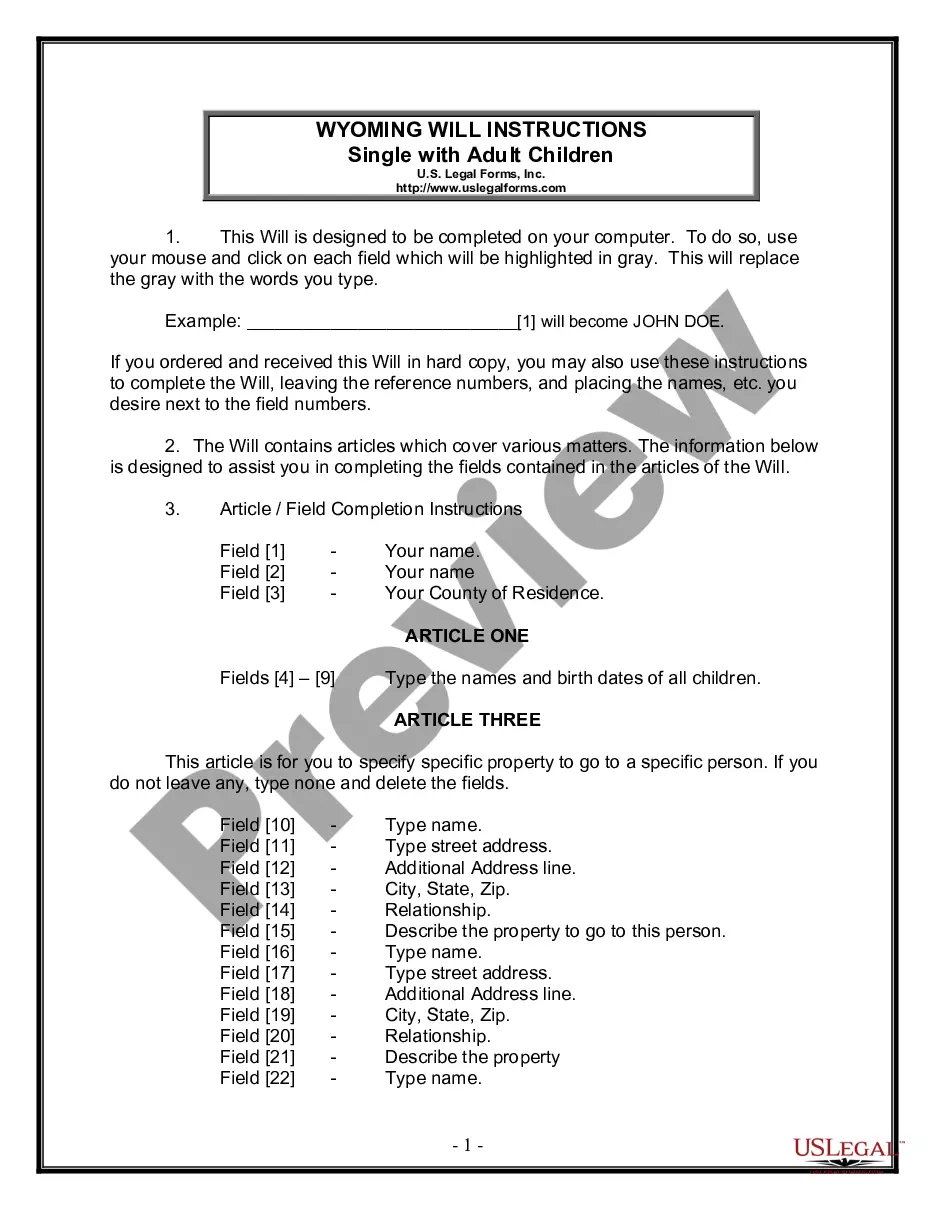





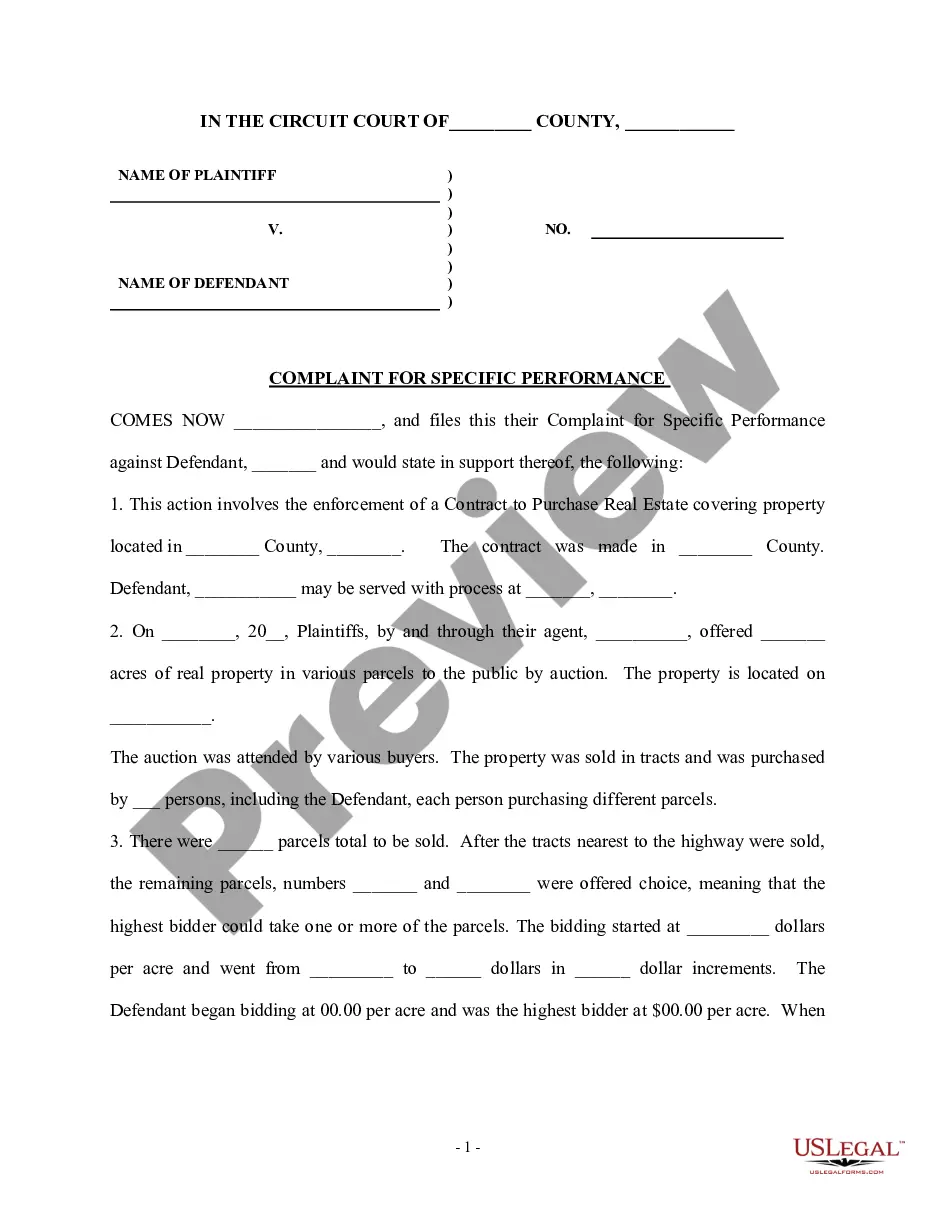

Form popularity
FAQ
The Motion and the Notice of Motion need to be e-filed with the Clerk of the Court. The e-Filing system will reject your filing if you do not enter a court date on the form before e-filing it.
If you want to file a motion, the process is generally something like this: You write your motion. You file your motion with the court clerk. The court clerk inserts the date and time your motion will be heard by the judge. You “serve” (mail) your motion to the other side.
If you see a potential for a motion to dismiss, this is an opportunity to inform the client how much legal expertise is necessary for such a filing. In other words, they will be facing a daunting challenge trying to represent themselves and will likely need an attorney more than ever.
Things You Should Know Write your legal argument by stating the rule and explaining how your facts apply to it. Then, add your signature, a Certificate of Service, and a Notice of Hearing. File your motion with the clerk of court overseeing your case. Then, give copies to each defendant.
A case citation includes names of the parties, the volume number of the case reporter, the abbreviated name of the case reporter, the series number, if there is one, and the number of the first page of the case. If citing a specific page, that would be followed by a comma and the page referred to in the text.
Court Cases & Court Decisions. The full case name in the first citation will be plain text, but when you abbreviate for the shortened note, italicize. You only need to add the abbreviated name of the court before the year if it's not clear from the reporter info.
Include any necessary details to support your request or statement. This may include dates caseMoreInclude any necessary details to support your request or statement. This may include dates case numbers or descriptions of documents 8. Close the letter thank the clerk for their time and assistance.
Refer to the judge as “the Court”, “his honor,” or “her honor” if you need to refer to the judge while addressing a witness or the jury. Stop speaking if the judge begins to speak.
Follow the order of this format, leaving a space in between each section: Your Information (first thing that goes on the inside of the letter) Name. The Date. The Judge's Information. Honorable Judge First Name Last Name. What the Letter Is Going to Address. Salutation. Body. Signature.
Introduce yourself in the opening paragraph. Outline your relationship with the person who is the subject of the legal proceedings. Acknowledge the charges that have been brought against the person. State your opinion of the person's general character.

