Court Letter Sample With Name In Alameda
Description




Get your form ready online
Our built-in tools help you complete, sign, share, and store your documents in one place.
Make edits, fill in missing information, and update formatting in US Legal Forms—just like you would in MS Word.
Download a copy, print it, send it by email, or mail it via USPS—whatever works best for your next step.
Sign and collect signatures with our SignNow integration. Send to multiple recipients, set reminders, and more. Go Premium to unlock E-Sign.
If this form requires notarization, complete it online through a secure video call—no need to meet a notary in person or wait for an appointment.
We protect your documents and personal data by following strict security and privacy standards.

Make edits, fill in missing information, and update formatting in US Legal Forms—just like you would in MS Word.

Download a copy, print it, send it by email, or mail it via USPS—whatever works best for your next step.

Sign and collect signatures with our SignNow integration. Send to multiple recipients, set reminders, and more. Go Premium to unlock E-Sign.

If this form requires notarization, complete it online through a secure video call—no need to meet a notary in person or wait for an appointment.

We protect your documents and personal data by following strict security and privacy standards.
Looking for another form?





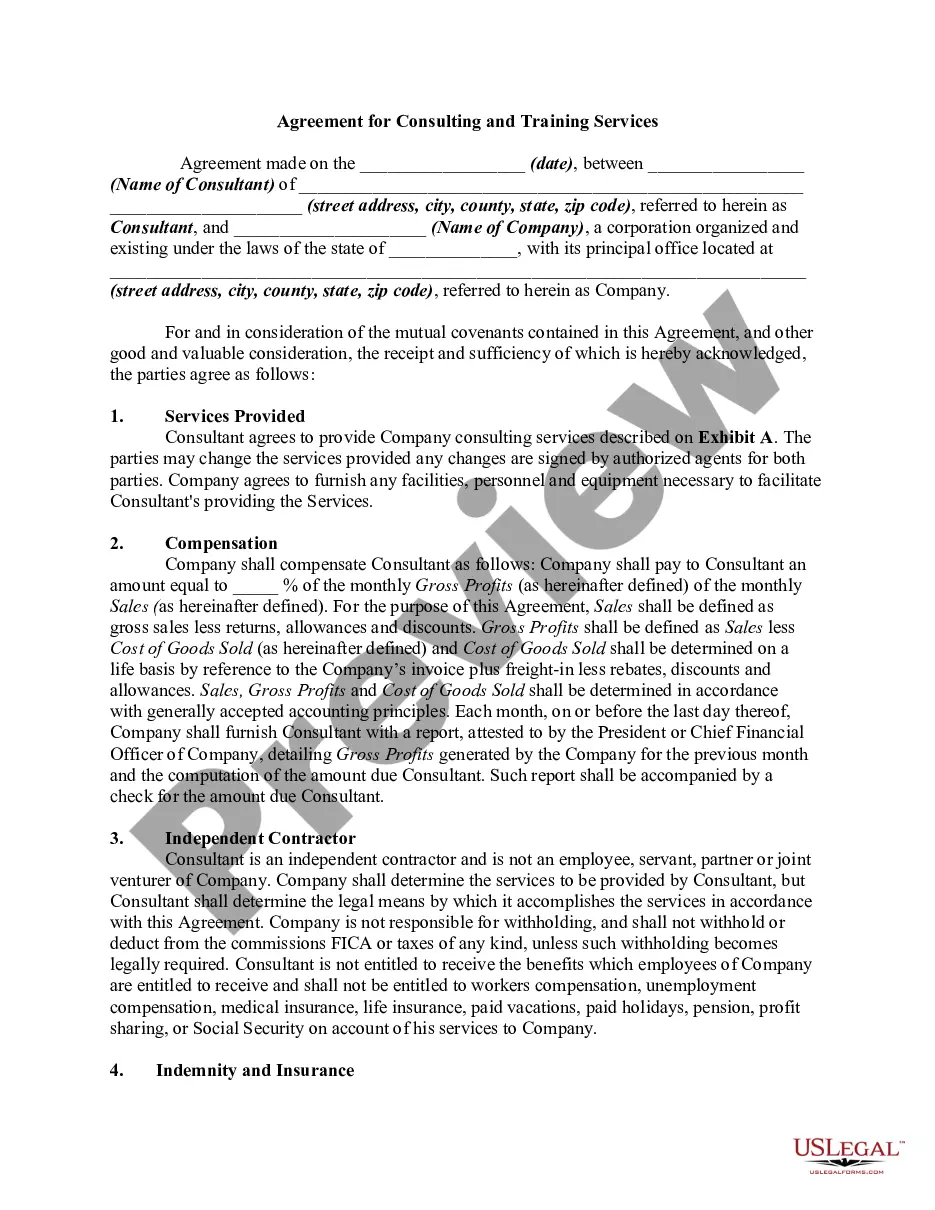



Form popularity
FAQ
George E. McDonald Courthouse, Alameda: (510) 891-6005.
May I reschedule my jury service to a more convenient time? If you have not already rescheduled your jury service once before, you may request that your service be rescheduled to a more convenient time by logging on to our JPortal website, or by calling our IVR (Interactive Voice Response) service at (510) 879-3079.
Rule 10.1 - Authority, duties, and goals of the Judicial Council (a) The Judicial Council (1) The Judicial Council of California is a state entity established by the California Constitution and chaired by the Chief Justice of California.
The Judicial Council adopts legal forms in one of two ways. Under Government Code section 68511, the council may "prescribe" certain forms. Use of those forms is mandatory. The council may also "approve" forms.
Monetary Limits for Small Claims Court: The amount in dispute may not exceed $10,000 for a natural person. If you are filing on behalf of a business the limit of your claim may not exceed $5,000.
California Judicial Council Forms are pre approved pleadings for filing with the Court.
The California Constitution directs the Judicial Council to provide policy guidelines to the courts, make recommendations annually to the Governor and Legislature, and adopt and revise California Rules of Court in the areas of court administration, practice, and procedure.
Generally, you can only sue for up to $12,500 in small claims court (or up to $6,250 if you're a business). You can ask a lawyer for advice before you go to court, but you can't have one with you in court.
Conclusion: Going to small claims court may be worth it for $500, but it will determine how you weigh your costs versus benefits. At a minimum, it is worth it to send a demand letter.

