Sample Letter Rejecting Settlement Offer For Debt In Washington
Description


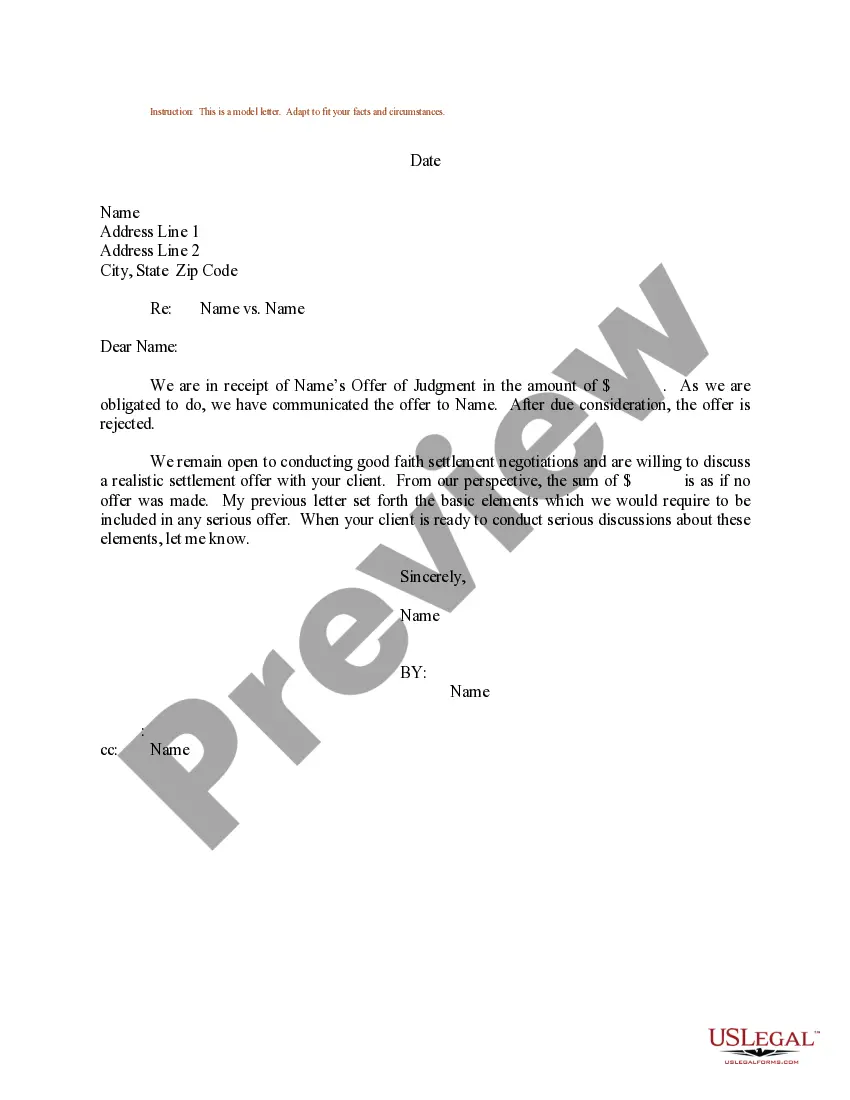
Get your form ready online
Our built-in tools help you complete, sign, share, and store your documents in one place.
Make edits, fill in missing information, and update formatting in US Legal Forms—just like you would in MS Word.
Download a copy, print it, send it by email, or mail it via USPS—whatever works best for your next step.
Sign and collect signatures with our SignNow integration. Send to multiple recipients, set reminders, and more. Go Premium to unlock E-Sign.
If this form requires notarization, complete it online through a secure video call—no need to meet a notary in person or wait for an appointment.
We protect your documents and personal data by following strict security and privacy standards.

Make edits, fill in missing information, and update formatting in US Legal Forms—just like you would in MS Word.

Download a copy, print it, send it by email, or mail it via USPS—whatever works best for your next step.

Sign and collect signatures with our SignNow integration. Send to multiple recipients, set reminders, and more. Go Premium to unlock E-Sign.

If this form requires notarization, complete it online through a secure video call—no need to meet a notary in person or wait for an appointment.

We protect your documents and personal data by following strict security and privacy standards.
Looking for another form?
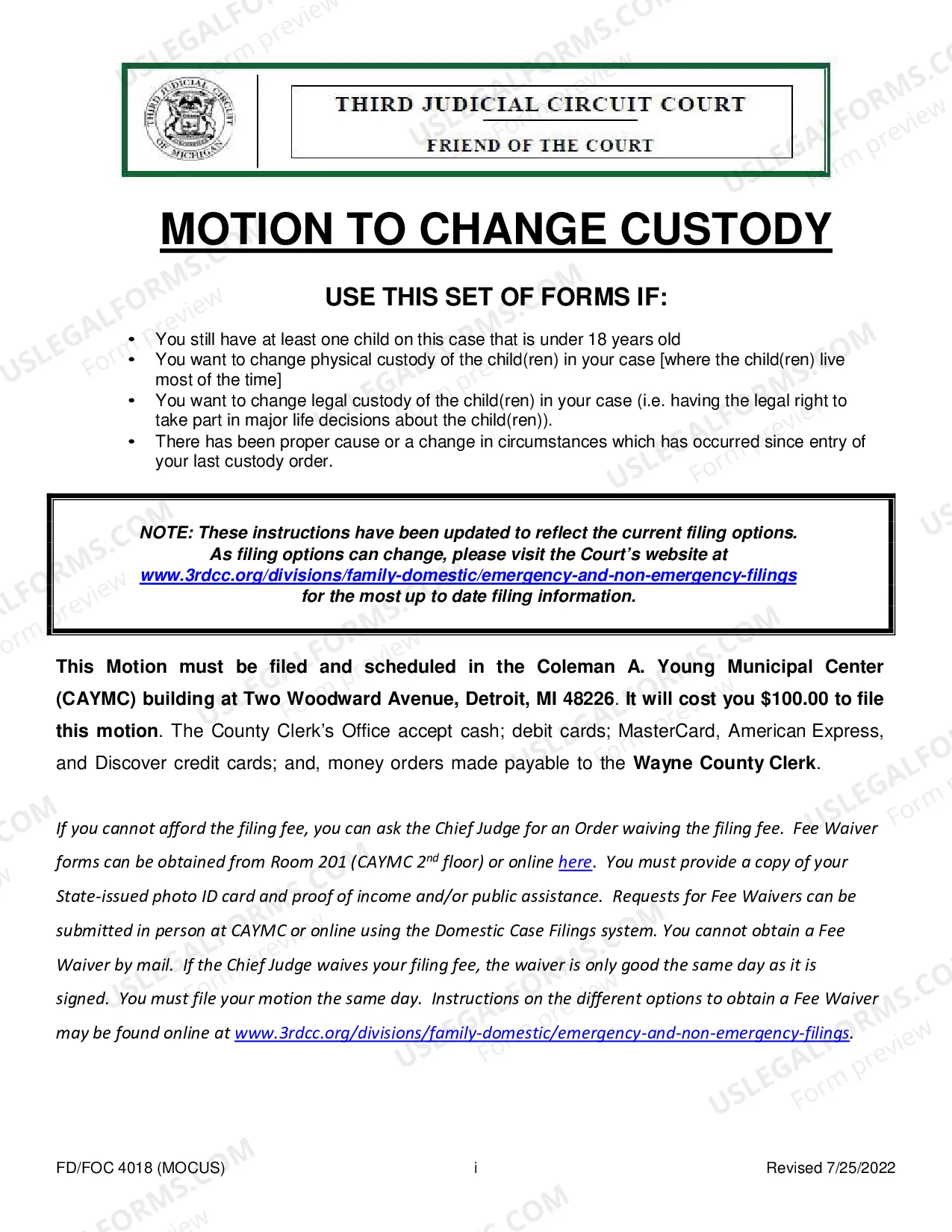




Form popularity
FAQ
However, refusing a settlement offer does extend the life of your claim and delays when you receive compensation. If you have pressing medical bills or other expenses, this is a factor to consider. You'll also need to invest more time and energy into your case, including providing more documentation of your damages.
Your letter in response to a settlement offer 1) In your introduction, start by saying that you are surprised and a little hurt that your employer wishes to terminate your employment. Then state how hard you have worked and how much your job means to you. This will elicit sympathy and create goodwill.
In a claim refusal letter, begin with a statement of appreciation, common ground, or understanding; provide a concise and factual explanation; and end in a friendly and confident way. Remember to use the indirect approach.
Provide specific reasons for your rejection, highlighting the damages and losses not covered by the proposed settlement. These reasons could include medical expenses, lost wages, property damage, pain and suffering, and other relevant costs.
Refusing a settlement offer is normal. Serious cases, such as a car accident or wrongful death claim, will involve negotiation to see that both parties get to an outcome that feels fair. The defendant may initially disagree they were at fault for your injury, or with the number of damages you are asking for.
I am writing in response to the settlement offer you presented on Settlement Offer Date, related to claim number Claim Number for the incident that occurred on Incident Date. After careful consideration, I must reject this offer as it does not meet my needs based on the severity and ongoing nature of my injuries.
Sending a Counteroffer Settlement Letter It should refute any claims or assumptions in the insurer's letter that may harm your claim. It should also include any supporting documents like copies of bills and receipts. Crafting counteroffer settlement letters is part of a personal injury attorney's work.

