Sample Settlement Letter For Car Accident In Wake
Description


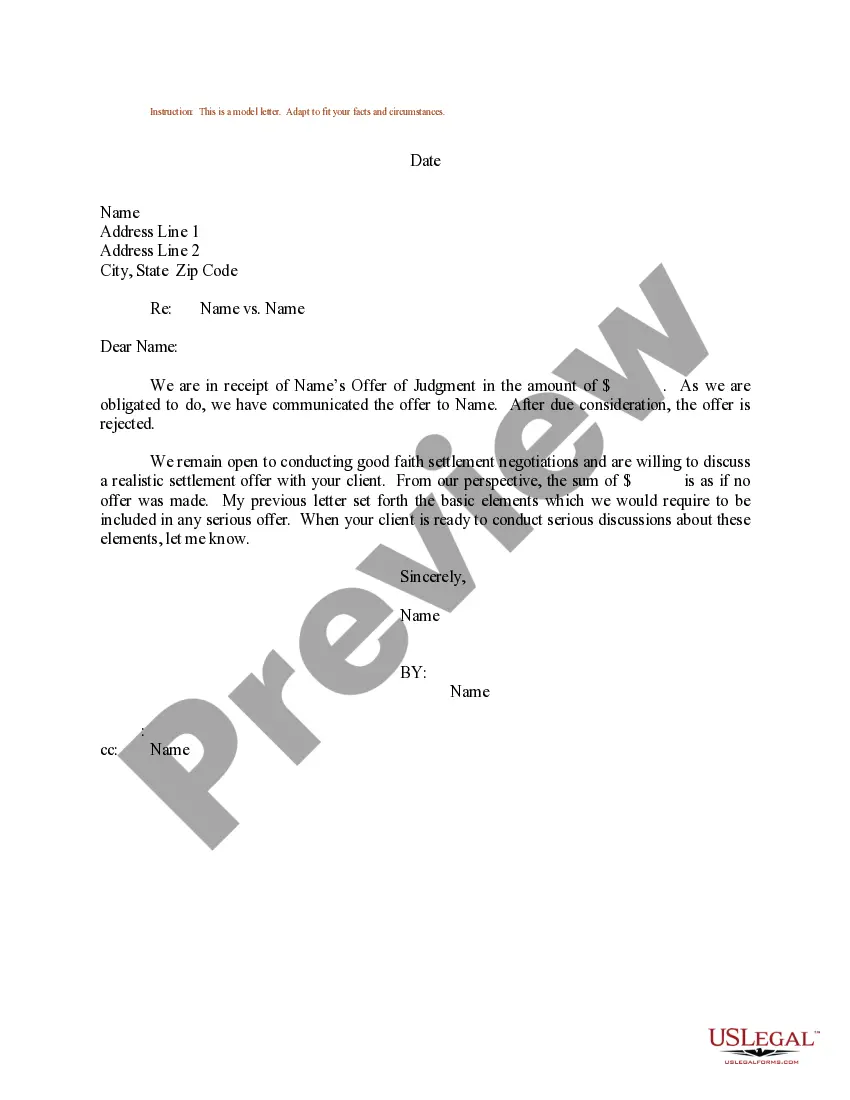
Get your form ready online
Our built-in tools help you complete, sign, share, and store your documents in one place.
Make edits, fill in missing information, and update formatting in US Legal Forms—just like you would in MS Word.
Download a copy, print it, send it by email, or mail it via USPS—whatever works best for your next step.
Sign and collect signatures with our SignNow integration. Send to multiple recipients, set reminders, and more. Go Premium to unlock E-Sign.
If this form requires notarization, complete it online through a secure video call—no need to meet a notary in person or wait for an appointment.
We protect your documents and personal data by following strict security and privacy standards.

Make edits, fill in missing information, and update formatting in US Legal Forms—just like you would in MS Word.

Download a copy, print it, send it by email, or mail it via USPS—whatever works best for your next step.

Sign and collect signatures with our SignNow integration. Send to multiple recipients, set reminders, and more. Go Premium to unlock E-Sign.

If this form requires notarization, complete it online through a secure video call—no need to meet a notary in person or wait for an appointment.

We protect your documents and personal data by following strict security and privacy standards.
Looking for another form?



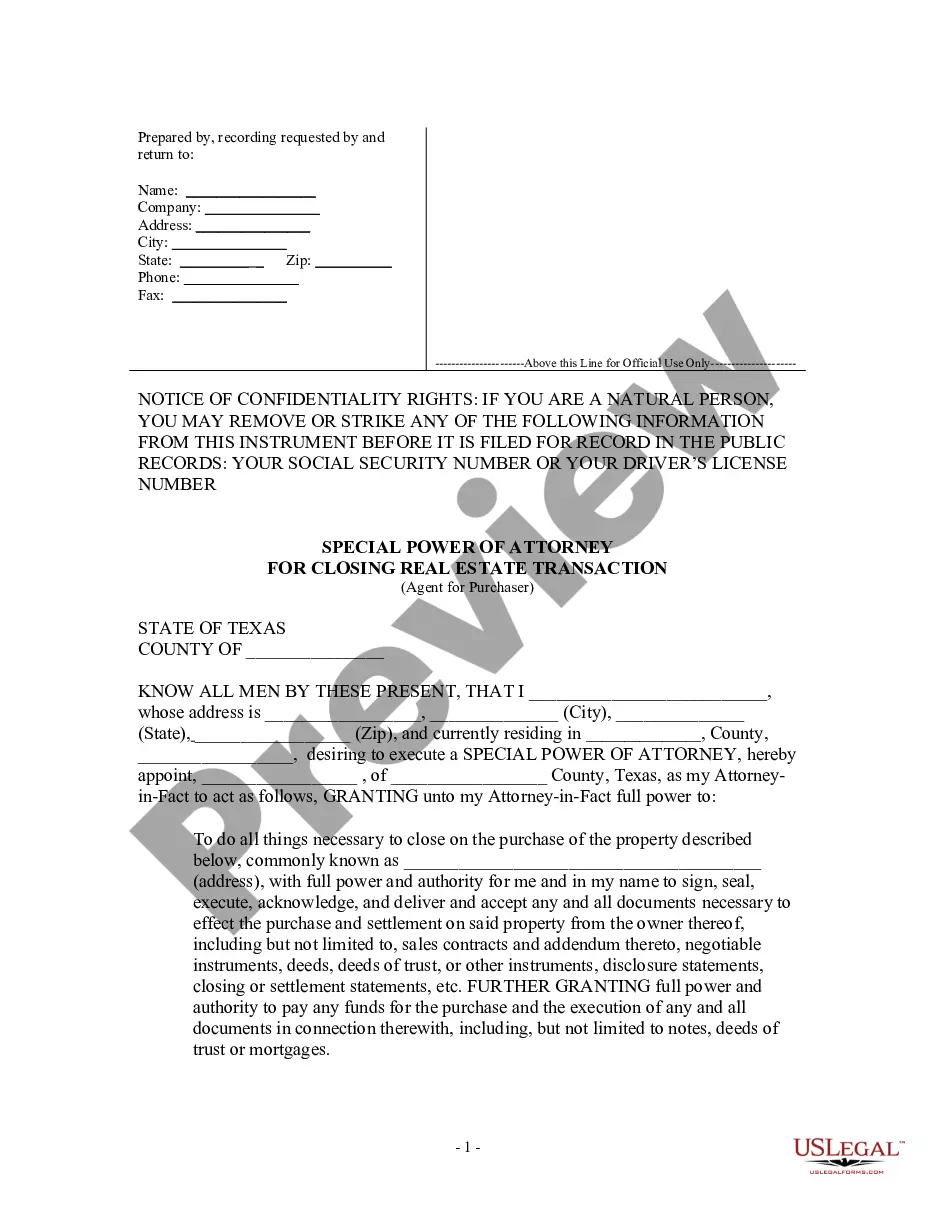




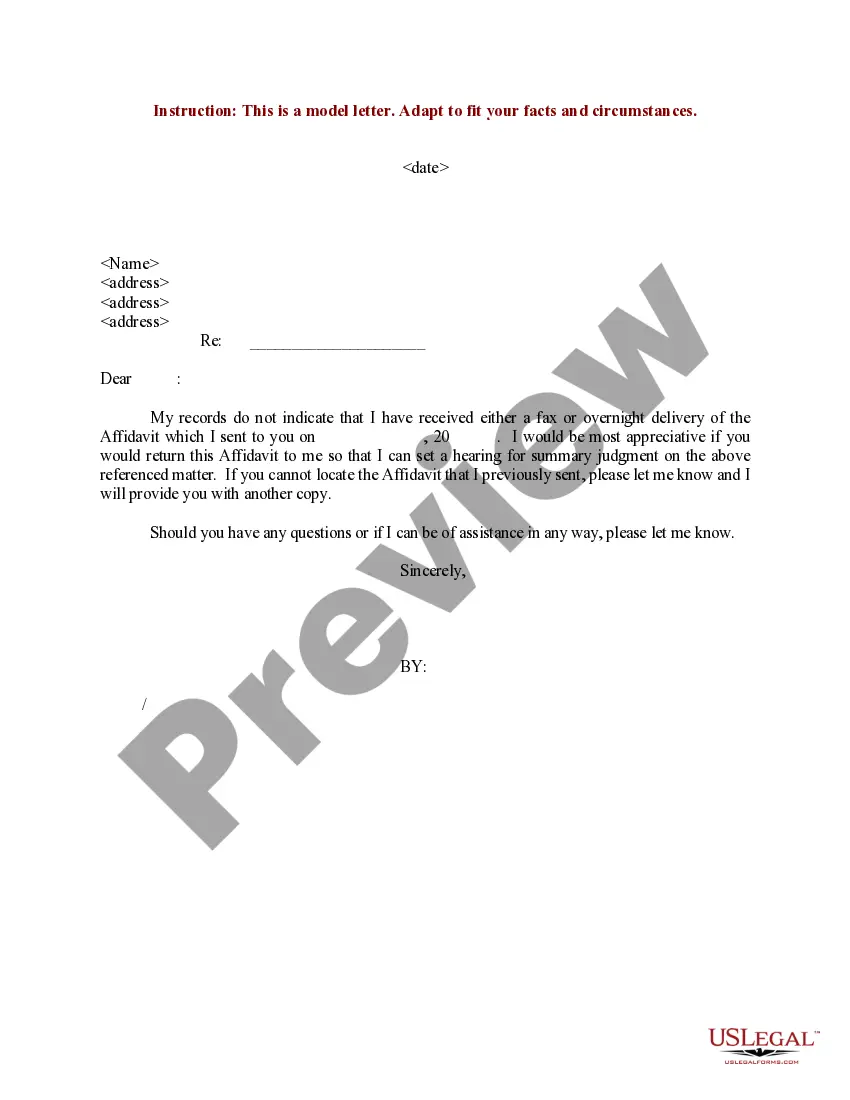
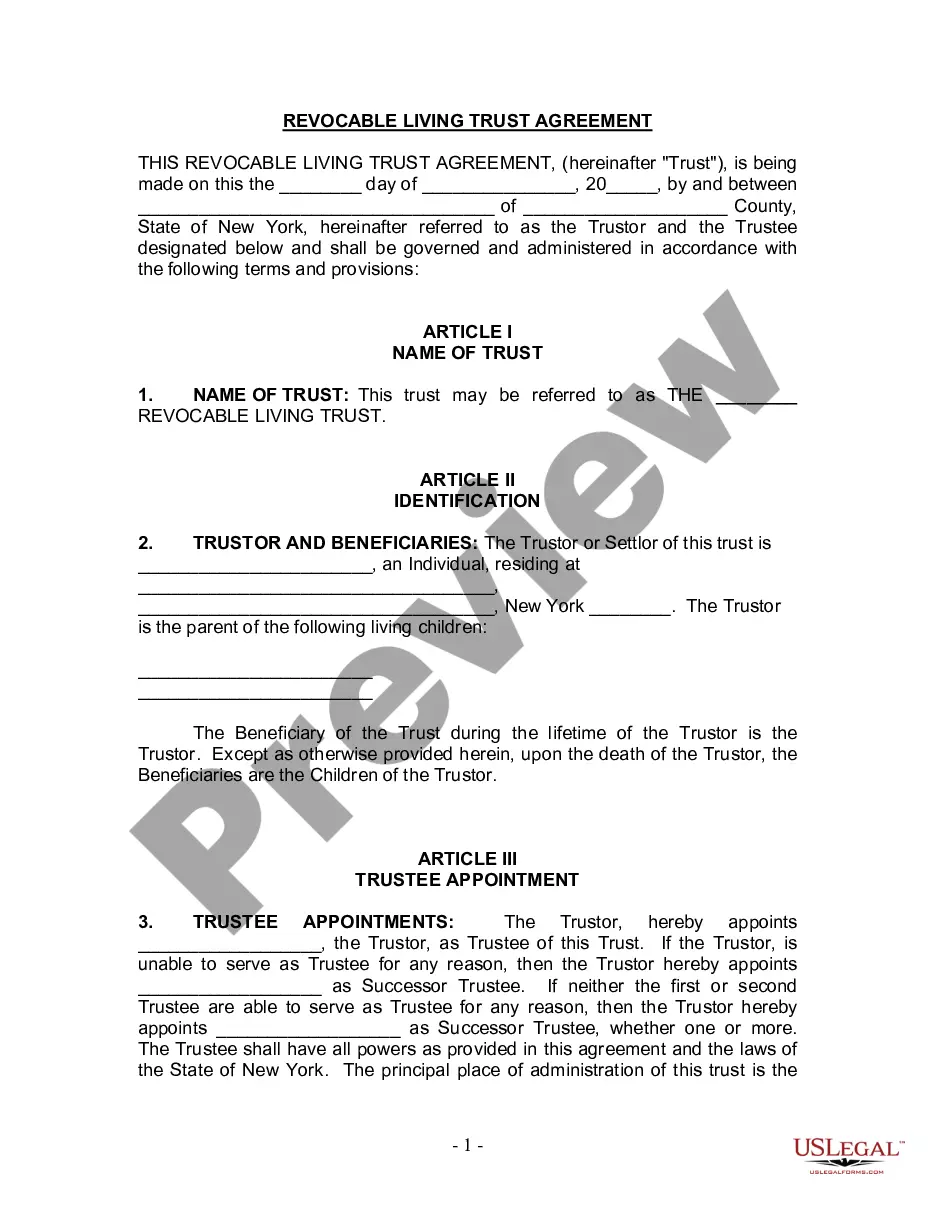
Form popularity
FAQ
Mental trauma after a car accident can impact every aspect of your life, well-being and overall health. It may affect your ability to work and socialise and can even lead to financial losses and expenses. If another party was at fault, you could claim for anxiety after a car accident.
Treat the following as a set of general guidelines: Gather complete information before you start writing. Describe your injuries and medical treatment. List your medical expenses, lost wages, and non-economic damages. Make a settlement demand. Include a deadline for legal action if you want to, but don't bluff.
Here's what we recommend: Organize Necessary Information. Provide Basic Information. Describe the Car Accident. Outline Injuries and Medical Treatment. Explain Impact on Your Life. List Financial Damages. List Your Total Demand for Compensation. Conclude the Letter With a Reasonable Deadline.
Your letter needs to include all of the important facts, but unnecessary details and dramatic elaborations will only distract from your position. Your letter should include a concise factual summary of the accident, an overview of your damages, your settlement demand, and not much more. Tell your side of the story.
Treat the following as a set of general guidelines: Gather complete information before you start writing. Describe your injuries and medical treatment. List your medical expenses, lost wages, and non-economic damages. Make a settlement demand. Include a deadline for legal action if you want to, but don't bluff.
Gather all relevant information and documents to support your claim. Address the letter to the appropriate recipient. Begin the letter with a professional salutation and a clear, concise statement of the purpose of the letter. Explain the details of the claim in a clear and organized manner.
Introduction A settlement letter is an official documentation from the insurer that clarifies your medical expenses and highlights the resolution.
I am writing this letter to state that on _ (Day) i.e. (Date), I got relieved from your _ (Company/ Organization) but my full and final settlement has not been done. I request you to kindly do the full and final settlement and send me all dues (if any).

