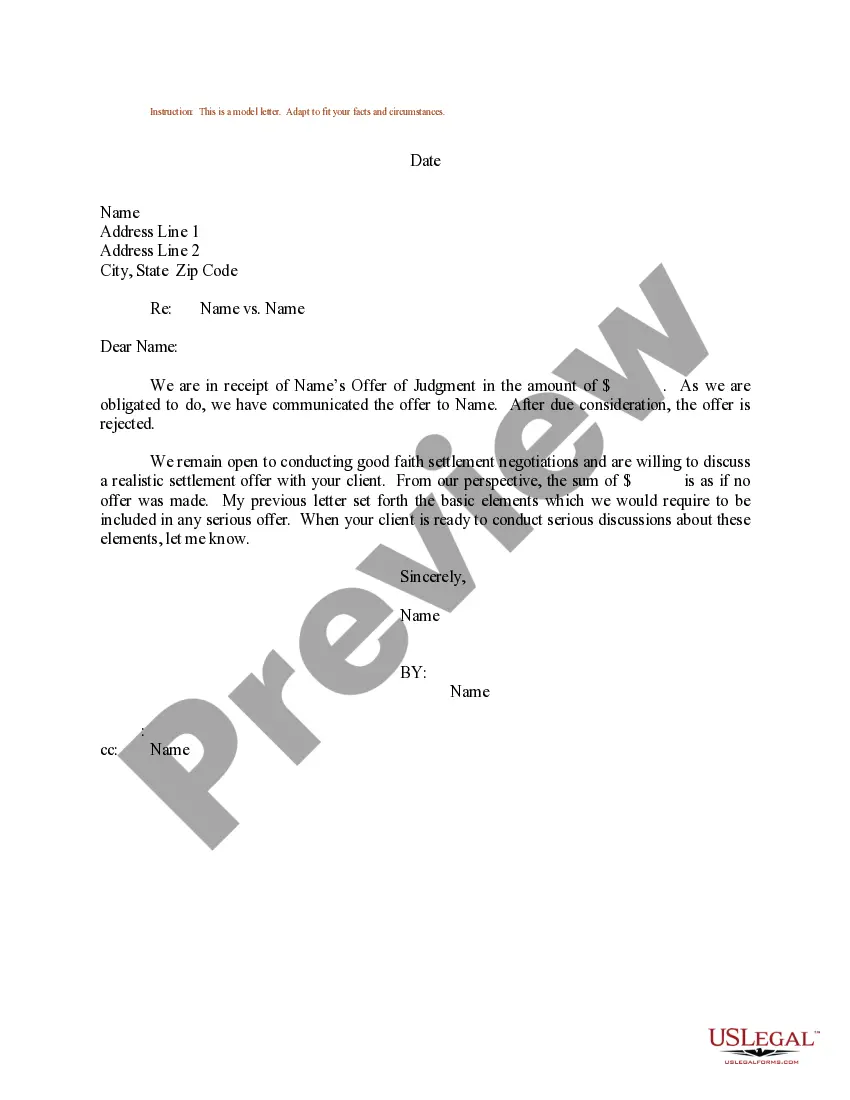
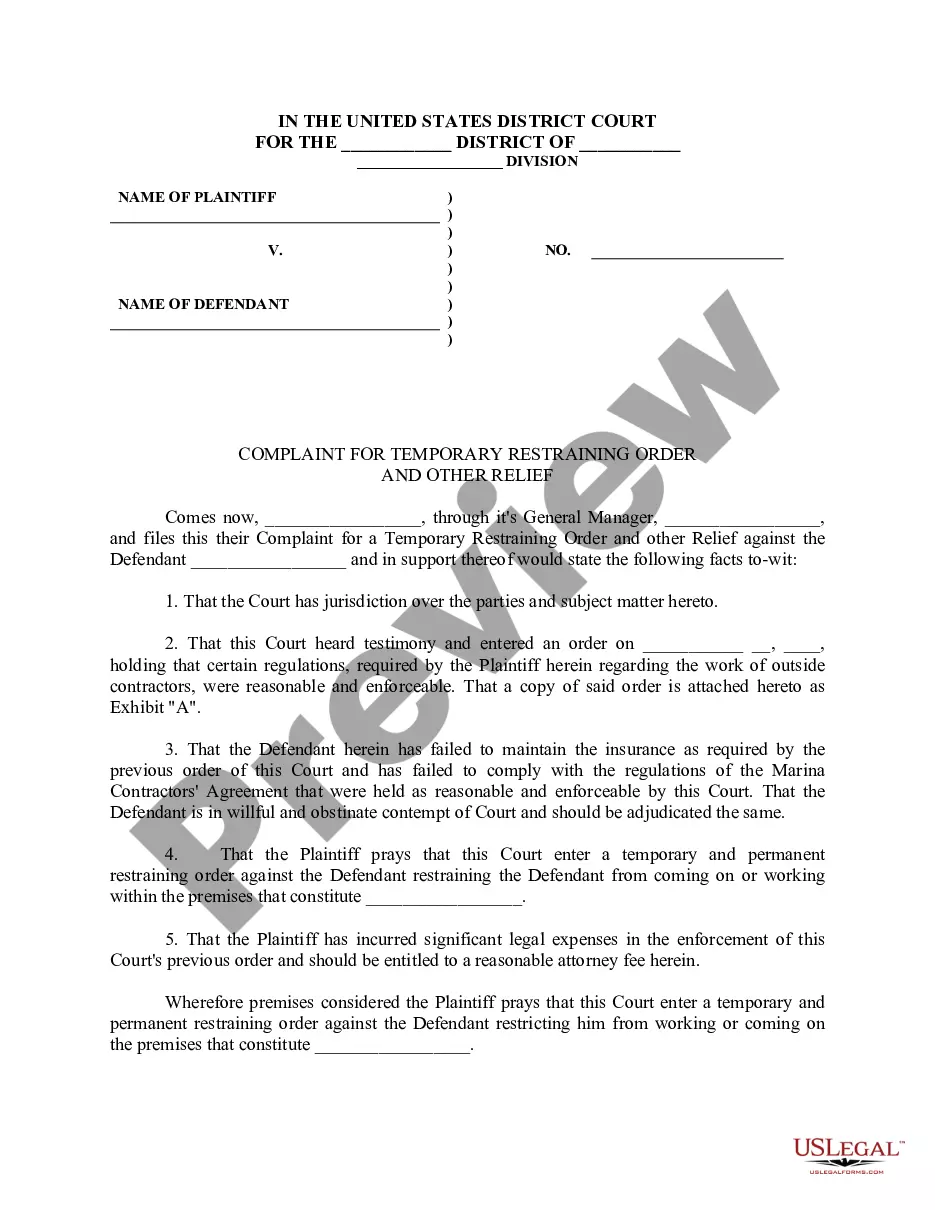
Sample Settlement Letter Without Prejudice In Suffolk
Description


Get your form ready online
Our built-in tools help you complete, sign, share, and store your documents in one place.
Make edits, fill in missing information, and update formatting in US Legal Forms—just like you would in MS Word.
Download a copy, print it, send it by email, or mail it via USPS—whatever works best for your next step.
Sign and collect signatures with our SignNow integration. Send to multiple recipients, set reminders, and more. Go Premium to unlock E-Sign.
If this form requires notarization, complete it online through a secure video call—no need to meet a notary in person or wait for an appointment.
We protect your documents and personal data by following strict security and privacy standards.

Make edits, fill in missing information, and update formatting in US Legal Forms—just like you would in MS Word.

Download a copy, print it, send it by email, or mail it via USPS—whatever works best for your next step.

Sign and collect signatures with our SignNow integration. Send to multiple recipients, set reminders, and more. Go Premium to unlock E-Sign.

If this form requires notarization, complete it online through a secure video call—no need to meet a notary in person or wait for an appointment.

We protect your documents and personal data by following strict security and privacy standards.
Looking for another form?
Form popularity
FAQ
A summons is a pre-printed legal form that tells a defendant that he or she is being sued. The defendant must file an appearance and responsive pleading or answer within 30 days of being served with the summons.
After a summons with notice is served, the defendant will demand that the plaintiff serve a complaint. The plaintiff must then have the complaint served within 20 days after being served with the demand, or the case may be dismissed.
A summons with notice or summons and complaint must be served within 120 days of filing with the County Clerk.
MOTIONS/ORDERS TO SHOW CAUSE The Notice of Motion, affirmations, affidavits and exhibits must be filed as SEPARATE documents. A proposed Order To Show Cause is filed in the same manner as a Notice of Motion using document type ORDER TO SHOW CAUSE (PROPOSED) in place of the Notice of Motion.
The written response must be made within 20 days of personal service, or within 30 days of the time when service by any other means is complete.
A summons with notice is a type of summons. The summons with notice is not served with the complaint. It contains all of the information described above for the summons, plus a brief description of the type of case and the relief the plaintiff is asking the court to grant.
Alternative Methods Of Service This couldn't be farther from the truth. In almost all cases, there is a way to proceed with actions even if personal service never occurs. Most states require that several attempts be made to serve a defendant in person before substituted service can be used.
Insufficient service of process occurs when the paperwork is complete, but is not properly delivered to the defendant in a manner consistent with Article 3 of the CPLR.
Conclusion. In New York, process servers can only properly serve documents on an intended recipient through their door attendant in a few circumstances. As service of process marks the important procedural beginning to most litigations, it is taken seriously and scrutinized quite carefully.
If they're not answering the door or won't identify themselves, then most process servers will come back again later, sometimes multiple times, or will attempt service at the person's workplace (where someone else can identify them).

