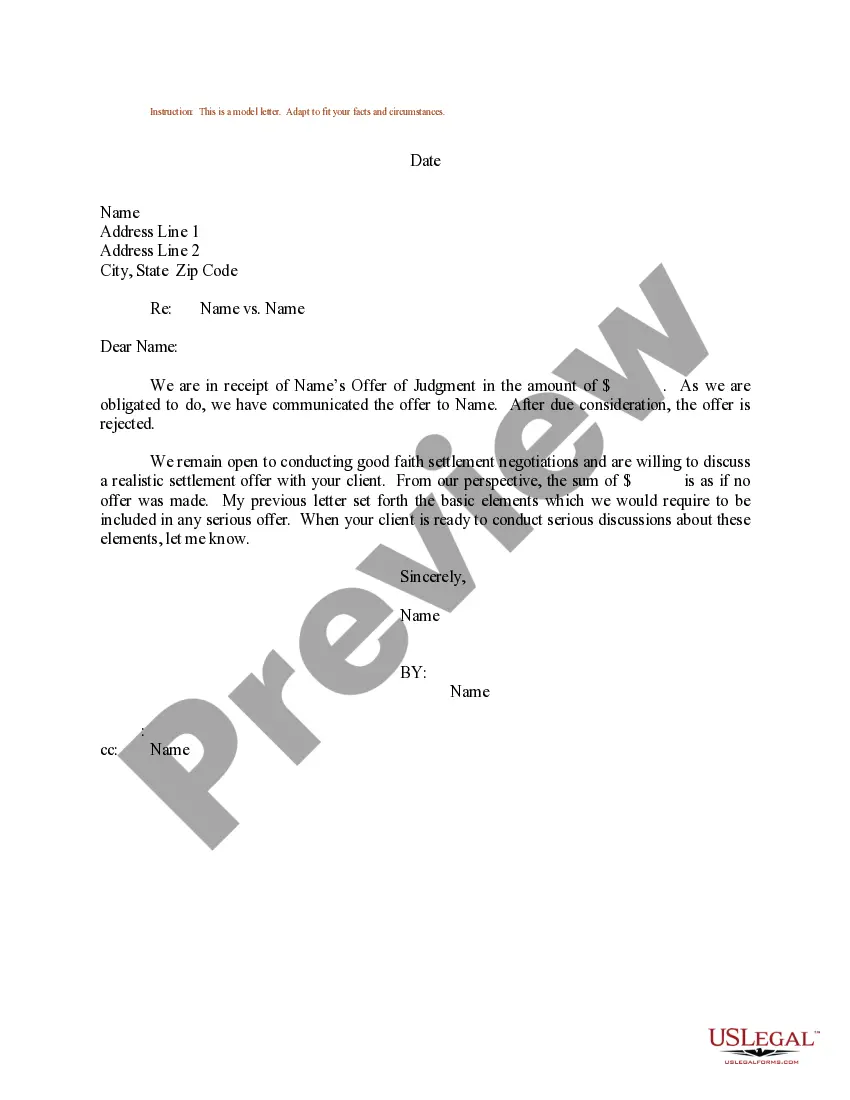
Sample Settlement Letter Without Prejudice In Orange
Description


Get your form ready online
Our built-in tools help you complete, sign, share, and store your documents in one place.
Make edits, fill in missing information, and update formatting in US Legal Forms—just like you would in MS Word.
Download a copy, print it, send it by email, or mail it via USPS—whatever works best for your next step.
Sign and collect signatures with our SignNow integration. Send to multiple recipients, set reminders, and more. Go Premium to unlock E-Sign.
If this form requires notarization, complete it online through a secure video call—no need to meet a notary in person or wait for an appointment.
We protect your documents and personal data by following strict security and privacy standards.

Make edits, fill in missing information, and update formatting in US Legal Forms—just like you would in MS Word.

Download a copy, print it, send it by email, or mail it via USPS—whatever works best for your next step.

Sign and collect signatures with our SignNow integration. Send to multiple recipients, set reminders, and more. Go Premium to unlock E-Sign.

If this form requires notarization, complete it online through a secure video call—no need to meet a notary in person or wait for an appointment.

We protect your documents and personal data by following strict security and privacy standards.
Looking for another form?








Form popularity
FAQ
Your settlement letter should begin with a heading that clearly identifies it as a settlement proposal. Be sure to include your contact information, such as your name, address and phone number so that the recipient can get in touch with you if necessary.
In general, a natural person (an individual) cannot ask for more than $12,500 in a claim. Businesses and other entities (like government entities) cannot ask for more than $6,250.
Treat the following as a set of general guidelines: Gather complete information before you start writing. Describe your injuries and medical treatment. List your medical expenses, lost wages, and non-economic damages. Make a settlement demand. Include a deadline for legal action if you want to, but don't bluff.
There is no particular magic in the words “without prejudice” in a letter. The substance of the communication will be considered to determine if it forms part of genuine negotiations for the settlement of a dispute.
Critical Elements of a Settlement Demand Letter Introduction and Background Information. Start by introducing yourself and providing a brief overview of the incident. Statement of Facts. Liability. Injuries and Medical Treatment. Damages. Settlement Demand. Deadline for Response. Closing.
Key Elements of a Claim Settlement Letter Policyholder's Information: Name and policy number. Claim Details: Reference number and details of the claim. Settlement Amount: The total amount agreed upon for settlement. Terms and Conditions: Any terms related to the settlement, including payment methods and timelines.
An FnF letter notifies the departing employee that they have received all dues from the company, and that they do not have any grievances against the employer. This letter officially validates the employee's exit from your company. The format of the FnF letter varies from organisation to organisation.
I am writing this letter to state that on _ (Day) i.e. (Date), I got relieved from your _ (Company/ Organization) but my full and final settlement has not been done. I request you to kindly do the full and final settlement and send me all dues (if any).
Treat the following as a set of general guidelines: Gather complete information before you start writing. Describe your injuries and medical treatment. List your medical expenses, lost wages, and non-economic damages. Make a settlement demand. Include a deadline for legal action if you want to, but don't bluff.

