Sample Letter For Settlement In Mecklenburg
Description


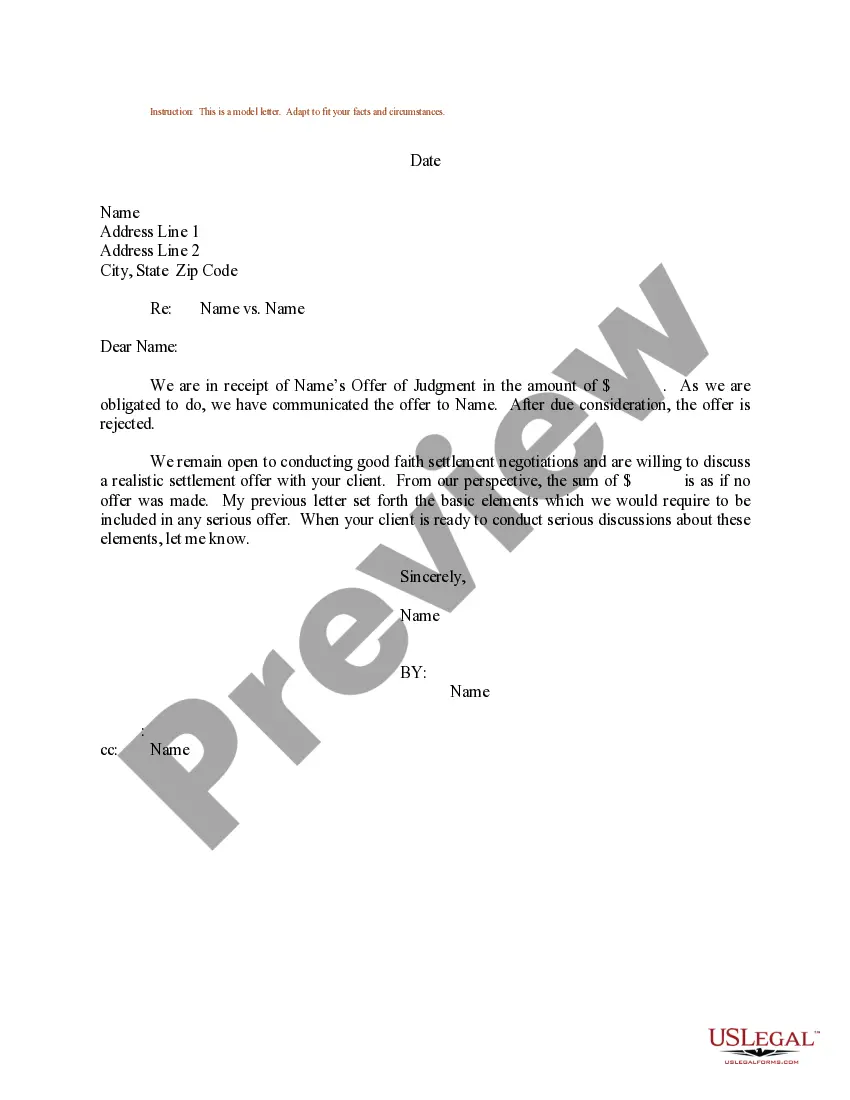
Get your form ready online
Our built-in tools help you complete, sign, share, and store your documents in one place.
Make edits, fill in missing information, and update formatting in US Legal Forms—just like you would in MS Word.
Download a copy, print it, send it by email, or mail it via USPS—whatever works best for your next step.
Sign and collect signatures with our SignNow integration. Send to multiple recipients, set reminders, and more. Go Premium to unlock E-Sign.
If this form requires notarization, complete it online through a secure video call—no need to meet a notary in person or wait for an appointment.
We protect your documents and personal data by following strict security and privacy standards.

Make edits, fill in missing information, and update formatting in US Legal Forms—just like you would in MS Word.

Download a copy, print it, send it by email, or mail it via USPS—whatever works best for your next step.

Sign and collect signatures with our SignNow integration. Send to multiple recipients, set reminders, and more. Go Premium to unlock E-Sign.

If this form requires notarization, complete it online through a secure video call—no need to meet a notary in person or wait for an appointment.

We protect your documents and personal data by following strict security and privacy standards.
Looking for another form?






Form popularity
FAQ
Mecklenburg County To access Criminal files, email Mecklenburg.Criminal@nccourts. To access Civil files, email Mecklenburg.Civil@nccourts. To access Estate Special Proceedings files, email Mecklenburg.ESP@nccourts.
Locate a federal court case by using the Public Access to Court Electronic Records (PACER) or by visiting the Clerk's Office of the courthouse where the case was filed.
Information about civil, special proceeding, or estates cases in the North Carolina court system can be accessed on the public, self-service terminals in the clerk of court's office in any county. View a user's manual for the system in which the information is stored.
Treat the following as a set of general guidelines: Gather complete information before you start writing. Describe your injuries and medical treatment. List your medical expenses, lost wages, and non-economic damages. Make a settlement demand. Include a deadline for legal action if you want to, but don't bluff.
Once your property settlement takes place, you'll be issued a settlement letter from your conveyancer. This is an official letter written on the conveyancer's letter head that simply states your lot number and the settlement date to confirm that land settlement has taken place.
An employee must go through the Full and Final Settlement Letter, or FnF settlement, process when they quit or leave their job. Typically, this FnF settlement falls under the purview of the organization's HR division.
Settlement Letter means the letter agreement between the Parties relating to the Funded Participation and containing, among other things, details of the Settlement Amount and Traded Margin(s);
A settlement brings the dispute to an end so you can put the complaint behind you and move on. Settlement is usually much faster, with less steps than the hearing process. Settlement talks are confidential. No one can use what you said or offers you make against you if the complaint continues.
Frequently Asked Questions (FAQ) Type your letter. Concisely review the main facts. Be polite. Write with your goal in mind. Ask for exactly what you want. Set a deadline. End the letter by stating you will promptly pursue legal remedies if the other party does not meet your demand. Make and keep copies.
The Format of a Settlement Demand Letter A description of the accident. An explanation of why the defendant is at fault or otherwise liable for the claim. A brief description of your injuries and property damage. A brief description of your losses (medical expenses, lost earnings, pain and suffering, etc.).
