Sample Settlement Letter For Car Accident In Houston
Description

Get your form ready online
Our built-in tools help you complete, sign, share, and store your documents in one place.
Make edits, fill in missing information, and update formatting in US Legal Forms—just like you would in MS Word.
Download a copy, print it, send it by email, or mail it via USPS—whatever works best for your next step.
Sign and collect signatures with our SignNow integration. Send to multiple recipients, set reminders, and more. Go Premium to unlock E-Sign.
If this form requires notarization, complete it online through a secure video call—no need to meet a notary in person or wait for an appointment.
We protect your documents and personal data by following strict security and privacy standards.

Make edits, fill in missing information, and update formatting in US Legal Forms—just like you would in MS Word.

Download a copy, print it, send it by email, or mail it via USPS—whatever works best for your next step.

Sign and collect signatures with our SignNow integration. Send to multiple recipients, set reminders, and more. Go Premium to unlock E-Sign.

If this form requires notarization, complete it online through a secure video call—no need to meet a notary in person or wait for an appointment.

We protect your documents and personal data by following strict security and privacy standards.
Looking for another form?




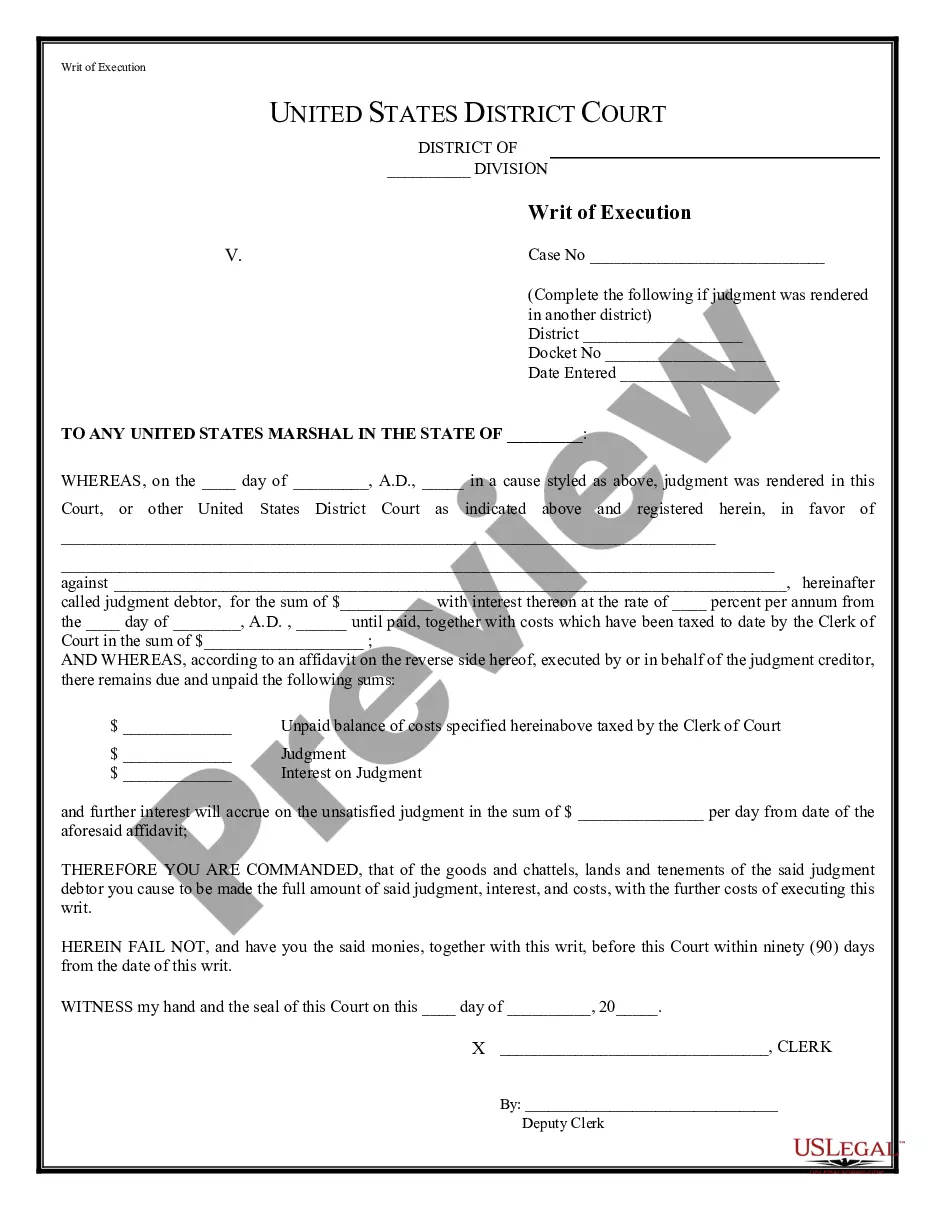

Form popularity
FAQ
Treat the following as a set of general guidelines: Gather complete information before you start writing. Describe your injuries and medical treatment. List your medical expenses, lost wages, and non-economic damages. Make a settlement demand. Include a deadline for legal action if you want to, but don't bluff.
How to Write an Auto Accident Demand Letter Step 1: Organize Necessary Information. Step 2: Provide Basic Information. Step 3: Describe the Auto Accident. Step 4: Outline Your Injuries and Medical Treatment. Step 5: Explain the Impact on Your Life. Step 6: List Your Financial Damages.
Example of a Claim Settlement Letter We are writing to inform you that we have completed our evaluation of your claim filed under policy number Policy Number regarding Brief Description of the Claim. We are pleased to offer a settlement amount of Settlement Amount.
What is a Car Accident Settlement Letter? Your contact information. The recipient's contact information. Date of the car accident settlement letter. A clear subject line. Introduction and accident details. Description of injuries and medical treatment. Itemized list of damages (medical expenses, lost wages, etc.)
Minor Accidents with Minimal Injuries: For accidents resulting in minor injuries such as whiplash, bruises, or small cuts, settlements typically range from $10,000 to $25,000. These cases often involve short-term medical treatment and minimal lost wages.
The main purpose of this letter is to list your damages and ask the insurance company for a settlement. It also shows that you're ready to settle the claim. When writing the letter, you must include all the case's facts, the total amount of damages you are seeking, and the monetary amount you expect to receive.
Average Car Accident Settlement Examples in California Whiplash: $5,000-$20,000. Mild-Moderate Concussion: $20,000-$30,000. Knee or Shoulder Injury: $30,000-$100,000. Broken/Fractured Bones: $30,000-$100,000. Moderate Neck or Back Injury: $30,000-$100,000. Herniated Disc: $50,000-$100,000+
Describe specific medical treatments and how the incident has affected daily activities and overall quality of life. Use 'I feel' statements and express emotions clearly to foster empathy from the court. Avoid using overly technical language and keep your statement simple and clear.

