Letter Invitation For Meeting In New York
Description
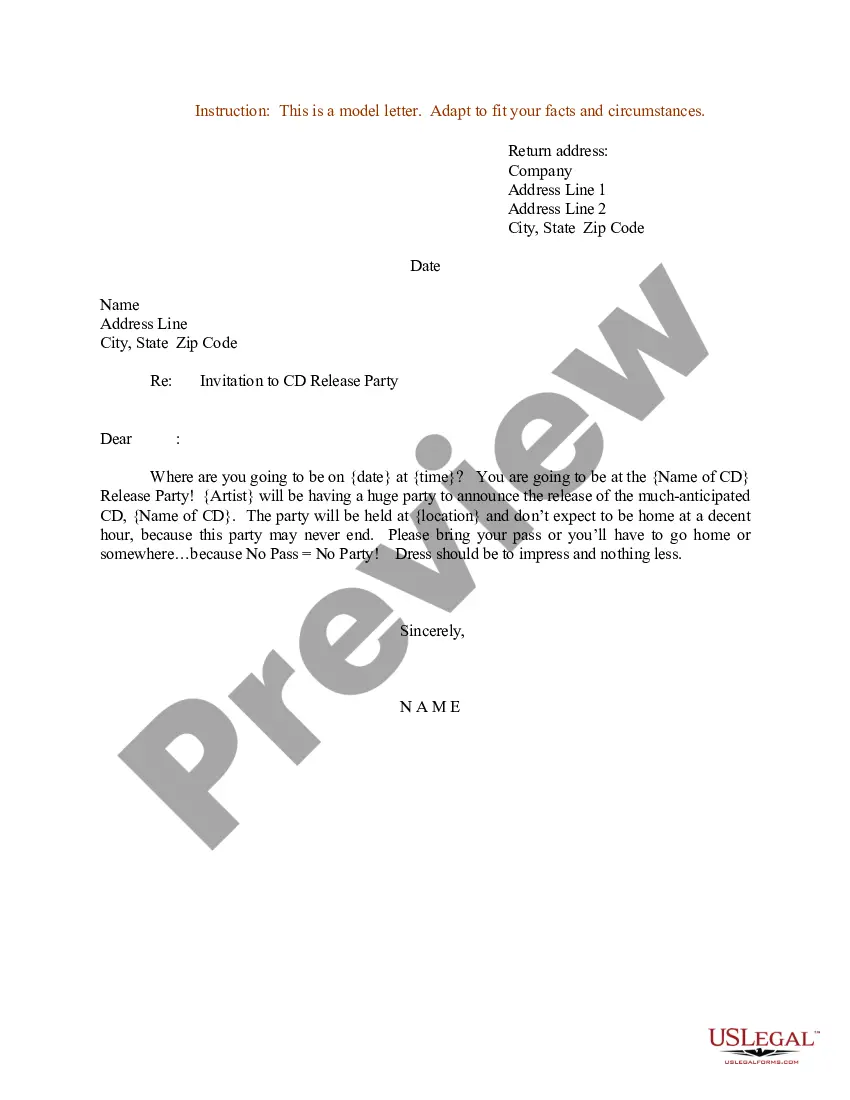
Get your form ready online
Our built-in tools help you complete, sign, share, and store your documents in one place.
Make edits, fill in missing information, and update formatting in US Legal Forms—just like you would in MS Word.
Download a copy, print it, send it by email, or mail it via USPS—whatever works best for your next step.
Sign and collect signatures with our SignNow integration. Send to multiple recipients, set reminders, and more. Go Premium to unlock E-Sign.
If this form requires notarization, complete it online through a secure video call—no need to meet a notary in person or wait for an appointment.
We protect your documents and personal data by following strict security and privacy standards.

Make edits, fill in missing information, and update formatting in US Legal Forms—just like you would in MS Word.

Download a copy, print it, send it by email, or mail it via USPS—whatever works best for your next step.

Sign and collect signatures with our SignNow integration. Send to multiple recipients, set reminders, and more. Go Premium to unlock E-Sign.

If this form requires notarization, complete it online through a secure video call—no need to meet a notary in person or wait for an appointment.

We protect your documents and personal data by following strict security and privacy standards.
Looking for another form?
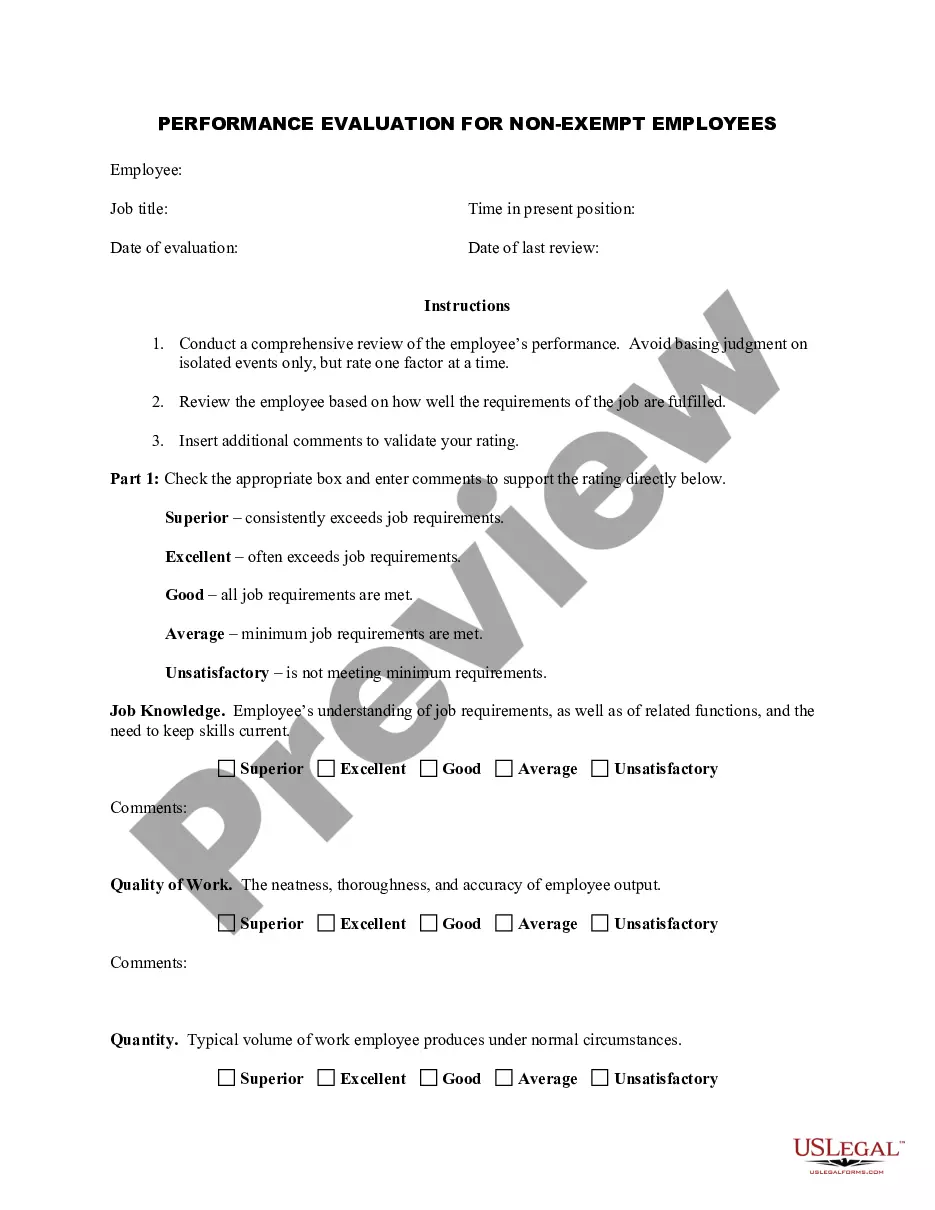
Form popularity
FAQ
5 tips for writing better meeting invitation emails Write a clear, concise subject line. Include important meeting details. Share a meeting agenda. Add a personal touch. Keep it short and sweet. Bonus tip: Stay in touch ahead of the meeting with reminders. Include your scheduling link.
How to write an official meeting invitation e-mail Begin with a subject line. A subject line can seem like an afterthought, but it's the first thing your recipients see. Include logistical details. Define the purpose. Outline the meeting agenda. Provide details to RSVP.
Dear Recipient Name, We are thrilled to invite you to our upcoming Event Name. This year, we celebrate our Number year anniversary. We would love to invite you to join us for this celebration.
A proper meeting notice should include: Date, Time, and Venue: Clear details on when and where the meeting will take place. Purpose of the Meeting: A brief description of the meeting's objectives. Agenda: An outline of topics to be discussed; this helps attendees prepare for the meeting.
Dear Name, I would like to invite you to a presentation meeting that will be held date and time at location. During this meeting, we will be presenting topic of presentation and discussing main points of discussion. We hope to get your valuable insights and feedback on this matter.
I'm writing to invite you to attend the Meeting Name scheduled for Date at Time. This meeting will take place at Address or Meeting Link. The agenda for this meeting includes List of Topics. Kindly confirm your attendance at your earliest convenience.
I am writing to invite you to a one-on-one meeting on date at time. The purpose of this meeting is to discuss/review/update topic. If this time and date do not work for you, please let me know so that we can reschedule. I look forward to meeting with you.
A meeting notice should include the following key details: Name and contact information of the meeting chair. Name and role of the sender of the meeting notice. Names and roles of all the invitees. Type of meeting — regular, annual, or special. Date, time and location of the meeting (the notice should also be dated)
To determine how to write a meeting request email, follow these steps: Start with an explanatory subject line. Use a professional salutation. Introduce yourself. State the purpose of the meeting. Suggest a possible date and time. Request for a reply. Proofread before sending. Follow up and remind.
