Invitation Letter With Example In Nassau
Description
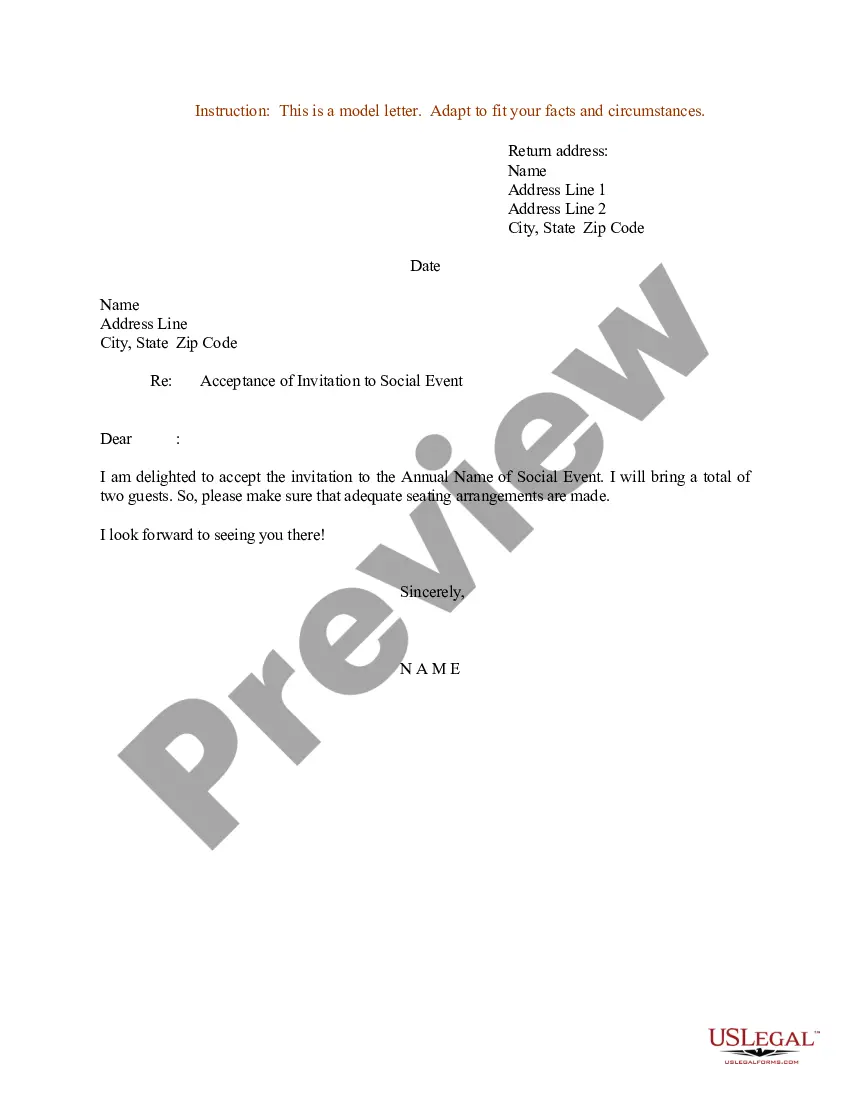
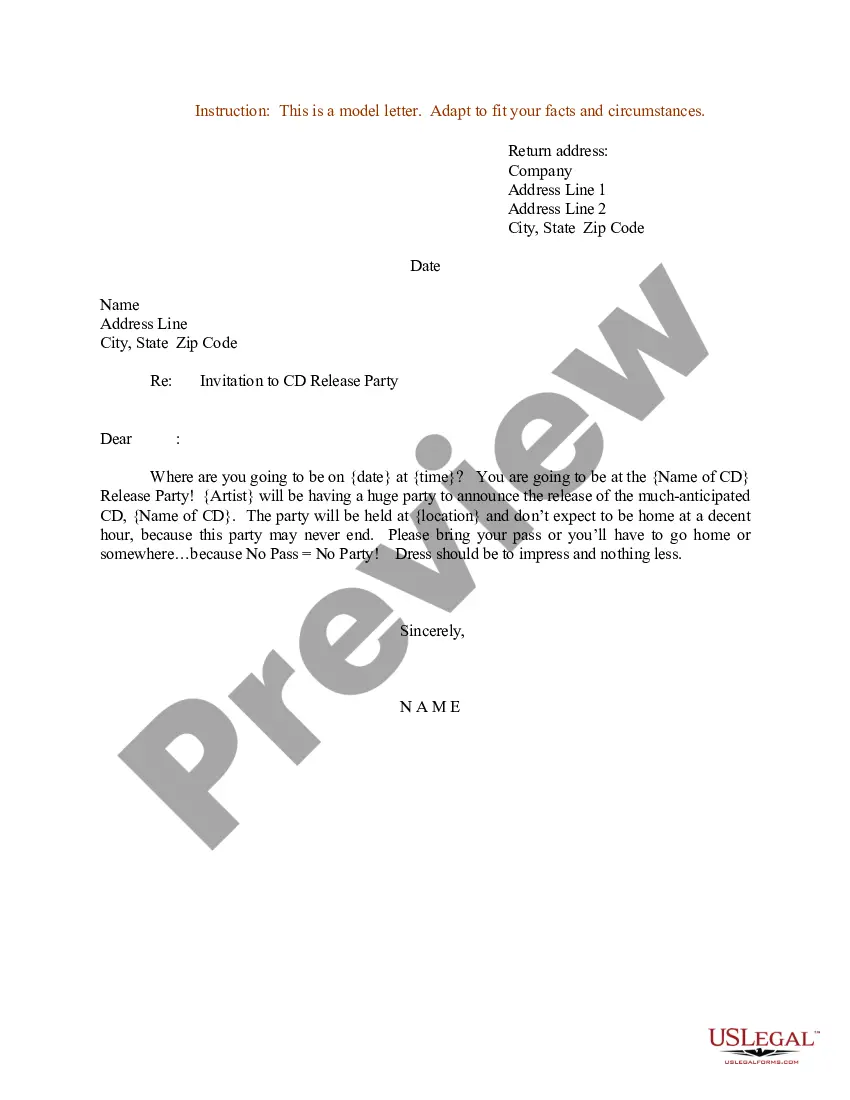
Get your form ready online
Our built-in tools help you complete, sign, share, and store your documents in one place.
Make edits, fill in missing information, and update formatting in US Legal Forms—just like you would in MS Word.
Download a copy, print it, send it by email, or mail it via USPS—whatever works best for your next step.
Sign and collect signatures with our SignNow integration. Send to multiple recipients, set reminders, and more. Go Premium to unlock E-Sign.
If this form requires notarization, complete it online through a secure video call—no need to meet a notary in person or wait for an appointment.
We protect your documents and personal data by following strict security and privacy standards.

Make edits, fill in missing information, and update formatting in US Legal Forms—just like you would in MS Word.

Download a copy, print it, send it by email, or mail it via USPS—whatever works best for your next step.

Sign and collect signatures with our SignNow integration. Send to multiple recipients, set reminders, and more. Go Premium to unlock E-Sign.

If this form requires notarization, complete it online through a secure video call—no need to meet a notary in person or wait for an appointment.

We protect your documents and personal data by following strict security and privacy standards.
Looking for another form?





Form popularity
FAQ
A citizen of a foreign country who wishes to enter the United States must first obtain a visa. There are two options: A nonimmigrant visa for a temporary stay. An immigrant visa for a permanent residence.
Dear Recipient's Name, I hope this email finds you well. We are pleased to invite you to attend the upcoming Event Name meeting, scheduled to take place on Date at Time. The meeting will be held at Location/Online Platform, and we would be honored to have your presence and participation.
Guidelines for writing invitations: State the occasion, date, time, and place. If you need a response, include a self-addressed, stamped reply card or envelope with your invitation. Express that you are looking forward to seeing the person.
Families, relatives and friends who plan to visit you in the U.S. will most likely need to apply for a tourist visa (B1/B2 visa). There are no specific documents, e.g. Form I-20 or DS-2019, with which to apply for a B1/B2 visa. However, there are some guidelines on what a consular official expects of applicants.
Most visitors should apply for a B-2 visitor visa at the U.S. Embassy/Consulate in order to enter the U.S. as a tourist. Review the Department of State site for more information on this type of visa. However, some individuals may be eligible to enter the U.S. on the Visa Waiver Program (see below) instead.
Most visitors should apply for a B-2 visitor visa at the U.S. Embassy/Consulate in order to enter the U.S. as a tourist. Review the Department of State site for more information on this type of visa. However, some individuals may be eligible to enter the U.S. on the Visa Waiver Program (see below) instead.
What should the letter say? Name and contact information for the host. Host's immigration status (for example, “U.S. citizen”) Relationship between the host and the visa applicant. Visa applicant's full name and address. Purpose of the trip. Exact dates of the trip. Host's signature.
Where to Submit the Letter of Invitation? The letter is submitted by the guest at the embassy or consulate along with the visa document file. The host must scan it and send it to the guest, who will later submit it with the other supporting documents on the day of their appointment at the embassy or consulate.
Some key information to include is as follows: Full name. Mailing address. Relationship to the person being invited (Hosts are typically family members). Immigration status (U.S. citizen or permanent resident). Contact information (phone number, email address). Passport number (optional but helpful). Written signature.

