Nationwide Cooperative Agreement For Msb Supervision In Bexar
Description

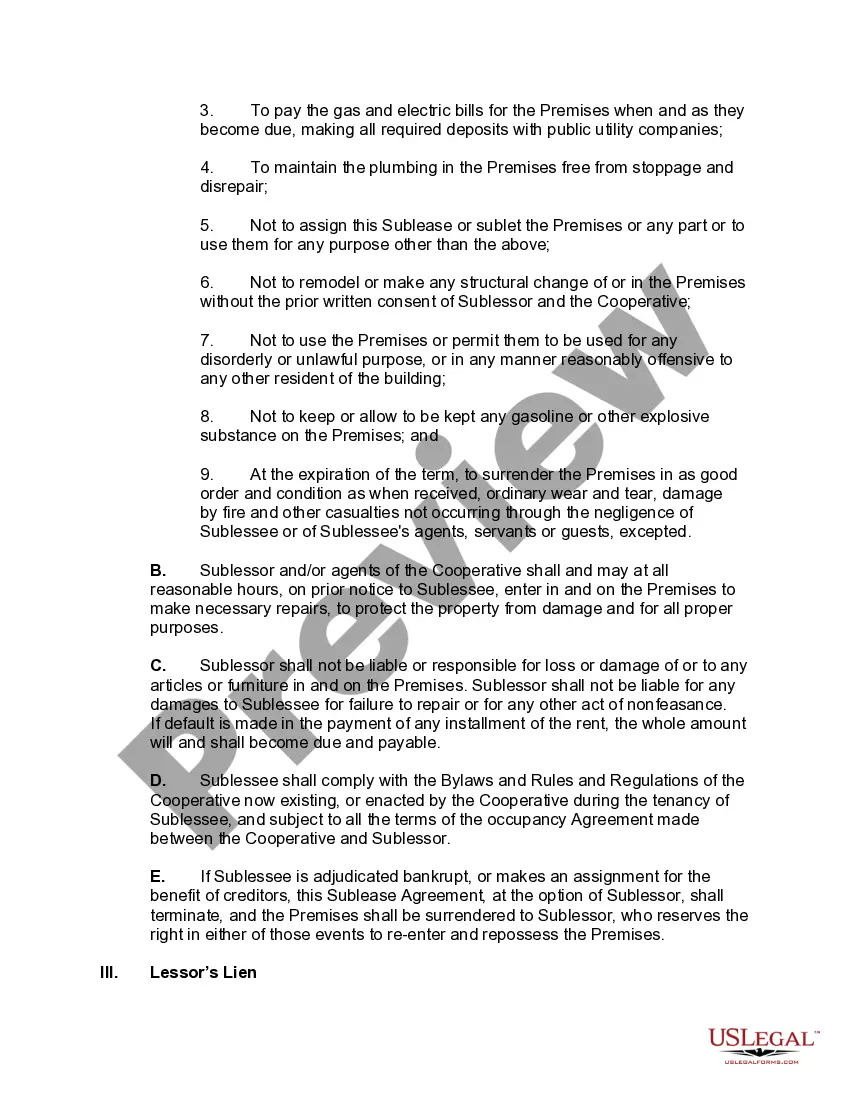
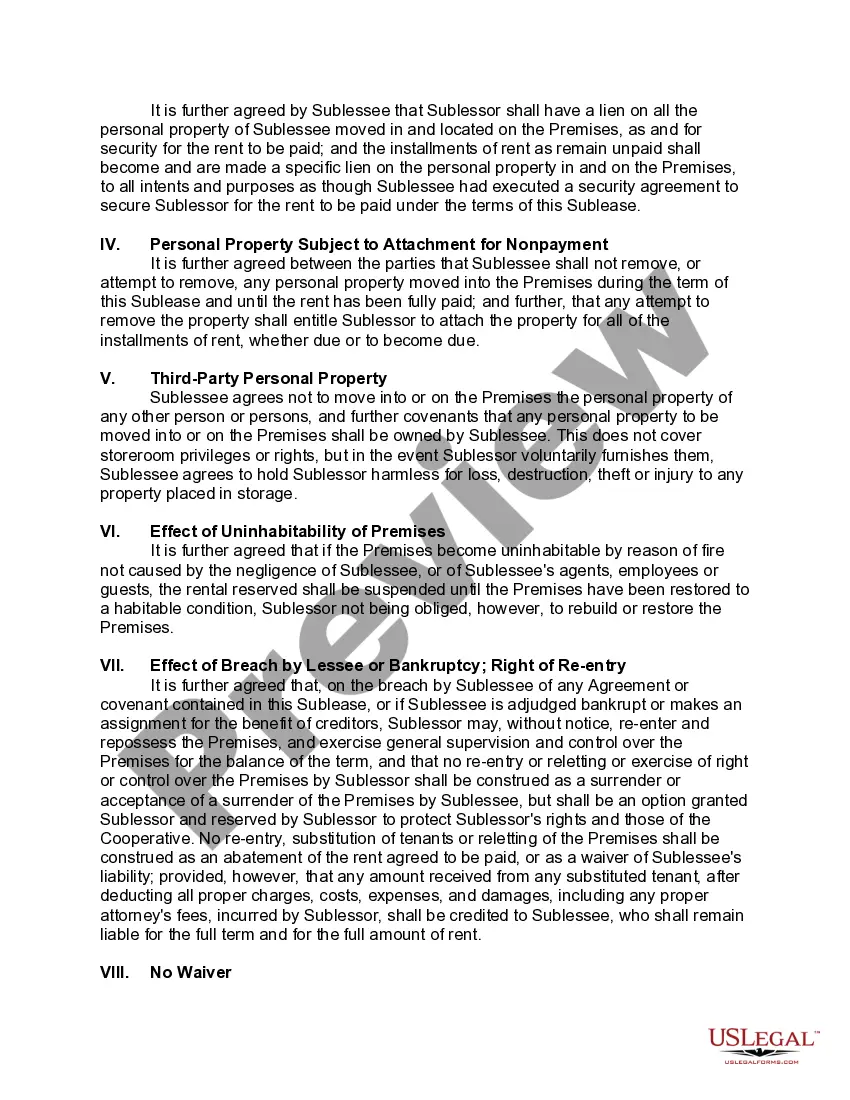
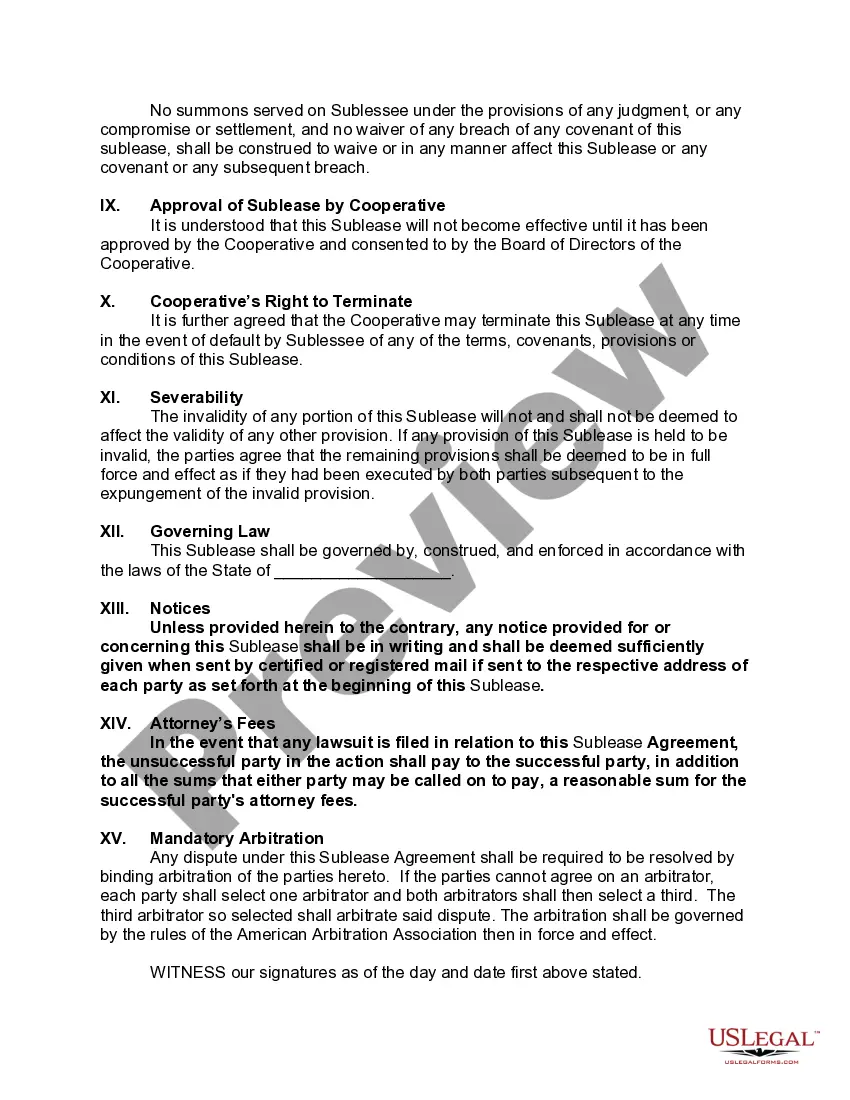
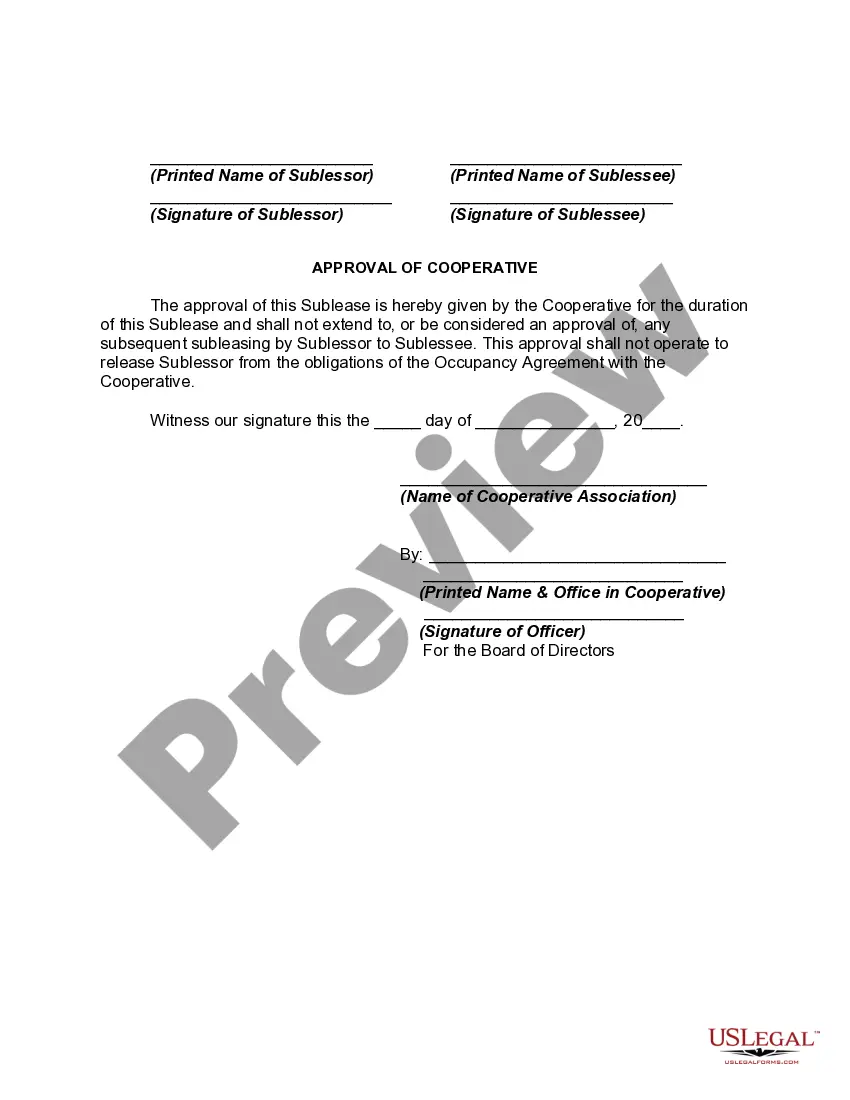

Get your form ready online
Our built-in tools help you complete, sign, share, and store your documents in one place.
Make edits, fill in missing information, and update formatting in US Legal Forms—just like you would in MS Word.
Download a copy, print it, send it by email, or mail it via USPS—whatever works best for your next step.
Sign and collect signatures with our SignNow integration. Send to multiple recipients, set reminders, and more. Go Premium to unlock E-Sign.
If this form requires notarization, complete it online through a secure video call—no need to meet a notary in person or wait for an appointment.
We protect your documents and personal data by following strict security and privacy standards.

Make edits, fill in missing information, and update formatting in US Legal Forms—just like you would in MS Word.

Download a copy, print it, send it by email, or mail it via USPS—whatever works best for your next step.

Sign and collect signatures with our SignNow integration. Send to multiple recipients, set reminders, and more. Go Premium to unlock E-Sign.

If this form requires notarization, complete it online through a secure video call—no need to meet a notary in person or wait for an appointment.

We protect your documents and personal data by following strict security and privacy standards.
Looking for another form?







Form popularity
FAQ
A cooperative agreement is a hybrid between a contract and a grant. While its purpose is typically similar to a grant in that it focuses on increased scientific knowledge, the sponsor takes a more active role as a partner to the research, rather than just a funder.
While the terms “master agreement” and “contract” are sometimes used interchangeably, there are subtle distinctions between the two. A master agreement is a broader agreement that sets the framework for future transactions or engagements between parties.
Merchant Cash Advance contracts are most properly defined as the Purchase and Sale of Future Receivable Agreements. These MCA agreements will generally illustrate the total amount of future receivables purchased by the MCA company.
The purpose of a grant is to provide assistance; there is generally little involvement by the sponsor, and the award instrument refers to general terms and conditions. Cooperative agreements also provide assistance, but with substantial sponsor involvement, typically described in a set of specific terms.
Master Agreements are contracts that are competitively bid by the Department of General Services and available to any agency that expend public funds. These types of agreements establish a prequalified list of vendors and simplify the purchasing process for the end user.
In a grant, the federal government provides oversight and monitoring but is not directly involved in the project. In a cooperative agreement, federal employees participate more closely in project activities, often working side-by-side with the grantee.
Like grants, cooperative agreements are funding mechanisms used by the Federal Government. The main difference between a grant and a cooperative agreement is that a cooperative agreement involves “substantial staff involvement” from a federal agency.
Cooperative agreements serves as an official framework for exploring partnership activities and identify future endeavors. If a specific collaborative project is identified between the two institutions, an addendum or additional agreement must be developed to outline the details of the project.
A cooperative agreement is another form of financial aid. The granting agency and the grantee work together to carry out the purpose of the award. Contracts are financial transactions. Federal agencies buy property or services for their direct benefit or use from a service provider.
Cooperative agreements provide for substantial involvement between the Agency and recipient during implementation of an Activity. Substantial involvement may include: • Approval of implementation plans; • Approval of key personnel; and • Collaboration between USAID and the partner.
