Church Invitation Letter Format In Kings
Description
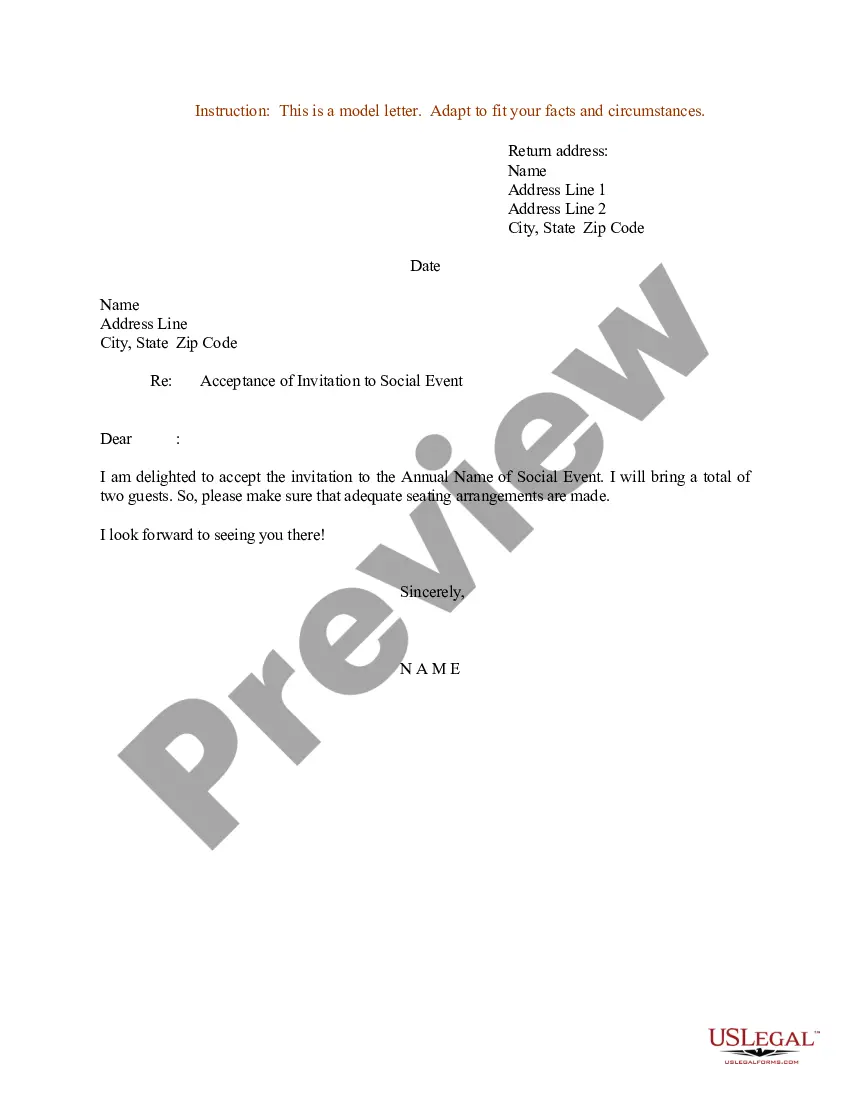
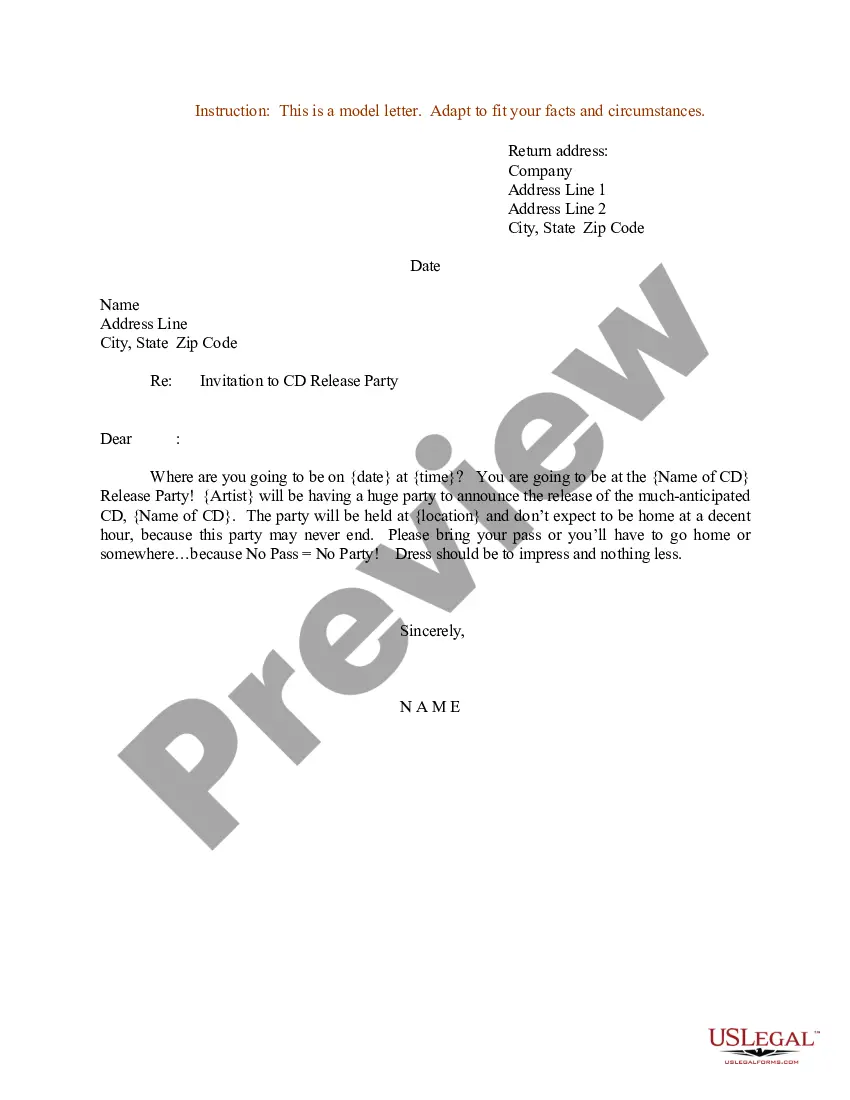
Get your form ready online
Our built-in tools help you complete, sign, share, and store your documents in one place.
Make edits, fill in missing information, and update formatting in US Legal Forms—just like you would in MS Word.
Download a copy, print it, send it by email, or mail it via USPS—whatever works best for your next step.
Sign and collect signatures with our SignNow integration. Send to multiple recipients, set reminders, and more. Go Premium to unlock E-Sign.
If this form requires notarization, complete it online through a secure video call—no need to meet a notary in person or wait for an appointment.
We protect your documents and personal data by following strict security and privacy standards.

Make edits, fill in missing information, and update formatting in US Legal Forms—just like you would in MS Word.

Download a copy, print it, send it by email, or mail it via USPS—whatever works best for your next step.

Sign and collect signatures with our SignNow integration. Send to multiple recipients, set reminders, and more. Go Premium to unlock E-Sign.

If this form requires notarization, complete it online through a secure video call—no need to meet a notary in person or wait for an appointment.

We protect your documents and personal data by following strict security and privacy standards.
Looking for another form?






Form popularity
FAQ
Guidelines for writing invitations: Name of the conference and the sponsoring organization; Date, time, place of the conference and speech; Type of audience; The type of speech, topic, and how long the speech should be; Any accommodations that will be made, including lodging, meals, and transportation;
How to Write a Church Invitation Start Your Church Invitation by Addressing the Person by Name. Write a Sentence or Two About Why You Are Inviting Them to Church. Include the Day, Time and Location of the Service. Thank Them for Their Time and Say You Hope To See Them Soon. Sign Your Name at the Bottom of the Invitation.
We recommend starting your invite on a personal note by addressing the guest by name. 'Hi Paul', for example, shows you aren't just sending this out to a bulk audience and will make the guest feel more special. You'll then need to explain the reason for the invite and what will be happening at the event.
I would like to formally invite you to our company's annual retreat. I'm pleased to invite you to the winter gala. We invite you to attend the town meeting. I am looking forward to joining you in our company's upcoming strategy meeting.
Dear Recipient's Name, I hope this email finds you well. We are pleased to invite you to attend the upcoming Event Name meeting, scheduled to take place on Date at Time. The meeting will be held at Location/Online Platform, and we would be honored to have your presence and participation.
Mention precisely the details of the event including date, time, venue, and purpose. Be very specific about the event date, the time, and the duration. Keep guests well informed. Give as many specific details as you can, like the location map, the dress code, event venue type, among others.
Using Proper Salutations and Closings Begin your letter with a formal greeting such as “Dear Church Members”. End your letter with a blessing or prayer, such as “May God Bless You” or “In Christ's Love”.
We invite all church members to join us for Sunday prayers — come for hope, spiritual growth, worship, fellowship and encouragement. Whether you live next door or halfway across the world, we would love to have your presence this Sunday as we worship together under the power of God."
Informal Invitation Letter – Guidelines and Tips It is written in the first person (I/we). The sender's address is written as usual but the receiver's address is not mentioned. The date of writing the invitation is given but there is no need to write the year. The salutation is Dear + name.

