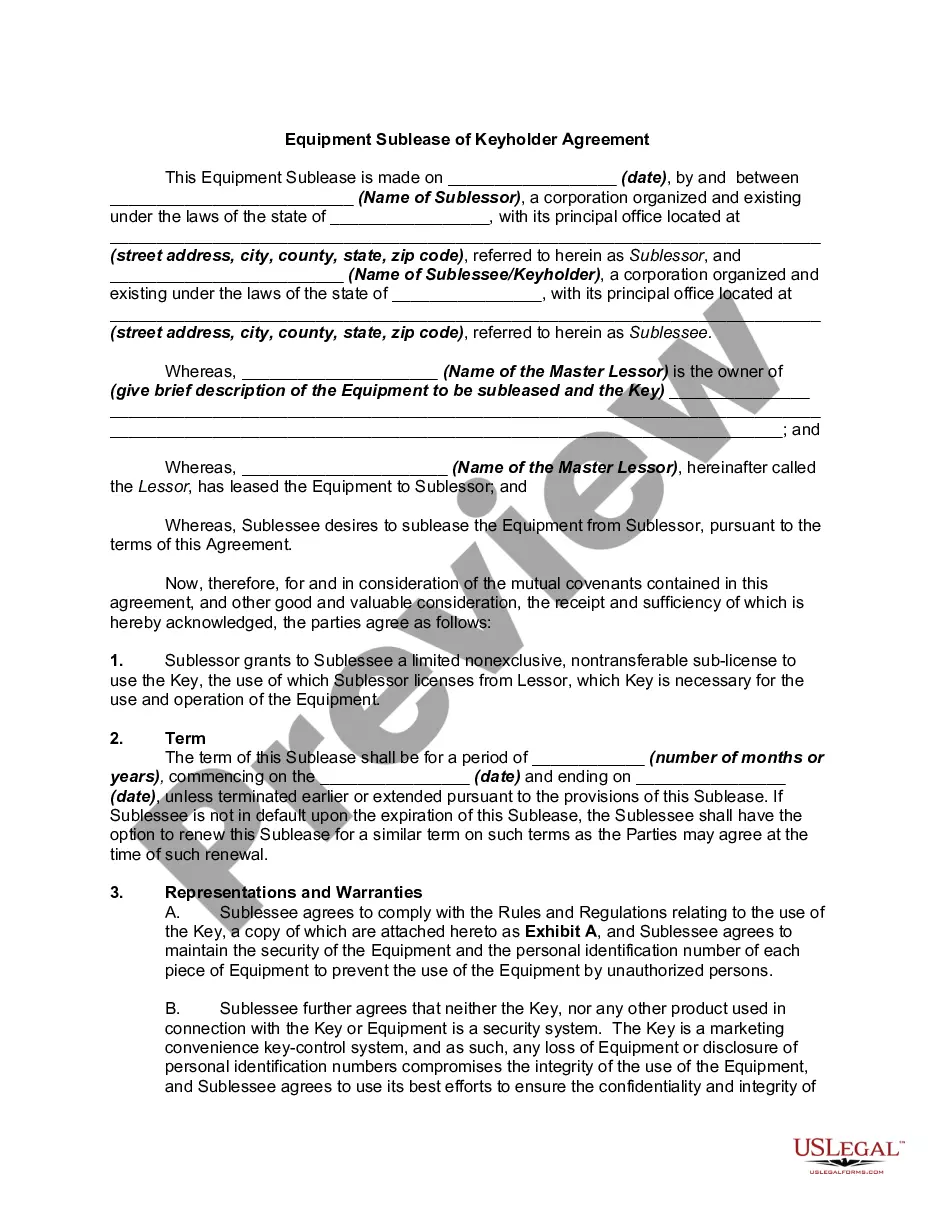
Notice For Meeting In Maryland
Description



Get your form ready online
Our built-in tools help you complete, sign, share, and store your documents in one place.
Make edits, fill in missing information, and update formatting in US Legal Forms—just like you would in MS Word.
Download a copy, print it, send it by email, or mail it via USPS—whatever works best for your next step.
Sign and collect signatures with our SignNow integration. Send to multiple recipients, set reminders, and more. Go Premium to unlock E-Sign.
If this form requires notarization, complete it online through a secure video call—no need to meet a notary in person or wait for an appointment.
We protect your documents and personal data by following strict security and privacy standards.

Make edits, fill in missing information, and update formatting in US Legal Forms—just like you would in MS Word.

Download a copy, print it, send it by email, or mail it via USPS—whatever works best for your next step.

Sign and collect signatures with our SignNow integration. Send to multiple recipients, set reminders, and more. Go Premium to unlock E-Sign.

If this form requires notarization, complete it online through a secure video call—no need to meet a notary in person or wait for an appointment.

We protect your documents and personal data by following strict security and privacy standards.
Looking for another form?


Form popularity
FAQ
The default quorum is a simple majority — half of your members plus one. Companies typically set customized quorum requirements in their bylaws. To establish a quorum, think about your state's legal requirements, organization size, and key individuals needed for impartial and comprehensive decision-making.
A quorum is the minimum number of members that must be 'present' before a meeting can start. A member of the committee is considered present if they attend in person or by electronic means if authorised to do so.
OMA requires State and local public bodies to hold their meetings in a manner that is open to the public, to give the public adequate notice of those meetings and their expected content, and to make minutes and any recordings of the meetings available to the public afterward.
A quorum is a majority of the public body's members unless the law applicable to that particular public body sets a different number. 6. What's a “meeting?” A “meeting” occurs whenever a public body's quorum convenes to discuss public business.
While the percentage that constitutes a quorum varies by organization. Common practices include: Simple majority: Often defined as more than 50% of voting members. State law requirements: Some states mandate minimum percentages, often around one-third for nonprofits.
(1) The quorum for a meeting of the Board of Directors of a company hall be one-third of its total strength or two directors, whichever is higher, and the participation of the directors by video conferencing or by other audio visual means shall also be counted for the purposes of quorum under this sub-section.
Open meeting laws require boards to post public notice of the meeting. The law may specify the timeframe in which the notice must be posted before the meeting. Laws may also specify where to post notices. In most cases, boards are required to hold meetings in physical locations that are easily accessible by the public.
This provision establishes that, although the Maryland Sunshine Law is the touchstone by which public bodies are to conduct their meetings, the statute is not exclusive in its application. The statute only outlines the minimum requirements for conducting open meetings. . . .
Individuals can file a complaint against a homeowners' association in Maryland by contacting the Consumer Protection Division of the Maryland Attorney General's Office. Complaints can also be addressed through internal dispute resolution mechanisms if provided by the HOA's governing documents.