Release Letter Sample With Reference In Washington
Description
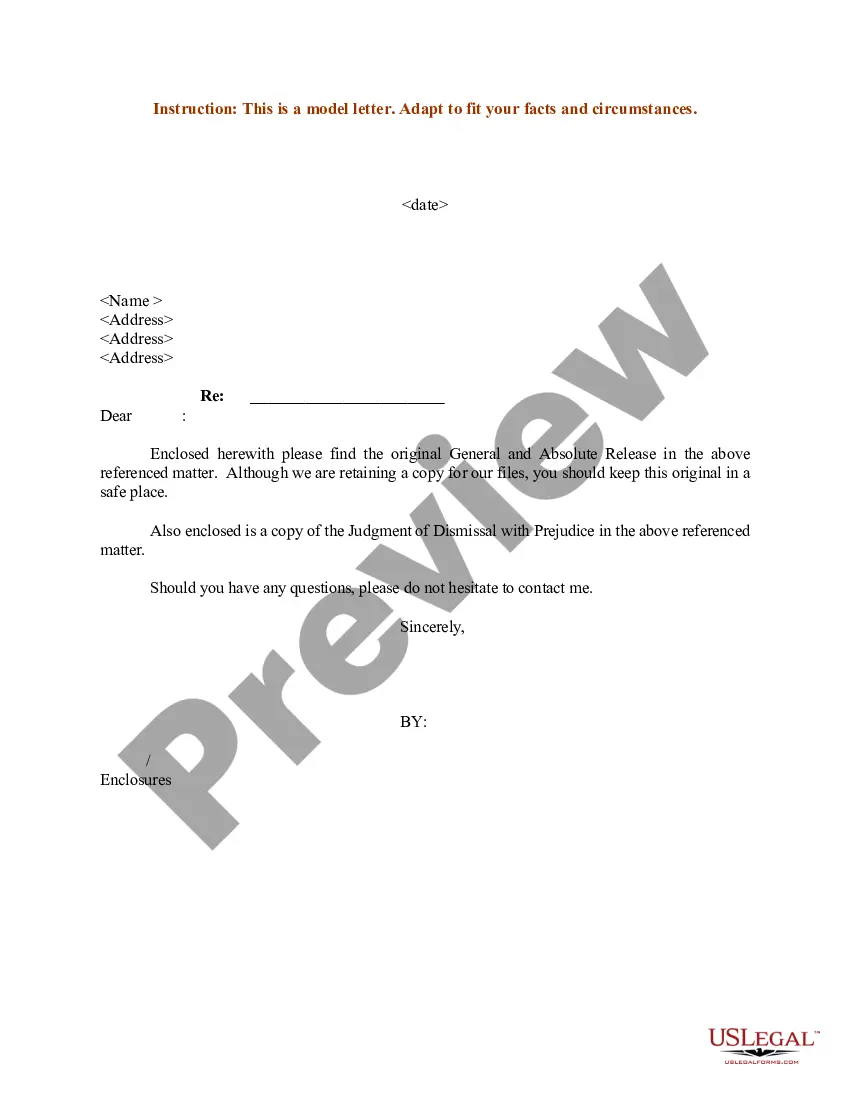
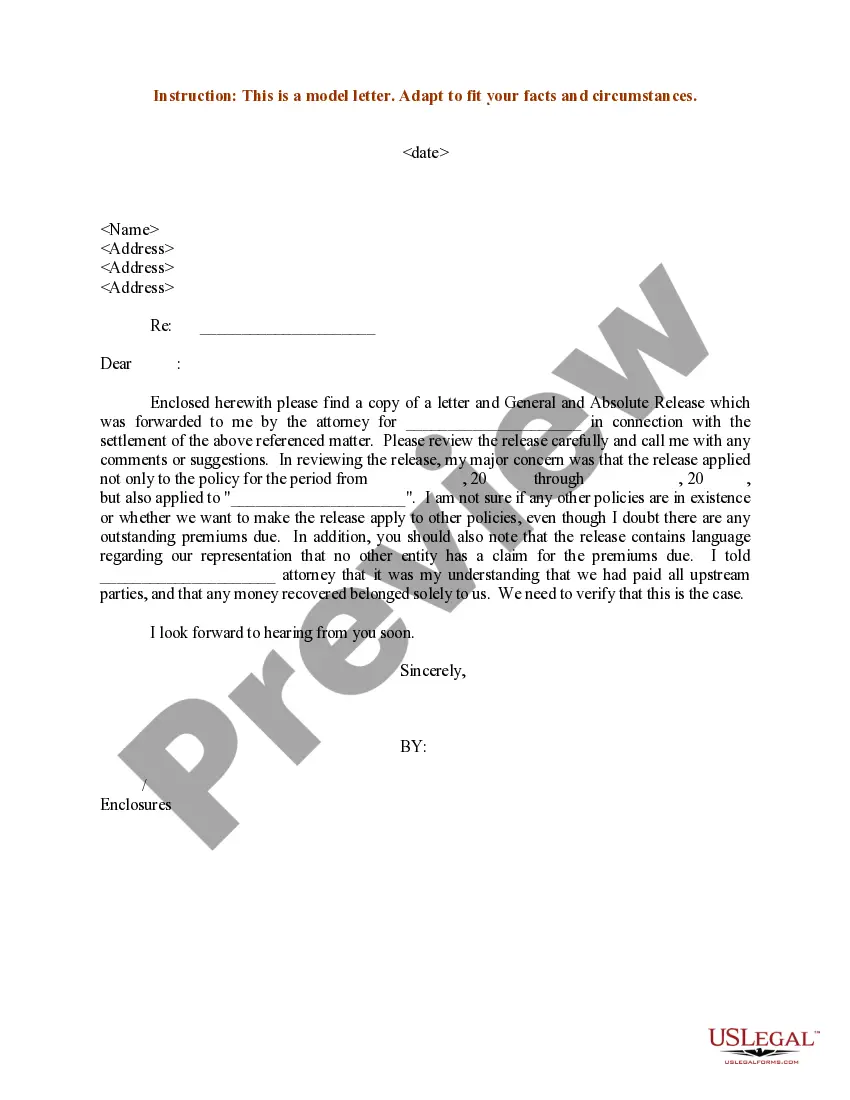
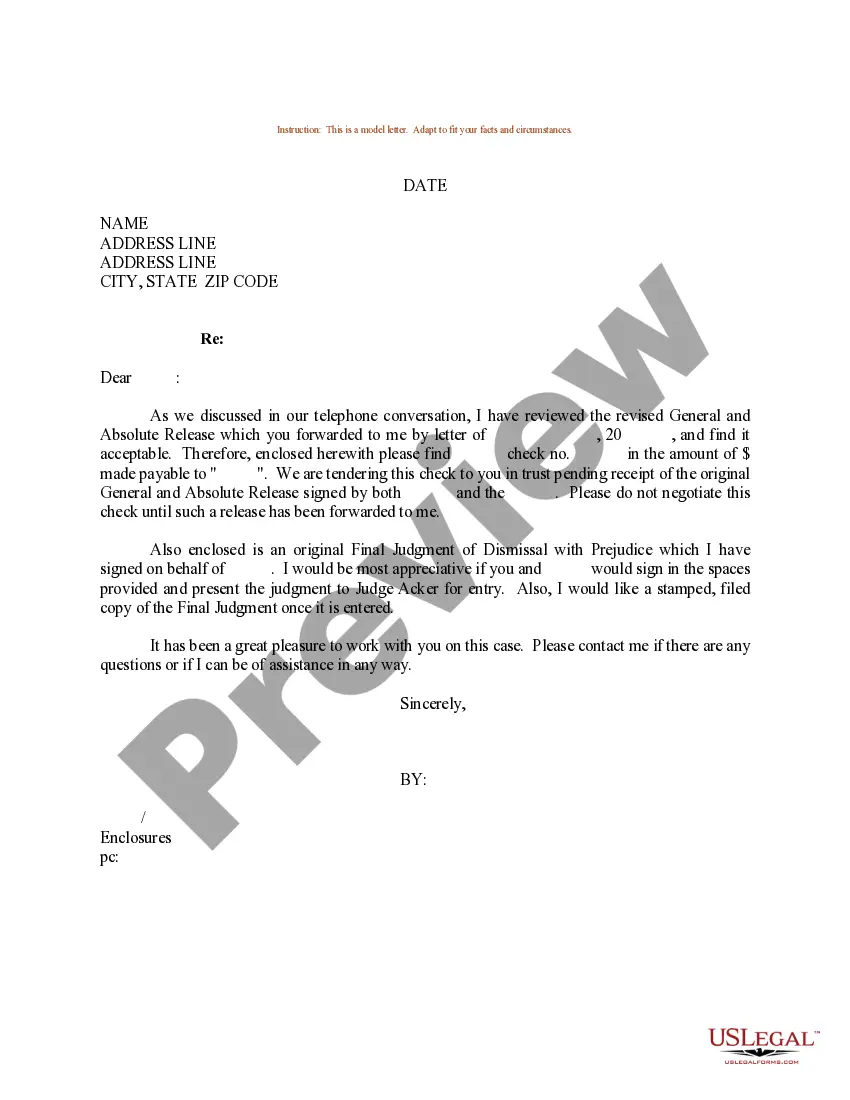
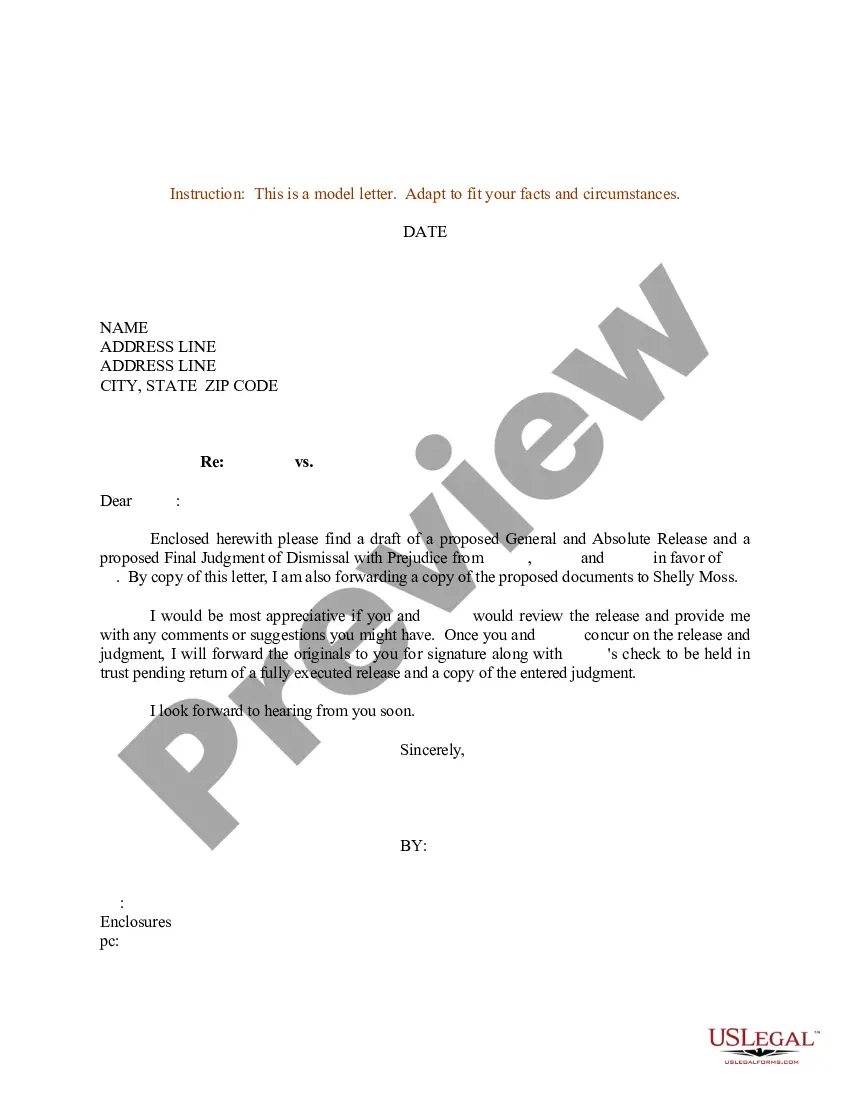
Get your form ready online
Our built-in tools help you complete, sign, share, and store your documents in one place.
Make edits, fill in missing information, and update formatting in US Legal Forms—just like you would in MS Word.
Download a copy, print it, send it by email, or mail it via USPS—whatever works best for your next step.
Sign and collect signatures with our SignNow integration. Send to multiple recipients, set reminders, and more. Go Premium to unlock E-Sign.
If this form requires notarization, complete it online through a secure video call—no need to meet a notary in person or wait for an appointment.
We protect your documents and personal data by following strict security and privacy standards.

Make edits, fill in missing information, and update formatting in US Legal Forms—just like you would in MS Word.

Download a copy, print it, send it by email, or mail it via USPS—whatever works best for your next step.

Sign and collect signatures with our SignNow integration. Send to multiple recipients, set reminders, and more. Go Premium to unlock E-Sign.

If this form requires notarization, complete it online through a secure video call—no need to meet a notary in person or wait for an appointment.

We protect your documents and personal data by following strict security and privacy standards.
Looking for another form?








Form popularity
FAQ
How to Write a Relieving Letter word format? Introduction. Start with a courteous introduction addressed to the departing employee. Statement of Termination. Reason for Departure. Highlight Achievements. Appreciation. Clearance Status. Future Success Wishes. Closing.
How to complete request for release letter sample Begin with a proper salutation and introduction. Clearly explain the reasons for the request. Express gratitude and appreciation. Close the letter with a polite closing and your contact information. Proofread the letter for any errors or inconsistencies.
You can write it your way or use this directly. Whomsoever it may concern, (employee name) has worked for (mention service tenure) with (department name and company). He/ She has cleared all her dues during her notice period and has been relieved from his/her services in the (department, company name).
Termination letters usually include details such as: The date of termination. The reason for the termination (while not always required, many include it) Any severance benefits or other compensation the employee is entitled to. Instructions for the return of company property.
It is proof of your experience and your subsequent release from all duties from the previous organisation and is required as you join a new company. Your previous HR manager or immediate superior may issue it to you on your last working day, or when you send a request for the relieving letter to the concerned person.
Relieving letter format Date of issue. Employee information, including their name, title and department. Company name. Subject line. Greeting or salutation. Information about the employee's resignation, including when they issued it and their last day of employment. Expression of gratitude. Signature.
Relieving Letter Format Employee Information. The first thing you have to write is details of employee information. Employer/Organizational Information. Then You have to put the entire details of you such as. Subject. Dates of Employment. Body of the letter. Formalities. Signatures. Contact Information.
Relieving letter format Date of issue. Employee information, including their name, title and department. Company name. Subject line. Greeting or salutation. Information about the employee's resignation, including when they issued it and their last day of employment. Expression of gratitude. Signature.
It is the policy of the Department of General Services (DGS) that an employee reference check shall be conducted on all appointments, regardless of the appointment method. From a sound personnel management perspective, conducting thorough reference checks is the best method to identify potential problem employees.
Job performance reference checks Washington state law (RCW 4.24. 730) provides protection for an employer who responds to a prospective employer's request for job performance reference information about a current or former employee.

