Release With Prejudice Without A Lawyer In Suffolk
Description

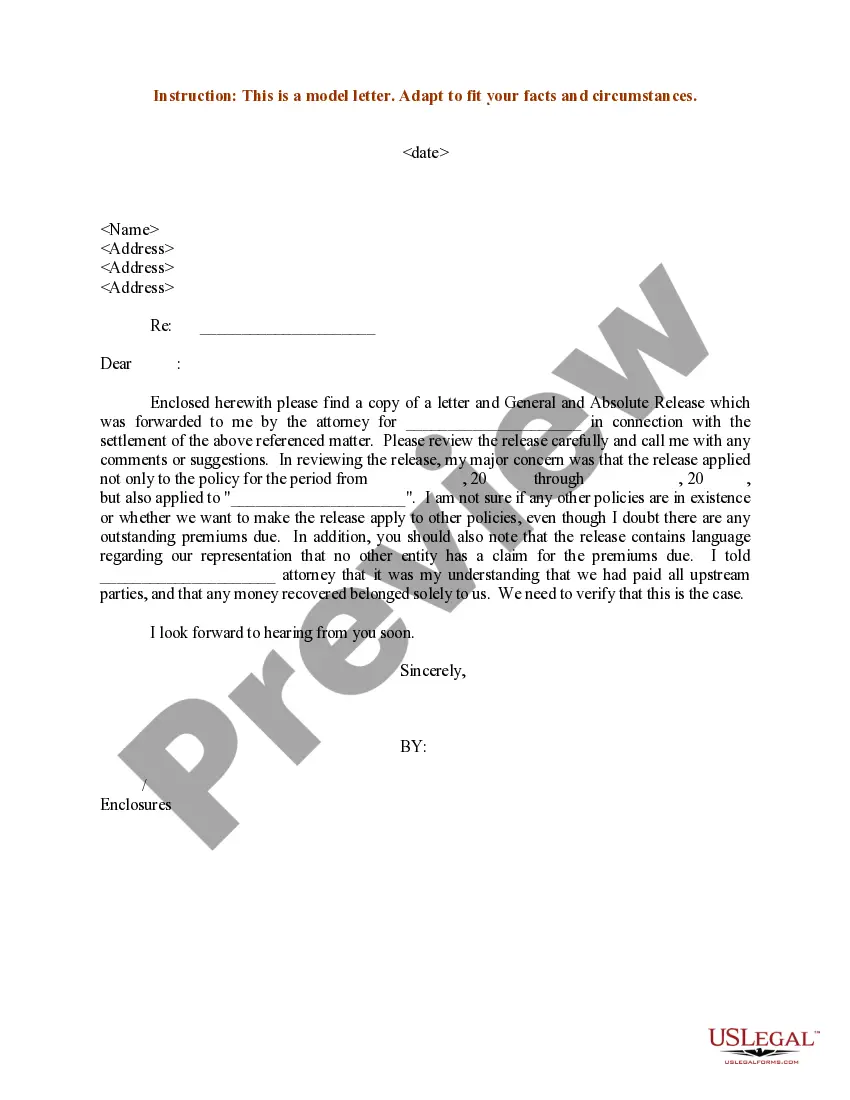


Get your form ready online
Our built-in tools help you complete, sign, share, and store your documents in one place.
Make edits, fill in missing information, and update formatting in US Legal Forms—just like you would in MS Word.
Download a copy, print it, send it by email, or mail it via USPS—whatever works best for your next step.
Sign and collect signatures with our SignNow integration. Send to multiple recipients, set reminders, and more. Go Premium to unlock E-Sign.
If this form requires notarization, complete it online through a secure video call—no need to meet a notary in person or wait for an appointment.
We protect your documents and personal data by following strict security and privacy standards.

Make edits, fill in missing information, and update formatting in US Legal Forms—just like you would in MS Word.

Download a copy, print it, send it by email, or mail it via USPS—whatever works best for your next step.

Sign and collect signatures with our SignNow integration. Send to multiple recipients, set reminders, and more. Go Premium to unlock E-Sign.

If this form requires notarization, complete it online through a secure video call—no need to meet a notary in person or wait for an appointment.

We protect your documents and personal data by following strict security and privacy standards.
Looking for another form?










Form popularity
FAQ
Seven Tips When Representing Yourself In Court Make a good impression. If you dress nicely, it tells the judge that you respect the courtroom and care about your case. Be respectful. Know what to ask. Arrive early. Tell your story. Come prepared. Use a lawyer if you need help.
Simply cite the law and make your argument and if you can, show that the other side is misstating evidence or the law. Be courteous with all court staff. Be courteous to witnesses and jurors. Look jurors in the eye. Prepare and be ready. Know where your exhibits are. Have your exhibits marked and ready to offer.
Has Anyone Ever Won a Court Case Representing Themselves? Litigants have won court cases when they represent themselves. But pro se litigants are more likely to lose than win their cases.
Seven Tips When Representing Yourself In Court Make a good impression. If you dress nicely, it tells the judge that you respect the courtroom and care about your case. Be respectful. Know what to ask. Arrive early. Tell your story. Come prepared. Use a lawyer if you need help.
Don't lie about anything, not even white small lies. If you are discovered to be lying, the judge may find it hard to believe you when you are telling the truth. Don't argue with the questioner. Don't ask questions back: “What would you do if…”
Other motions to dismiss ask for dismissal with prejudice. This means that the case can't be started again. For example, if the case is legally time barred by the statute of limitations or the plaintiff or petitioner does not have the right to start the case.
Steps to File a Motion to Dismiss Review the Complaint Thoroughly. Carefully read the plaintiff's complaint to identify any legal deficiencies. Research Relevant Laws and Precedents. Draft the Motion. Include a Conclusion. File the Motion with the Court.
Common Grounds for Filing a Motion to Dismiss. Lack of Subject Matter Jurisdiction. Lack of Personal Jurisdiction. Improper Venue. Insufficient Service of Process.
If you see a potential for a motion to dismiss, this is an opportunity to inform the client how much legal expertise is necessary for such a filing. In other words, they will be facing a daunting challenge trying to represent themselves and will likely need an attorney more than ever.
Conclusion: Going to small claims court may be worth it for $500, but it will determine how you weigh your costs versus benefits. At a minimum, it is worth it to send a demand letter.