Release With Prejudice Without Prejudice In Orange
Description

Form popularity
FAQ
You must complete and file a document called a Notice of Appeal in a timely manner. Depending on the type of civil claim and your jurisdiction, you may have as little as 30 days to file a Notice of Appeal. Once a case is dismissed with prejudice, the clock starts running.
Dismissal without prejudice means that the judge dismissed the plaintiff's or prosecutor's case without damaging their right to have their matter heard in court later. A prosecutor may ask to withdraw the case against a person to have more time to make a case stronger, find more evidence or question other witnesses.
Steps to File a Motion to Dismiss Review the Complaint Thoroughly. Carefully read the plaintiff's complaint to identify any legal deficiencies. Research Relevant Laws and Precedents. Draft the Motion. Include a Conclusion. File the Motion with the Court.
So if a case is dismissed without prejudice, the plaintiff may have a limited amount of time in which to re-file the complaint. Once the two-year deadline expires, so does the plaintiff's chance of re-filing the complaint. So clearly, time is of the essence when a case is dismissed without prejudice.
One of the most common reasons for the court to dismiss a criminal case is insufficient evidence.
Dismissal without prejudice is a legal term indicating that charges have been dismissed but can be refiled at some point. Charges may be dismissed without prejudice at the prosecutor's request, or they may be dismissed at the judge's discretion.
District Courts may dismiss with prejudice where the plaintiff acted irresponsibly or in bad faith, or where rehearing the claim would burden the court system.
It is a “final disposition” and the idea behind a dismissal with prejudice is that a plaintiff's claim has been resolved adversely to the plaintiff, whether or not it is on the merits or it is barred from recovery (e.g. sovereign immunity or the statute of limitations).
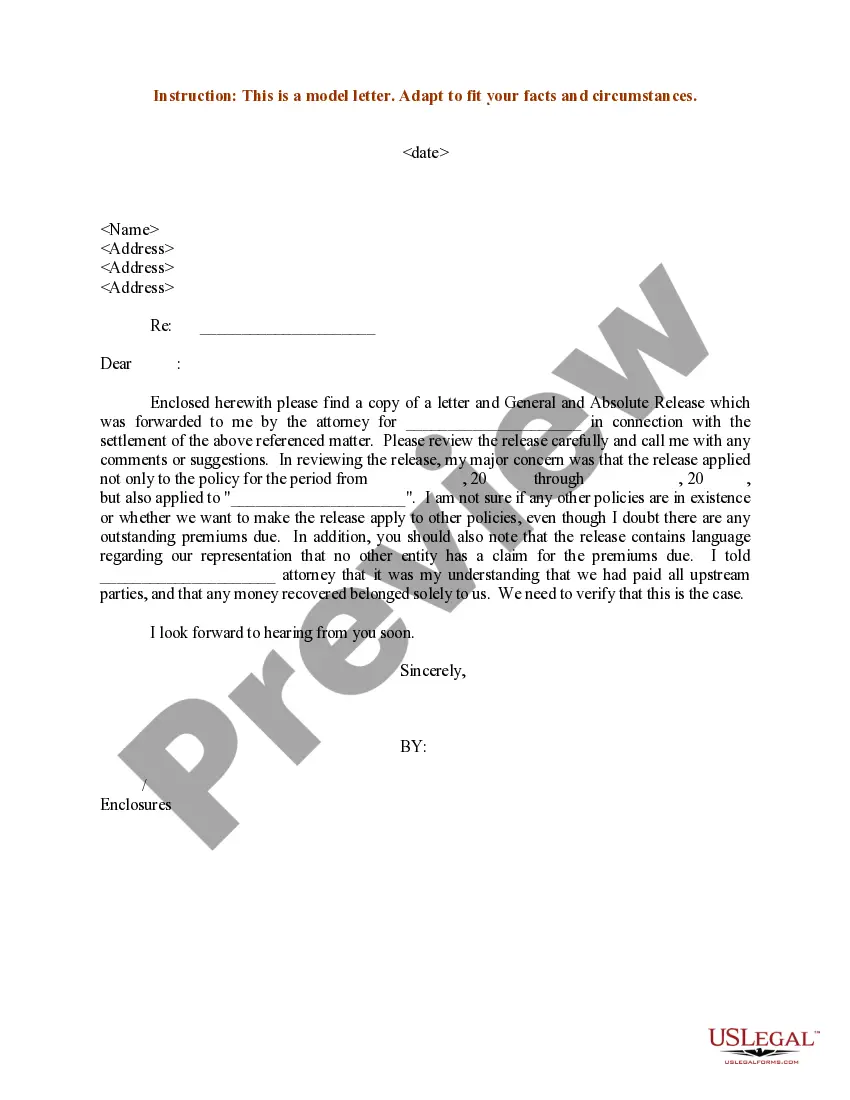
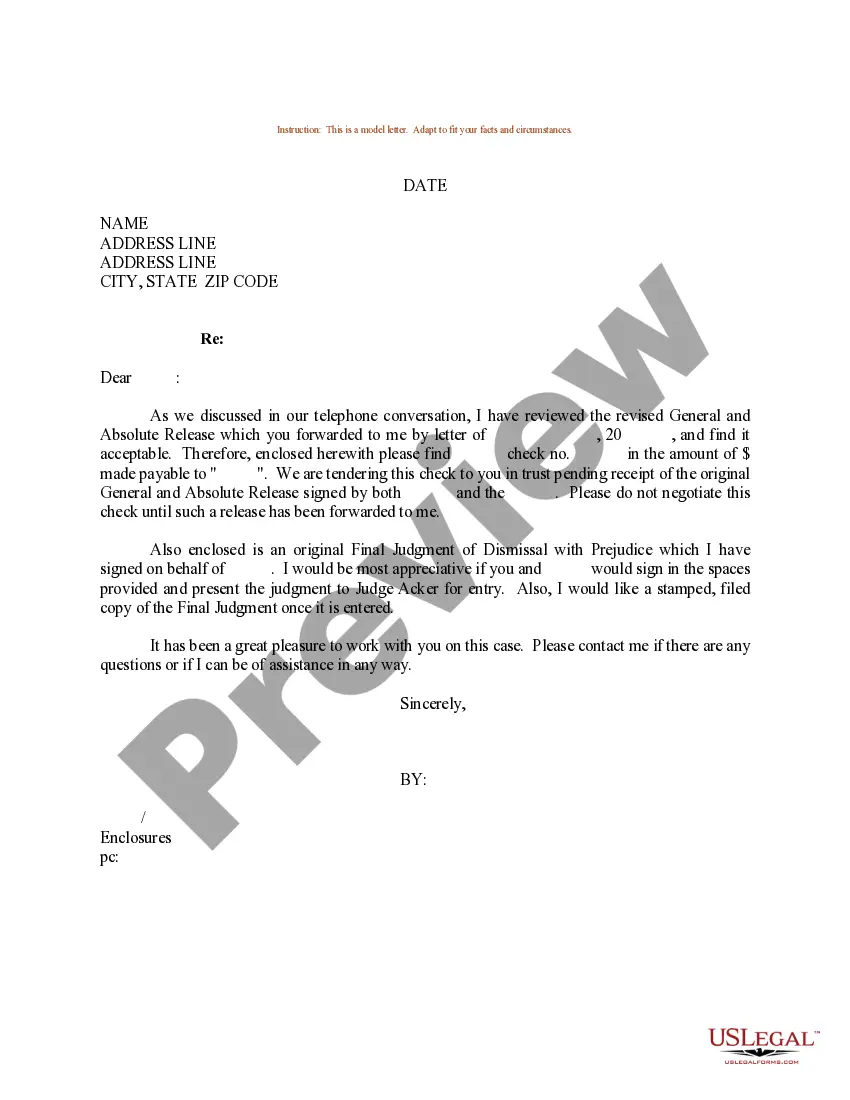
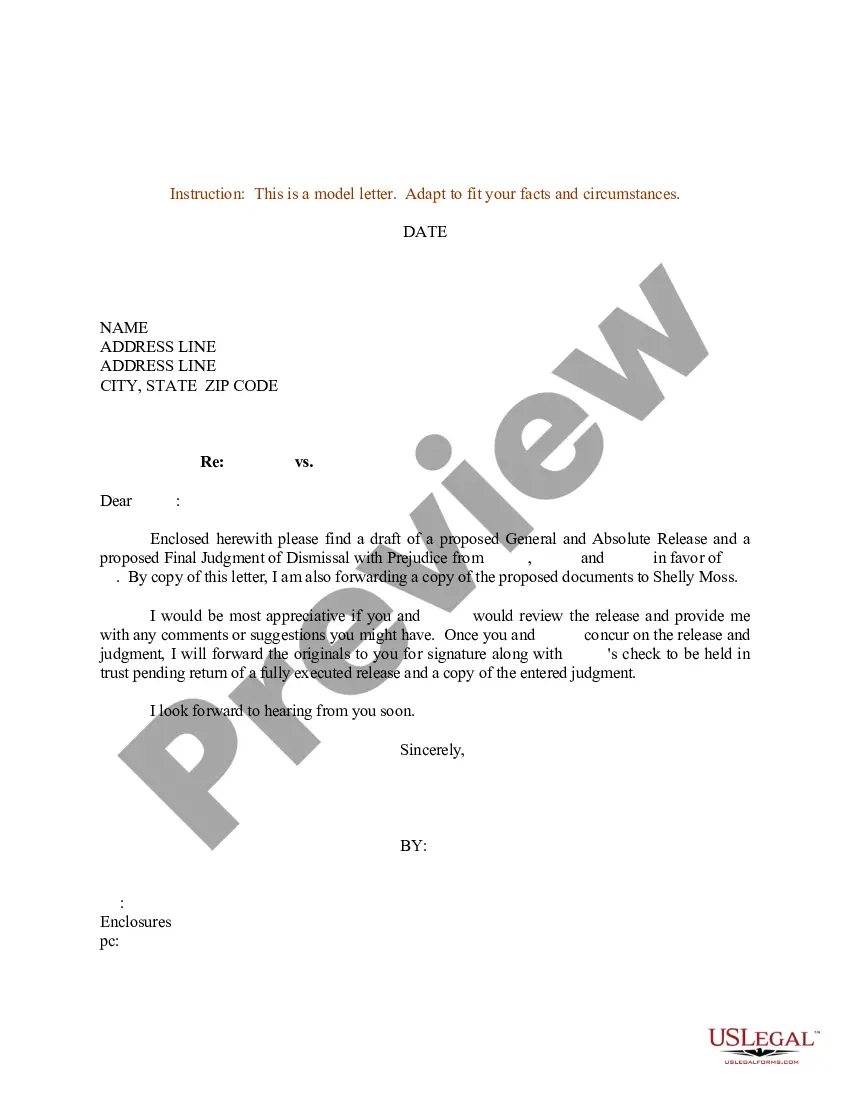
What does "with prejudice" or "without prejudice" mean? With prejudice means that you can't file a new civil case against this defendant about the same issues you put in the Complaint you filed. The dismissal is final. The case is over and done with.
Within legal civil procedure, prejudice is a loss or injury, and refers specifically to a formal determination against a claimed legal right or cause of action. Thus, in a civil case, dismissal without prejudice is a dismissal that allows for re-filing of the case in the future.

