Release Letter Sample With Greetings In Nevada
Description

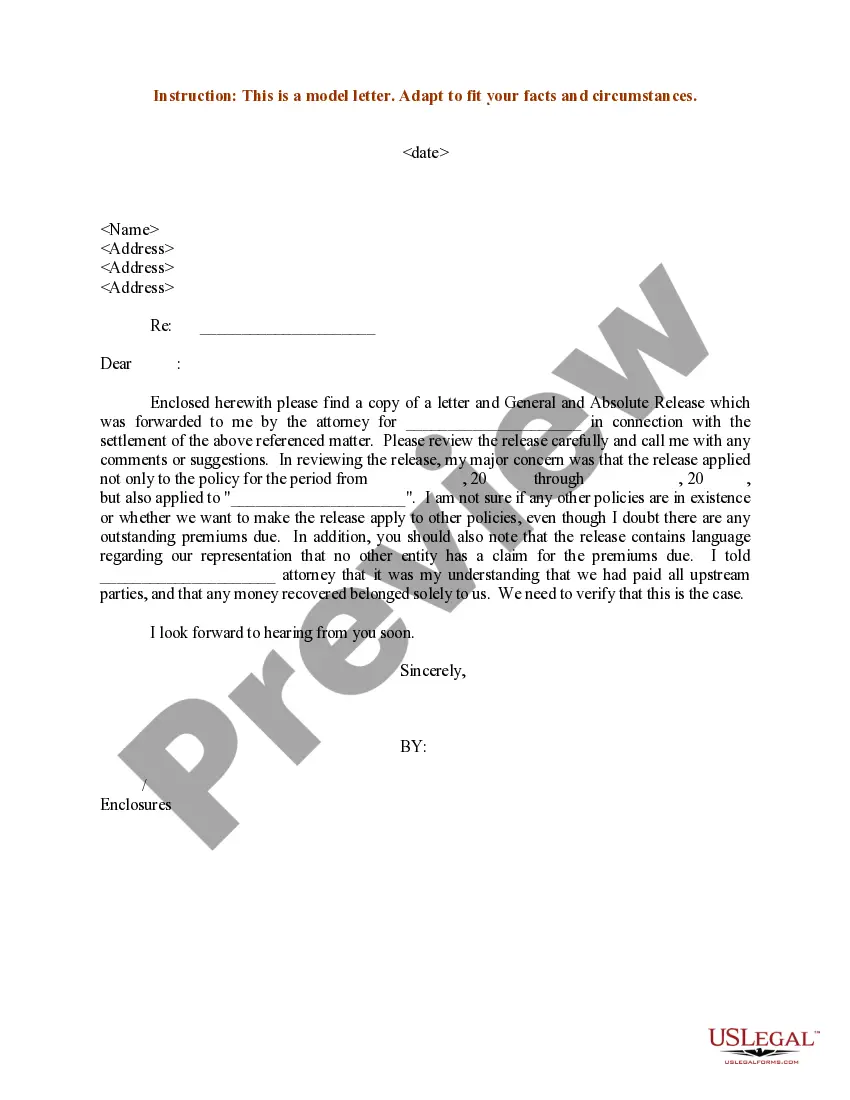
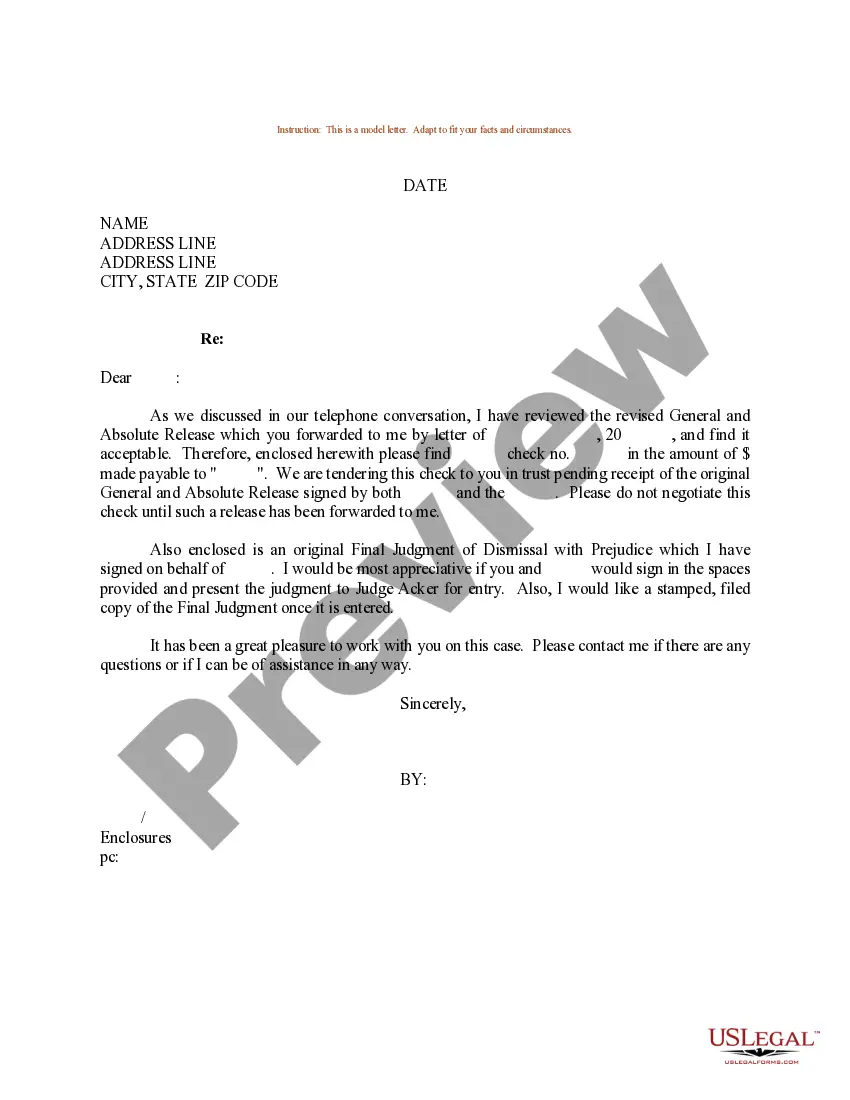
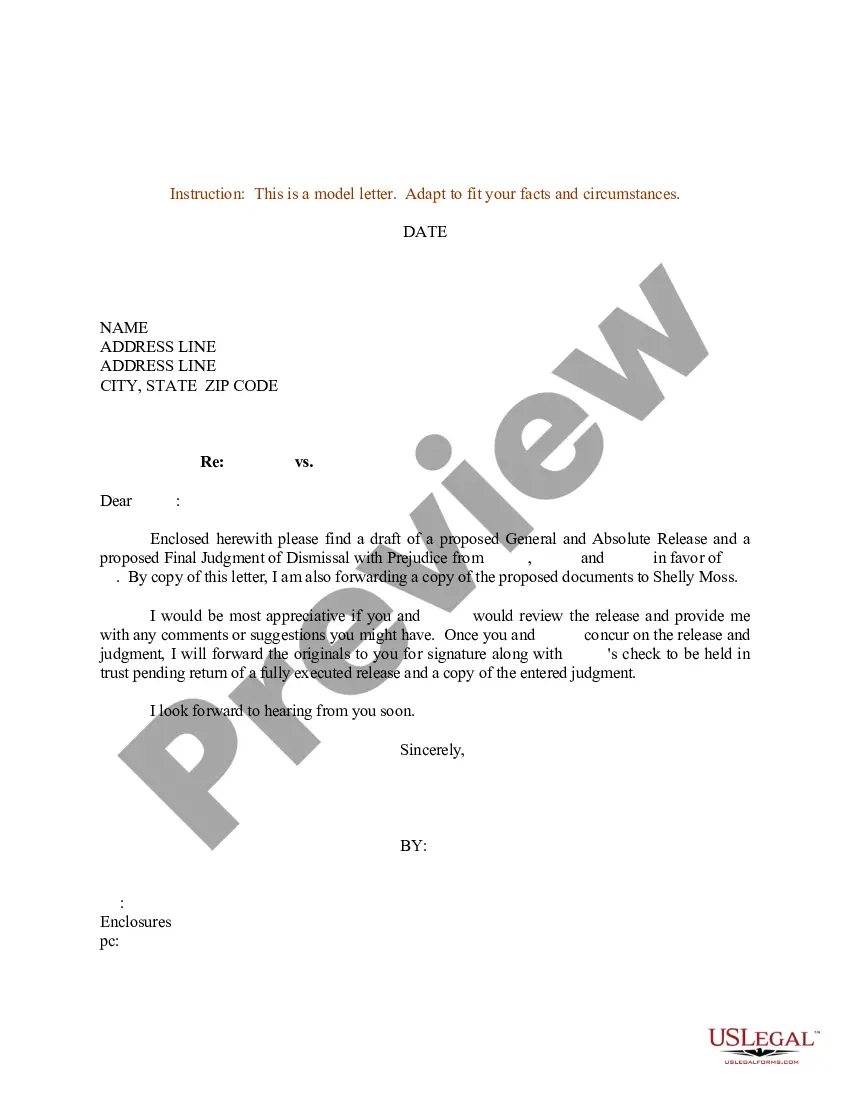
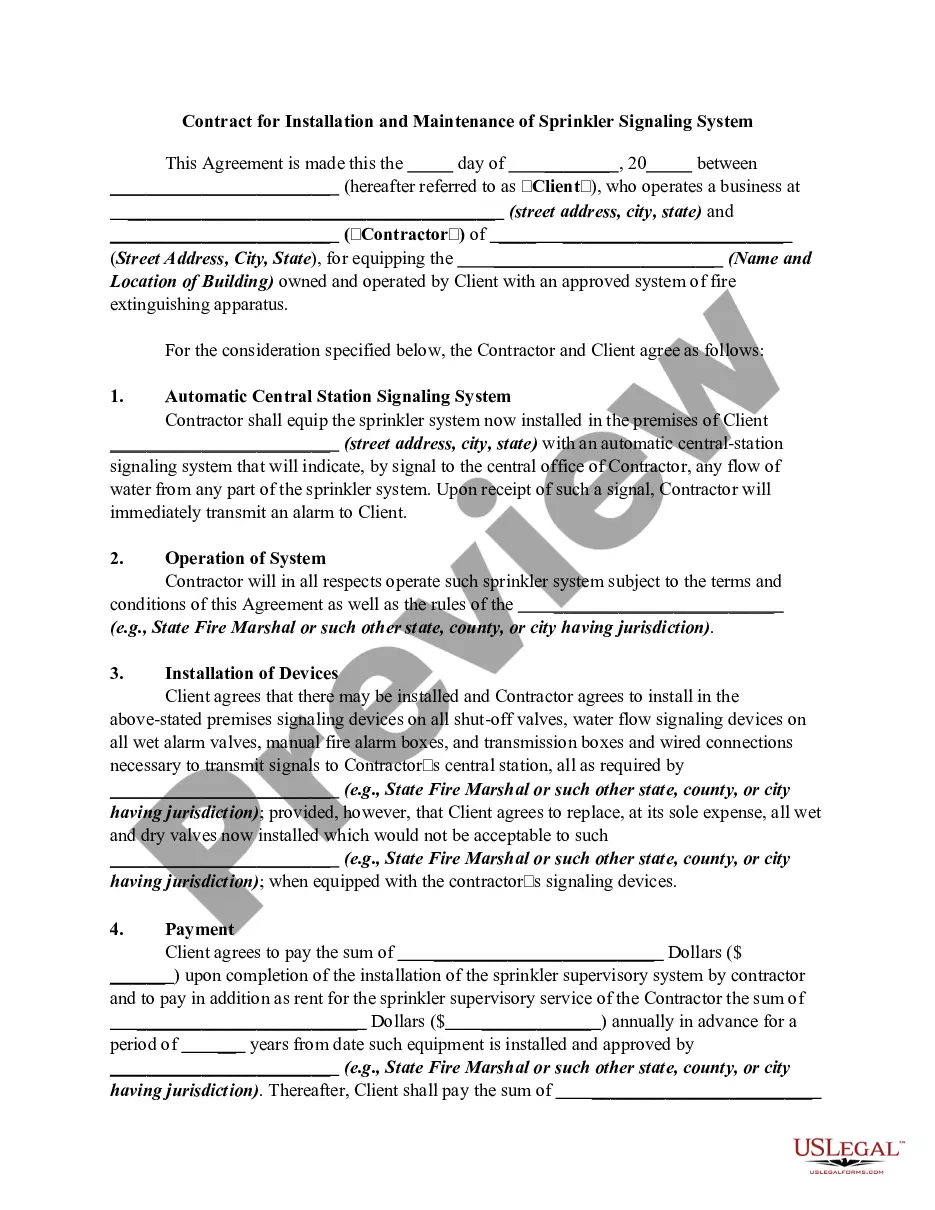
Get your form ready online
Our built-in tools help you complete, sign, share, and store your documents in one place.
Make edits, fill in missing information, and update formatting in US Legal Forms—just like you would in MS Word.
Download a copy, print it, send it by email, or mail it via USPS—whatever works best for your next step.
Sign and collect signatures with our SignNow integration. Send to multiple recipients, set reminders, and more. Go Premium to unlock E-Sign.
If this form requires notarization, complete it online through a secure video call—no need to meet a notary in person or wait for an appointment.
We protect your documents and personal data by following strict security and privacy standards.

Make edits, fill in missing information, and update formatting in US Legal Forms—just like you would in MS Word.

Download a copy, print it, send it by email, or mail it via USPS—whatever works best for your next step.

Sign and collect signatures with our SignNow integration. Send to multiple recipients, set reminders, and more. Go Premium to unlock E-Sign.

If this form requires notarization, complete it online through a secure video call—no need to meet a notary in person or wait for an appointment.

We protect your documents and personal data by following strict security and privacy standards.
Looking for another form?








Form popularity
FAQ
The letter should highlight positive traits, achievements, community involvement, and any efforts at rehabilitation or remorse. The goal is to persuade the judge to consider a more lenient sentence or to understand the individual's actions in a broader context.
Tips for an Effective Character Letter To a Judge in California Understand the Purpose of a Character Letter. Use Specific Anecdotes Over General Praise. Address the Impact on the Defendant's Support Network. Maintain Respect For the Court. Respect the Judge's Time. Align Your Expectations with Reality.
Magistrate Judges should have this title after their name (“The Honorable First M. Last, Magistrate Judge”). It will still be “Dear Judge Last” after that. Commissioners should also have this title after their name (“The Honorable First M.
Write the Salutation If you are addressing it to a member of the court staff, type "Dear Ms. Smith:" and include a colon after the person's name. If you are addressing the letter generally, type "Dear Clerk of Court:" and include a colon after the last word.
The greeting appears two lines below the employer's address and should be “Dear Mr.,” “Dear Ms.,” “Dear Mx.,” “Dear First Name LastName,” or “Dear Judge.” When possible, avoid addressing your letter generally, such as Dear Sir or Madam, or “To Whom It May Concern”; instead take the time to find the contact person ...
1. Use formal language: Address the judge as "Honorable Full Name". 2. Include proper titles: Use "Dear Judge Last Name" as the salutation.
In person: In an interview, social event, or in court, address a judge as “Your Honor” or “Judge last name.” If you are more familiar with the judge, you may call her just “Judge.” In any context, avoid “Sir” or “Ma'am.” Special Titles.
Sample Format for a Character Letter First Paragraph: Explain who you are. Second Paragraph: Explain why you are writing the letter. Third Paragraph: Thank the court, and make your “ask.” State that you are available to confirm the facts in this letter as necessary.
It might be good to include, from personal experience, a specific and heartwarming example of your son's generous, kind, and/or loving character. A more general letter about a lengthy and positive relationship in which your son has been a trustworthy and caring friend or family member is also helpful.
How To Write A Relieving Letter? Date of issuance. It is important to put the release date on top of the page. Employee details. Subject. Opening salutation. Employee resignation details. Assurance and appreciation. Closing salutation. Signature.

