Release Letter Sample For University In Mecklenburg
Description

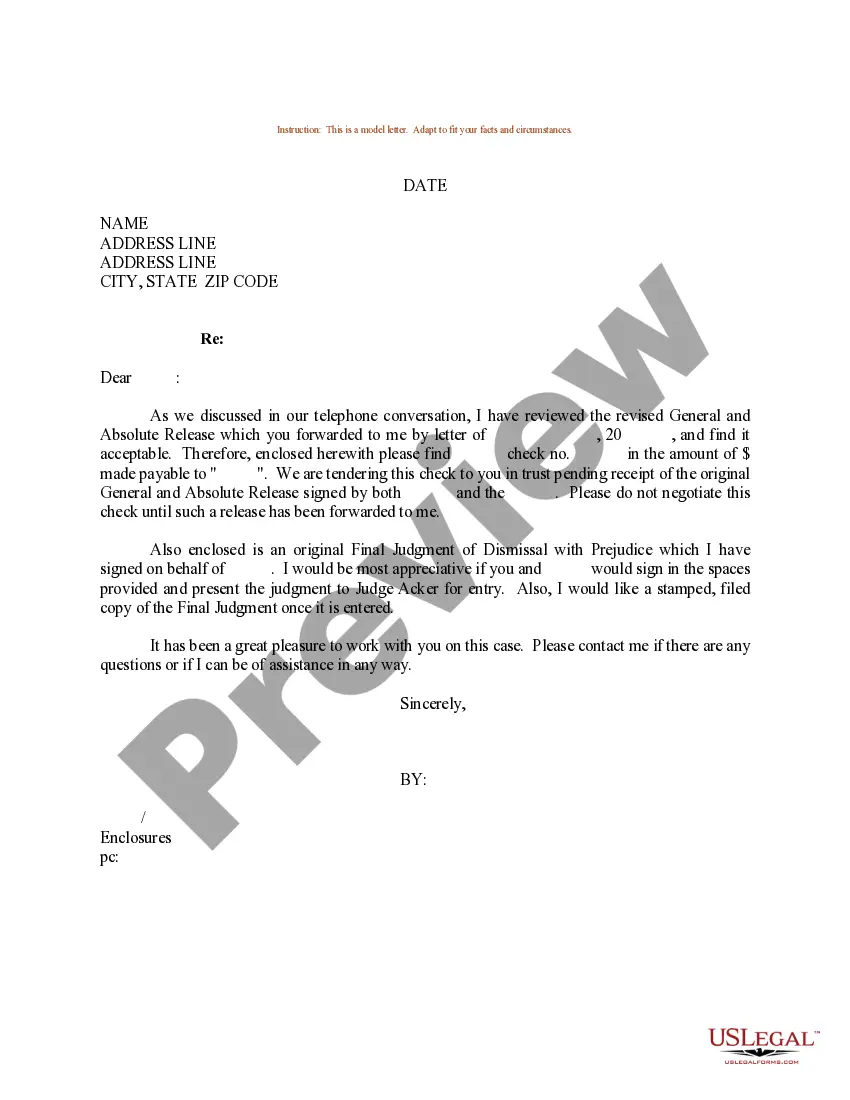
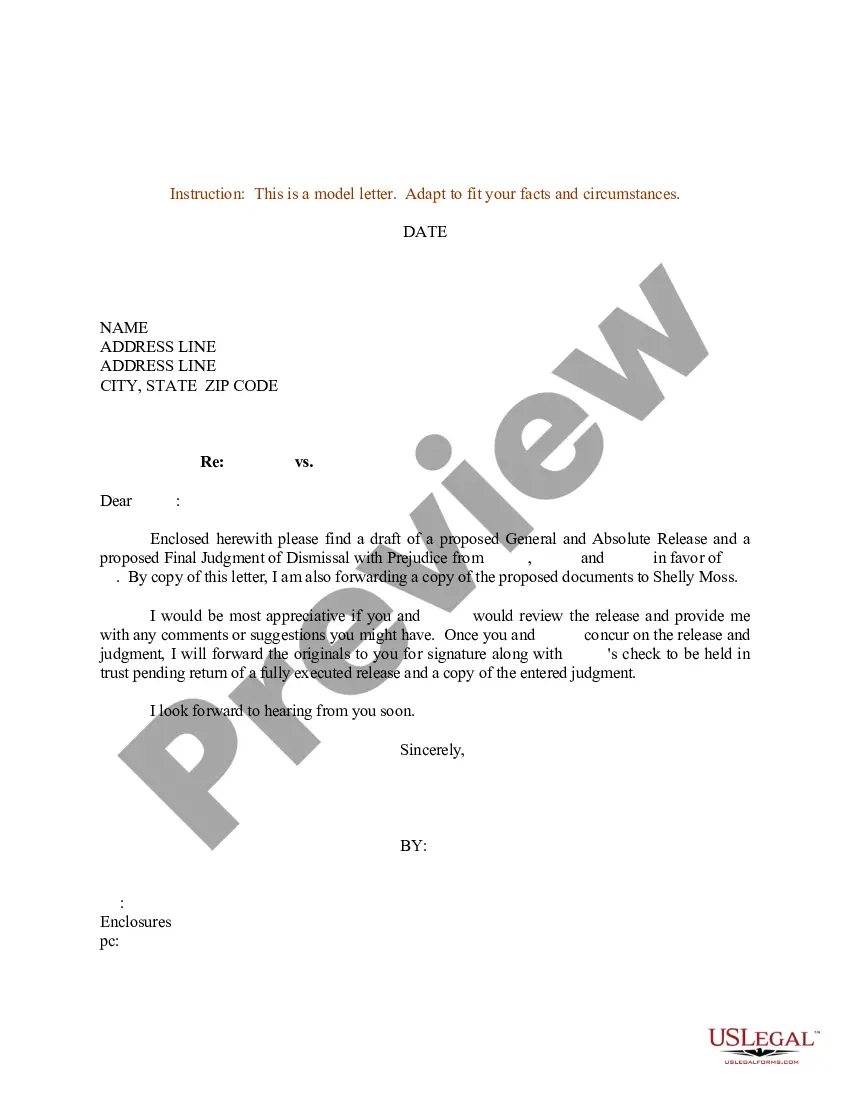
Get your form ready online
Our built-in tools help you complete, sign, share, and store your documents in one place.
Make edits, fill in missing information, and update formatting in US Legal Forms—just like you would in MS Word.
Download a copy, print it, send it by email, or mail it via USPS—whatever works best for your next step.
Sign and collect signatures with our SignNow integration. Send to multiple recipients, set reminders, and more. Go Premium to unlock E-Sign.
If this form requires notarization, complete it online through a secure video call—no need to meet a notary in person or wait for an appointment.
We protect your documents and personal data by following strict security and privacy standards.

Make edits, fill in missing information, and update formatting in US Legal Forms—just like you would in MS Word.

Download a copy, print it, send it by email, or mail it via USPS—whatever works best for your next step.

Sign and collect signatures with our SignNow integration. Send to multiple recipients, set reminders, and more. Go Premium to unlock E-Sign.

If this form requires notarization, complete it online through a secure video call—no need to meet a notary in person or wait for an appointment.

We protect your documents and personal data by following strict security and privacy standards.
Looking for another form?


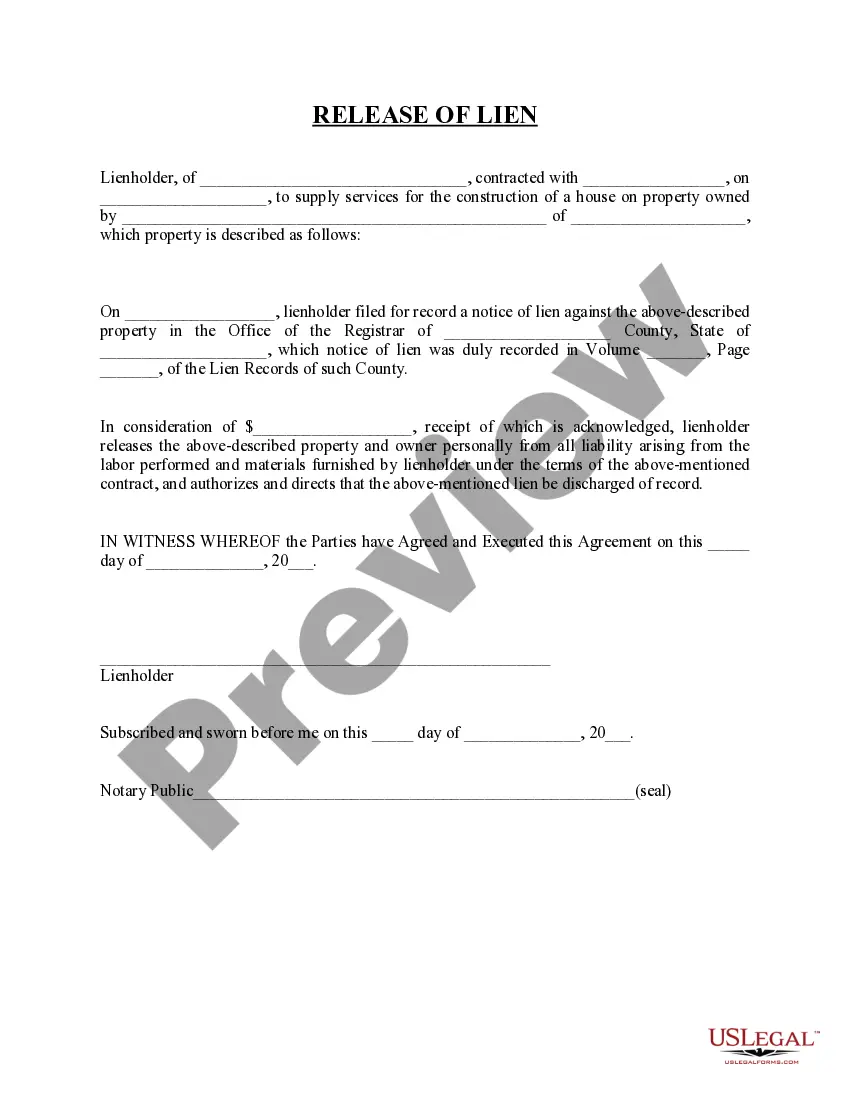

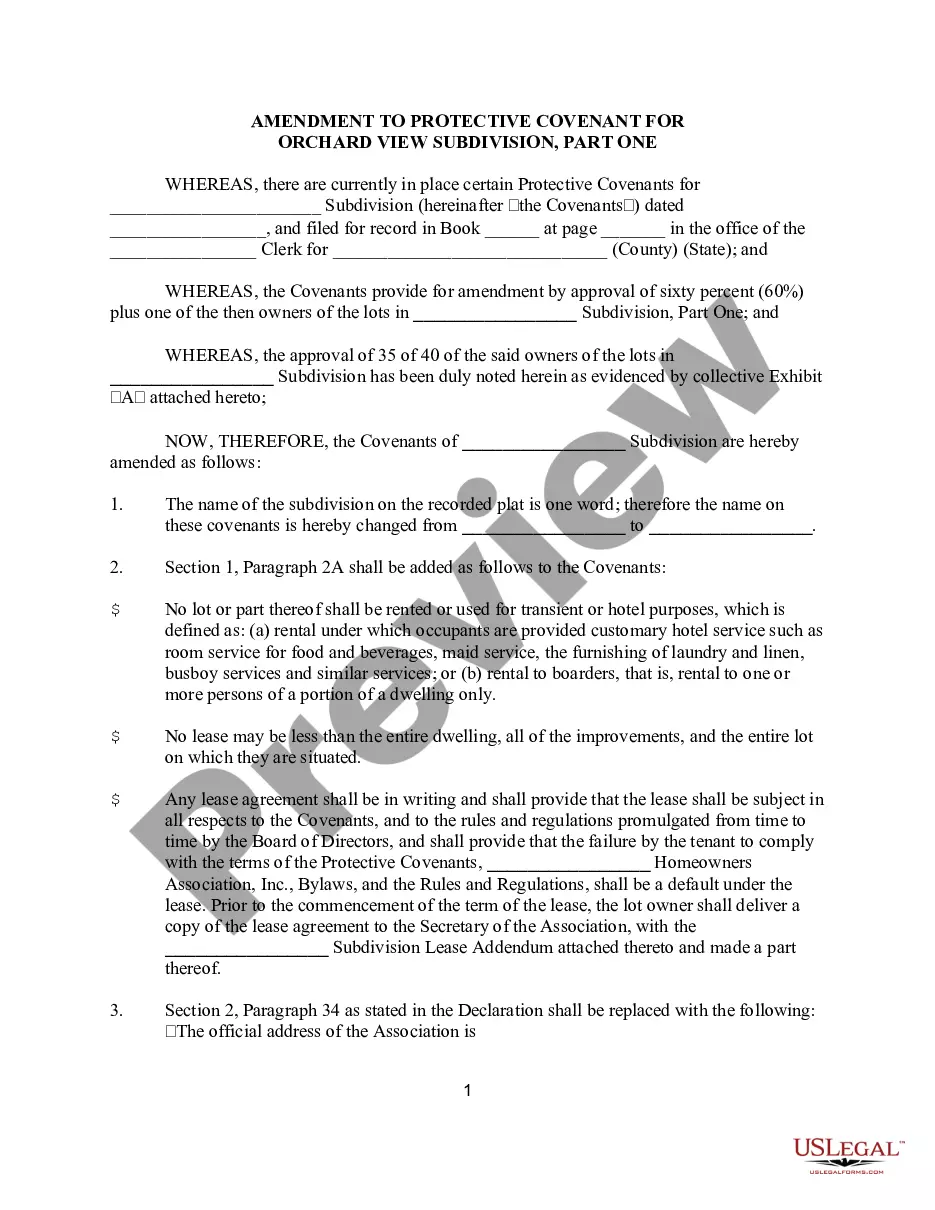
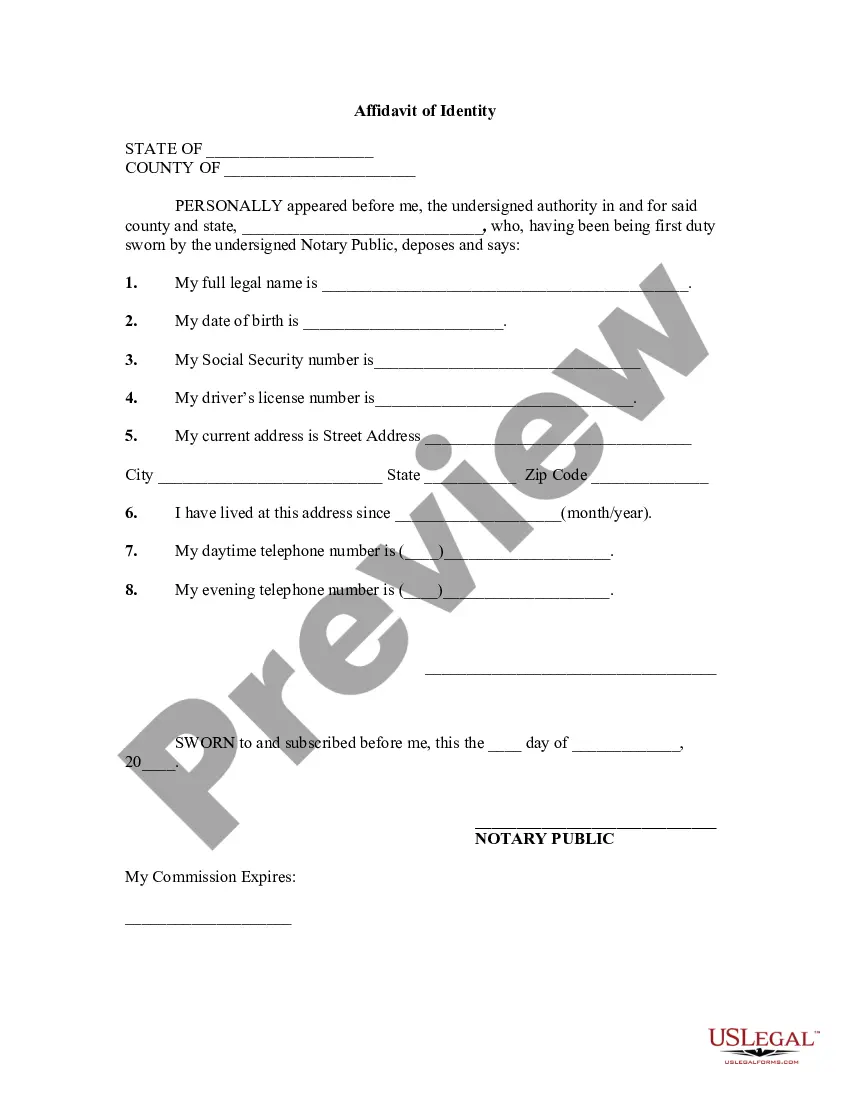

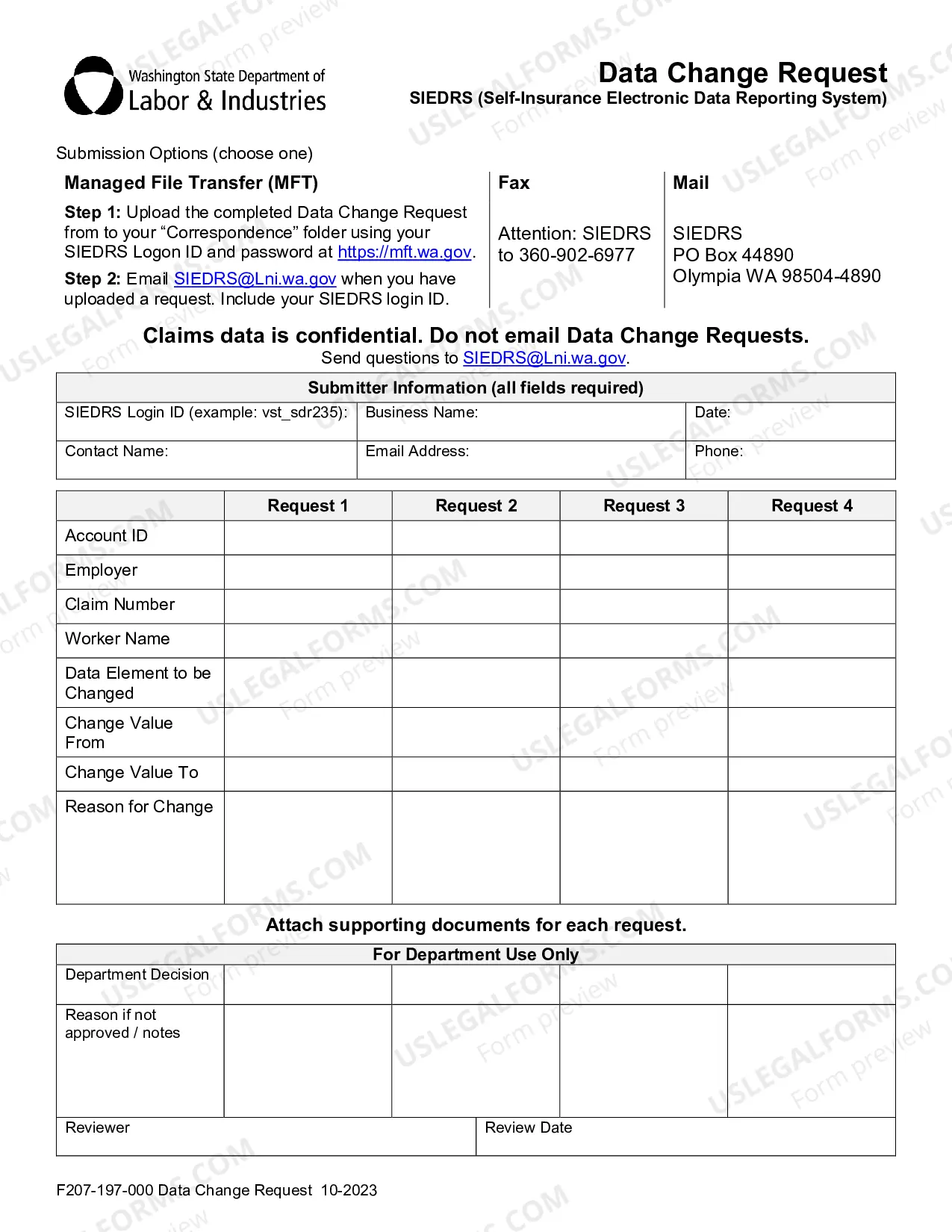
Form popularity
FAQ
What are the parts of a formal letter? Header (date/address/return address) Date: When you write a formal letter, it's crucial to include the date on which you wrote it. Salutation. In a formal letter, the standard salutation is “Dear” followed by the recipient's title and last name. Body. Closing. Signature.
How To Write A College Application Cover Letter? Write your personal details and date. Write the name of the admissions head and the college address. Write a salutation. Begin with the purpose of the cover letter. Write about your reason behind applying to the college. Write a concluding paragraph. Sign the letter.
Use these tips to help guide your writing: Research the college. Before you submit your application, find out more about the institution you're interested. Be concise. Keep your cover letter brief, to the point and a maximum of one page. Be specific. Emphasize your uniqueness. Proofread your cover letter.
Give examples of any related academic or work experience. Show you know what the course will involve and mention any special subjects you're interested in. Demonstrate who you are by listing any positions you've held, memberships of teams or societies, and interests and hobbies.
Follow these steps to write an impressive college admission letter: Write your name and street address. Include the date. Address people and institutions by name. Include a salutation. State your purpose for applying to the school. Explain why you want to attend their school. Write a conclusion. Include a sign-off.
A letter of release approving transfer must be obtained by an international student visa holder, seeking to transfer institutions within the first six months of study in their principal (mainstream) course (in addition to any prior preparatory study eg. Foundation, English, Diploma).
How to write an open letter: Step 1: Understand the format. Step 2: Read selected examples. Step 3: Decide whom you'd like to write to and what you want to say. Step 4: Write your first draft as a letter, not an essay. Step 5: Make sure the tone is appropriate to your audience and purpose.
Tips For Writing A Request For A Relieving Letter Request the release of your relieving letter before a specific date. Mention your date of transfer and employee ID. Specify the status of your exit formalities. Highlight your last date of work at the current branch. Keep the request mail crisp and to-the-point.
Release Letter means an unchangeable written promise by party, confirming the completion of specified obligations.
The key to writing a letter to your emotions is communicating your thoughts and feelings. To do so, ask yourself intentional questions about how this particular emotion has recently surfaced in your life. Then, write down the answers as though you are talking to the emotion itself.

