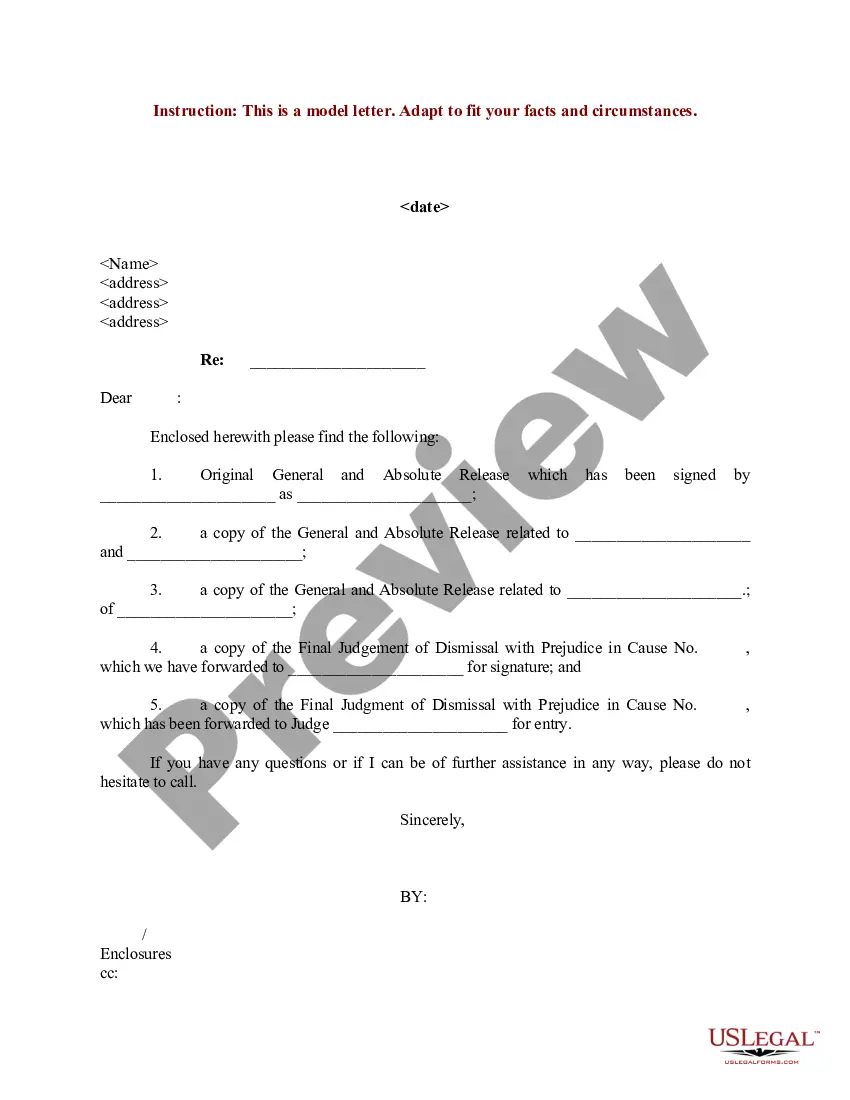
Release With Prejudice Without A Lawyer In Massachusetts
Description

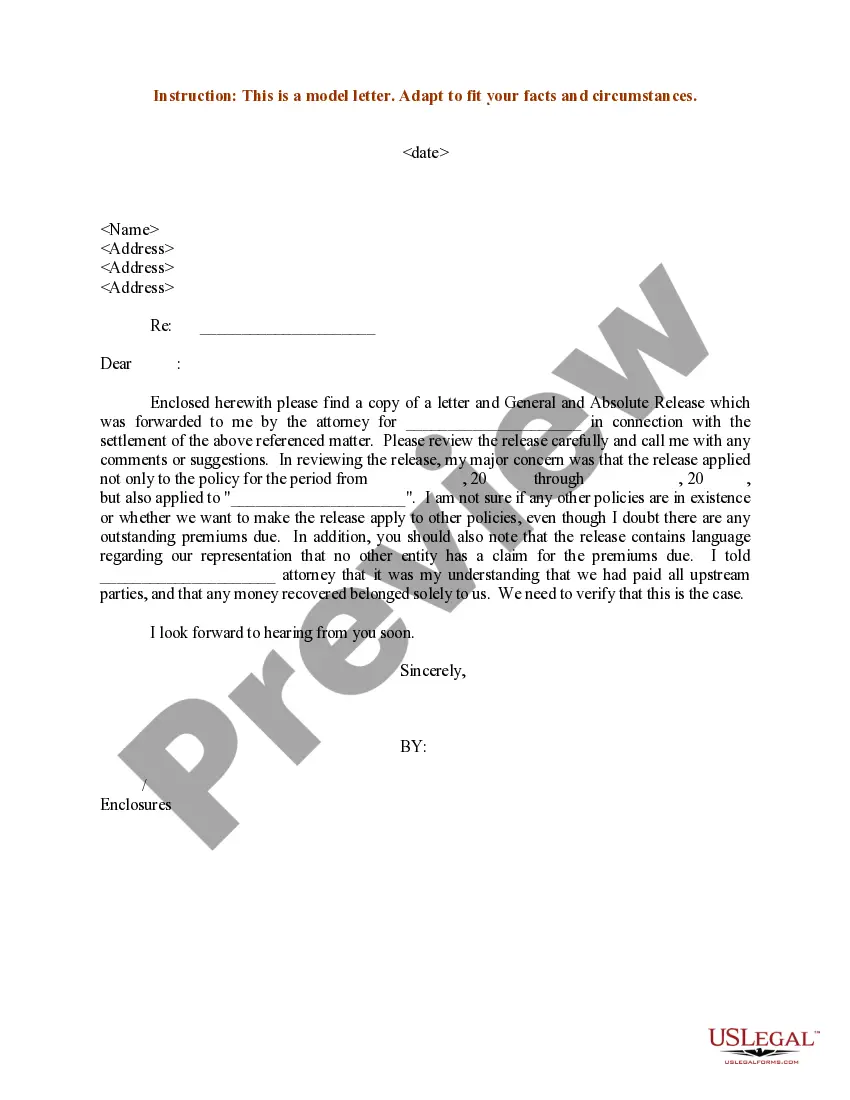
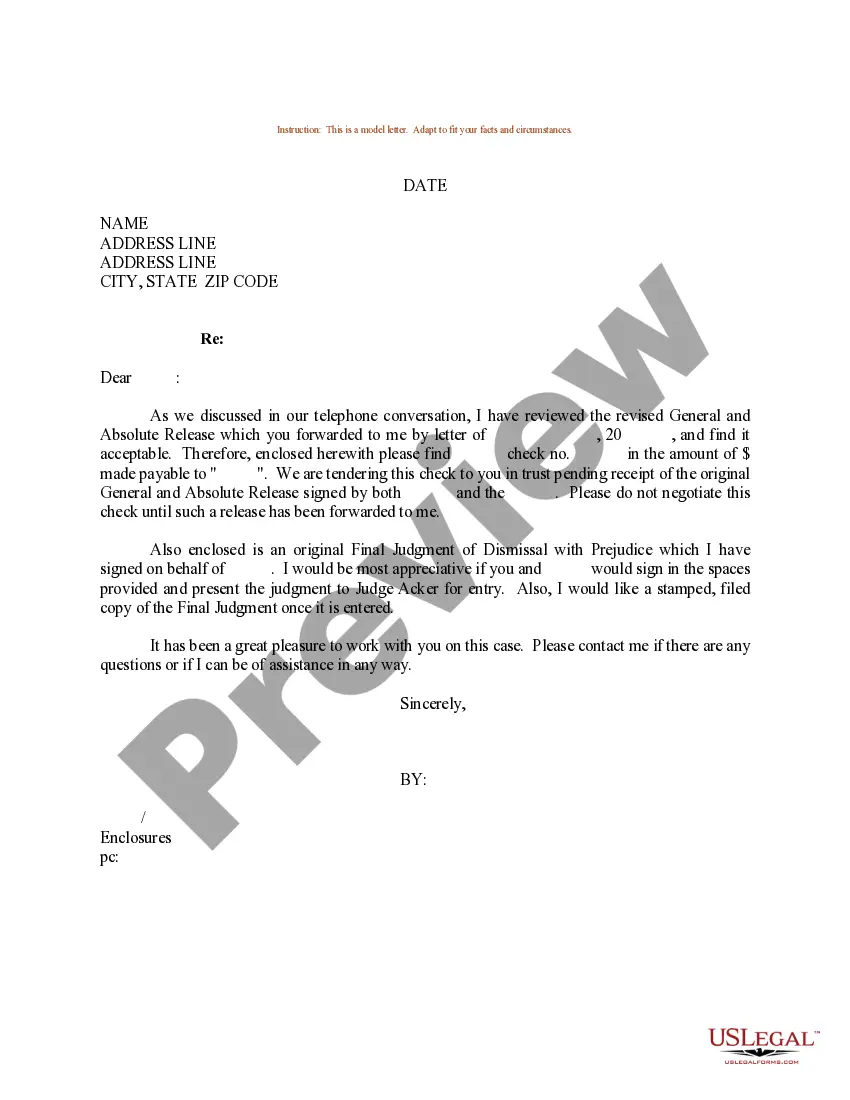
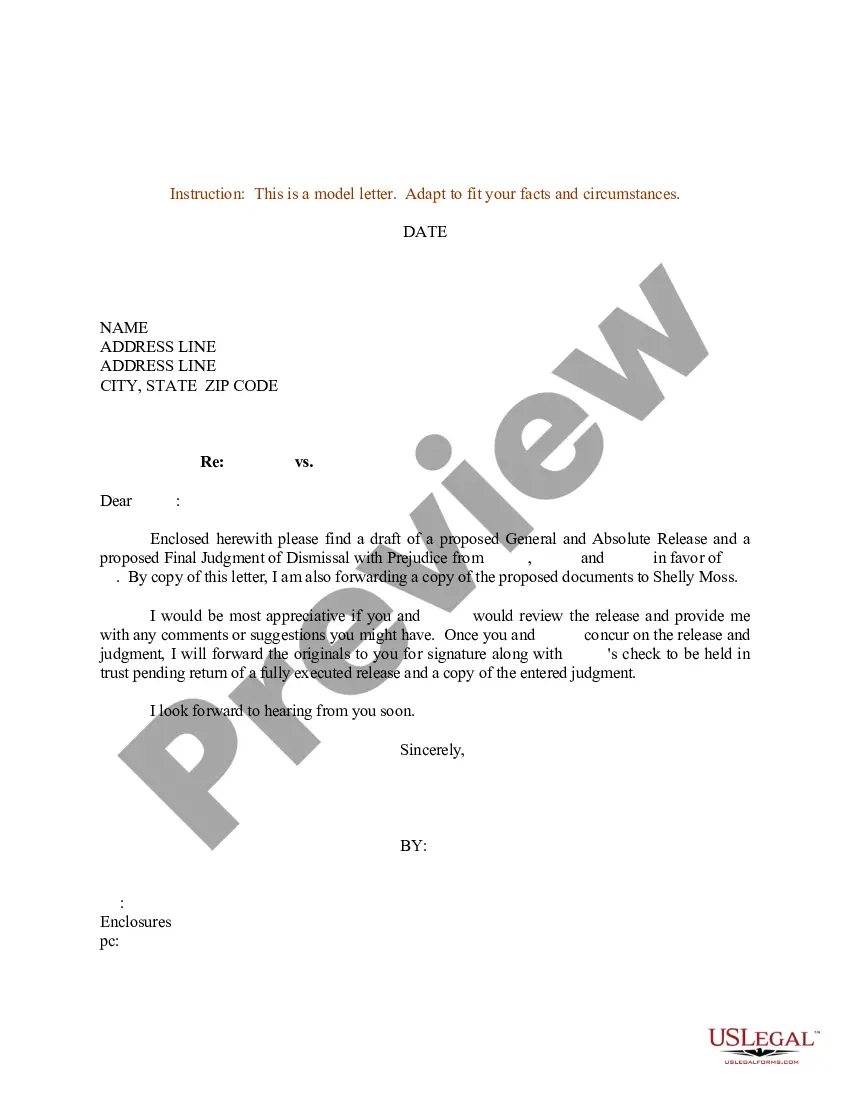
Get your form ready online
Our built-in tools help you complete, sign, share, and store your documents in one place.
Make edits, fill in missing information, and update formatting in US Legal Forms—just like you would in MS Word.
Download a copy, print it, send it by email, or mail it via USPS—whatever works best for your next step.
Sign and collect signatures with our SignNow integration. Send to multiple recipients, set reminders, and more. Go Premium to unlock E-Sign.
If this form requires notarization, complete it online through a secure video call—no need to meet a notary in person or wait for an appointment.
We protect your documents and personal data by following strict security and privacy standards.

Make edits, fill in missing information, and update formatting in US Legal Forms—just like you would in MS Word.

Download a copy, print it, send it by email, or mail it via USPS—whatever works best for your next step.

Sign and collect signatures with our SignNow integration. Send to multiple recipients, set reminders, and more. Go Premium to unlock E-Sign.

If this form requires notarization, complete it online through a secure video call—no need to meet a notary in person or wait for an appointment.

We protect your documents and personal data by following strict security and privacy standards.
Looking for another form?
Form popularity
FAQ
So in other words. If you've defaulted if you haven't answered a complaint. If you haven't shown upMoreSo in other words. If you've defaulted if you haven't answered a complaint. If you haven't shown up for the legal proceedings. And the judgment has entered against. You.
You need to file a Schedule C if: You're a sole proprietor. You received a Form 1099-MISC or a Form 1099-K for self-employment income. You received a Form 1099-NEC for nonemployee compensation. You received a Form W-2, Wage and Tax Statement as a "Statutory Employee" (oval on Massachusetts Schedule C must be filled in)
Rule Prof. C. 4.4(b) states as follows: A lawyer who receives a document or electronically stored information relating to the representation of the lawyer's client and knows or reasonably should know that the document or electronically stored information was inadvertently sent shall promptly notify the sender.
Known popularly as the people's court, small claims court is an informal and inexpensive forum to help you settle disputes of $7,000 or less.
Under Rule 5(b), service may be made by mailing the paper to the party or attorney at his last known address; if no address is known, the paper may be left with the clerk of court. Prior Massachusetts practice made no provision in cases where the address was unknown.
When a court dismisses an action, they can either do so “with prejudice” or “without prejudice.” Dismissal with prejudice means that the plaintiff cannot refile the same claim again in that court.
Rule 41(a) (2) deals with a dismissal by order of the court, which may be upon such terms as the court deems proper. It further provides that voluntary dismissal cannot defeat a counterclaim already pleaded. A dismissal under this paragraph is without prejudice unless otherwise specified in the order.
Rule 4(c) permits special court appointment of process servers. Rule 4(d) somewhat changes the Massachusetts rule that in actions of tort or contract, not involving an attachment, the summons need not contain a copy of the declaration.
One of the most common reasons for the court to dismiss a criminal case is insufficient evidence.
Whereas a case that is dismissed “with prejudice” is dismissed permanently, a case that is dismissed “without prejudice” is only dismissed temporarily. This temporary dismissal means that the plaintiff is allowed to re-file charges, alter the claim, or bring the case to another court.