Release With Prejudice Without In King
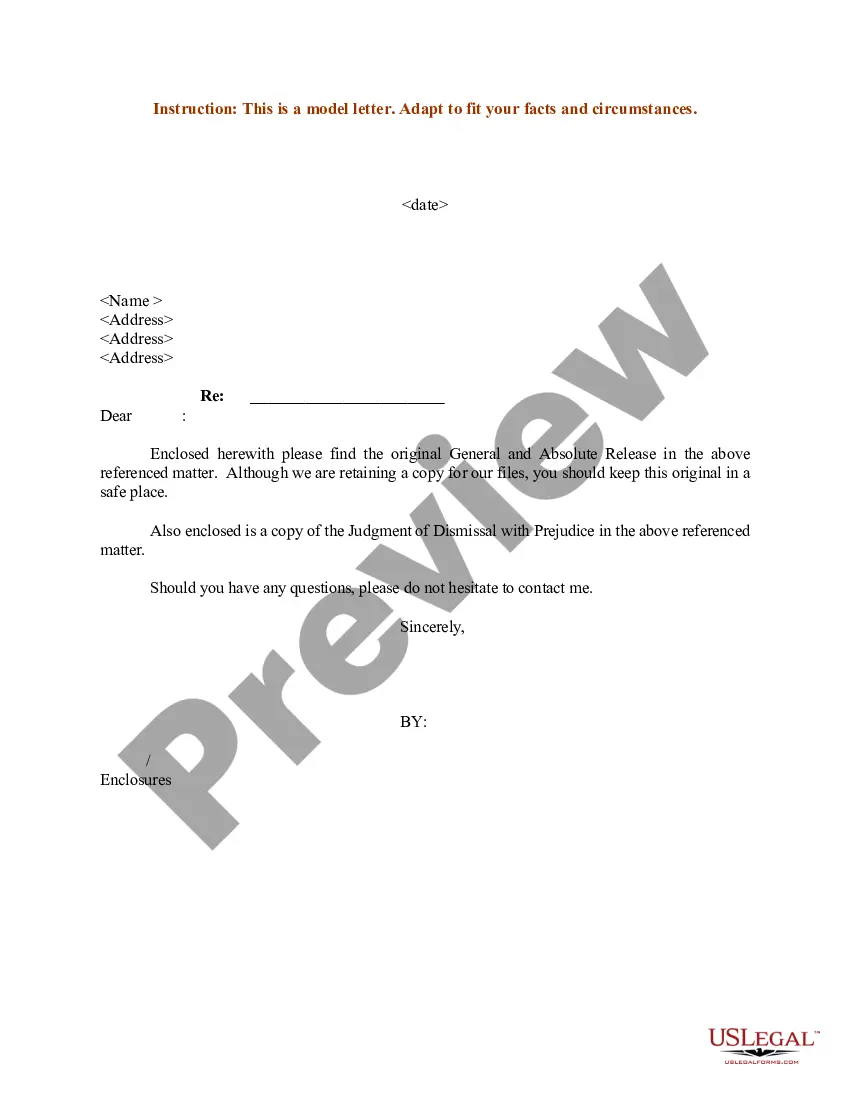
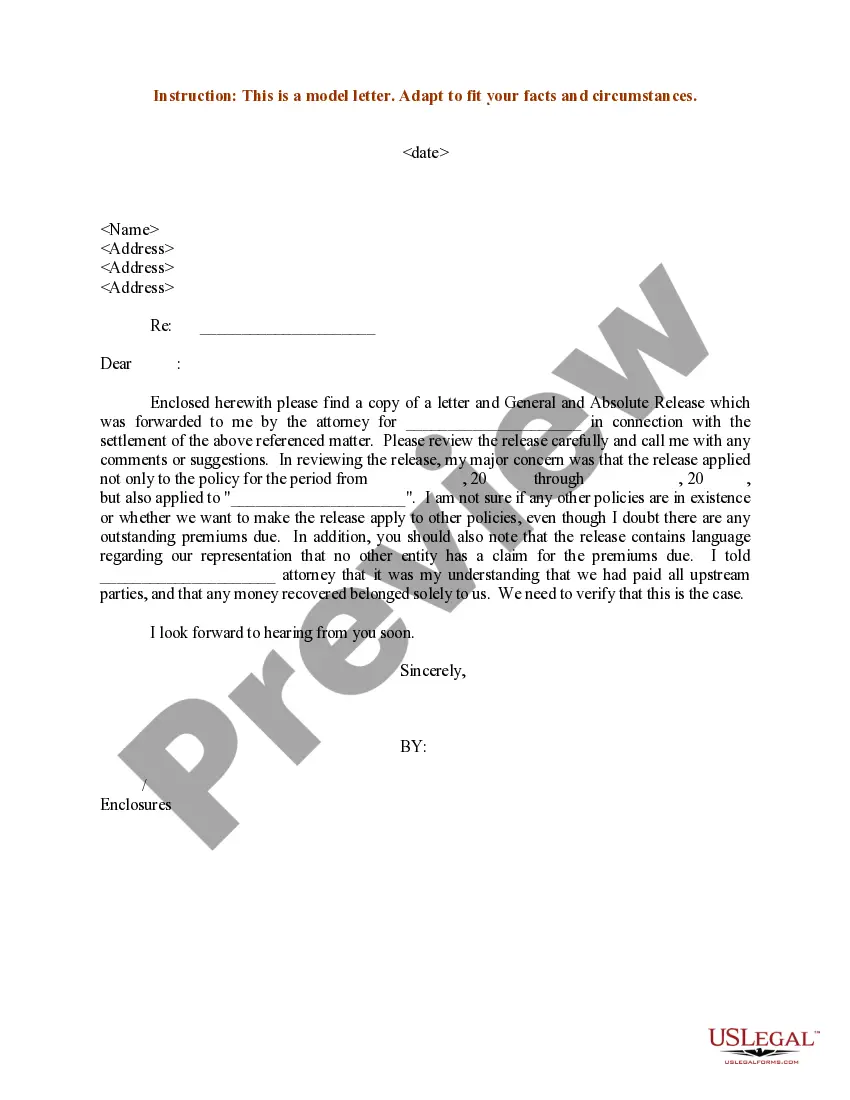
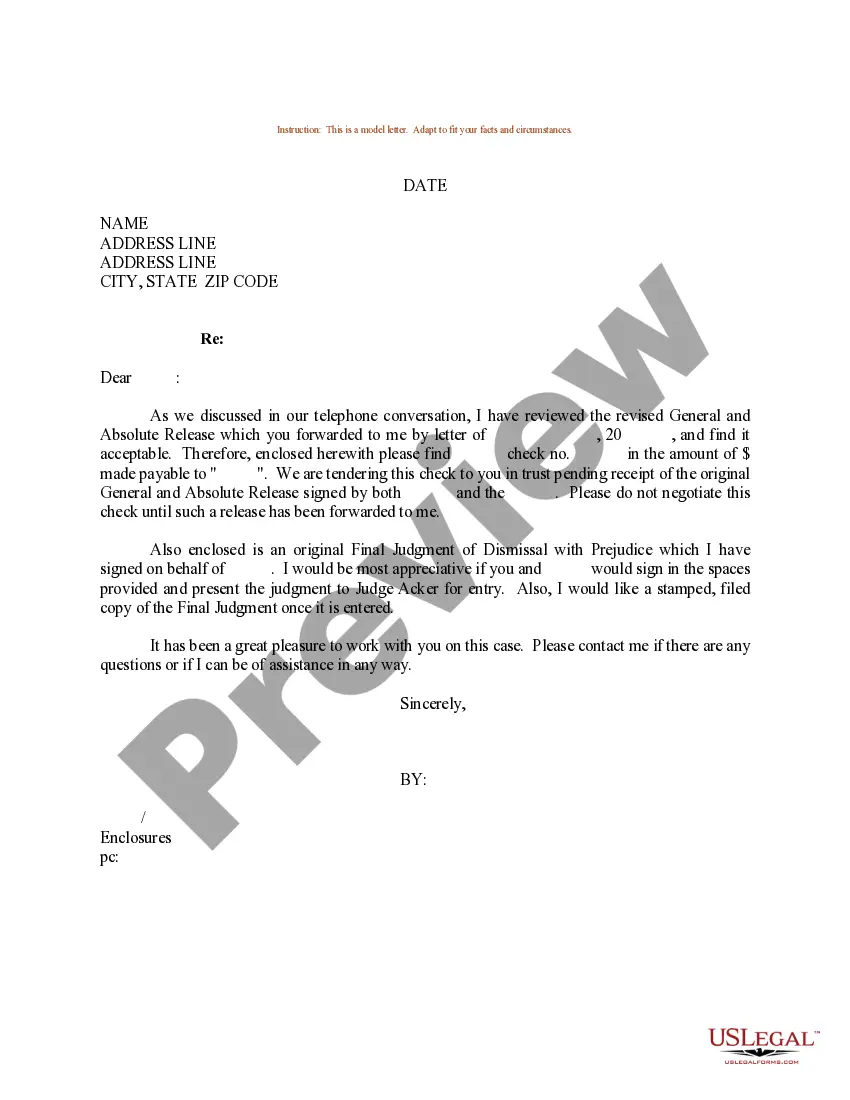
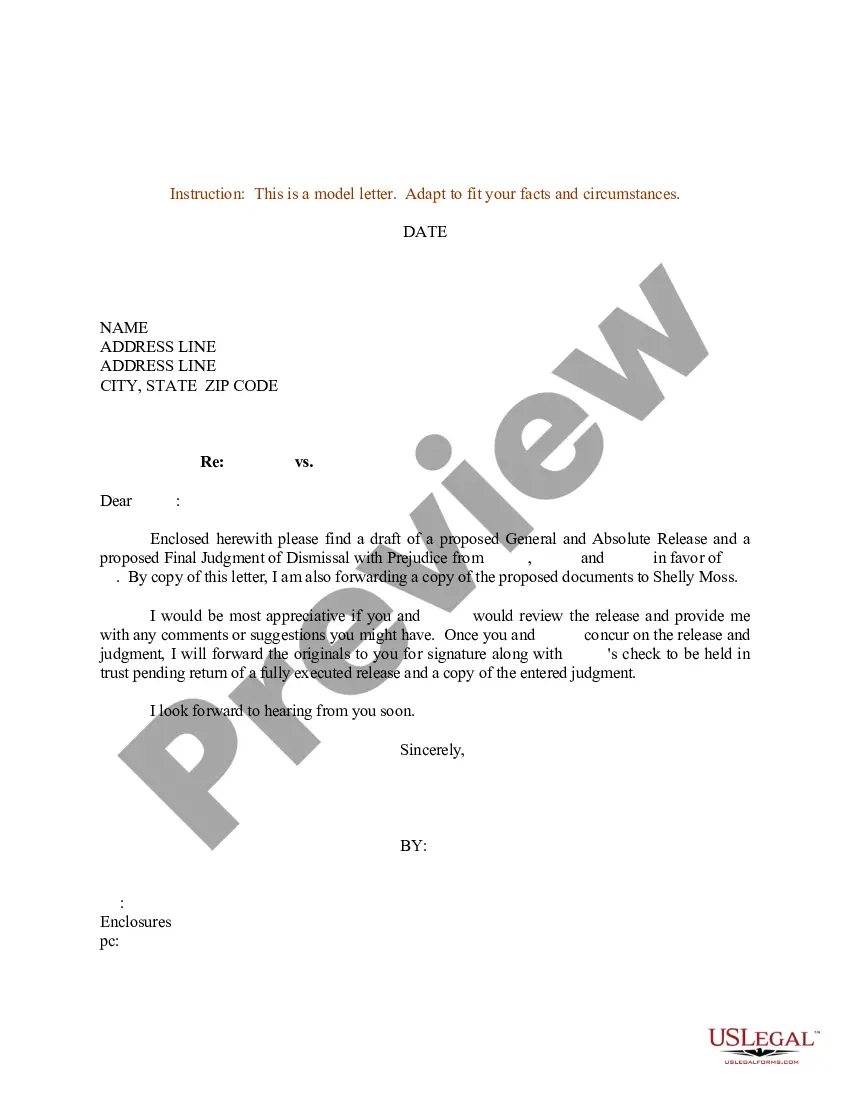
Description
Get your form ready online
Our built-in tools help you complete, sign, share, and store your documents in one place.
Make edits, fill in missing information, and update formatting in US Legal Forms—just like you would in MS Word.
Download a copy, print it, send it by email, or mail it via USPS—whatever works best for your next step.
Sign and collect signatures with our SignNow integration. Send to multiple recipients, set reminders, and more. Go Premium to unlock E-Sign.
If this form requires notarization, complete it online through a secure video call—no need to meet a notary in person or wait for an appointment.
We protect your documents and personal data by following strict security and privacy standards.

Make edits, fill in missing information, and update formatting in US Legal Forms—just like you would in MS Word.

Download a copy, print it, send it by email, or mail it via USPS—whatever works best for your next step.

Sign and collect signatures with our SignNow integration. Send to multiple recipients, set reminders, and more. Go Premium to unlock E-Sign.

If this form requires notarization, complete it online through a secure video call—no need to meet a notary in person or wait for an appointment.

We protect your documents and personal data by following strict security and privacy standards.
Looking for another form?



Form popularity
FAQ
The dismissal ``without prejudice'' does not mean that you won the issue regarding the debt. It just means that the creditor stopped fighting in court without conceding that you won. So the dismissal ``without prejudice'' does not necessarily help your argument to remove this from your credit report.
As a general rule, it is good practice to label genuinely without prejudice communications with a label such as 'Without Prejudice'. The reason for this is that it makes clear to the other side that you consider the content of the communication to be without prejudice.
District Courts may dismiss with prejudice where the plaintiff acted irresponsibly or in bad faith, or where rehearing the claim would burden the court system.
A court may allow a plaintiff to voluntarily withdraw from the suit through a Rule 41(a) dismissal without prejudice if the plaintiff would suffer hardship from continuing the suit. Also, under Rule 37(b)(2), a court may dismiss without prejudice to sanction a party acting in bad faith.
A case dismissed with prejudice is over and done with, once and for all, and can't be brought back to court. A case dismissed without prejudice means the opposite. It's not dismissed forever. The person whose case it is can try again.
The parties' stipulation to dismiss the remaining claims without prejudice is not a final order that may be appealed as of right; it does not resolve the merits of the remaining claims and, as such, those claims are “not barred from being resurrected on that docket at some future date.” Wickings v Arctic Enterprises, ...
Whereas a case that is dismissed “with prejudice” is dismissed permanently, a case that is dismissed “without prejudice” is only dismissed temporarily. This temporary dismissal means that the plaintiff is allowed to re-file charges, alter the claim, or bring the case to another court.
Dismissal without prejudice is a legal term indicating that charges have been dismissed but can be refiled at some point. Charges may be dismissed without prejudice at the prosecutor's request, or they may be dismissed at the judge's discretion.
One of the most common reasons for the court to dismiss a criminal case is insufficient evidence.

