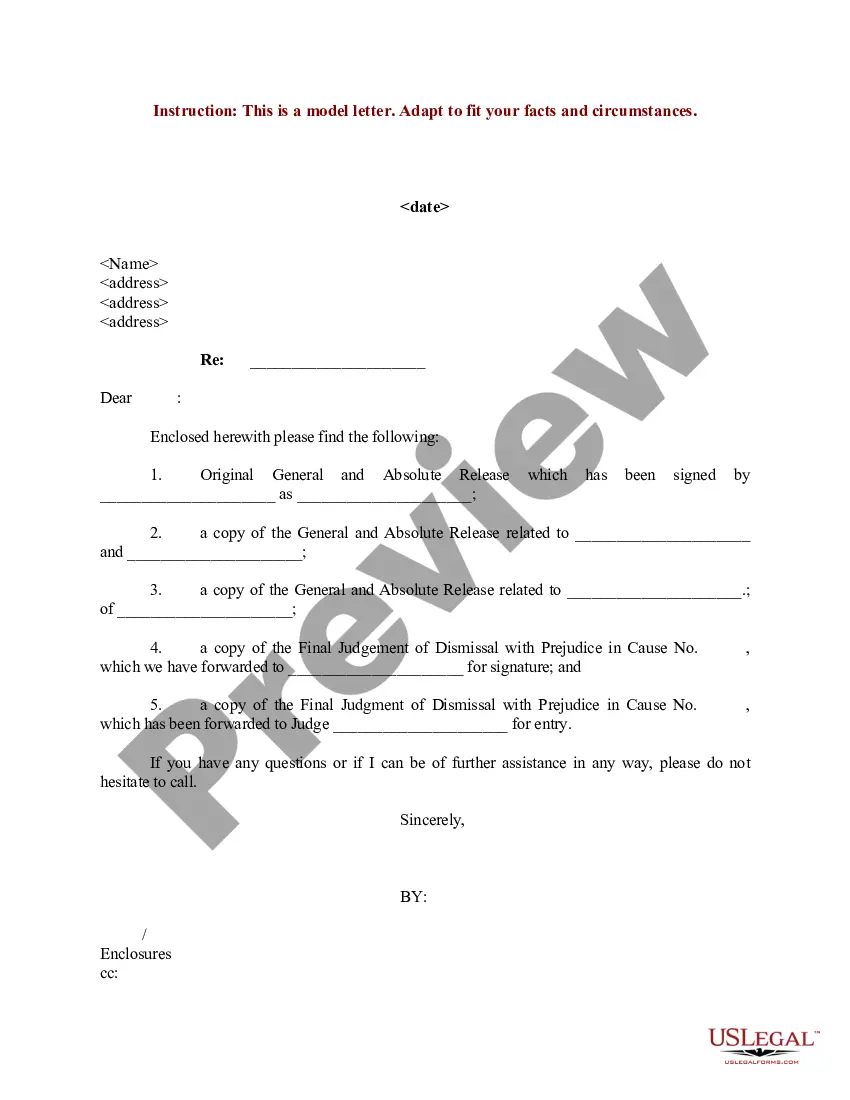
Release With Prejudice Without A Trial In Illinois
Description

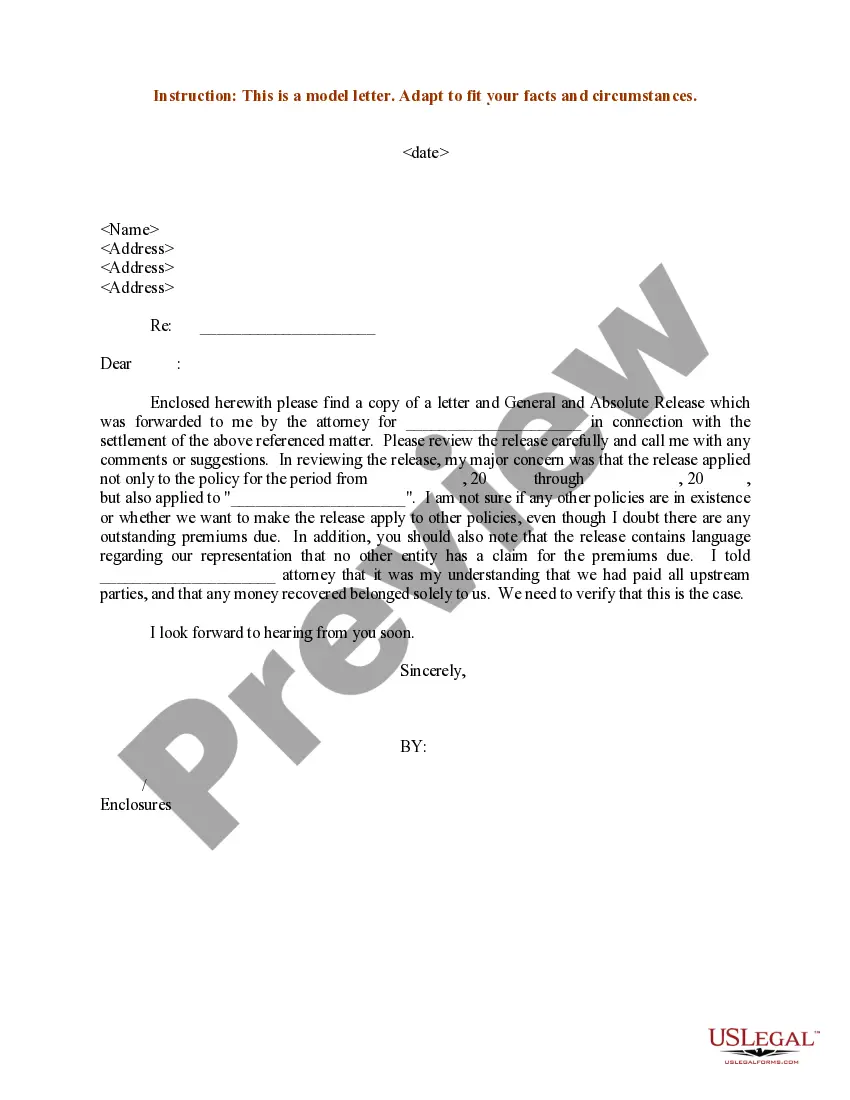
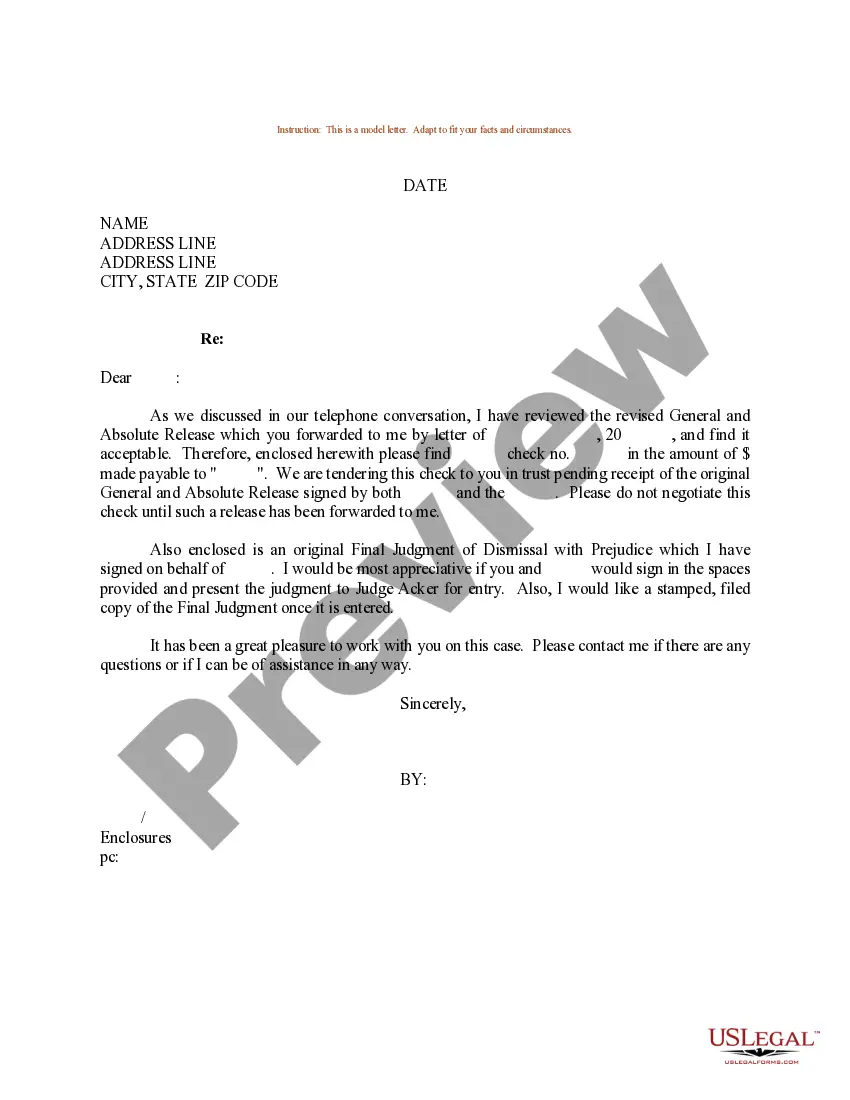
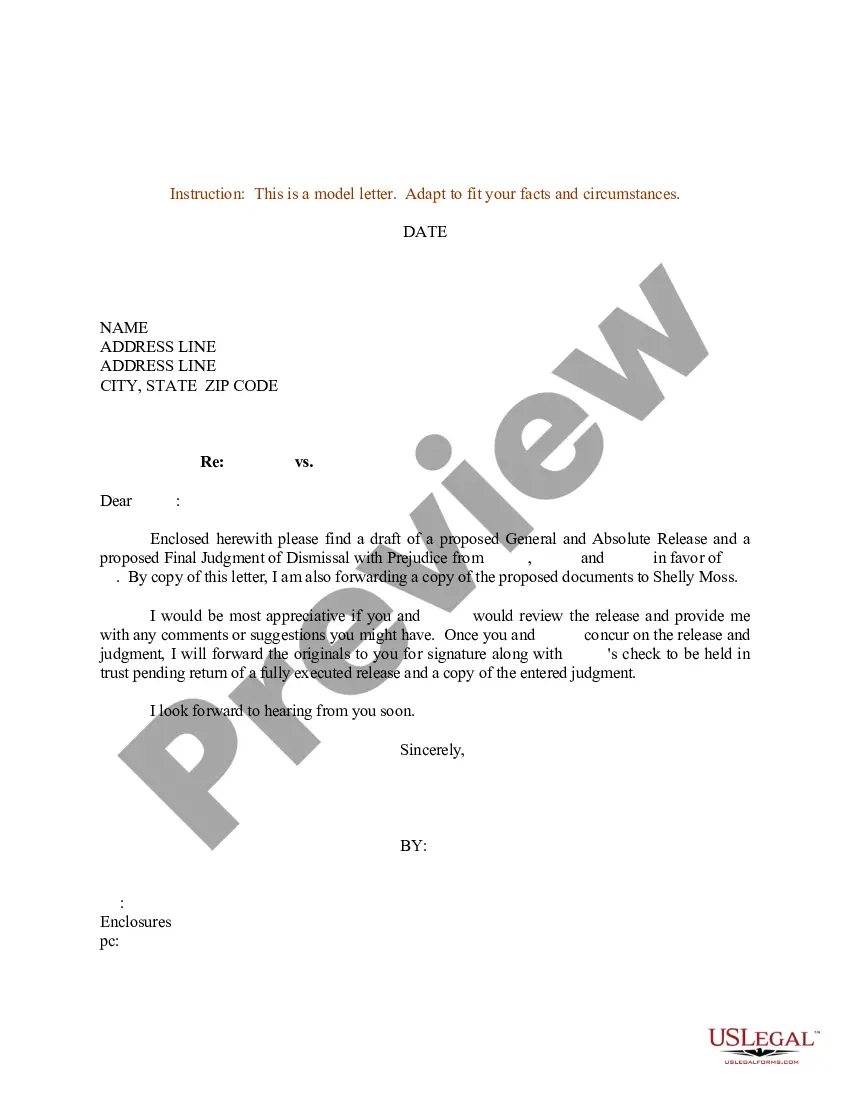
Get your form ready online
Our built-in tools help you complete, sign, share, and store your documents in one place.
Make edits, fill in missing information, and update formatting in US Legal Forms—just like you would in MS Word.
Download a copy, print it, send it by email, or mail it via USPS—whatever works best for your next step.
Sign and collect signatures with our SignNow integration. Send to multiple recipients, set reminders, and more. Go Premium to unlock E-Sign.
If this form requires notarization, complete it online through a secure video call—no need to meet a notary in person or wait for an appointment.
We protect your documents and personal data by following strict security and privacy standards.

Make edits, fill in missing information, and update formatting in US Legal Forms—just like you would in MS Word.

Download a copy, print it, send it by email, or mail it via USPS—whatever works best for your next step.

Sign and collect signatures with our SignNow integration. Send to multiple recipients, set reminders, and more. Go Premium to unlock E-Sign.

If this form requires notarization, complete it online through a secure video call—no need to meet a notary in person or wait for an appointment.

We protect your documents and personal data by following strict security and privacy standards.
Looking for another form?


Form popularity
FAQ
If a Motion to Dismiss is granted on all claims, the case is ended, and the defendant wins. A case can be dismissed "with prejudice" or "without prejudice." When a case is dismissed with prejudice, it means the plaintiff cannot file the same case against the same defendant again.
Dismissal without prejudice means that the judge dismissed the plaintiff's or prosecutor's case without damaging their right to have their matter heard in court later.
It is a “final disposition” and the idea behind a dismissal with prejudice is that a plaintiff's claim has been resolved adversely to the plaintiff, whether or not it is on the merits or it is barred from recovery (e.g. sovereign immunity or the statute of limitations).
There are two types of Motions to Dismiss in Illinois: 2-6151 Motions and 2-6192 Motions. While each Motion seeks the same relief– the dismissal of the Petitioner's pleading– they are filed for different reasons.
The court may grant a motion to dismiss if the plaintiff's complaint fails to allege all the elements of a claim adequately. Or the court may grant it if the complaint fails to allege a measurable injury.
District Courts may dismiss with prejudice where the plaintiff acted irresponsibly or in bad faith, or where rehearing the claim would burden the court system.