Release With Prejudice Without In Franklin
Description

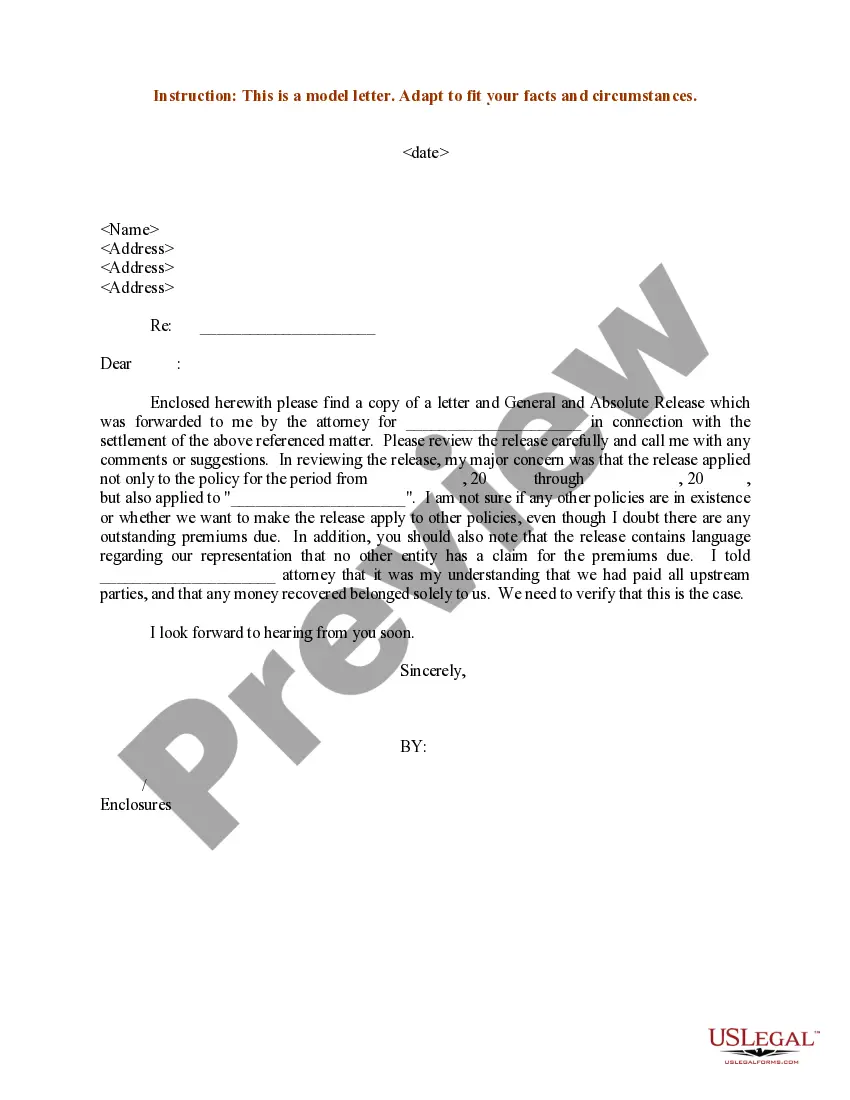
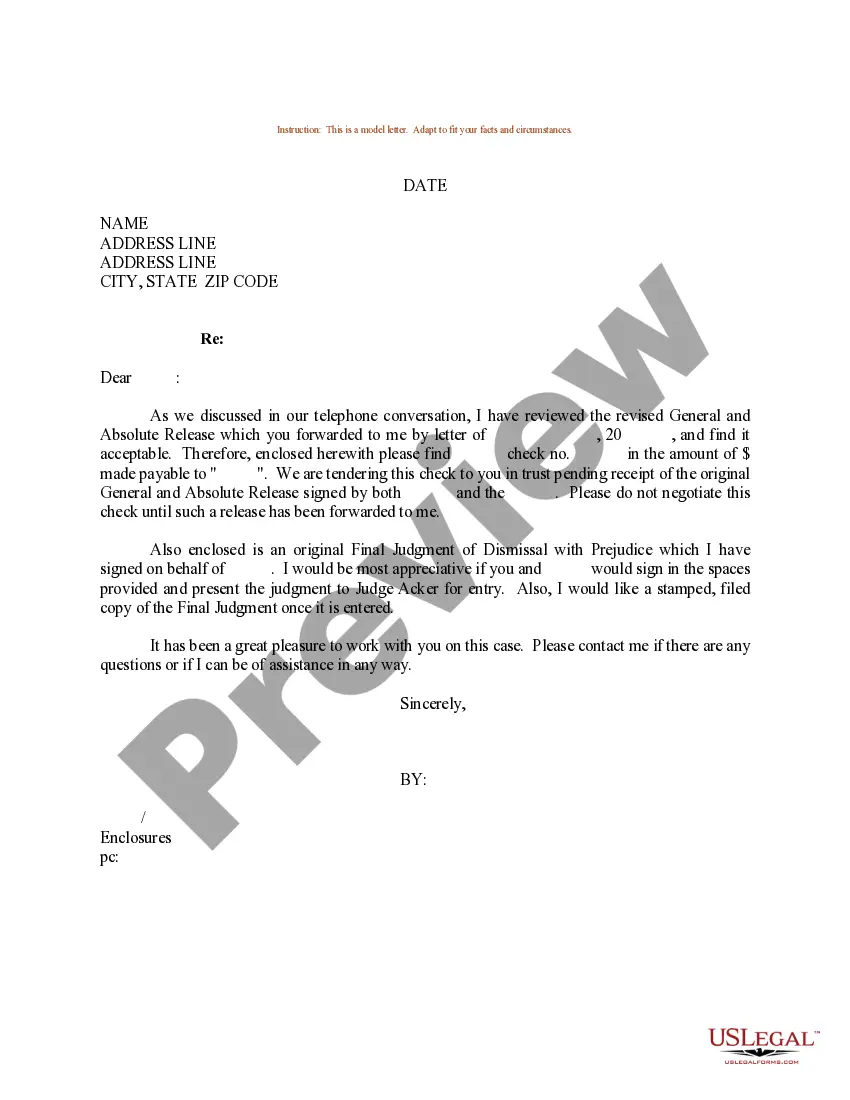
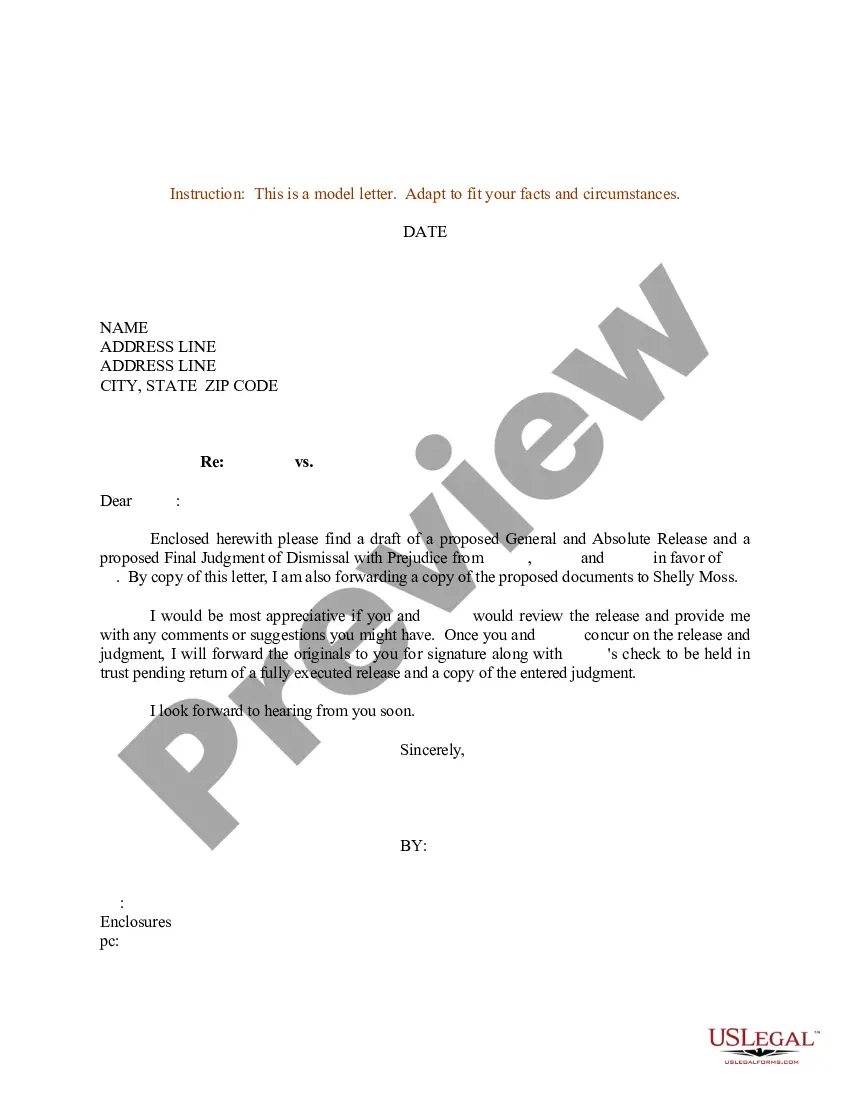
Get your form ready online
Our built-in tools help you complete, sign, share, and store your documents in one place.
Make edits, fill in missing information, and update formatting in US Legal Forms—just like you would in MS Word.
Download a copy, print it, send it by email, or mail it via USPS—whatever works best for your next step.
Sign and collect signatures with our SignNow integration. Send to multiple recipients, set reminders, and more. Go Premium to unlock E-Sign.
If this form requires notarization, complete it online through a secure video call—no need to meet a notary in person or wait for an appointment.
We protect your documents and personal data by following strict security and privacy standards.

Make edits, fill in missing information, and update formatting in US Legal Forms—just like you would in MS Word.

Download a copy, print it, send it by email, or mail it via USPS—whatever works best for your next step.

Sign and collect signatures with our SignNow integration. Send to multiple recipients, set reminders, and more. Go Premium to unlock E-Sign.

If this form requires notarization, complete it online through a secure video call—no need to meet a notary in person or wait for an appointment.

We protect your documents and personal data by following strict security and privacy standards.
Looking for another form?





Form popularity
FAQ
If a Defendant Does Not Answer the Door They may erroneously believe that this means the case will simply go away. It won't. However, a process server can still not force someone to open the door. He or she will have to come back on another date if the defendant refuses to open the door.
A judge may dismiss a case without prejudice in order to allow for errors in the case presented to be addressed before it is brought back to court. A judge will dismiss a case with prejudice if he or she finds reason why the case should not move forward and should be permanently closed.
Dismissal without prejudice is a legal term indicating that charges have been dismissed but can be refiled at some point. Charges may be dismissed without prejudice at the prosecutor's request, or they may be dismissed at the judge's discretion.
You can refuse to accept documents from a process server. However, in most cases, if you do refuse to accept the documents, the process server is legally allowed to leave them next to you or at your feet. Whether you accept the documents or not, you are considered to be served.
Consequences Of Avoiding Service If a recipient chooses to ignore or evade the process server's attempts at serving them, it could result in a default judgment against them. This means that the opposing party can win the case by default without any argument from the individual who avoided service.
You Can Try to Hide, but You Can't Evade Service of Process Sure, you may be able to delay responding to a lawsuit and having a court date for a few weeks or months, but in the end, you're still going to be sued and the legal process will move forward.
Common methods to avoid being served Not answering the door. Lying about their identity. Hiding in the closet until the process server leaves. Staying at a family member or friend's home.
If the server consistently fails to reach you despite multiple attempts, they may resort to alternative legal methods or petition the court for permission to use alternative means of service. Most process servers typically make multiple attempts to serve legal documents, often ranging from three to five attempts.
Dismissal without prejudice is a legal term indicating that charges have been dismissed but can be refiled at some point. Charges may be dismissed without prejudice at the prosecutor's request, or they may be dismissed at the judge's discretion.
A case dismissed with prejudice is over and done with, once and for all, and can't be brought back to court. A case dismissed without prejudice means the opposite. It's not dismissed forever. The person whose case it is can try again.

