Release With Prejudice Without Prejudice In Arizona
Description

Get your form ready online
Our built-in tools help you complete, sign, share, and store your documents in one place.
Make edits, fill in missing information, and update formatting in US Legal Forms—just like you would in MS Word.
Download a copy, print it, send it by email, or mail it via USPS—whatever works best for your next step.
Sign and collect signatures with our SignNow integration. Send to multiple recipients, set reminders, and more. Go Premium to unlock E-Sign.
If this form requires notarization, complete it online through a secure video call—no need to meet a notary in person or wait for an appointment.
We protect your documents and personal data by following strict security and privacy standards.

Make edits, fill in missing information, and update formatting in US Legal Forms—just like you would in MS Word.

Download a copy, print it, send it by email, or mail it via USPS—whatever works best for your next step.

Sign and collect signatures with our SignNow integration. Send to multiple recipients, set reminders, and more. Go Premium to unlock E-Sign.

If this form requires notarization, complete it online through a secure video call—no need to meet a notary in person or wait for an appointment.

We protect your documents and personal data by following strict security and privacy standards.
Looking for another form?

Form popularity
FAQ
Under the FCRA, tax liens, civil judgments, accounts sent to collections, and arrests that didn't result in a conviction may only be reported for seven years. Bankruptcies may be reported for 10 years. This seven-year lookback period doesn't apply to jobs with a salary of $75,000 or more.
Arizona law imposes a two-year statute of limitations for many civil actions, like personal injury claims and wrongful death cases. Some civil cases, like libel or slander, have a one-year limitation period.
First-degree, second-degree, manslaughter, and conspiracy to commit do not have a statute of limitations. The only exceptions are deaths caused by a hit-and-run, which can vary from a seven-year limit to as little as a two-year limit in Arizona.
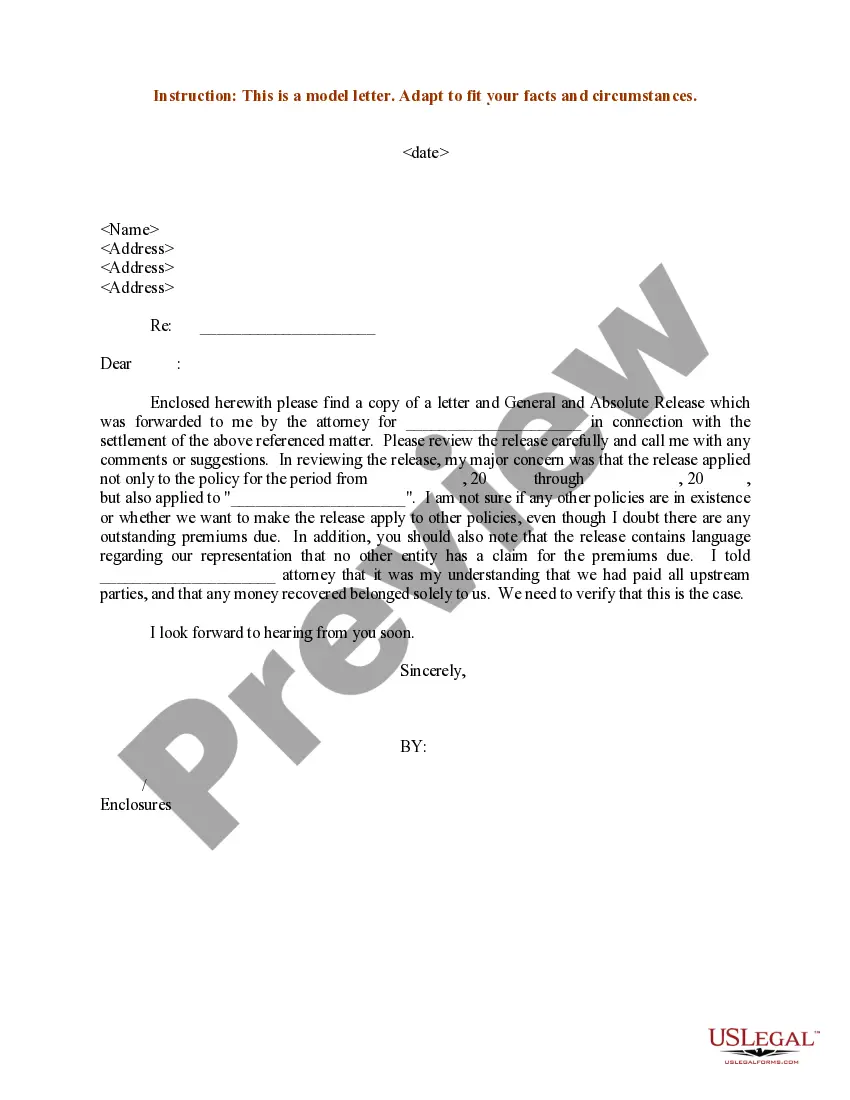
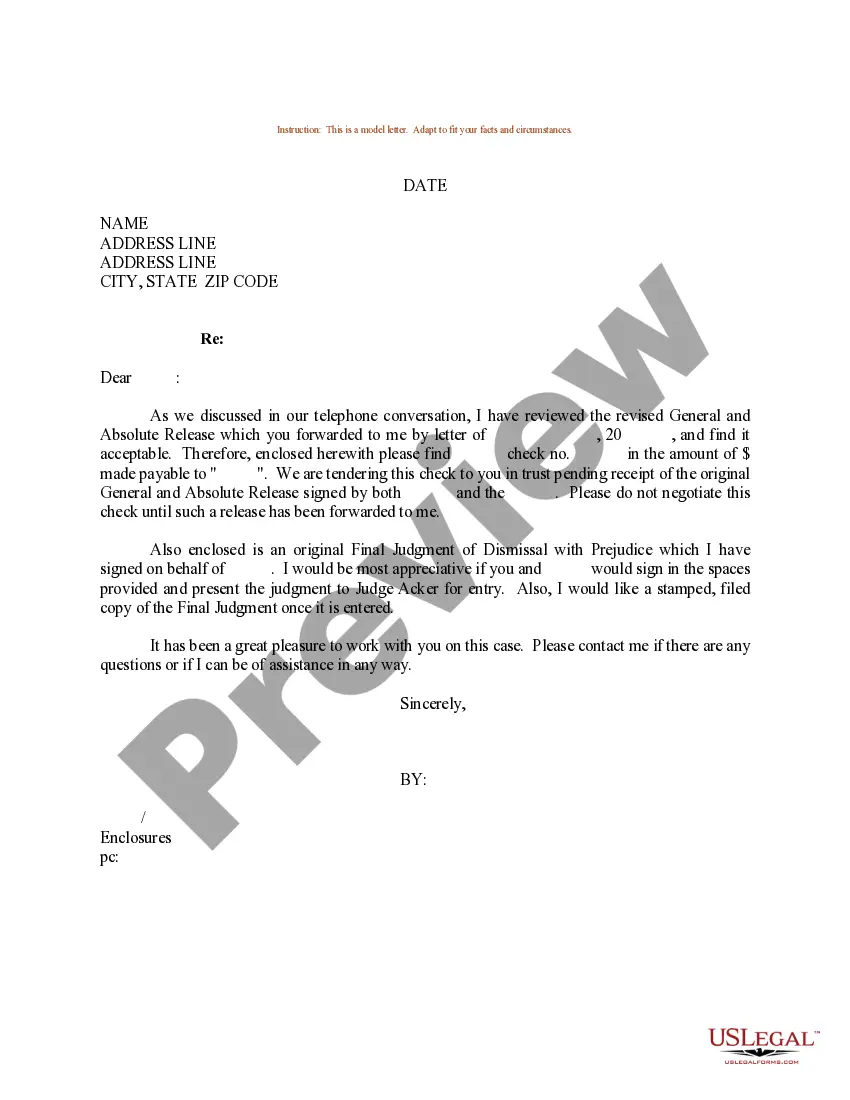
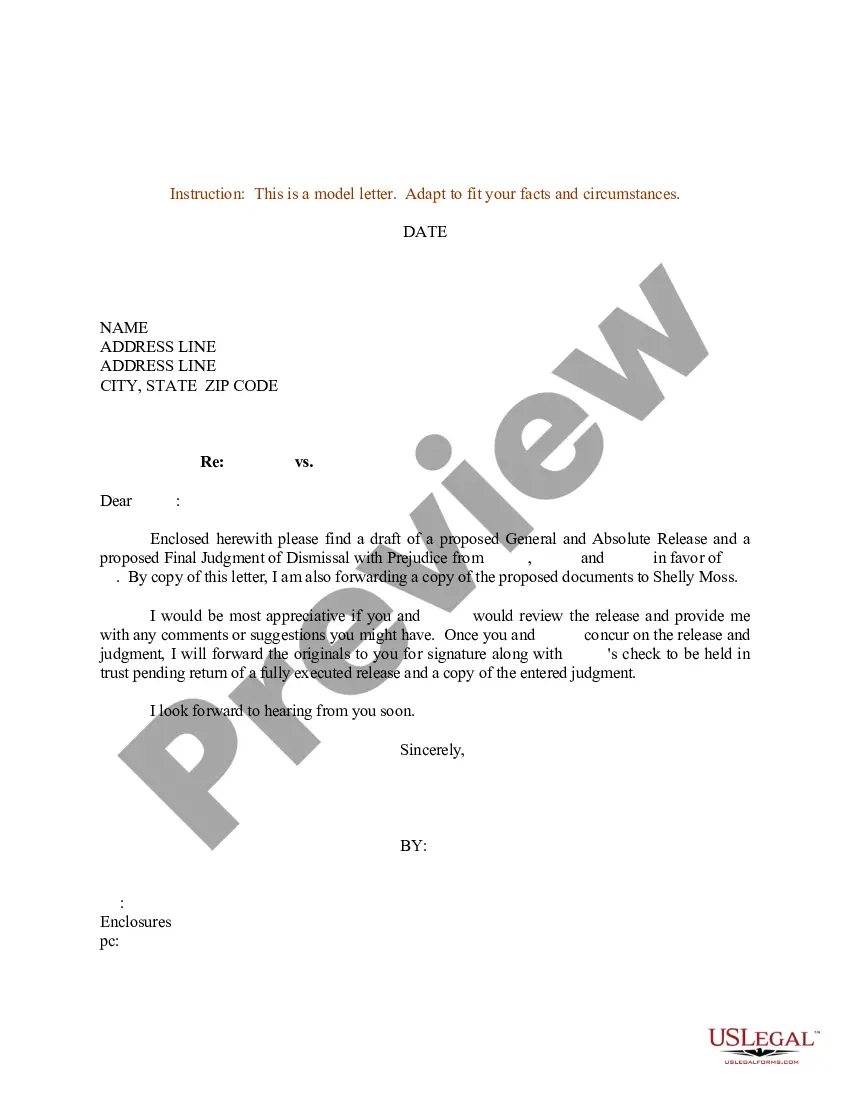
A case dismissed with prejudice is over and done with, once and for all, and can't be brought back to court. A case dismissed without prejudice means the opposite. It's not dismissed forever. The person whose case it is can try again.
Generally, if the Prosecutor decides to dismiss a case for whatever reason, it is done ``without prejudice'' which means it can be refiled at a later date, as long as the filing is within the Statute of Limitations.
Without Prejudice Meaning The basic meaning of 'without prejudice' is that statements made in the settlement of an existing dispute cannot be relied upon as evidence against the interests of the relevant party if negotiations fail and the parties then have to formally engage in a dispute resolution procedure.
They may also dismiss a case if the defendant is found innocent or has already been convicted and served their sentence. A dismissal with prejudice could also occur when an additional claim is made that was not part of the original complaint or because the defendant's constitutional rights have been violated.
Dismissal With Prejudice: This is a final judgment that prevents the plaintiff from bringing the same claim or cause of action against the same defendant in the future. It effectively closes the matter permanently.
Change of Venue: Prosecutors may want the current case dismissed so they can refile in a different court or jurisdiction. Case weakness. A prosecutor may choose to dismiss a case without prejudice to have time to address a weakness or issue with their case. Changing Charges.

