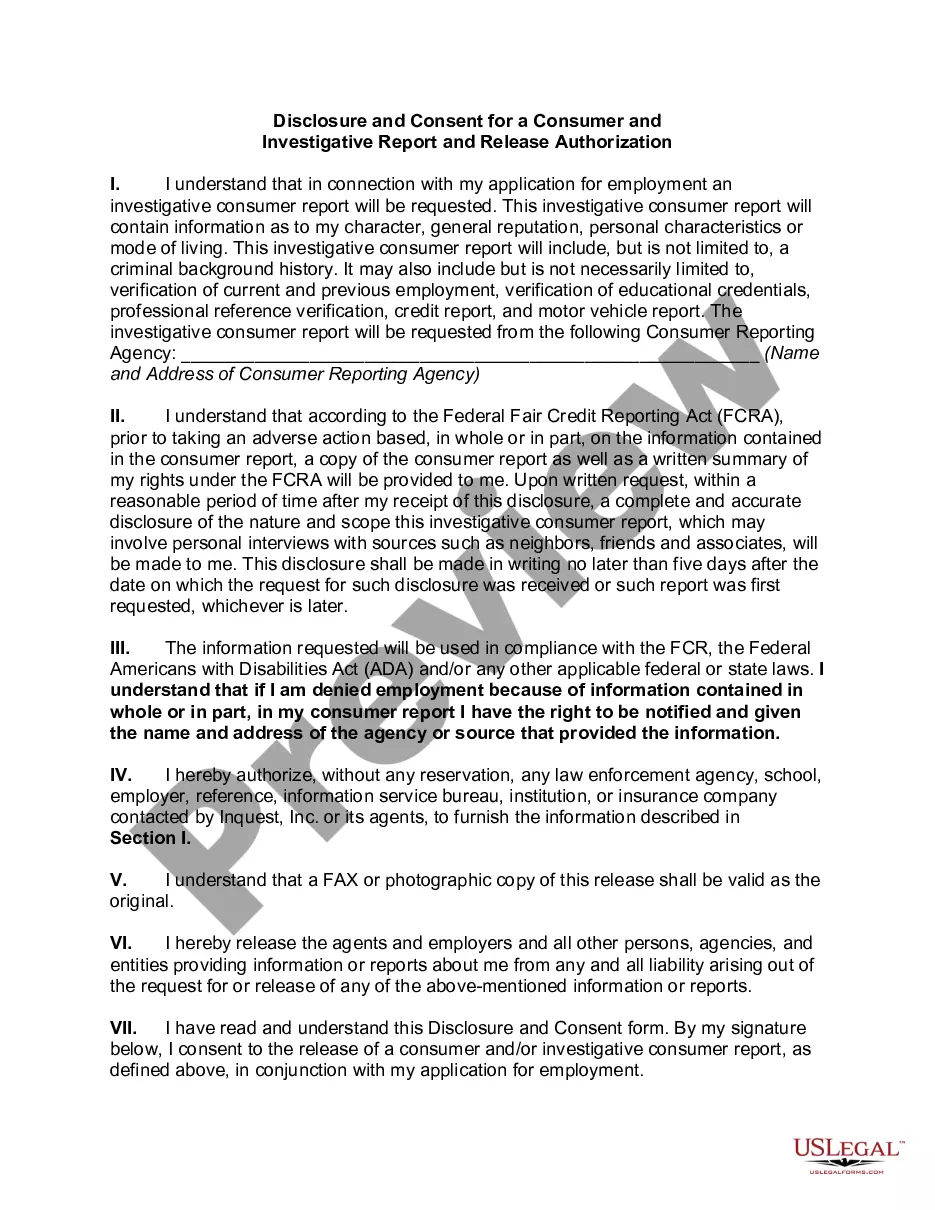
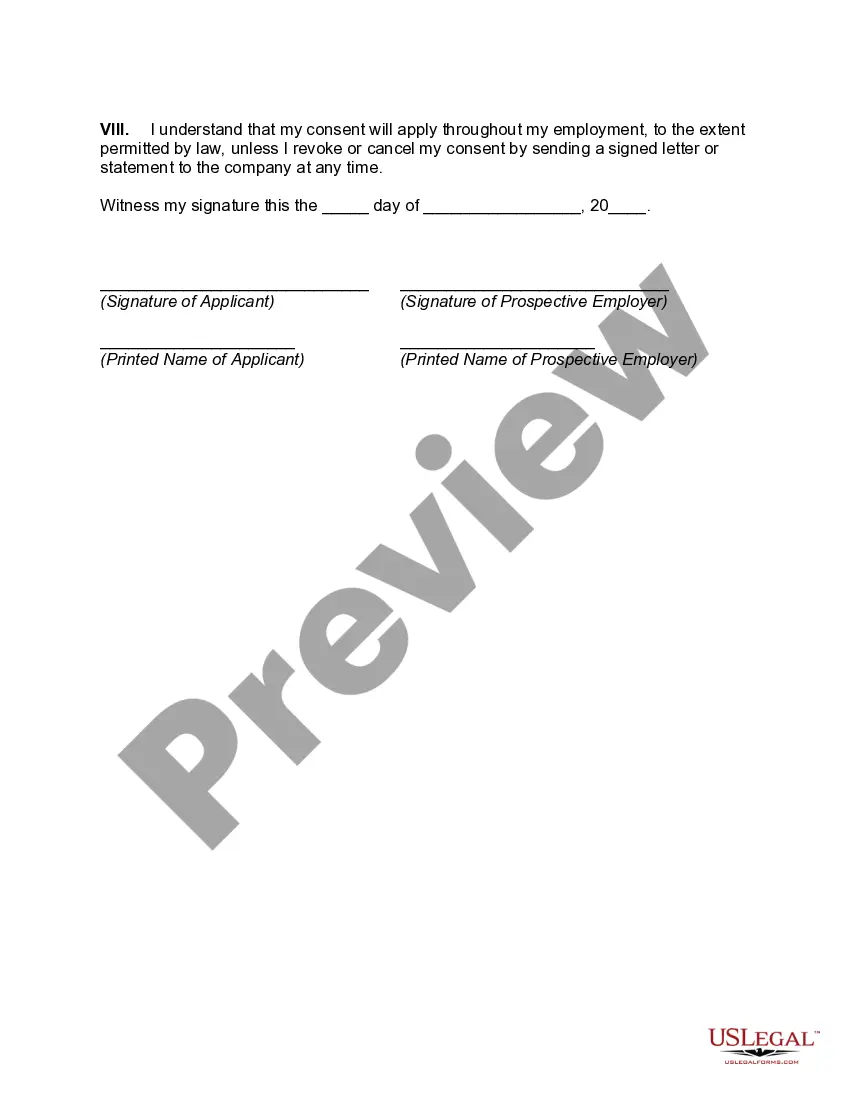
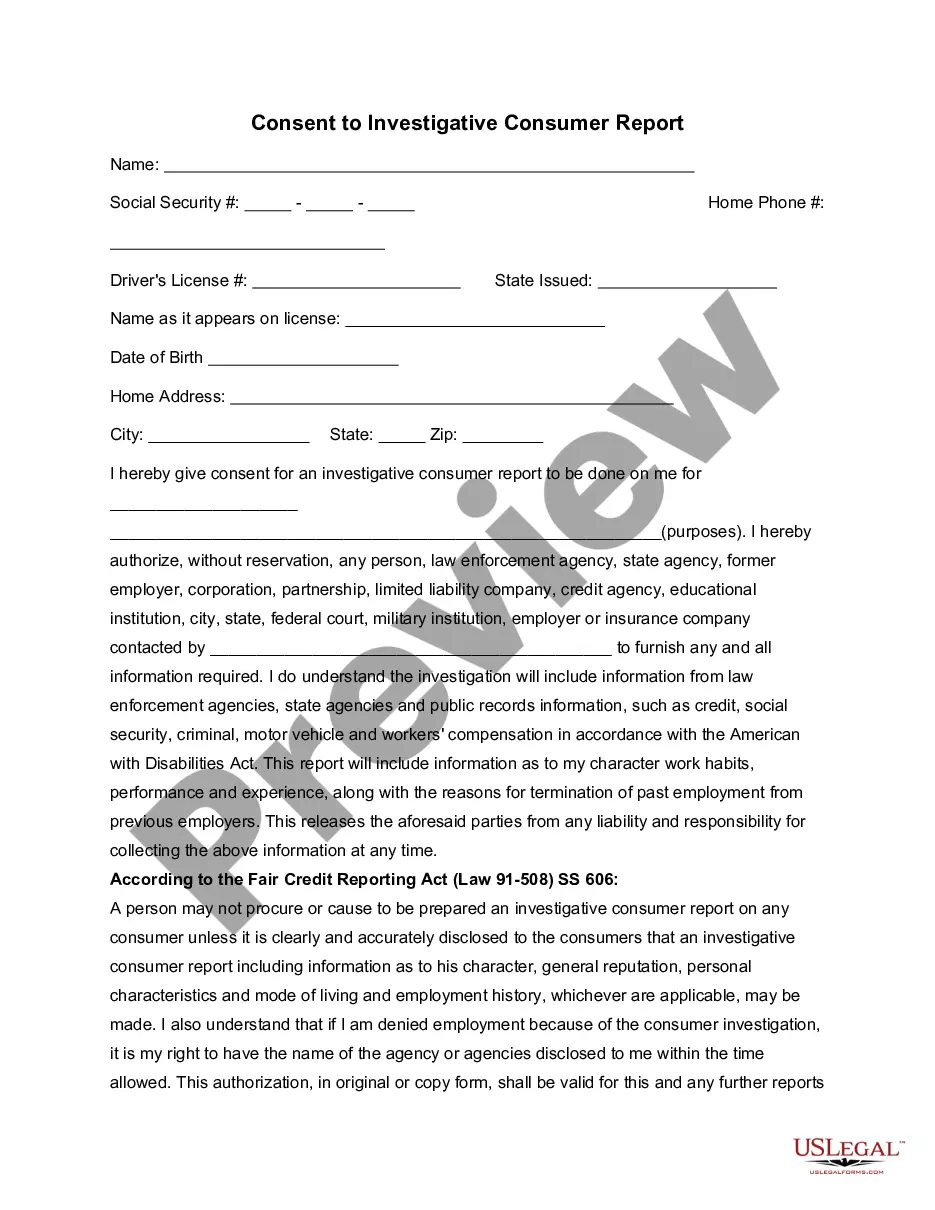
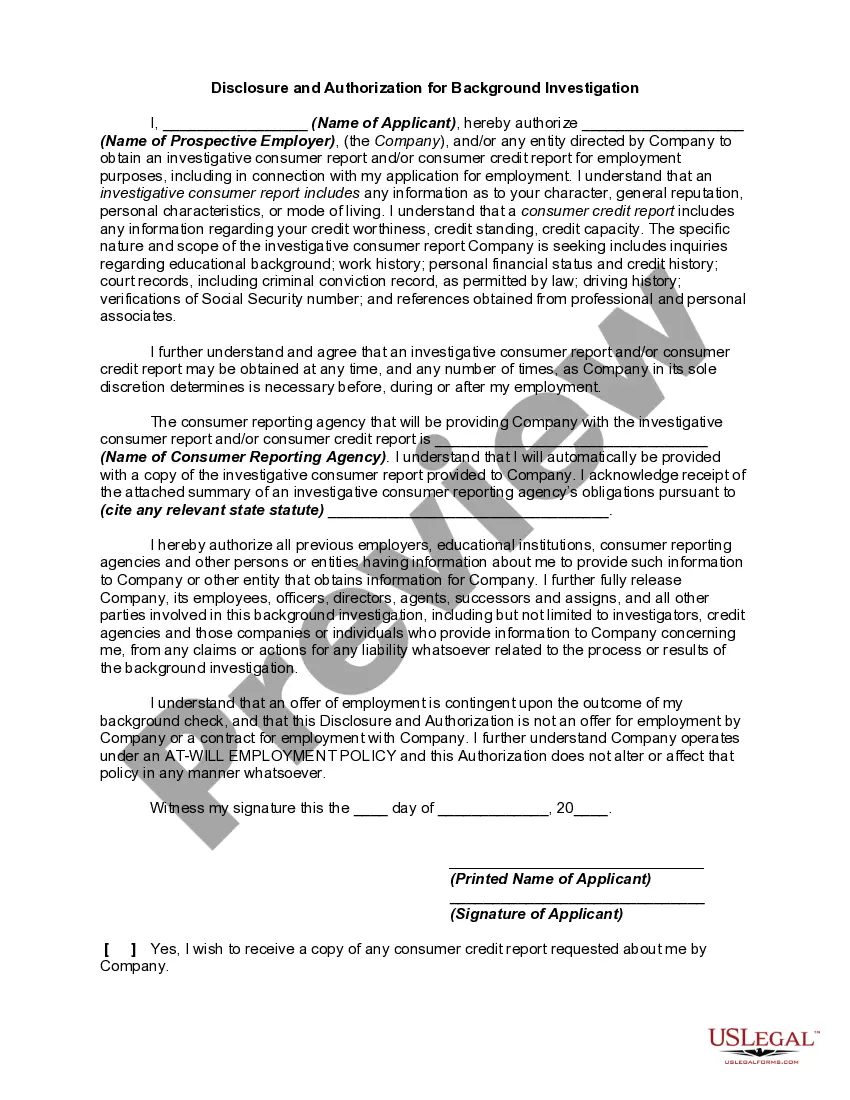
Consumer Investigative Release With Example In Orange
Description
Get your form ready online
Our built-in tools help you complete, sign, share, and store your documents in one place.
Make edits, fill in missing information, and update formatting in US Legal Forms—just like you would in MS Word.
Download a copy, print it, send it by email, or mail it via USPS—whatever works best for your next step.
Sign and collect signatures with our SignNow integration. Send to multiple recipients, set reminders, and more. Go Premium to unlock E-Sign.
If this form requires notarization, complete it online through a secure video call—no need to meet a notary in person or wait for an appointment.
We protect your documents and personal data by following strict security and privacy standards.

Make edits, fill in missing information, and update formatting in US Legal Forms—just like you would in MS Word.

Download a copy, print it, send it by email, or mail it via USPS—whatever works best for your next step.

Sign and collect signatures with our SignNow integration. Send to multiple recipients, set reminders, and more. Go Premium to unlock E-Sign.

If this form requires notarization, complete it online through a secure video call—no need to meet a notary in person or wait for an appointment.

We protect your documents and personal data by following strict security and privacy standards.
Looking for another form?






Form popularity
FAQ
ANDA: Abbreviated new drug application; FDA: Food and Drug Administration; RLD: Reference listed drug; RS: Reference standard.
The coding system for therapeutic equivalence evaluations is designed to allow users to determine quickly whether the Agency has evaluated a particular approved prescription drug product (e.g., a particular strength of an approved drug that is not on the Discontinued Drug Product list) as therapeutically equivalent to ...
If there are approved generic products of another firm, the RLD will be "No" and all the products within the Dosage Form; Route grouping will have a Therapeutic Equivalence Code (TE Code). Products that have been discontinued are in the Discontinued section and do not have RLD or TE Codes.
Final answer: The first letter in the Orange Book rating code indicates the Therapeutic equivalence. An 'A' rating signifies that the drug is recognized as therapeutically equivalent by the FDA, while a 'B' rating suggests it is not.
The concept of therapeutic equivalence applies only to drug products containing the identical active ingredient(s) and does not encompass a comparison of different therapeutic agents used for the same condition (e.g., meperidine hydrochloride vs. morphine sulfate for the treatment of pain).
Reference Standard (RS) A “reference standard” is the drug product selected by FDA that an applicant seeking approval of an ANDA must use in conducting an in vivo bioequivalence study required for approval of an ANDA. In the electronic Orange Book, a reference standard is identified by “RS” in the RS column.
A “ZB” code is assigned to all nonprescription pharmaceuticals and legend pharmaceutical entities that have not been evaluated in the “Orange Book.” If one should encounter a “ZB” rating, do not dispense that particular pharmaceutical because no equivalence data is available.
Koblitz — Identification of and comparison to a Reference Listed Drug (“RLD”) and Reference Standards (“RS”) are the lynchpin of generic drug development and approval.
File a complaint with government or consumer programs File a complaint with your local consumer protection office. Notify the Better Business Bureau (BBB) in your area about your problem. Report scams and suspicious communications to the Federal Trade Commission.
File a complaint with your local consumer protection office or the state agency that regulates the company. Notify the Better Business Bureau (BBB) in your area about your problem. The BBB tries to resolve your complaints against companies.
