Consumer Investigative Release With Example In Michigan
Description
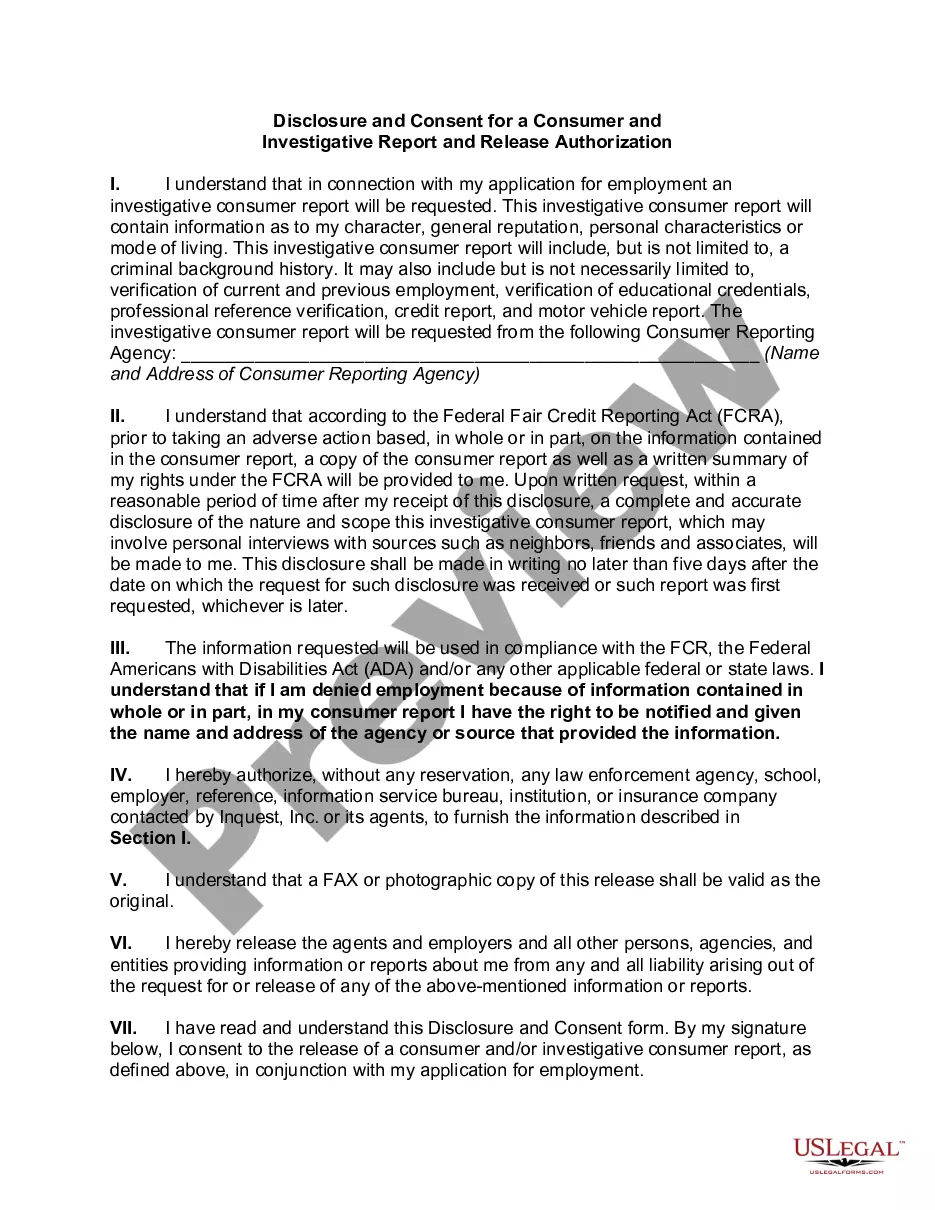
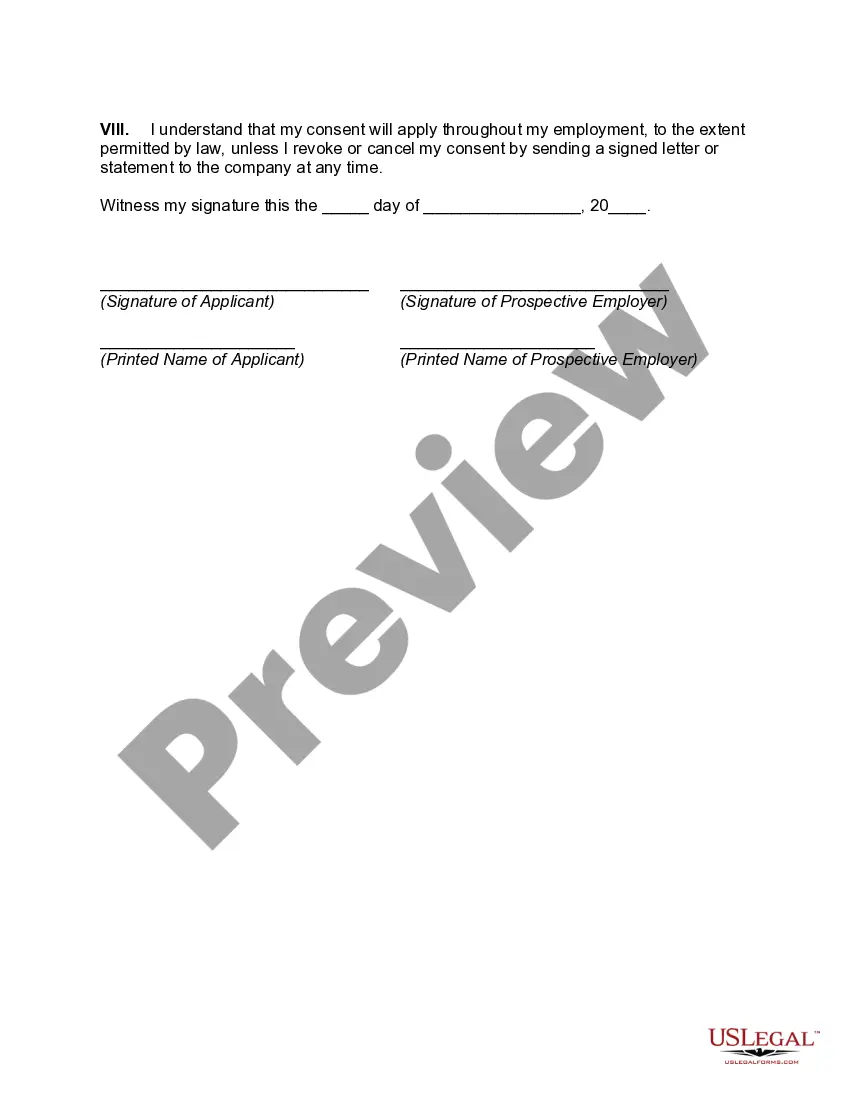
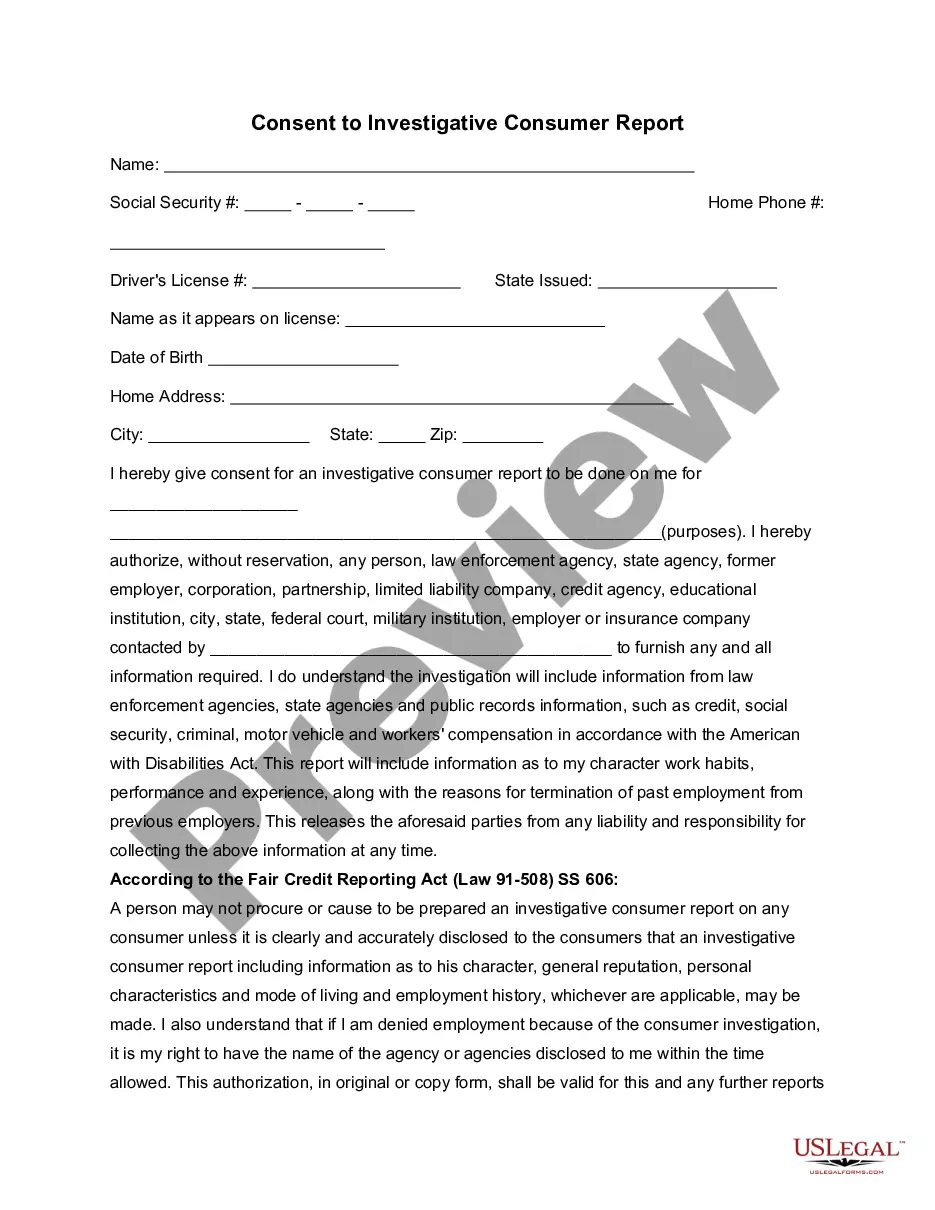
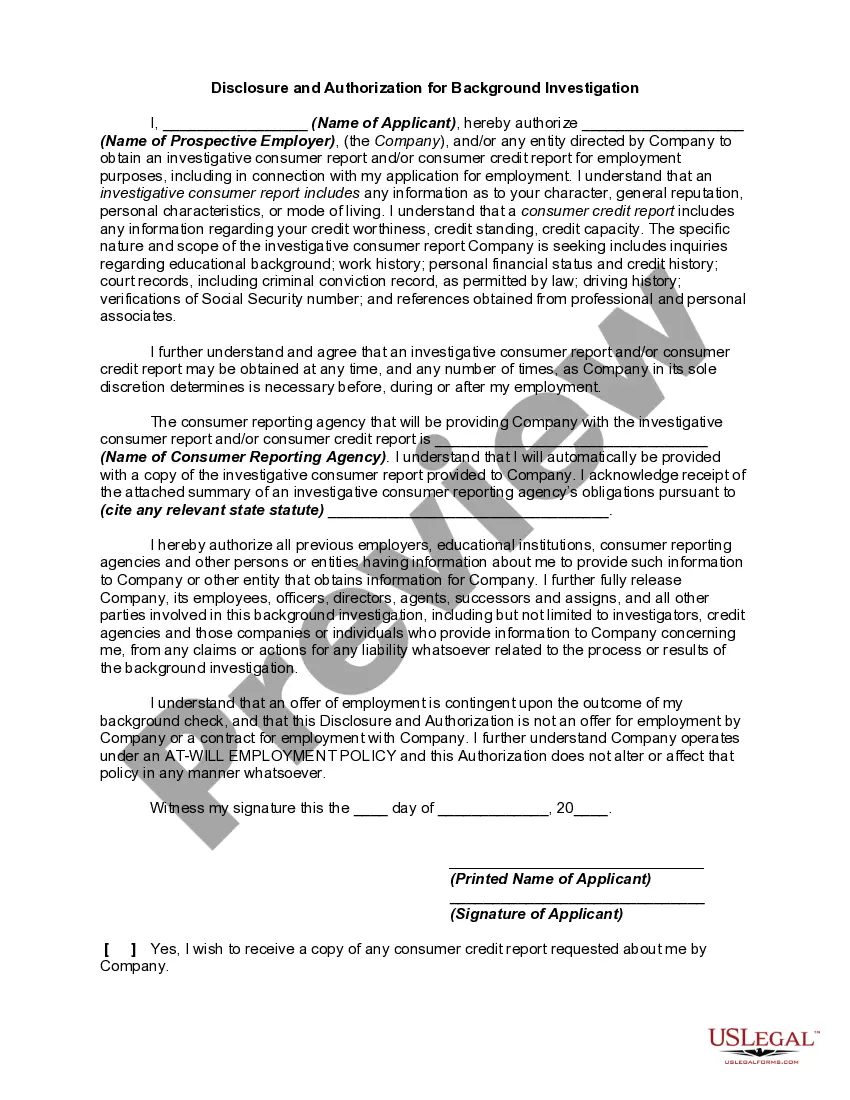
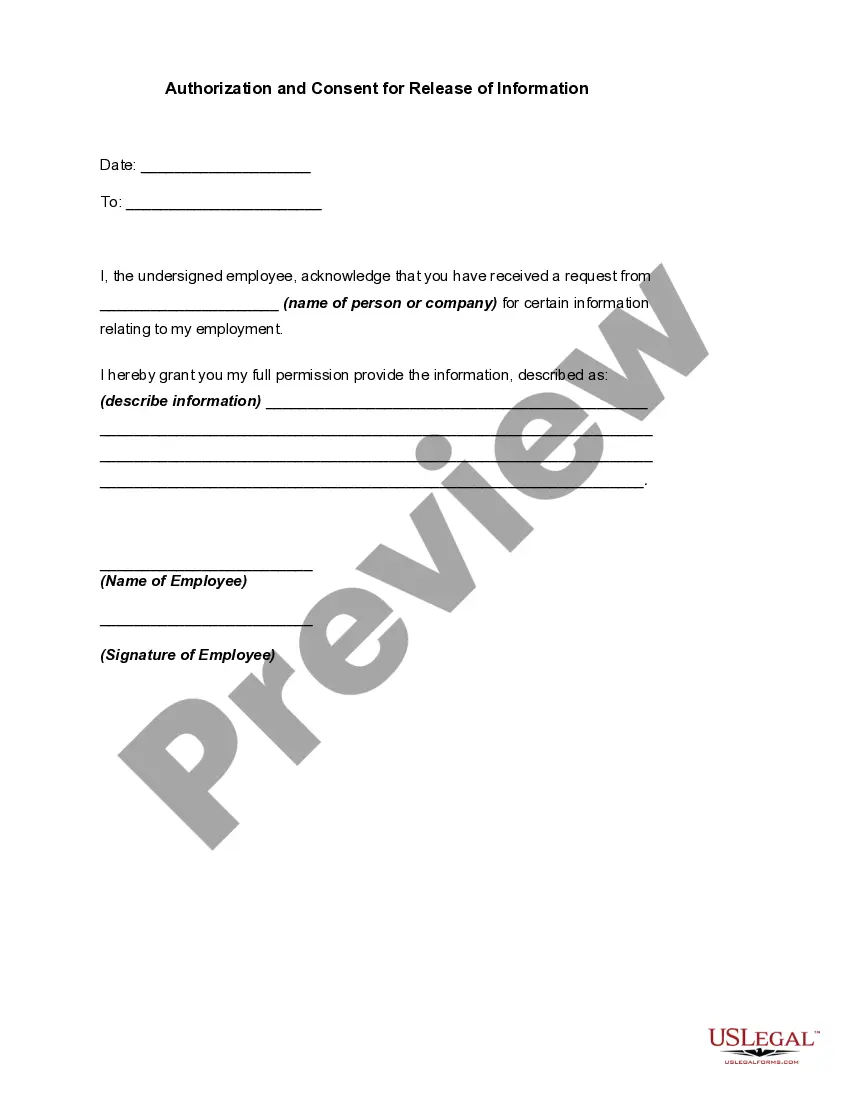
Get your form ready online
Our built-in tools help you complete, sign, share, and store your documents in one place.
Make edits, fill in missing information, and update formatting in US Legal Forms—just like you would in MS Word.
Download a copy, print it, send it by email, or mail it via USPS—whatever works best for your next step.
Sign and collect signatures with our SignNow integration. Send to multiple recipients, set reminders, and more. Go Premium to unlock E-Sign.
If this form requires notarization, complete it online through a secure video call—no need to meet a notary in person or wait for an appointment.
We protect your documents and personal data by following strict security and privacy standards.

Make edits, fill in missing information, and update formatting in US Legal Forms—just like you would in MS Word.

Download a copy, print it, send it by email, or mail it via USPS—whatever works best for your next step.

Sign and collect signatures with our SignNow integration. Send to multiple recipients, set reminders, and more. Go Premium to unlock E-Sign.

If this form requires notarization, complete it online through a secure video call—no need to meet a notary in person or wait for an appointment.

We protect your documents and personal data by following strict security and privacy standards.
Looking for another form?



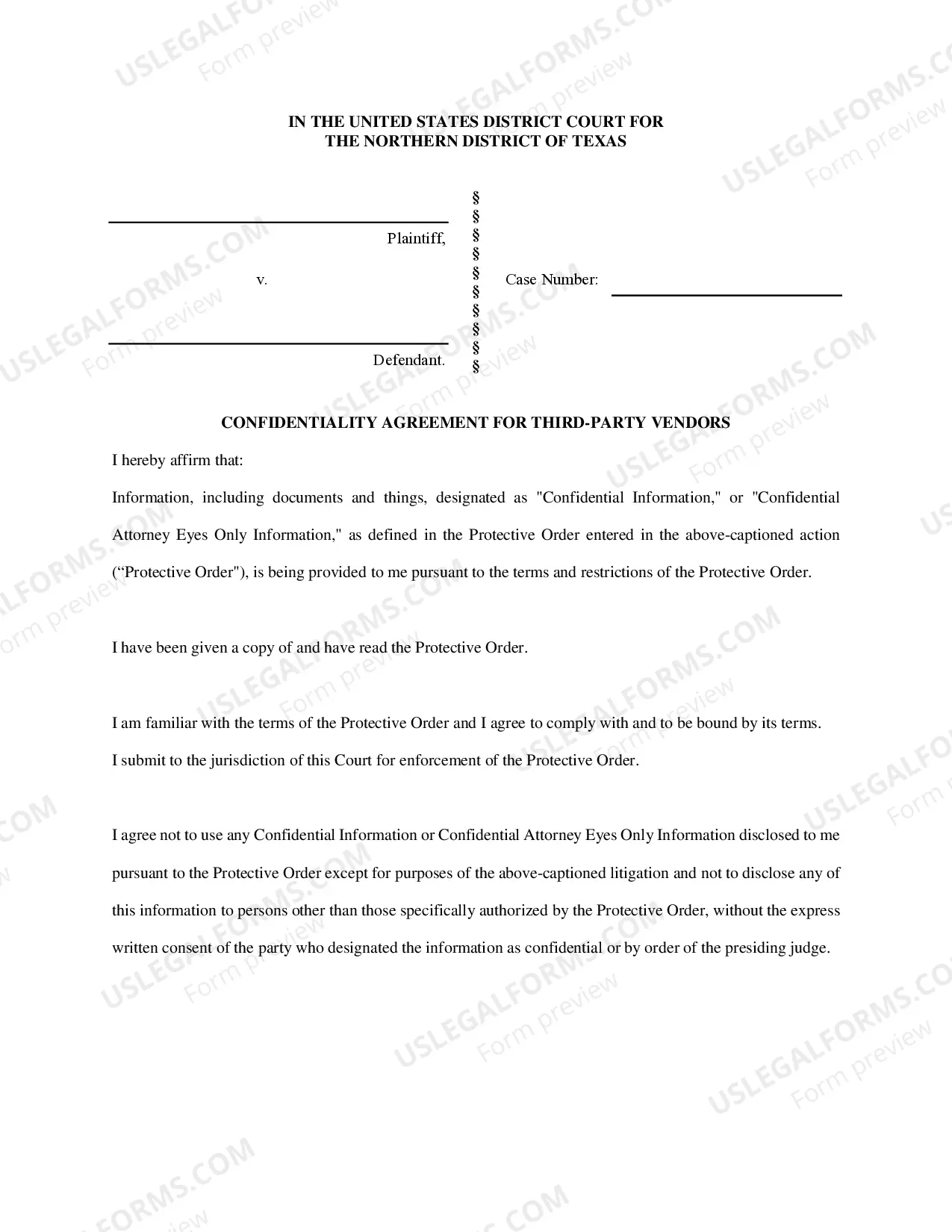

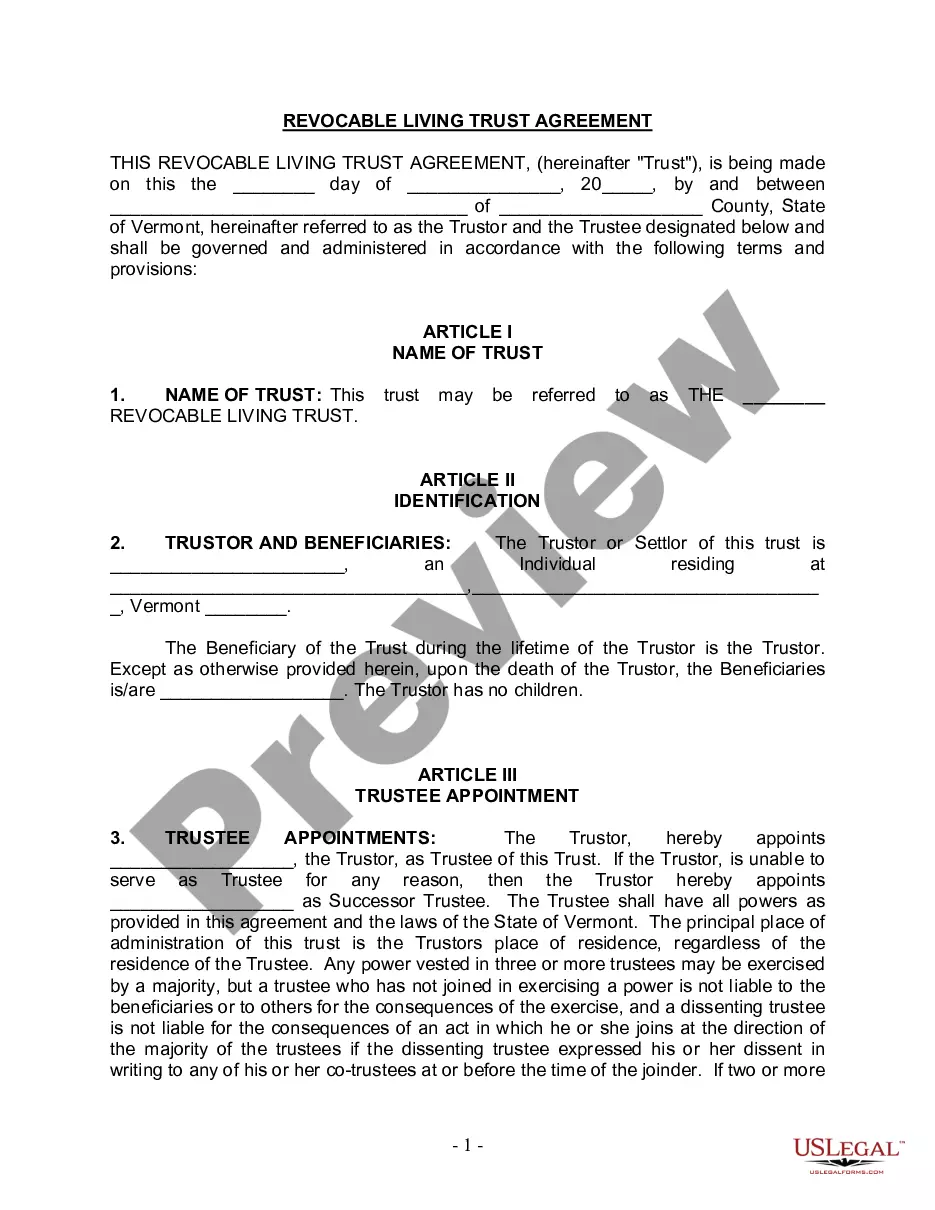



Form popularity
FAQ
Timeframe for Filing a Defective Product Claim The statute of limitations for a product liability claim in Michigan is three years from the date of injury.
(a) Except as otherwise provided in subdivision (b), an indictment may be found and filed within 6 years after the offense is committed.
Michigan criminal statute of limitations law sets the limit at six years for misdemeanors and six to 10 years for most felonies.
The FTC's Bureau of Consumer Protection stops unfair, deceptive and fraudulent business practices by: collecting complaints and conducting investigations. suing companies and people that break the law.
The Michigan Consumer Protection Act only applies to individuals who engage in transactions that are not “specifically” authorized by law, regardless of whether the specific misconduct alleged is prohibited.
Statute of Limitations An action must be brought within six years after the occurrence of the method, act, or practice that is the subject of the action or no later than one year after the last payment in a transaction involving that method, act, or practice, whichever time period ends at a later date.
Ing to Michigan law, your creditor has up to 6 years (from the date of your last payment) to collect on a debt, including obtaining a judgment on the debt. By getting a judgment, your creditor can pursue collections (likely a garnishment) almost indefinitely as long as they renew the judgment every 10 years.
Michigan Compiled Laws Chapter 445, Act 331 is more commonly known as the Michigan Consumer Protection Act (“MCPA”) and it is a state law that provides consumers with legal protection from unfair methods, acts, or practices during trade or commerce.
An Act to provide for protection of the interests of consumers and for the said purpose, to establish authorities for timely and effective administration and settlement of consumers' disputes and for matters connected therewith or incidental thereto.
The Act gives consumers a clear right to the repair or replacement of faulty digital content, such as online film and games, music downloads and e-books. The law here had been unclear and this change has brought us up to date with how digital products have evolved.
