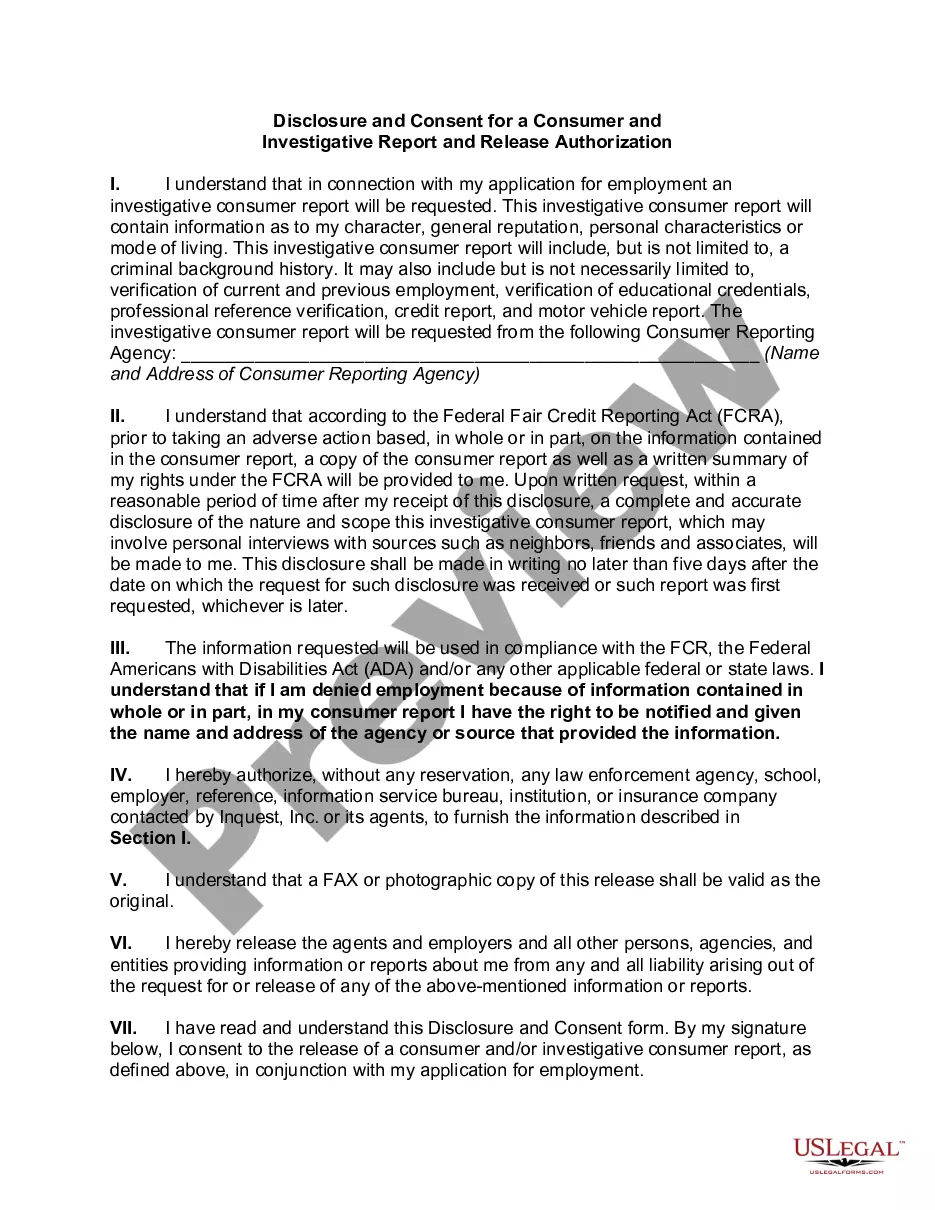
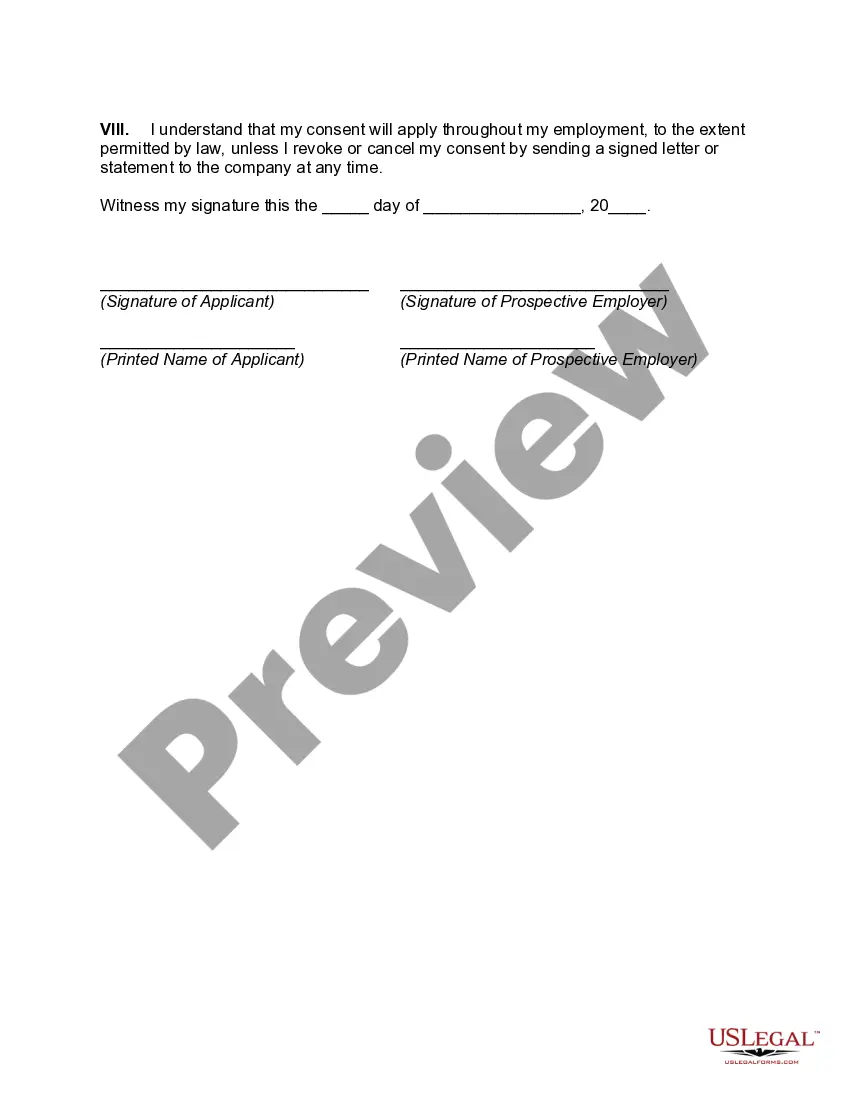
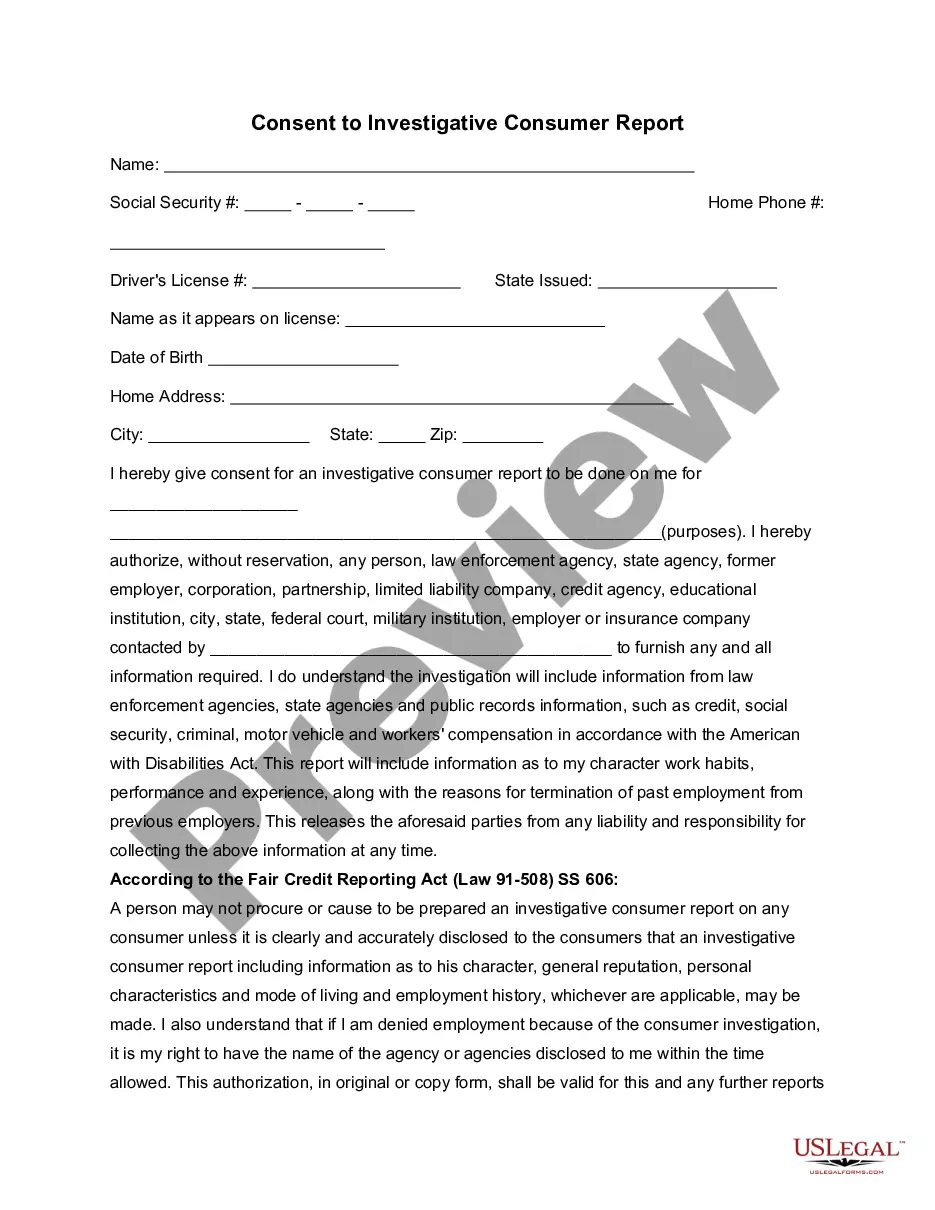
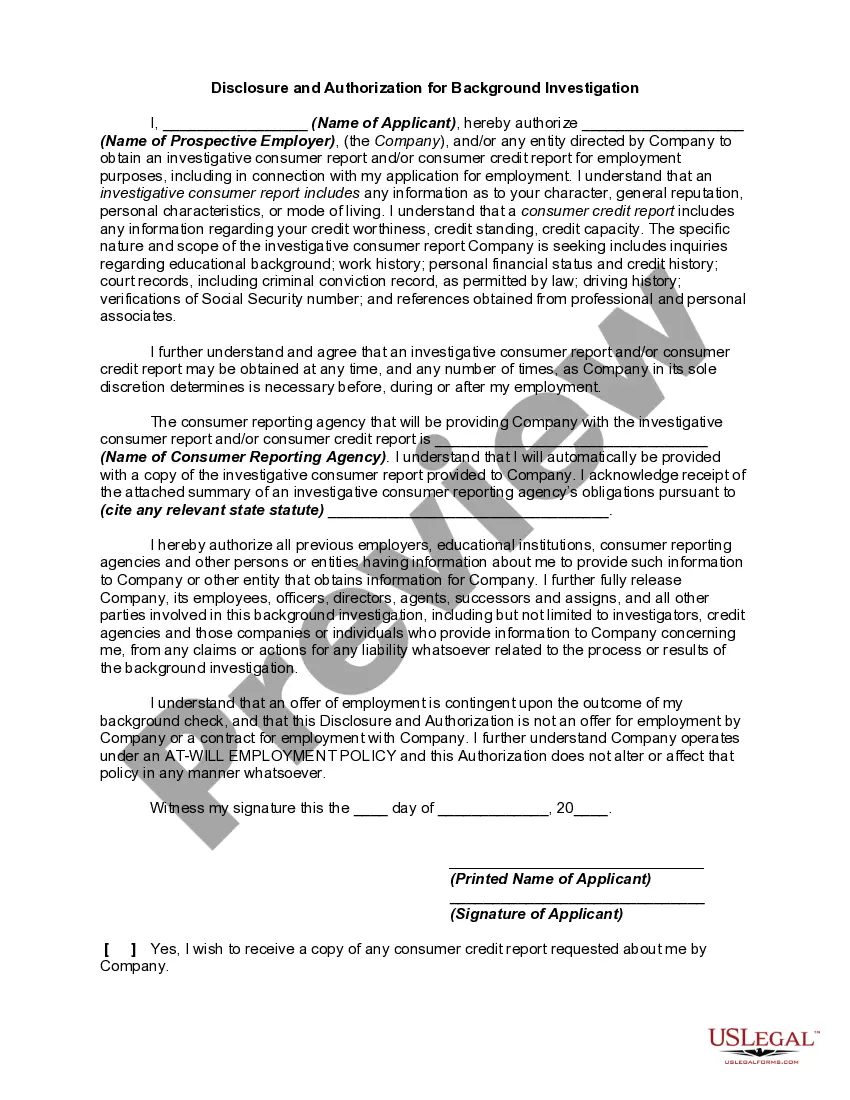
Consumer Investigative Release With Case Laws In Georgia
Description
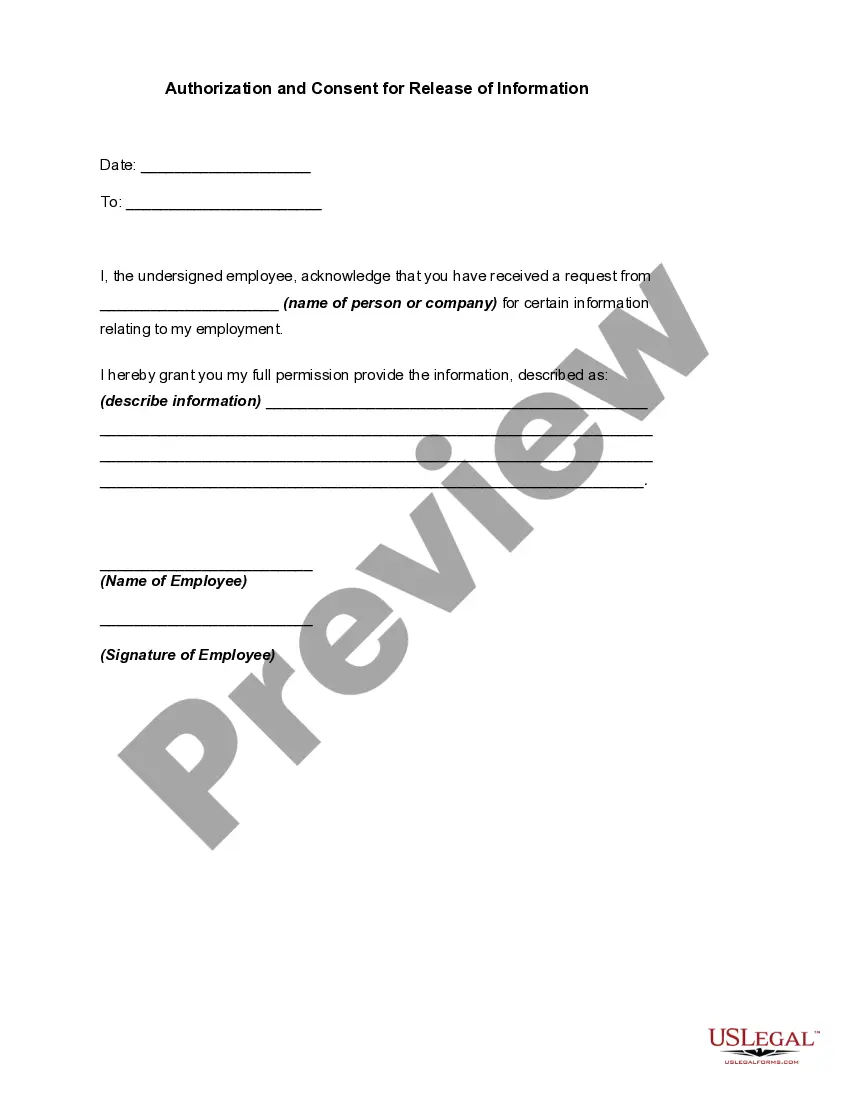
Get your form ready online
Our built-in tools help you complete, sign, share, and store your documents in one place.
Make edits, fill in missing information, and update formatting in US Legal Forms—just like you would in MS Word.
Download a copy, print it, send it by email, or mail it via USPS—whatever works best for your next step.
Sign and collect signatures with our SignNow integration. Send to multiple recipients, set reminders, and more. Go Premium to unlock E-Sign.
If this form requires notarization, complete it online through a secure video call—no need to meet a notary in person or wait for an appointment.
We protect your documents and personal data by following strict security and privacy standards.

Make edits, fill in missing information, and update formatting in US Legal Forms—just like you would in MS Word.

Download a copy, print it, send it by email, or mail it via USPS—whatever works best for your next step.

Sign and collect signatures with our SignNow integration. Send to multiple recipients, set reminders, and more. Go Premium to unlock E-Sign.

If this form requires notarization, complete it online through a secure video call—no need to meet a notary in person or wait for an appointment.

We protect your documents and personal data by following strict security and privacy standards.
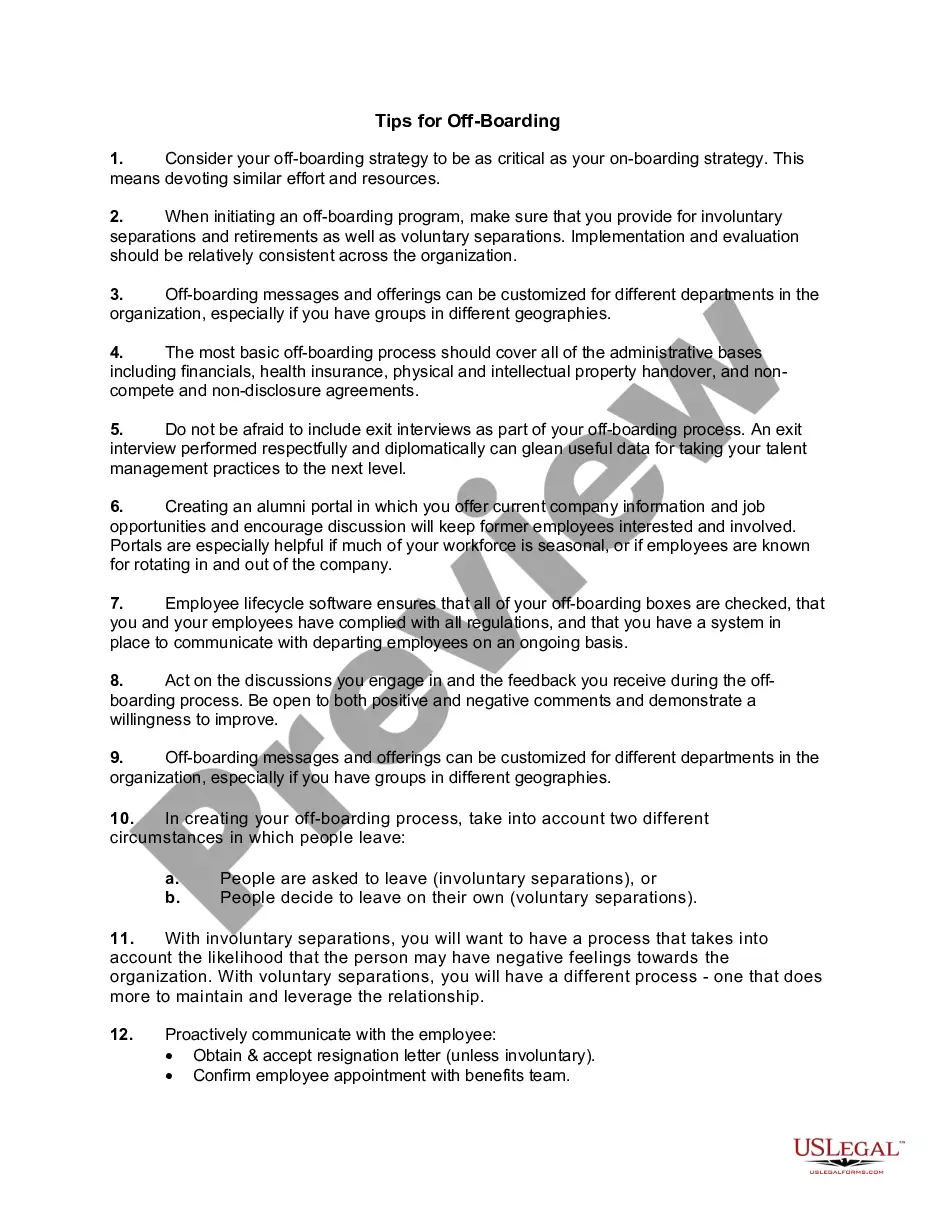
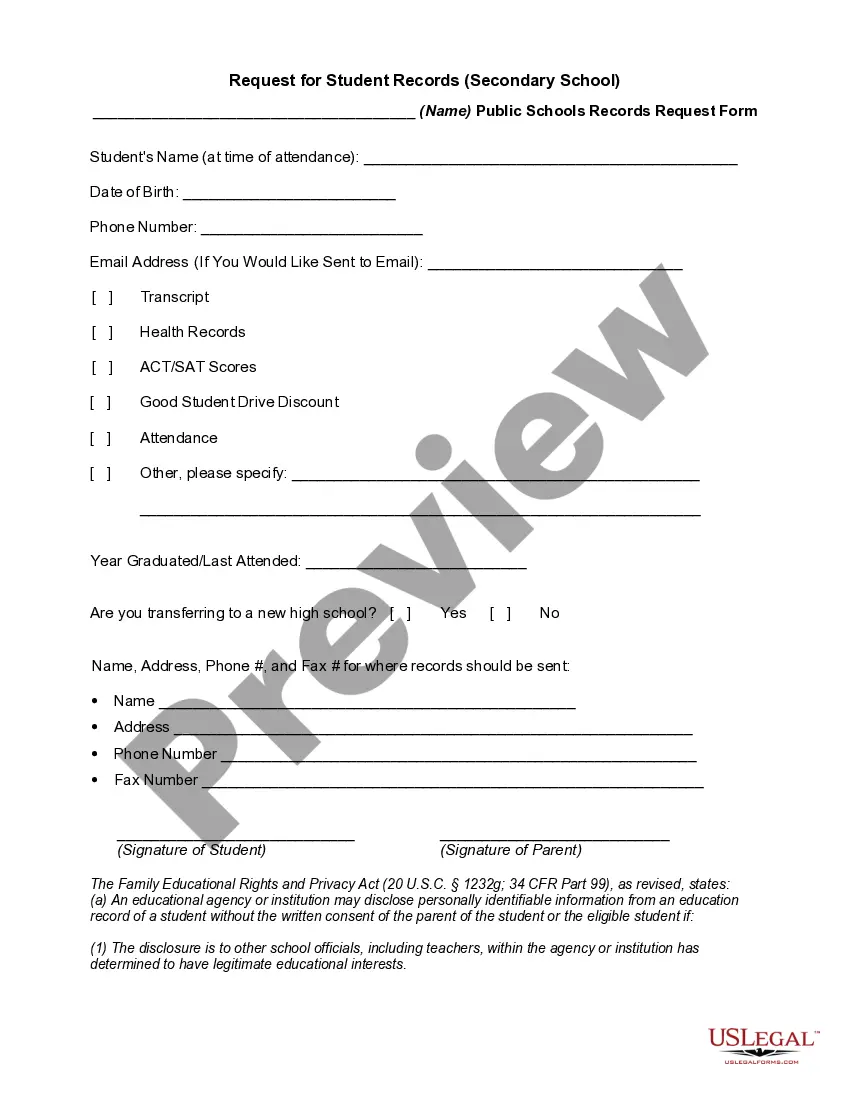
Looking for another form?






Form popularity
FAQ
Select federal consumer protection statutes, which apply nationwide, include the Federal Trade Commission Act (“FTC Act”), the Dodd-Frank Wall Street Reform and Consumer Protection Act (“Dodd-Frank Act”), the Gramm-Leach-Bliley Act (“GLB Act”), the Truth in Lending Act (“TILA”), the Fair Credit Reporting Act (“FCRA”), ...
These rights are: the right to equality in the consumer market; privacy; choice; disclosure and information; fair and responsible marketing; fair and honest dealing; fair, just and reasonable terms and conditions; and fair value, good quality and safety.
Select federal consumer protection statutes, which apply nationwide, include the Federal Trade Commission Act (“FTC Act”), the Dodd-Frank Wall Street Reform and Consumer Protection Act (“Dodd-Frank Act”), the Gramm-Leach-Bliley Act (“GLB Act”), the Truth in Lending Act (“TILA”), the Fair Credit Reporting Act (“FCRA”), ...
Georgia's Fair Business Practices Act prohibits unfair and deceptive acts or practices in the marketplace. This law applies to consumer transactions involving the sale, lease or rental of goods, services or property mainly for personal, family or household purposes.
The Georgia Inform Consumers Act establishes financial and contact information requirements and disclosures for third-party, high-volume sellers operating on online marketplaces.
The FTC's Bureau of Consumer Protection stops unfair, deceptive and fraudulent business practices by collecting reports from consumers and conducting investigations, suing companies and people that break the law, developing rules to maintain a fair marketplace, and educating consumers and businesses about their rights ...
Consumer laws include: The Fair Debt Collection Practices Act (FDCPA). This law bars debt collectors from using unfair and deceptive methods to collect outstanding debts. The Fair Credit Reporting Act (FCRA) protects information gathered by consumer reporting agencies.
Georgia's Fair Business Practices Act prohibits unfair and deceptive acts or practices in the marketplace. This law applies to consumer transactions involving the sale, lease or rental of goods, services or property mainly for personal, family or household purposes.
Records in the Georgia Open Records Act that are exempt are records related to the provision of staff services to individual members of the General Assembly by the Legislative and Congressional Reapportionment Office, the Senate Research Office, or the House Research Office, or GIS Data.
Under the Georgia Open Records Act, all public records are available for inspection and copying unless they are specifically exempted from disclosure under the law.