Consumer Investigative Release Format In Dallas
Description
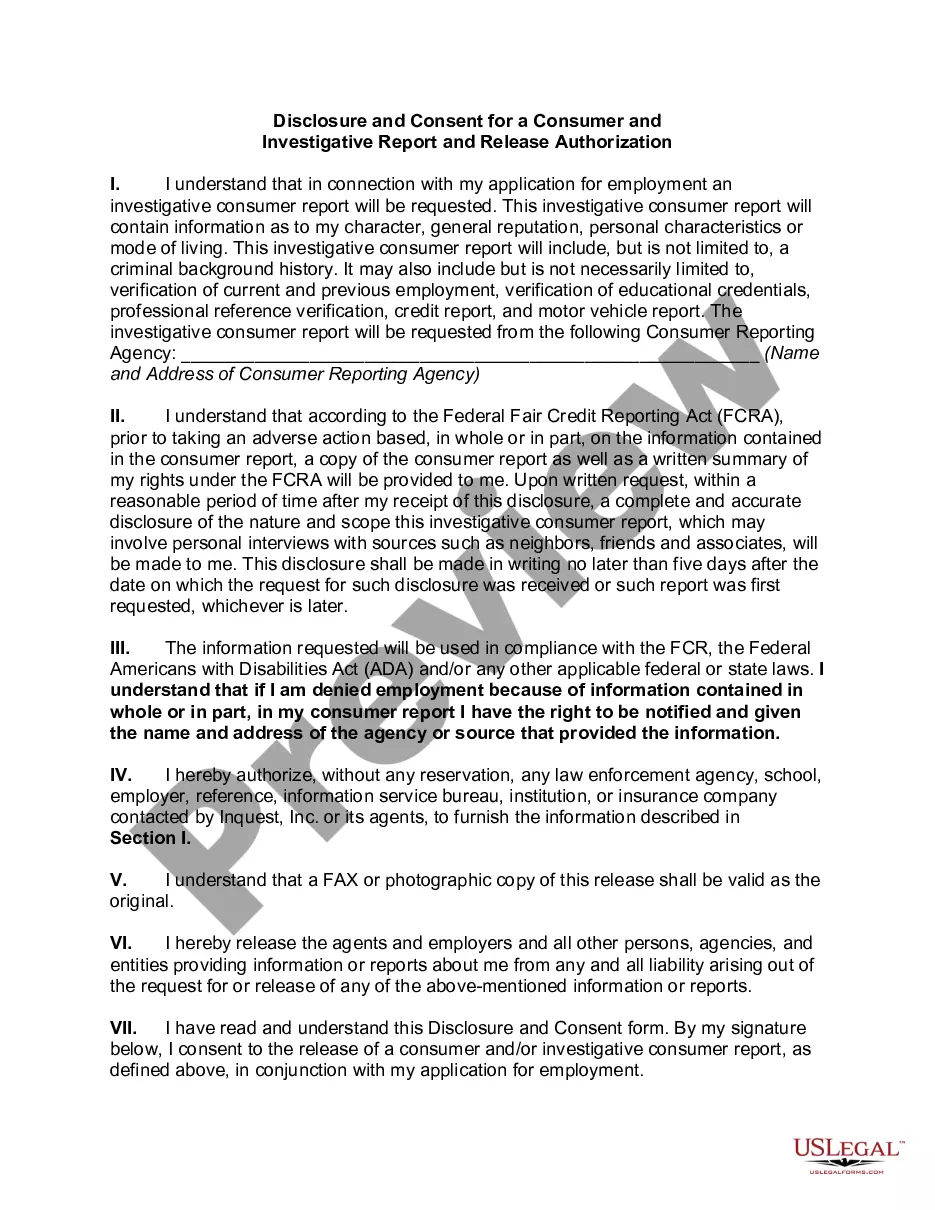
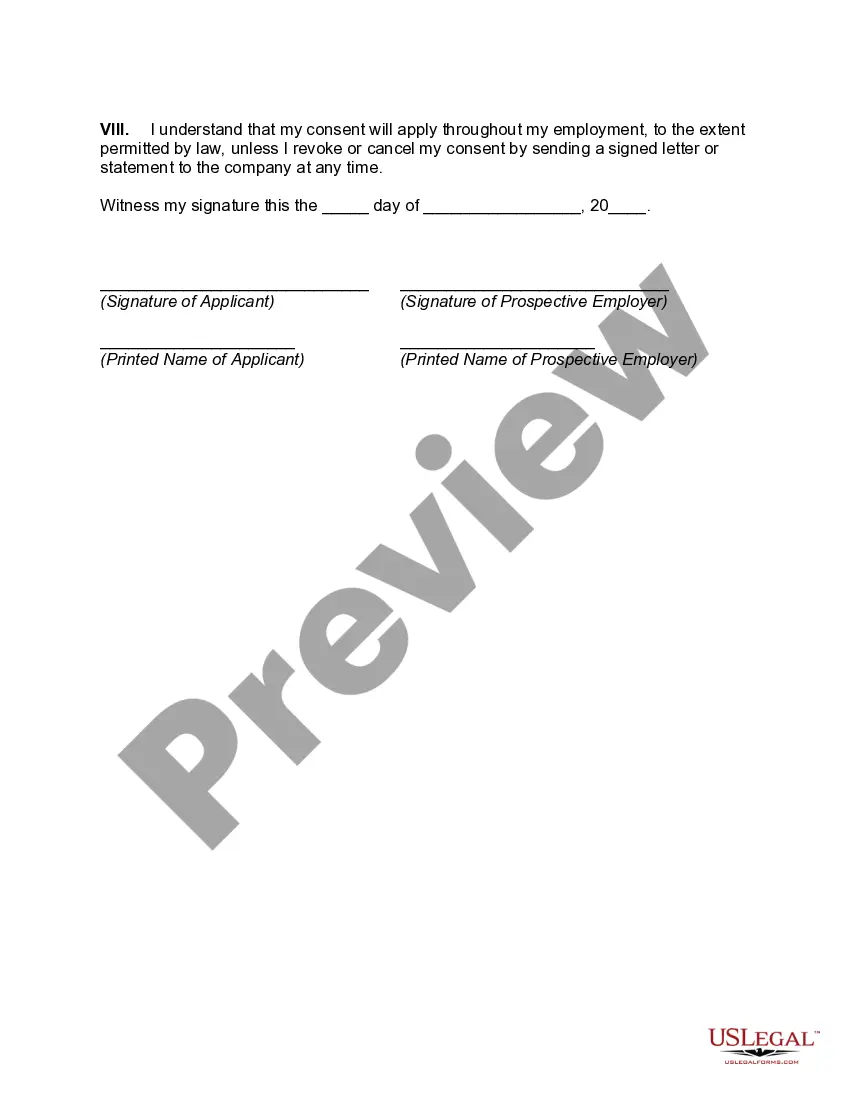
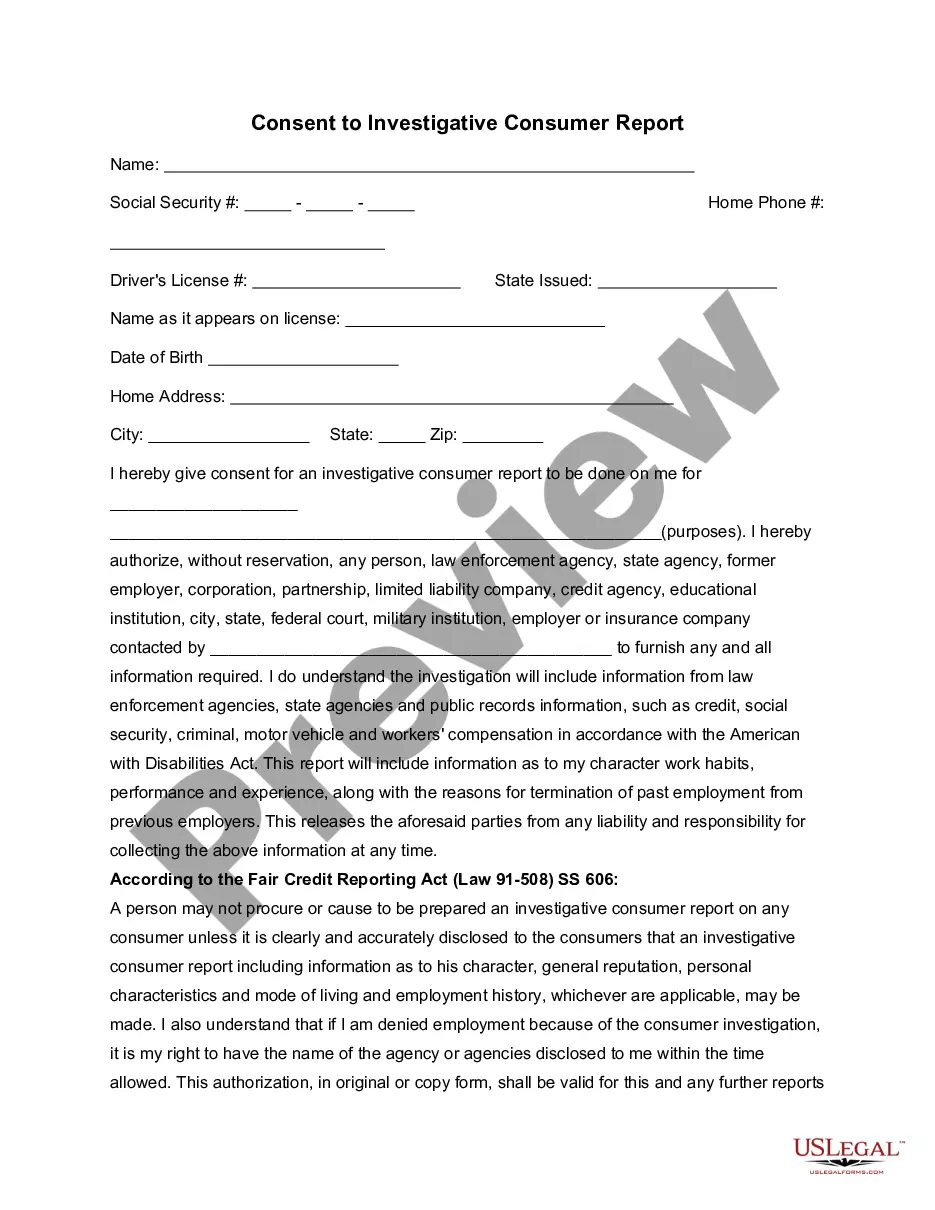
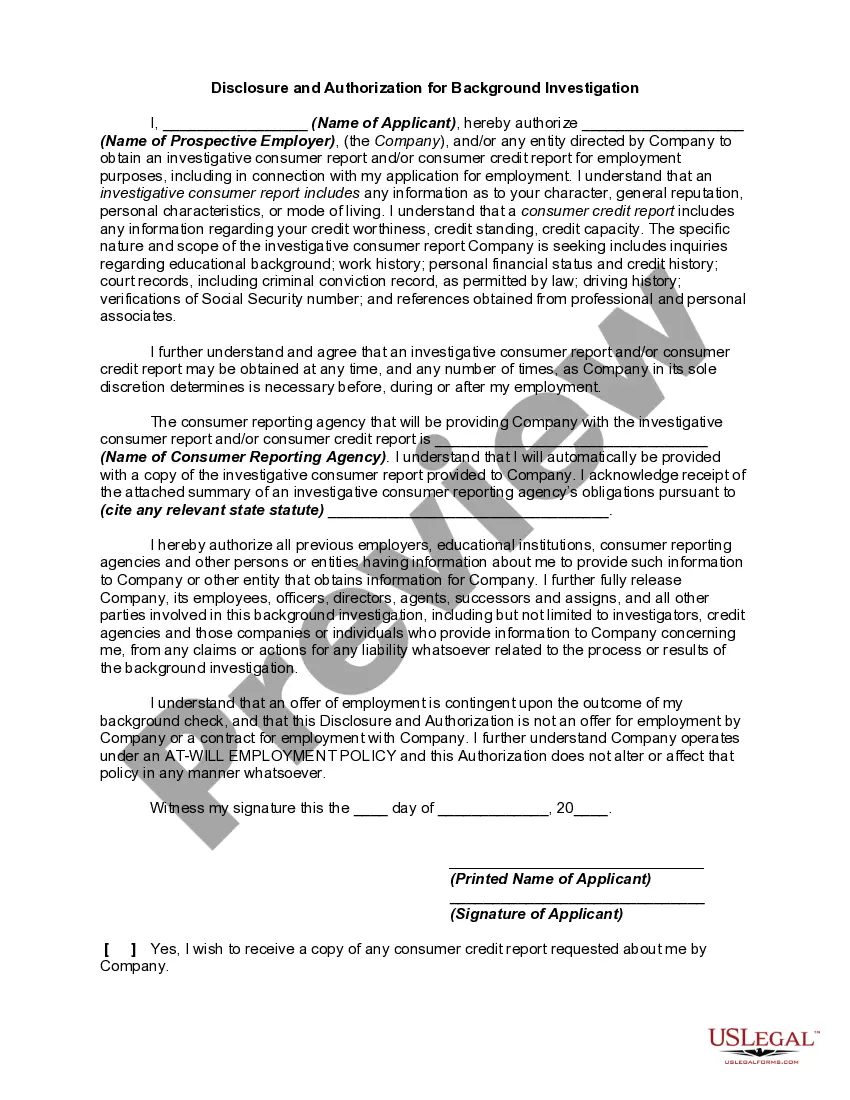
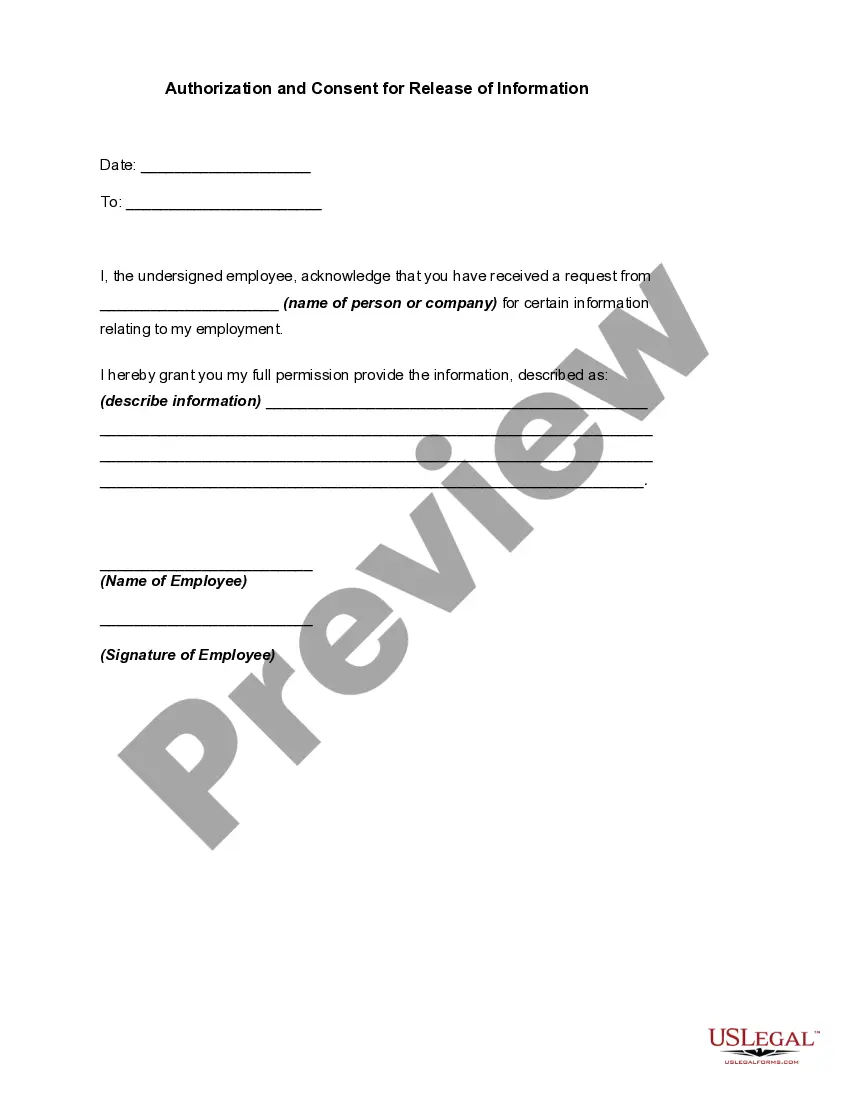
Get your form ready online
Our built-in tools help you complete, sign, share, and store your documents in one place.
Make edits, fill in missing information, and update formatting in US Legal Forms—just like you would in MS Word.
Download a copy, print it, send it by email, or mail it via USPS—whatever works best for your next step.
Sign and collect signatures with our SignNow integration. Send to multiple recipients, set reminders, and more. Go Premium to unlock E-Sign.
If this form requires notarization, complete it online through a secure video call—no need to meet a notary in person or wait for an appointment.
We protect your documents and personal data by following strict security and privacy standards.

Make edits, fill in missing information, and update formatting in US Legal Forms—just like you would in MS Word.

Download a copy, print it, send it by email, or mail it via USPS—whatever works best for your next step.

Sign and collect signatures with our SignNow integration. Send to multiple recipients, set reminders, and more. Go Premium to unlock E-Sign.

If this form requires notarization, complete it online through a secure video call—no need to meet a notary in person or wait for an appointment.

We protect your documents and personal data by following strict security and privacy standards.
Looking for another form?
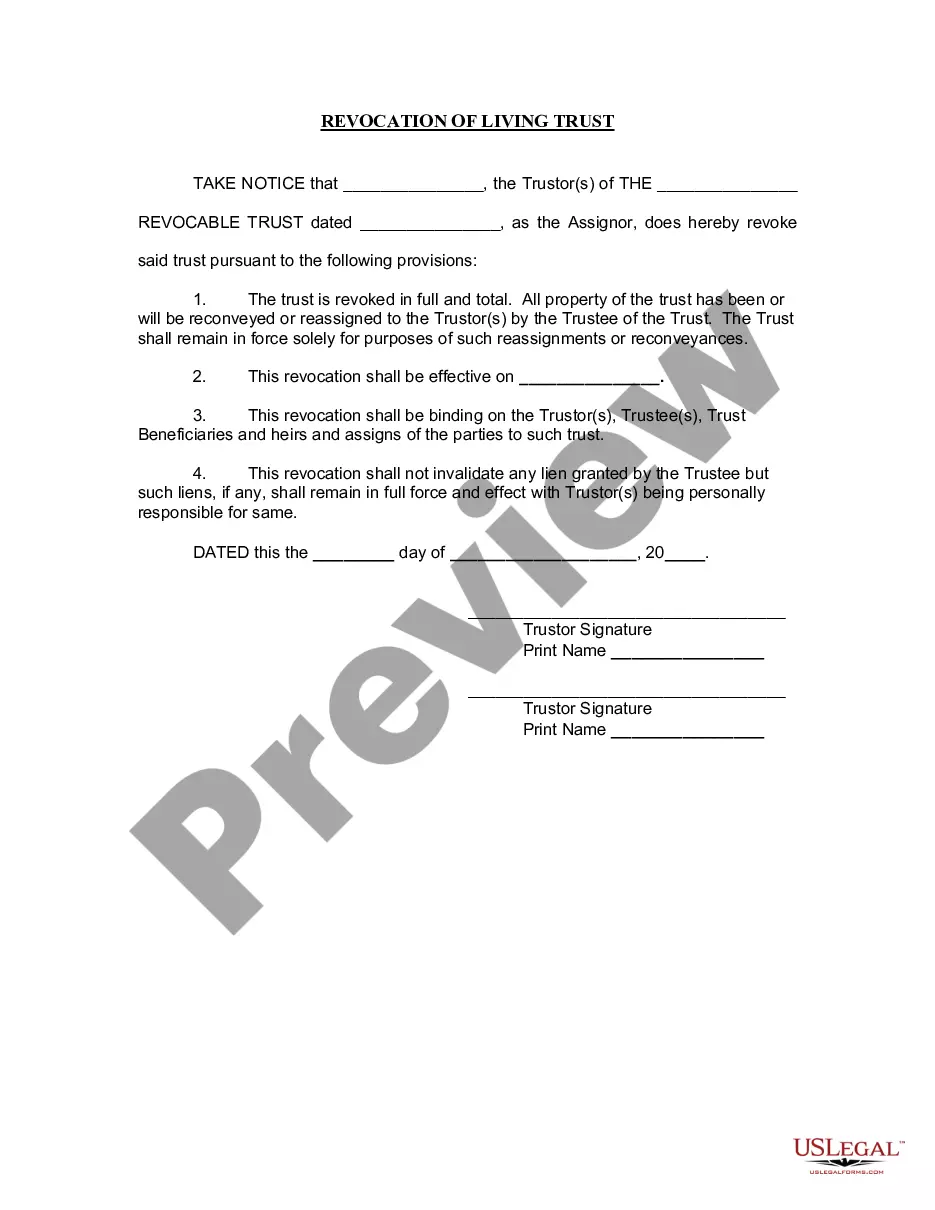


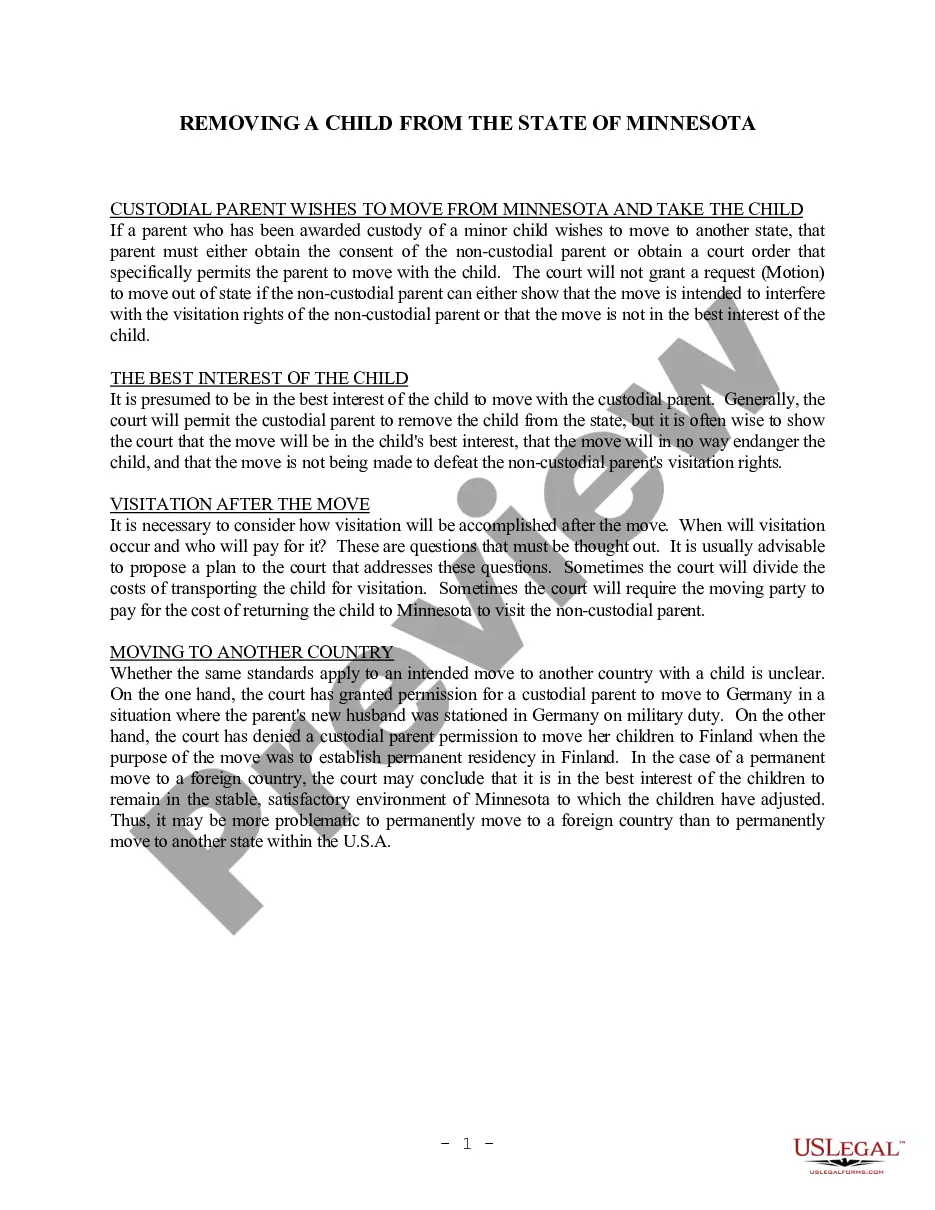




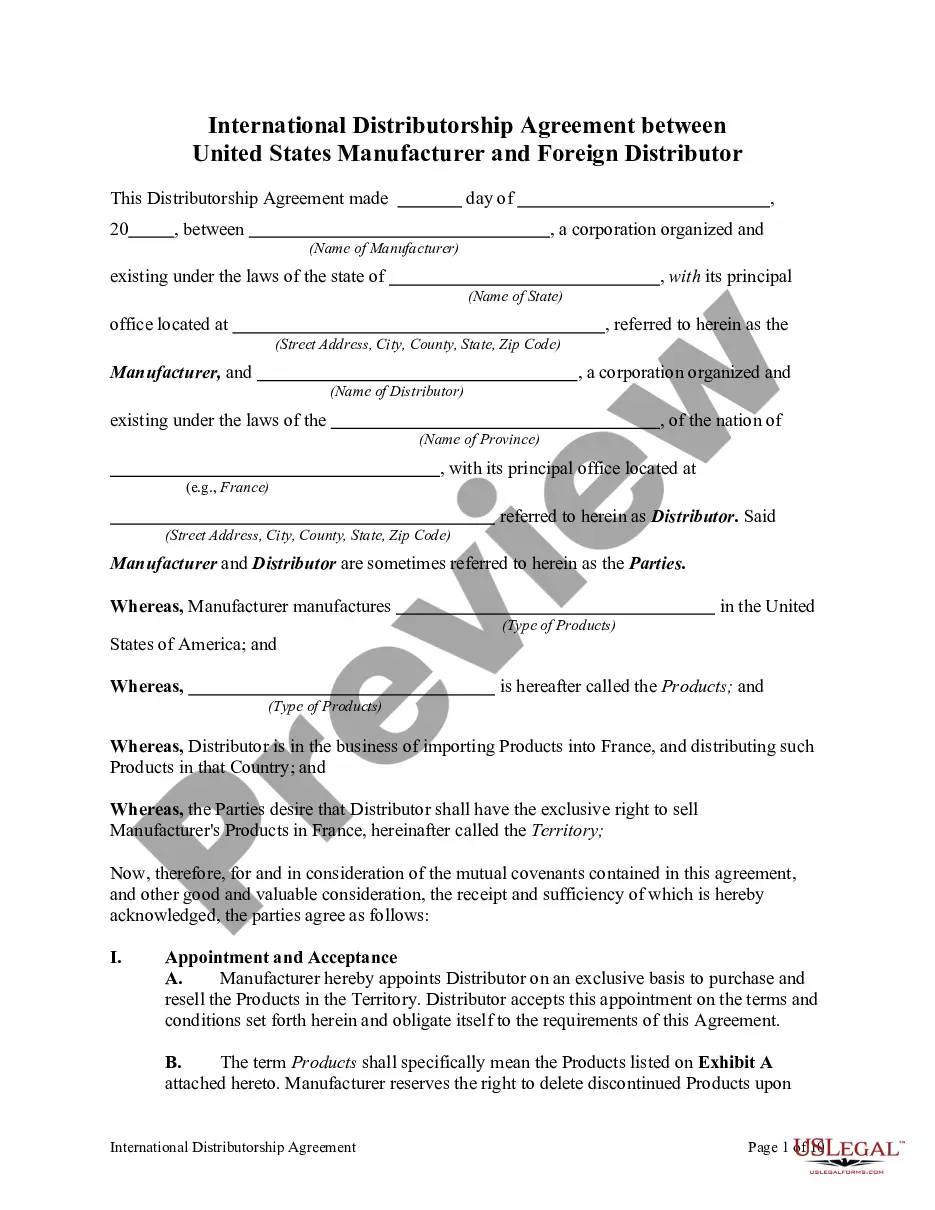
Form popularity
FAQ
The Deceptive Trade Practices Act (DTPA) is the leading consumer protection legislation in Texas. This e-book provides comprehensive, in-depth, and practical information as well as forms and checklists for those involved in a DTPA lawsuit.
The complainant (person making the complaint) must, in good faith, make full, fair, and honest disclosure of all facts and circumstances known to him/her at the time the complaint is made. The facts, as presented, must be in the form of an affidavit and signed under oath.
The Texas Deceptive Trade Practices-Consumer Protection Act ("DTPA") was enacted on . The full text can be found starting at section 17.41 of the Texas Business and Commerce Code.
File a complaint with your local consumer protection office or the state agency that regulates the company. Notify the Better Business Bureau (BBB) in your area about your problem. The BBB tries to resolve your complaints against companies.
The primary tool the Office of the Attorney General uses to protect Texas consumers is the Deceptive Trade Practices Act (DTPA). This law lists many practices that are false, deceptive, or misleading. When you fall victim to illegal practices covered by the DTPA, you may have the right to sue for damages under the act.
Contact the company about your complaint A salesperson or customer service representative. Search for a company's customer service contact information on their website. Take your complaint to a company's management if a salesperson or customer service representative did not help.
File a Complaint Consumer Protection Complaints. Consumer Protection Hotline: (800) 621-0508. Sanctuary Complaints. Sanctuary Complaints Hotline: (844) 584-3006. Handgun License Holder Complaints. Handgun License Holder Complaints Hotline: (844) 584-3006. Charitable Trusts Complaints. File a Complaint.
The Texas Data Privacy and Security Act (TDPSA) establishes new laws for collecting, storing, processing, and selling consumer information linked to a specific individual. TDPSA was passed as House Bill 4 during the regular session of the 88th Texas Legislature.
Investigative consumer reports contain information on an individual that is not in their credit report, including their "character, general reputation, personal characteristics, or mode of living" and are most often used by employers to check on job applicants.
By signing this form, you are giving consent to have your consumer/credit reports furnished by consumer reporting agencies as part of an investigation to determine your suitability or fitness for federal employment or fitness to perform work under a contract.
