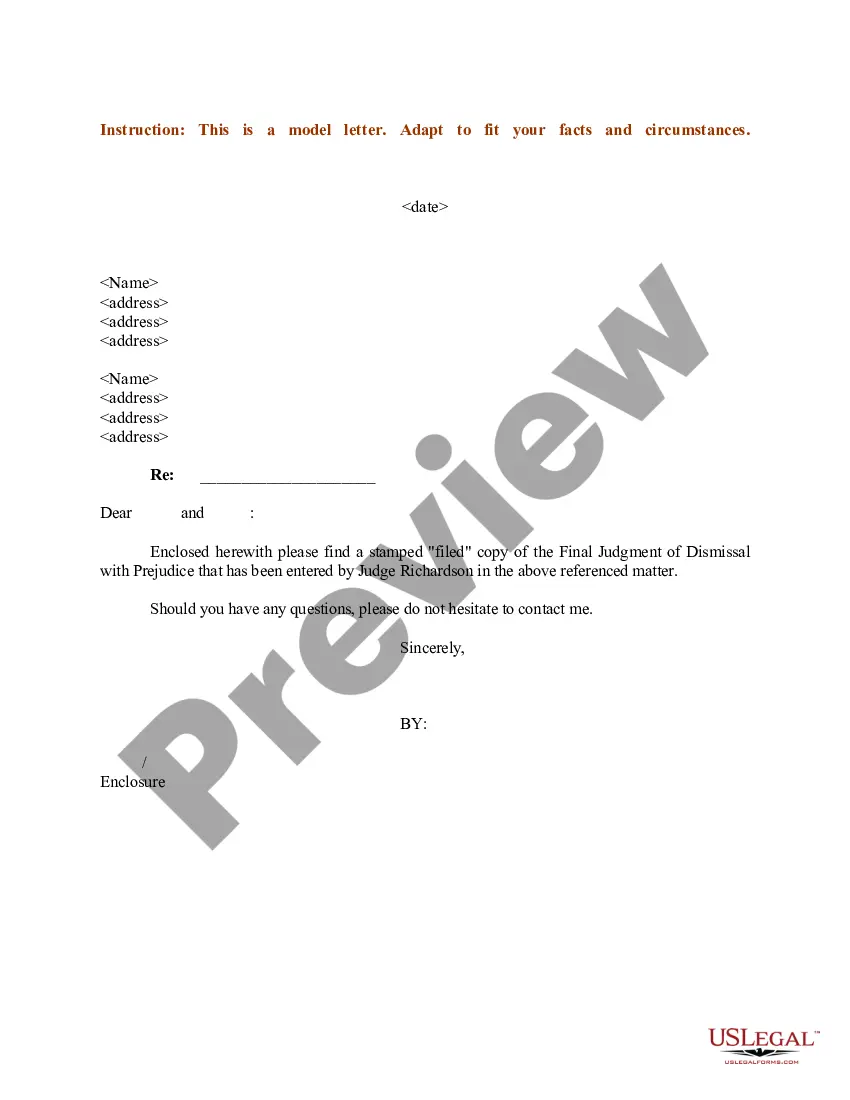
Template Without Prejudice Letter Uk In Travis
Description

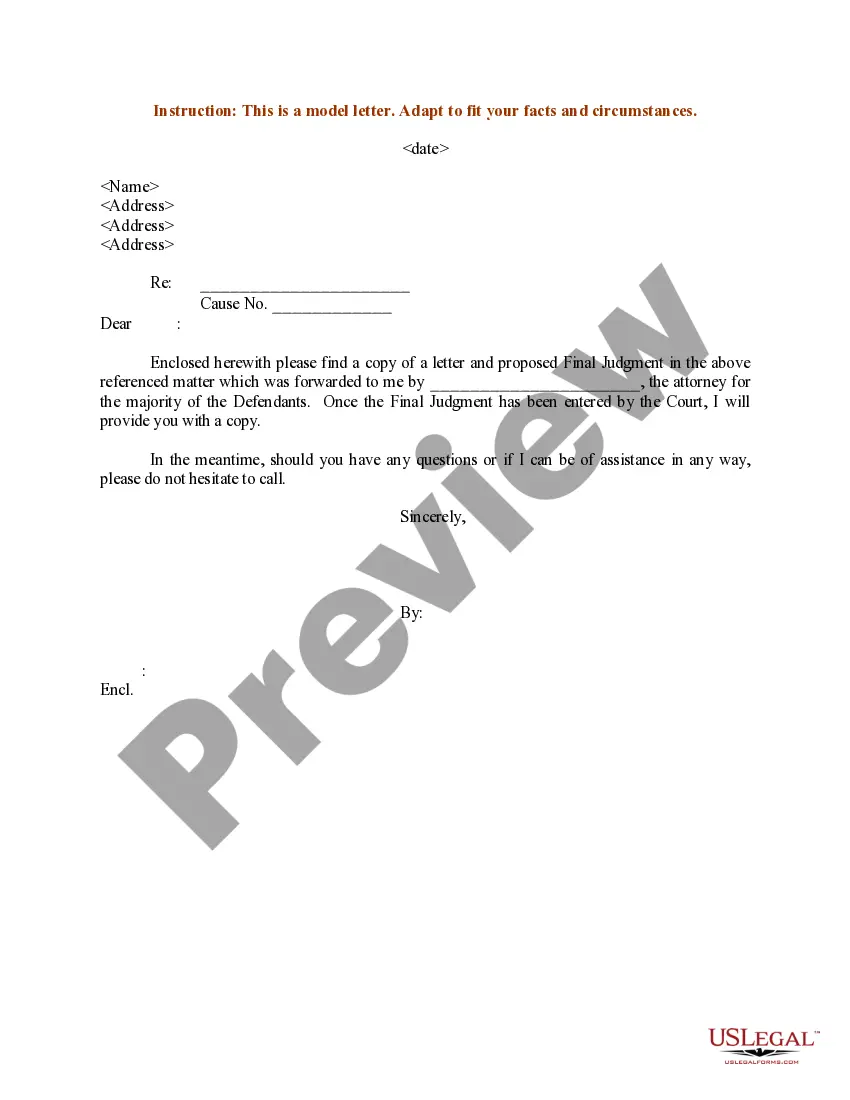
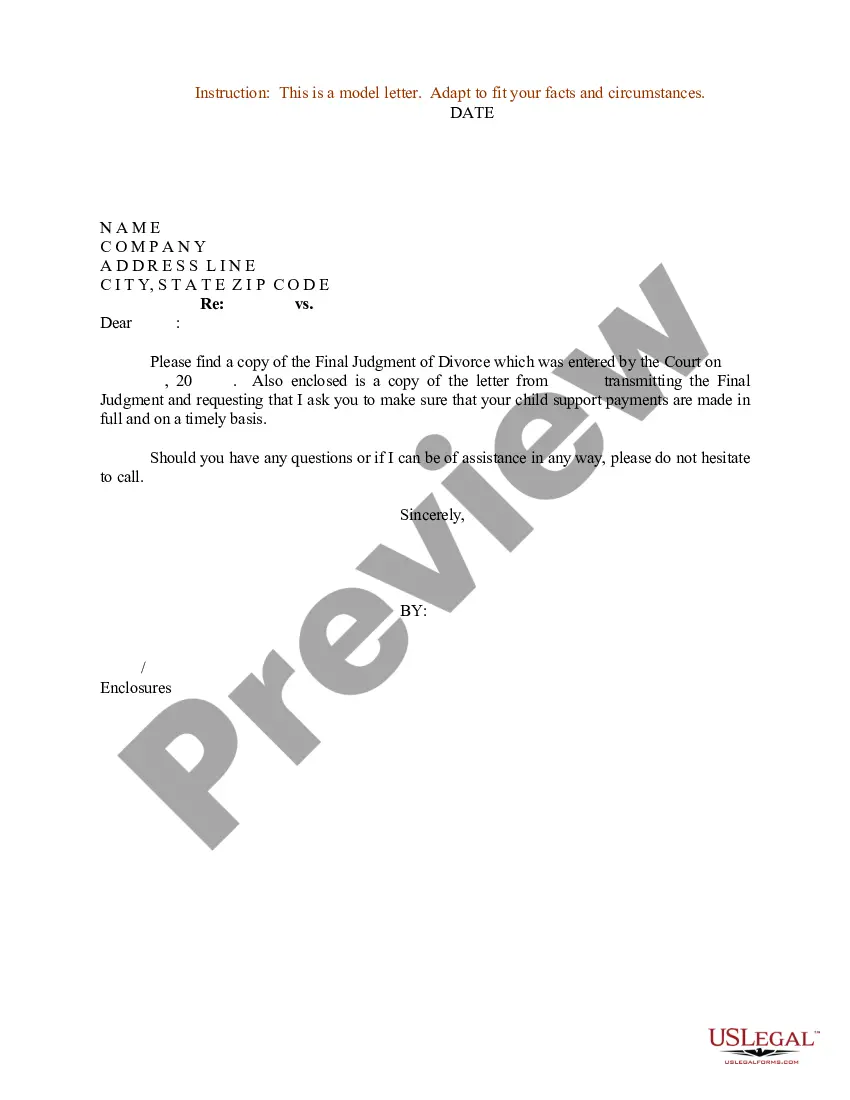
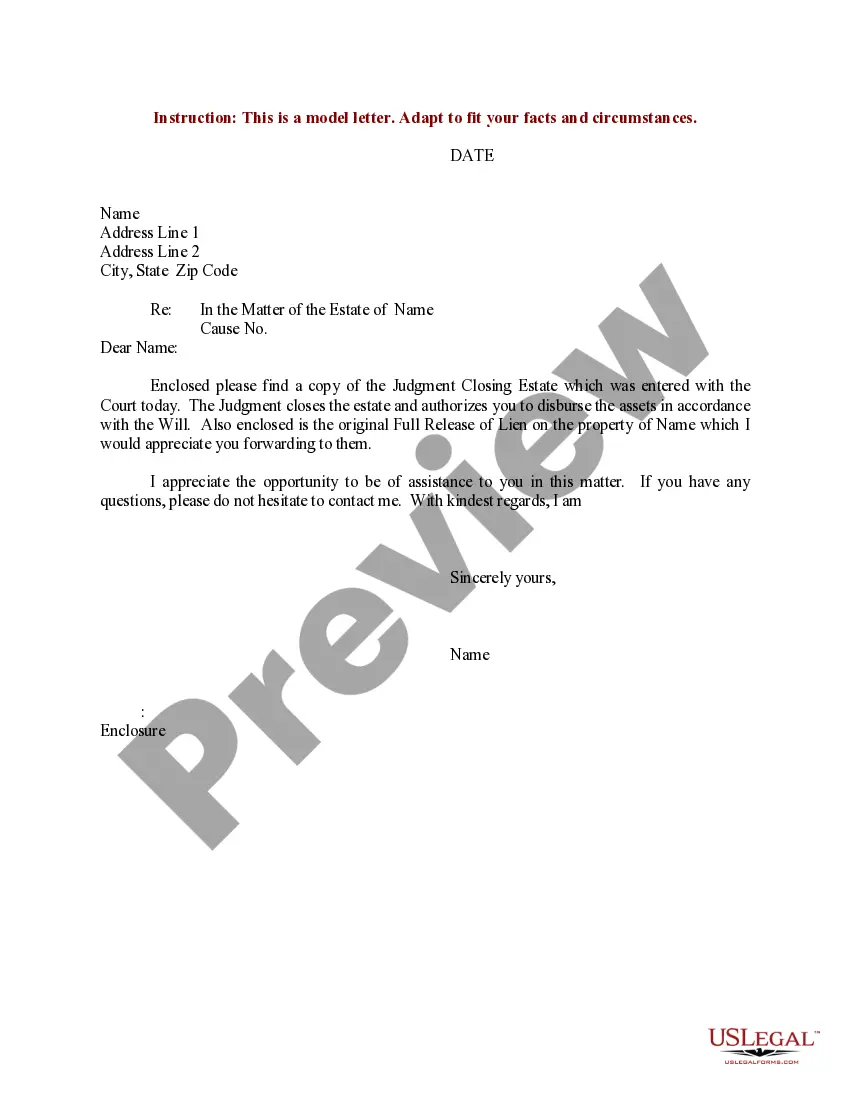
Get your form ready online
Our built-in tools help you complete, sign, share, and store your documents in one place.
Make edits, fill in missing information, and update formatting in US Legal Forms—just like you would in MS Word.
Download a copy, print it, send it by email, or mail it via USPS—whatever works best for your next step.
Sign and collect signatures with our SignNow integration. Send to multiple recipients, set reminders, and more. Go Premium to unlock E-Sign.
If this form requires notarization, complete it online through a secure video call—no need to meet a notary in person or wait for an appointment.
We protect your documents and personal data by following strict security and privacy standards.

Make edits, fill in missing information, and update formatting in US Legal Forms—just like you would in MS Word.

Download a copy, print it, send it by email, or mail it via USPS—whatever works best for your next step.

Sign and collect signatures with our SignNow integration. Send to multiple recipients, set reminders, and more. Go Premium to unlock E-Sign.

If this form requires notarization, complete it online through a secure video call—no need to meet a notary in person or wait for an appointment.

We protect your documents and personal data by following strict security and privacy standards.
Looking for another form?





Form popularity
FAQ
In order for settlement discussions and agreements to be protected under the 'without prejudice' principle, there must be: an 'existing dispute' between the parties and a genuine attempt to settle that dispute, and • no 'unambiguous impropriety' in the conduct of the parties during the settlement discussions.
The 'without prejudice' label can be attached to any form of communication – letters, emails, phone calls, and meetings – whether online or otherwise. All that is required is that one or both parties state that the communication is 'without prejudice' before the communication occurs.
Where do I put the words "without prejudice" on a document or email? There are no rules about this but generally, at the top of any document or in the subject line etc - so that it is instantly clear to the reader.
If you are in a dispute with someone or trying to settle an issue before it becomes a full blown dispute, you may come across something being “Without Prejudice”. The two most common times you'll encounter this are in a letter or email from the other party or their lawyer, or in a meeting or phone call.
The Top 10 Strategies for Reducing Prejudice Travel (somewhere that challenges your worldview) ... Take a course on prejudice. If you value egalitarianism, recognize that unconscious bias is no more “the real you” than your conscious values. Laugh a little. Find some mean zombies. Do your part to save the planet.
What does without prejudice save as to costs mean? In England and Wales, if a dispute gets to court, the losing party generally pays the legal costs of the winning party. Without prejudice allows parties to have private settlement discussions that cannot be used in court if the case goes to trial.
What does 'without prejudice' mean? Without prejudice is a legal term which means 'without detriment to any right or claim'. In non-legal speak, this means that whatever is said or done on a without prejudice basis cannot later be used to your disadvantage should you decide to enforce your rights against your employer.
What does without prejudice mean? “Without prejudice” is a legal mechanism which limits who can see particular communications. For example, if your employer makes a genuine “without prejudice” offer to you in a letter then neither party will generally be able to show that letter to a court to try and prove their case.
In short, you should not say that something is “without prejudice” if you might want to be able to rely on it in court or any other type of legal proceeding. As a basic guideline, this means that you should not use the phrase in any communication that is not part of a settlement discussion or exchange.
Misrepresentation, fraud, or undue influence This exception can apply in an employment context if either party has induced the other to enter into a contract (which again would include any compromise agreement) by an untrue statement of fact.