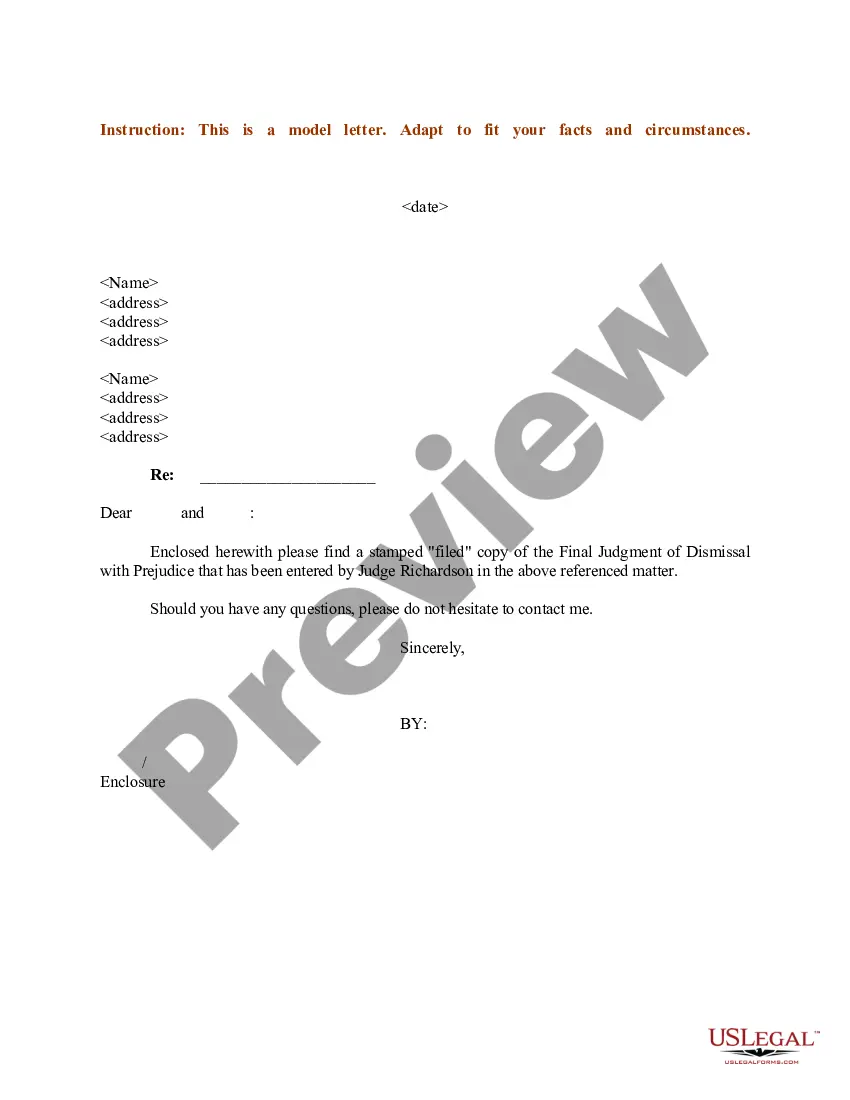
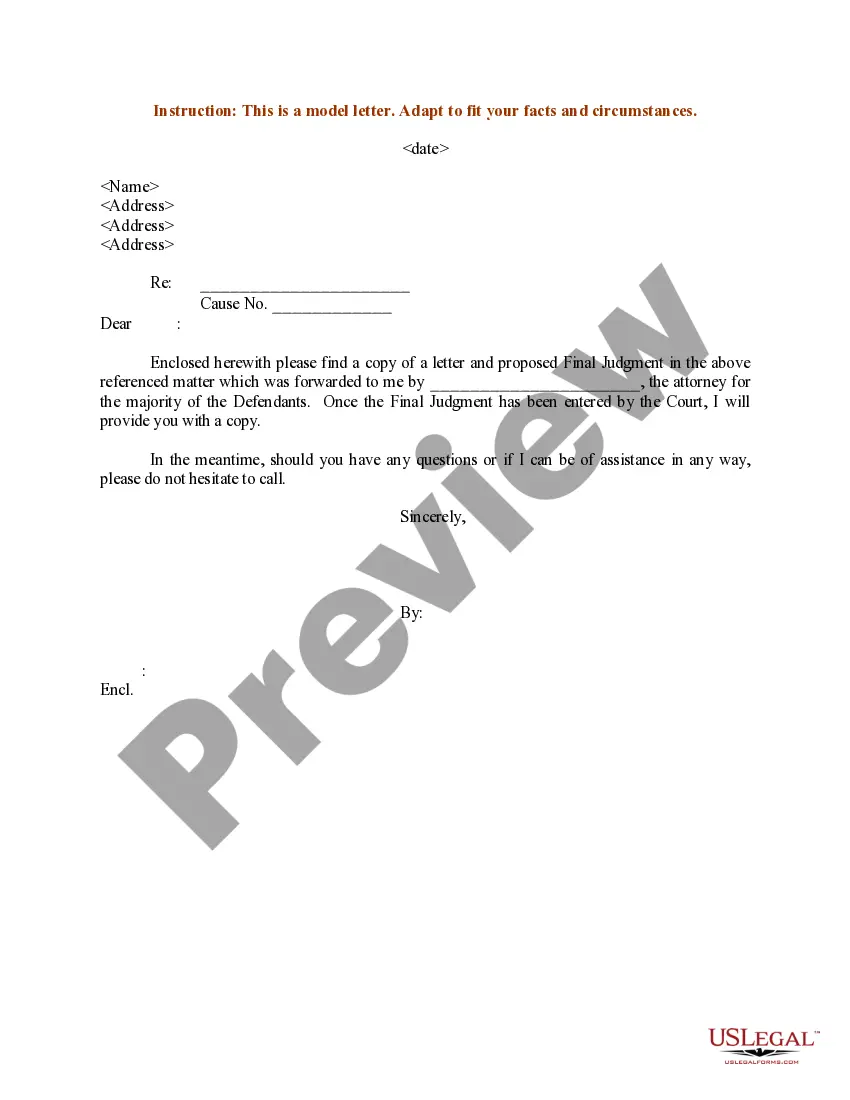
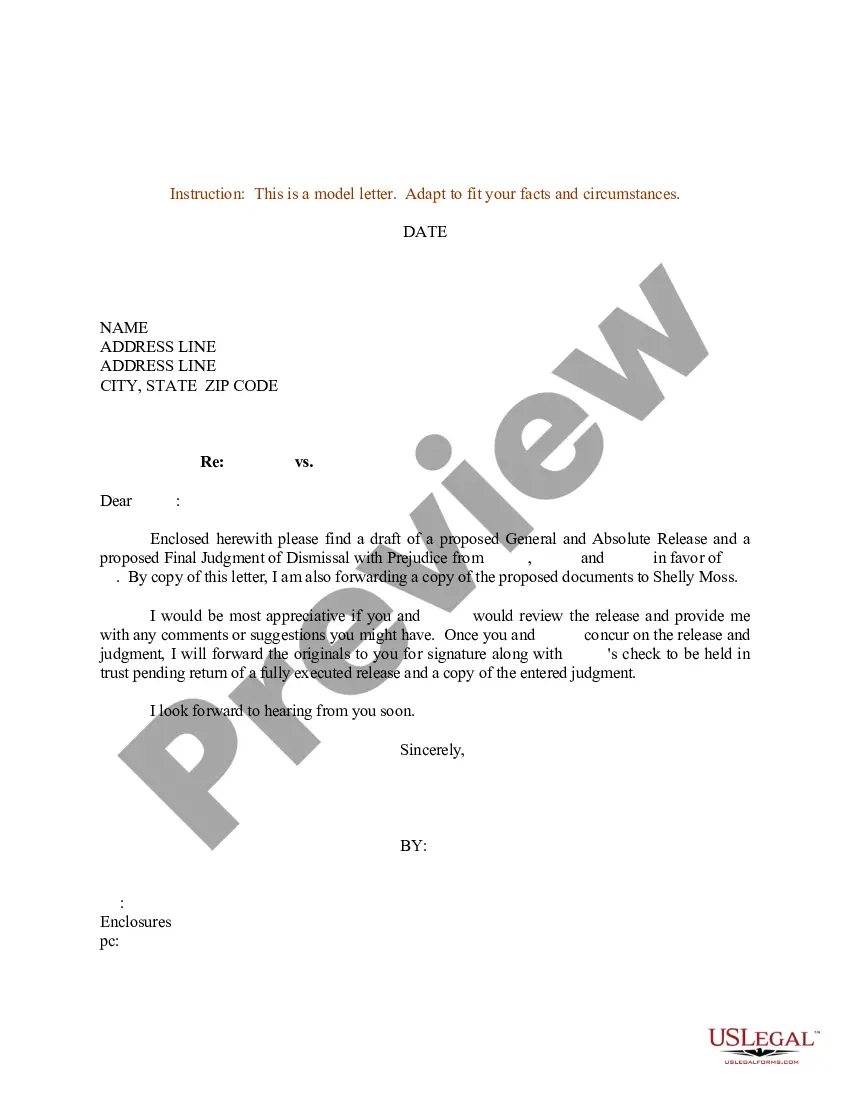
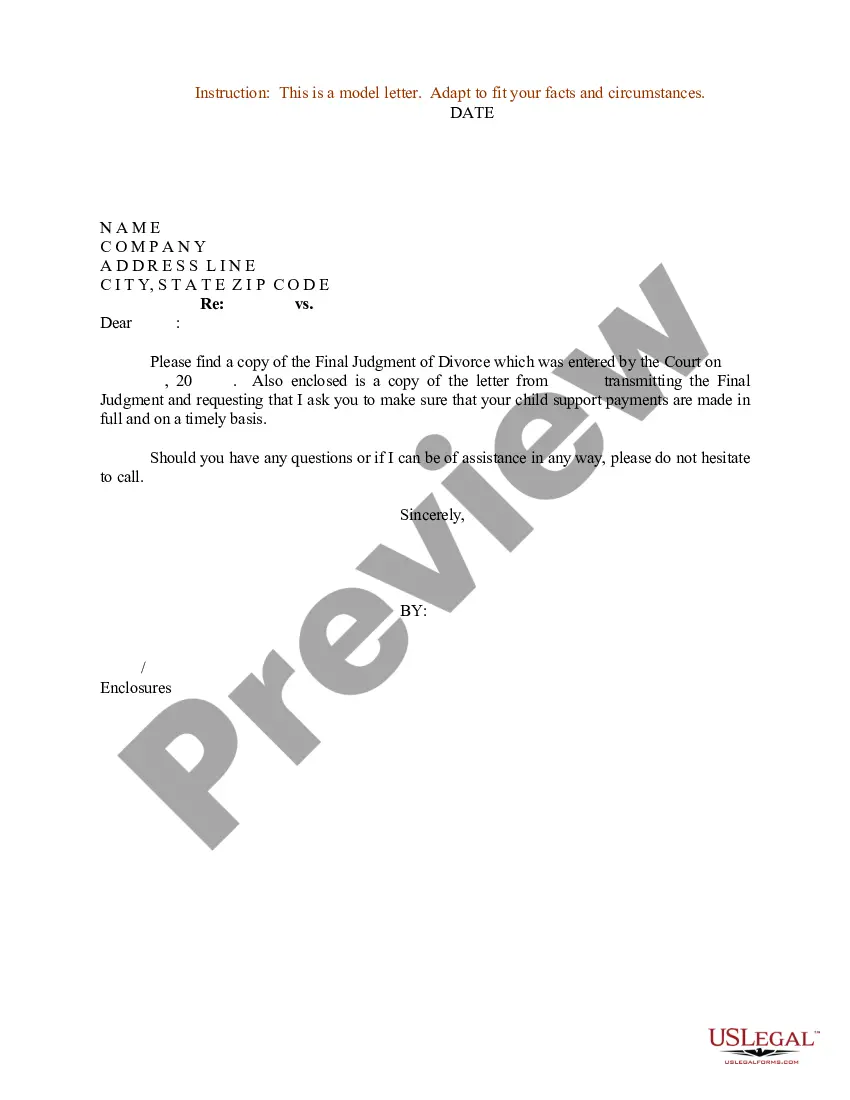
Sample Without Prejudice Letter In Florida
Description

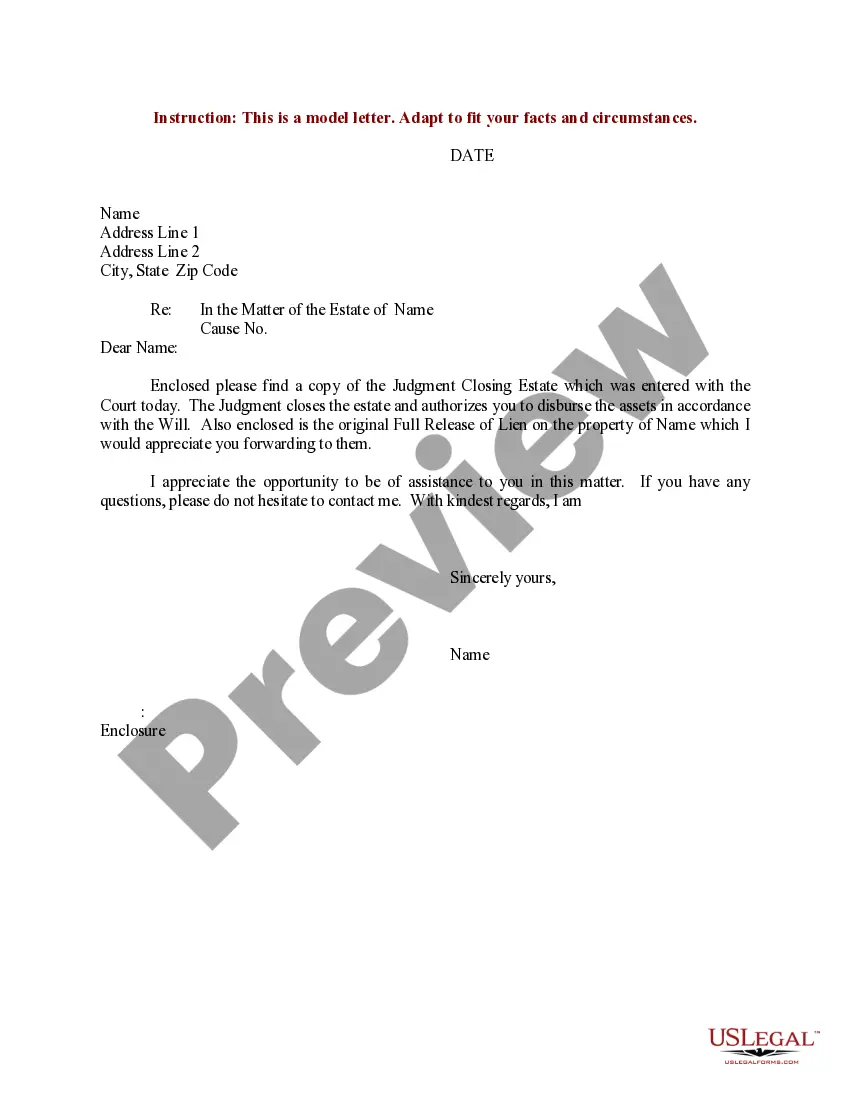
Get your form ready online
Our built-in tools help you complete, sign, share, and store your documents in one place.
Make edits, fill in missing information, and update formatting in US Legal Forms—just like you would in MS Word.
Download a copy, print it, send it by email, or mail it via USPS—whatever works best for your next step.
Sign and collect signatures with our SignNow integration. Send to multiple recipients, set reminders, and more. Go Premium to unlock E-Sign.
If this form requires notarization, complete it online through a secure video call—no need to meet a notary in person or wait for an appointment.
We protect your documents and personal data by following strict security and privacy standards.

Make edits, fill in missing information, and update formatting in US Legal Forms—just like you would in MS Word.

Download a copy, print it, send it by email, or mail it via USPS—whatever works best for your next step.

Sign and collect signatures with our SignNow integration. Send to multiple recipients, set reminders, and more. Go Premium to unlock E-Sign.

If this form requires notarization, complete it online through a secure video call—no need to meet a notary in person or wait for an appointment.

We protect your documents and personal data by following strict security and privacy standards.
Looking for another form?








Form popularity
FAQ
If a decision or action is made without prejudice to a right or claim, it is made without having an effect on that right or claim: My client accepts the formal apology without prejudice to any further legal action she may decide to take.
When does the Rule apply? The starting point is that there must be a bona fide attempt to resolve a dispute. If not, then the without prejudice rule is not engaged, even if the label 'Without Prejudice' is attached to the correspondence.
The 'without prejudice' label can be attached to any form of communication – letters, emails, phone calls, and meetings – whether online or otherwise. All that is required is that one or both parties state that the communication is 'without prejudice' before the communication occurs.
Whether or not dismissal is with or without prejudice is dependent upon whether or not the case has permanently ended without a chance of coming back to court or if it has only been removed from the docket, meaning that it could be re-filed if certain conditions have been met, and would be treated as if it had never ...
What does without prejudice mean? “Without prejudice” is a legal mechanism which limits who can see particular communications. For example, if your employer makes a genuine “without prejudice” offer to you in a letter then neither party will generally be able to show that letter to a court to try and prove their case.
The 'without prejudice' privilege means parties to a dispute can make concessions and promises without fear that their words will be used later in court.