United Methodist Church Membership Removal Without Surgery In Suffolk
Description

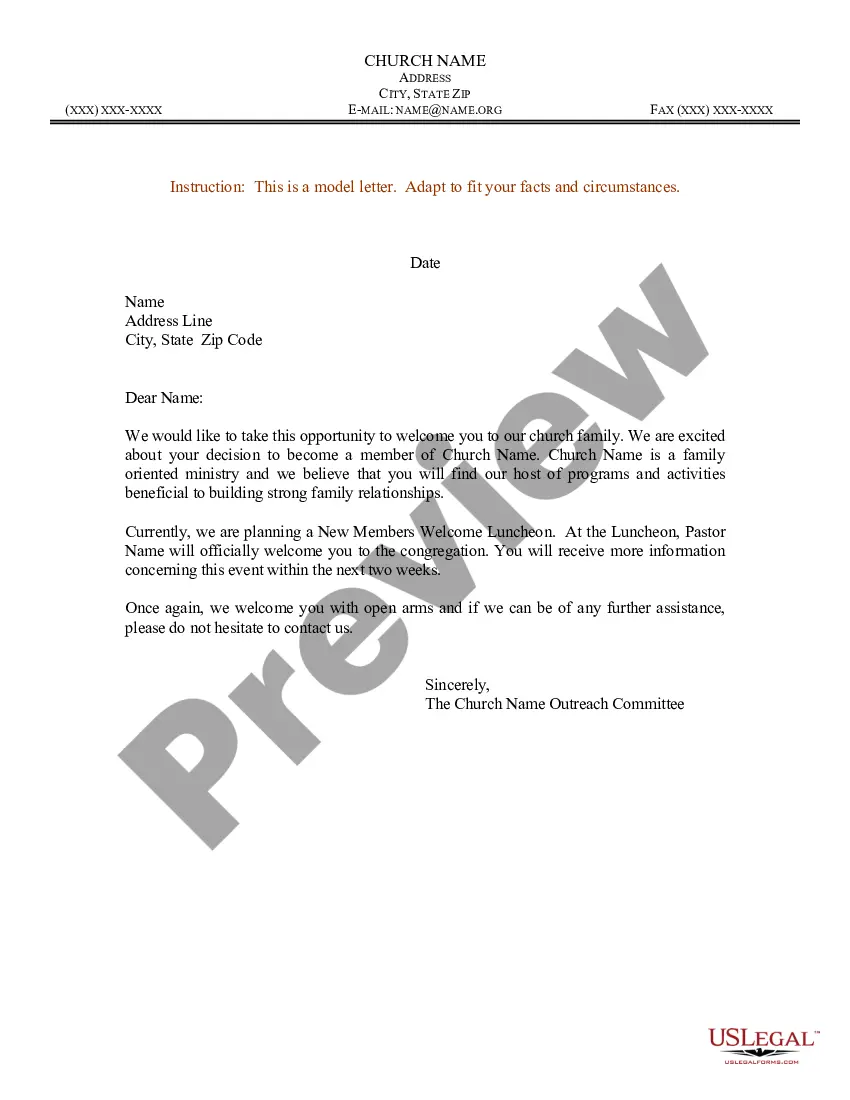
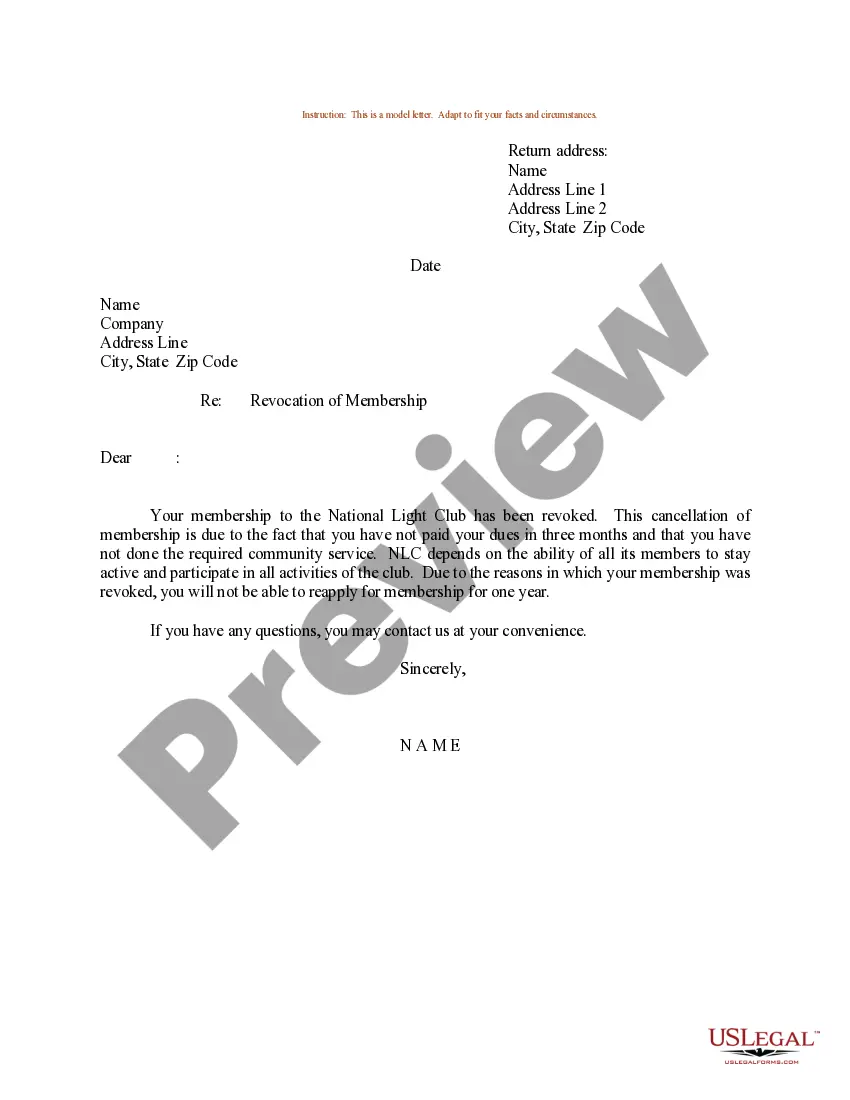
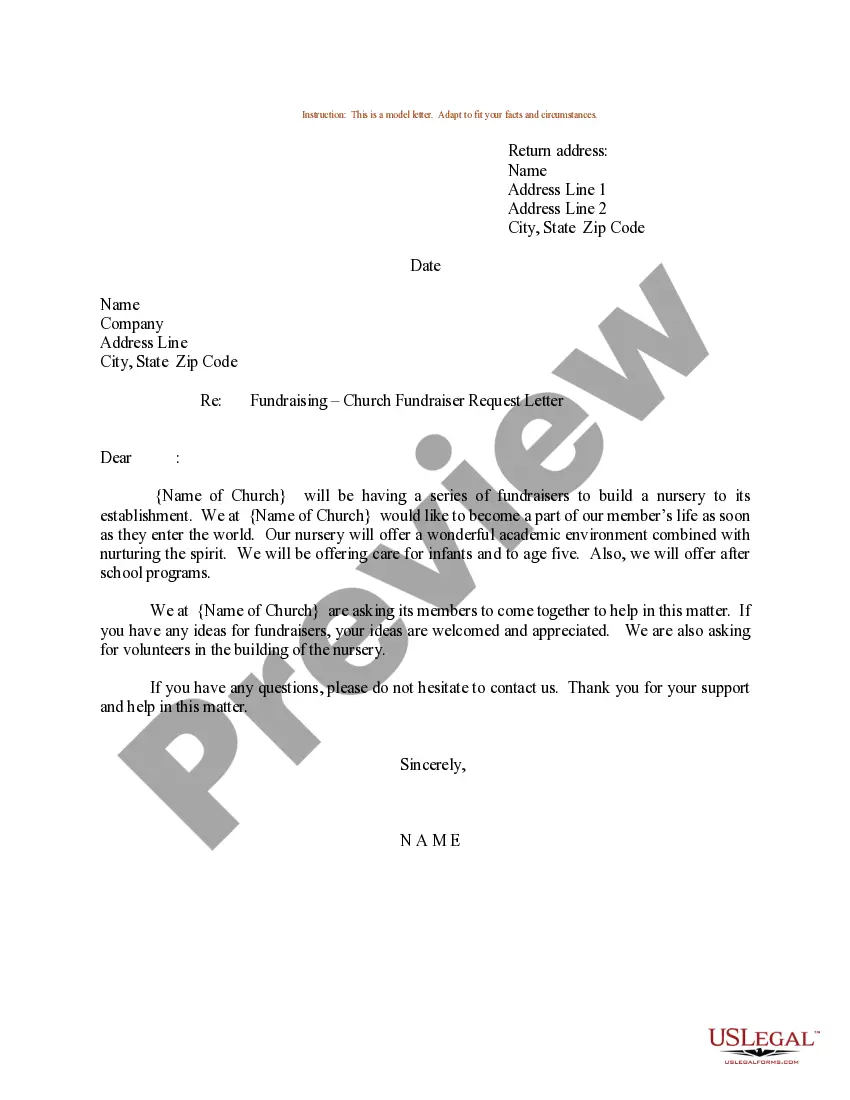
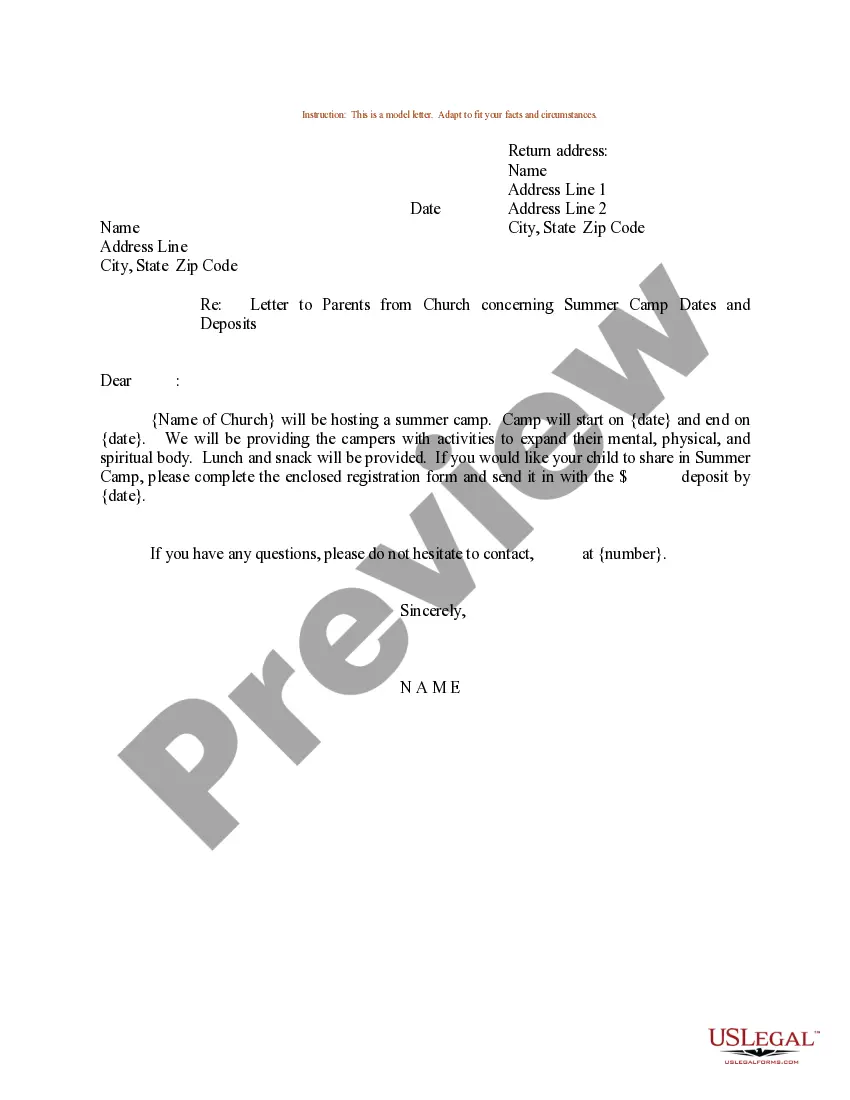
Get your form ready online
Our built-in tools help you complete, sign, share, and store your documents in one place.
Make edits, fill in missing information, and update formatting in US Legal Forms—just like you would in MS Word.
Download a copy, print it, send it by email, or mail it via USPS—whatever works best for your next step.
Sign and collect signatures with our SignNow integration. Send to multiple recipients, set reminders, and more. Go Premium to unlock E-Sign.
If this form requires notarization, complete it online through a secure video call—no need to meet a notary in person or wait for an appointment.
We protect your documents and personal data by following strict security and privacy standards.

Make edits, fill in missing information, and update formatting in US Legal Forms—just like you would in MS Word.

Download a copy, print it, send it by email, or mail it via USPS—whatever works best for your next step.

Sign and collect signatures with our SignNow integration. Send to multiple recipients, set reminders, and more. Go Premium to unlock E-Sign.

If this form requires notarization, complete it online through a secure video call—no need to meet a notary in person or wait for an appointment.

We protect your documents and personal data by following strict security and privacy standards.
Looking for another form?





Form popularity
FAQ
Put the names of any dead members of your church before the congregation with a motion to remove them from membership in the following business meeting. This gives the congregation some time to think about what they're doing and why.
Simply contacting the church and asking them to remove you from their member list is all you should have to do. It's not a dire need but just a tidying up for them. Some people treat it like a matter of faith, but it really isn't that. It's a reality of operating as a charitable organization.
As others have stated, if you no longer wish to be a member, you can write a letter or make a phone call to the pastor or membership secretary and ask them to remove you. However, you may also remain on the roll if you wish.
Disaffiliating pastors and members commonly cite the half-dozen biblical verses that pertain to homosexuality as their reason for leaving. But we in the UMC have for decades routinely ignored biblical teachings about the role of women, adultery, and slavery, among other topics.
Churches that wish to disaffiliate from The United Methodist Church should submit a letter requesting disaffiliation signed by 2-3 church officers to their District Superintendent (i.e., trustees, church council chair, finance, S/PPRC, etc.)
Set up a time to talk directly to one of the pastors of your church about your leaving. This is a key step in leaving a church well. You don't need to share all of your reasons or rationale, but as a matter of love and courtesy, let your pastor know you and your family have chosen to go to another church.
A simple majority of Annual Conference members present, and voting is required to affirm disaffiliation. If the Annual Conference does not affirm the disaffiliation, the churches remain United Methodist.
Churches that wish to disaffiliate from The United Methodist Church should submit a letter requesting disaffiliation signed by 2-3 church officers to their District Superintendent (i.e., trustees, church council chair, finance, S/PPRC, etc.)
The UMC is the largest and oldest Methodist denomination, founded in 1784 when John Wesley ordained two superintendents to serve the needs of the American people since the Church of England was no longer able. While many people use the term Methodist to refer to members of The UMC that is not strictly correct.
Throughout the 19th century, as the United States grappled with the notion of Black personhood and the reality of chattel slavery, so too did the Methodists. In 1844, 40 percent of Methodist congregations split off to form a pro-slavery splinter congregation.

