Removal Request Letter For Certificate In Sacramento
Description

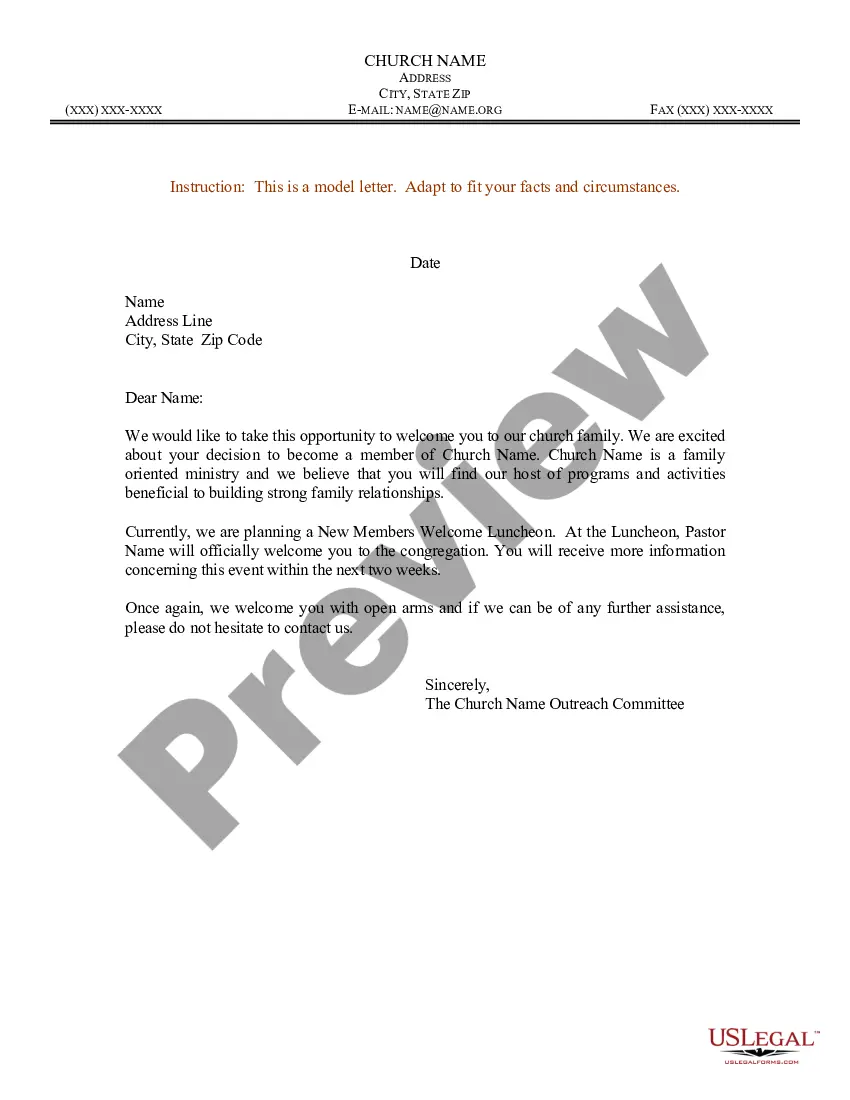
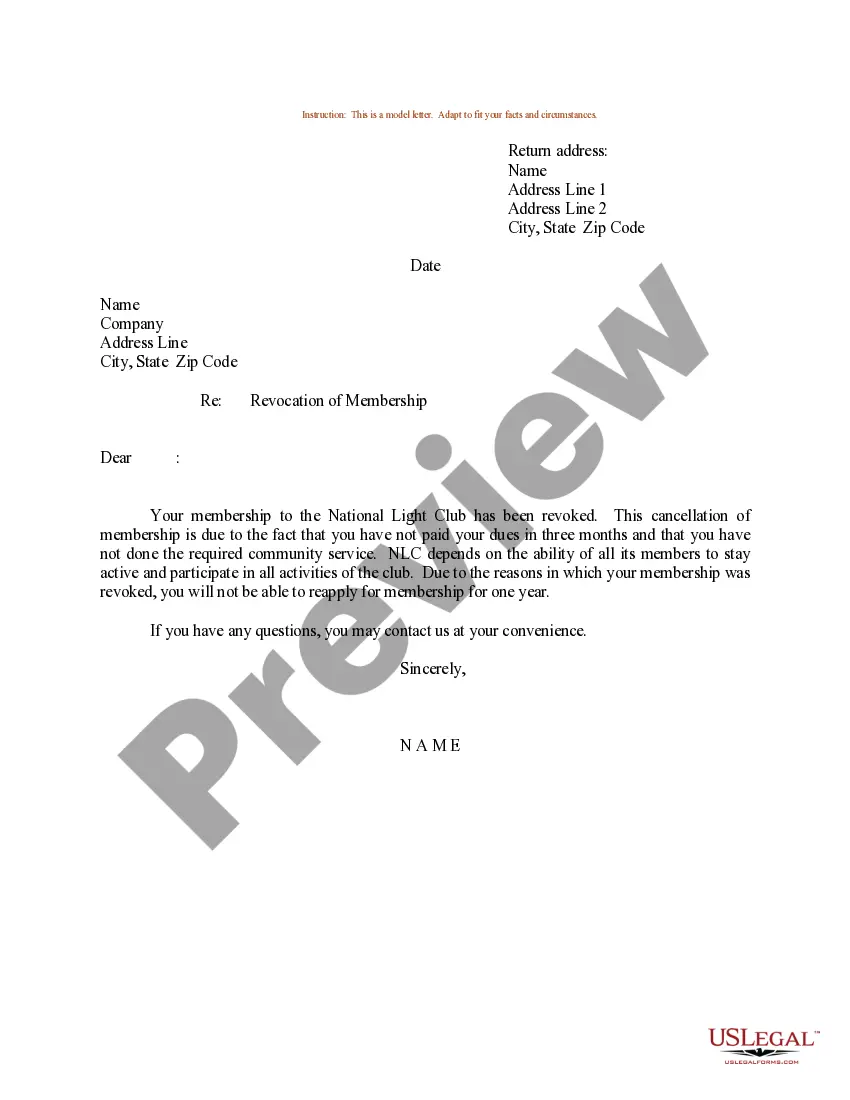
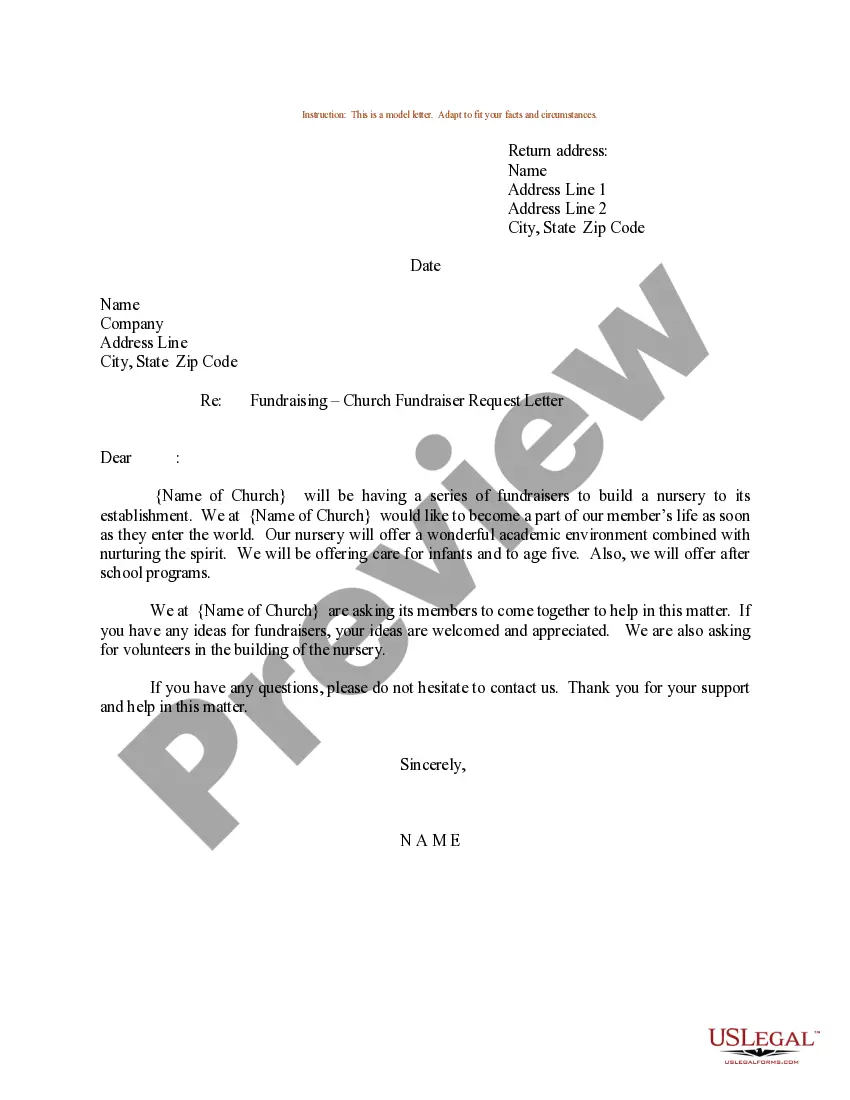
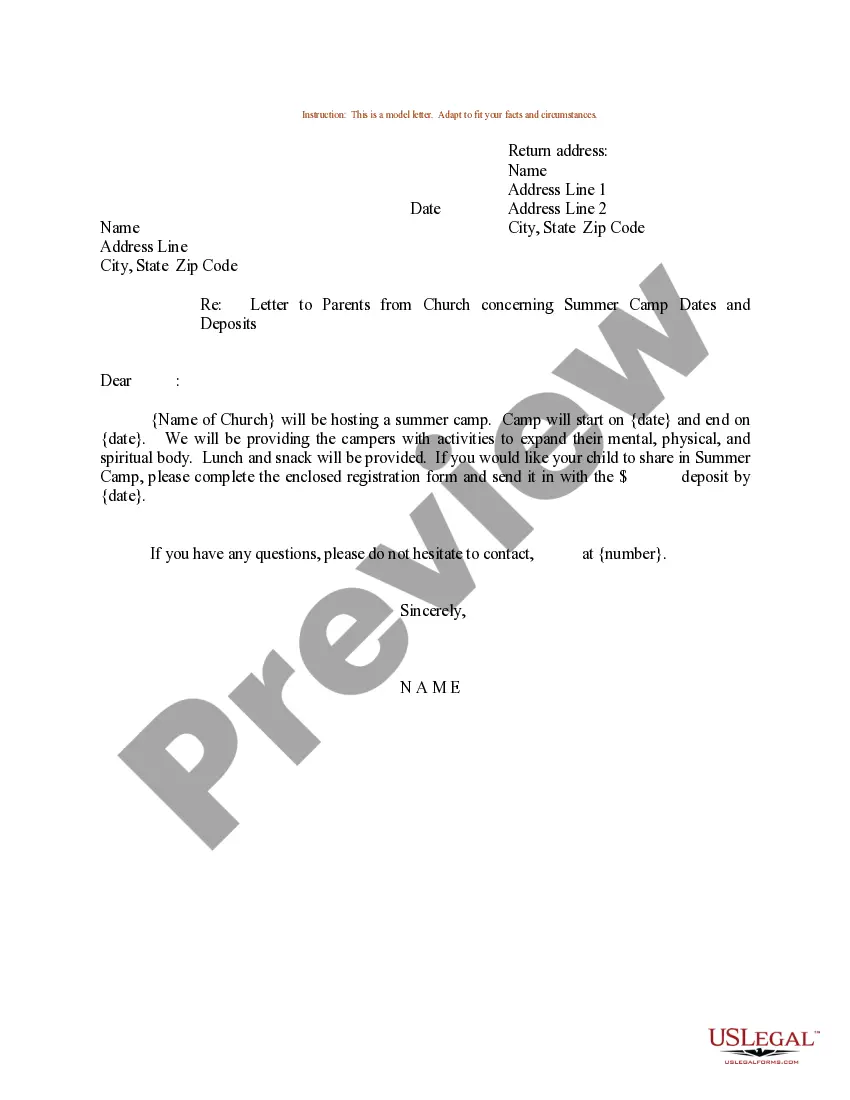
Get your form ready online
Our built-in tools help you complete, sign, share, and store your documents in one place.
Make edits, fill in missing information, and update formatting in US Legal Forms—just like you would in MS Word.
Download a copy, print it, send it by email, or mail it via USPS—whatever works best for your next step.
Sign and collect signatures with our SignNow integration. Send to multiple recipients, set reminders, and more. Go Premium to unlock E-Sign.
If this form requires notarization, complete it online through a secure video call—no need to meet a notary in person or wait for an appointment.
We protect your documents and personal data by following strict security and privacy standards.

Make edits, fill in missing information, and update formatting in US Legal Forms—just like you would in MS Word.

Download a copy, print it, send it by email, or mail it via USPS—whatever works best for your next step.

Sign and collect signatures with our SignNow integration. Send to multiple recipients, set reminders, and more. Go Premium to unlock E-Sign.

If this form requires notarization, complete it online through a secure video call—no need to meet a notary in person or wait for an appointment.

We protect your documents and personal data by following strict security and privacy standards.
Looking for another form?

Form popularity
FAQ
Contact the Clerk of Court Another effective way to confirm your expungement status is by contacting the Clerk of Court in the jurisdiction where your case was filed.
In California, a misdemeanor conviction generally stays on your criminal record permanently unless you take action to have it removed. California does not automatically erase or “seal” criminal records after a certain period, so a misdemeanor will remain on your record unless you pursue an expungement.
California does not have a true expungement process. A "true" expungement seals arrest and conviction records. Dismissal under PC 1203.4 - external link does not seal the arrest or conviction. The case will still show up on a background check, but it will show up as dismissed.
In California, dismissed charges can show up on background checks. However, the information displayed may vary depending on the type of background check conducted. For instance, more detailed checks might show dismissed charges, while basic checks might not.
Records are not literally destroyed upon granting of a dismissal. They may be after 10 years at the discretion of the court under Government Code 68152.
If no charges were filed or charges were dismissed before trial, you can use the California Department of Justice's Petition to Seal and Destroy Adult Arrest Records (BCIA 8270). Some courts also have local forms you can use.
Expunged Criminal Records Can Appear in CA Background Checks | Cardoza Law Corporation.
In California, the “2nd Chance Law” refers to a set of laws and initiatives that aim to provide individuals who have been convicted of a crime with the opportunity to have their criminal records sealed or expunged.
How To Get A Felony Expunged In California Step 1: Get an experienced attorney. Step 2: Get and complete the necessary forms. Step 3: File for expungement. Step 4: Prepare for your hearing by meeting with your attorney. Step 5: Your court hearing. Step 6: What happens next. If the Court grants your petition:
Records such as court orders, divorce decrees, and wills are only available from the Sacramento Superior Court: For court orders or divorce records contact the Civil Division at (916) 874-5522. For wills and other probate records contact the Probate Unit at (916) 875-3400.
