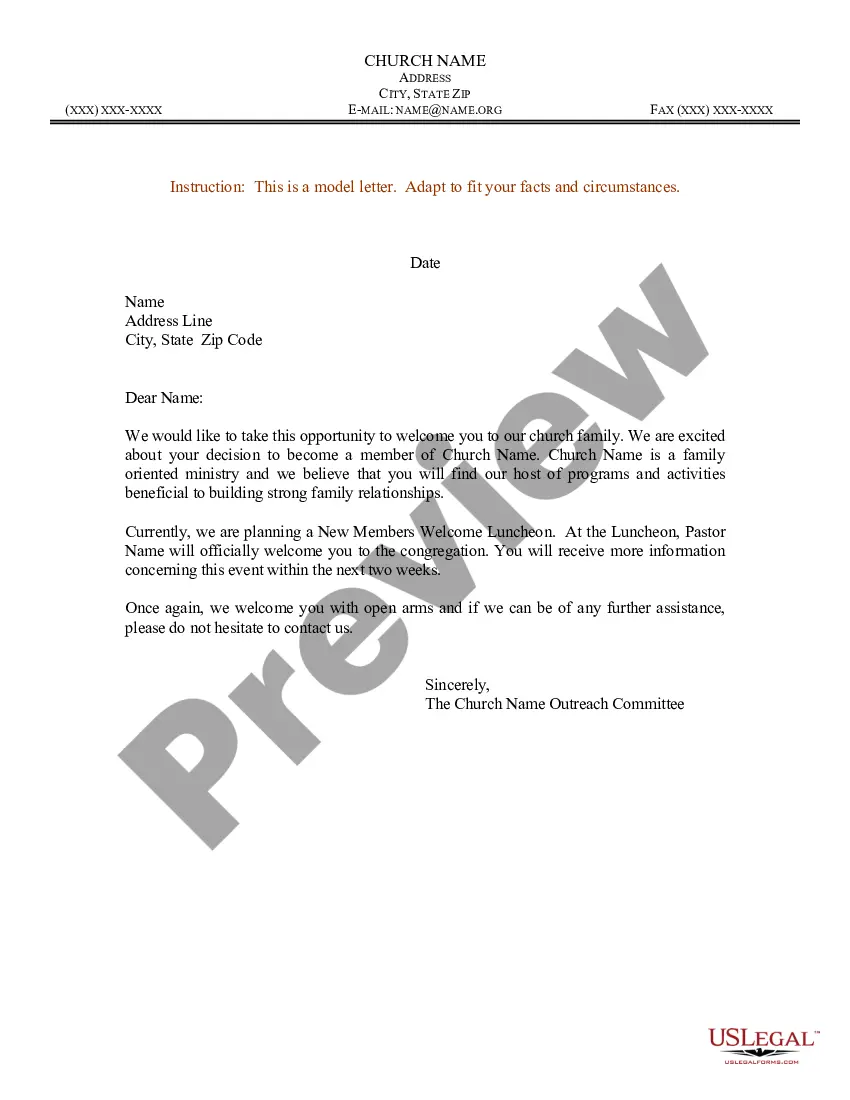
Church Membership Request Letter With Certificate In Palm Beach
Description

Get your form ready online
Our built-in tools help you complete, sign, share, and store your documents in one place.
Make edits, fill in missing information, and update formatting in US Legal Forms—just like you would in MS Word.
Download a copy, print it, send it by email, or mail it via USPS—whatever works best for your next step.
Sign and collect signatures with our SignNow integration. Send to multiple recipients, set reminders, and more. Go Premium to unlock E-Sign.
If this form requires notarization, complete it online through a secure video call—no need to meet a notary in person or wait for an appointment.
We protect your documents and personal data by following strict security and privacy standards.

Make edits, fill in missing information, and update formatting in US Legal Forms—just like you would in MS Word.

Download a copy, print it, send it by email, or mail it via USPS—whatever works best for your next step.

Sign and collect signatures with our SignNow integration. Send to multiple recipients, set reminders, and more. Go Premium to unlock E-Sign.

If this form requires notarization, complete it online through a secure video call—no need to meet a notary in person or wait for an appointment.

We protect your documents and personal data by following strict security and privacy standards.
Looking for another form?




Form popularity
FAQ
The word of God places no requirements on stipulations how a Christian joins a specific body of believers, other than professing faith in Jesus Christ and taking water baptism by immersion.
Faith is an essential factor in becoming a church member. The idea of belonging to a church is firmly established in faith and dedication to the doctrines and teachings of a particular religious institution.
One's initiation is deepened by confirmation and the Eucharist, but one becomes a Catholic at baptism. This is true for children who are baptized Catholic (and receive the other two sacraments later) and for adults who are baptized, confirmed, and receive the Eucharist at the same time.
Mention your connection to the church, whether you're a long-time member or new to the congregation. Briefly highlight your relevant skills or experiences that make you a good fit for the role. It's also important to convey your passion for serving the church and its community.
Most churches require that individuals have a personal relationship with God and accept him as their savior before becoming a member. Once someone has taken that step, they can speak to the pastor or church leadership to start the membership process.
Begin your letter with a formal greeting such as “Dear Church Members”. End your letter with a blessing or prayer, such as “May God Bless You” or “In Christ's Love”.
In order to join a local church someone should be: A Christian. Baptized. A regular attender. Someone who confesses the same faith as the church and is willing to live as a Christian together with the church. Willing to submit to the leadership of the church.
We sincerely hope this letter finds you well and in good faith. At name of your church we are blessed to pray together, explore our faith, and deepen our personal connections to God. We are a supportive and loving community, who looks forward to welcoming you at your first service on date at time.
Addressing your church members by name will make them feel like part of your church's family. You can further make your members feel seen by including details specific to your recipient, such as referencing past volunteer work.
Examples of Effective Church Visitor Letters Dear Visitor's Name, We are delighted that you chose to worship with us at Church Name on Date. Your presence was greatly appreciated, and we hope that you felt welcomed and inspired during your time with us.

