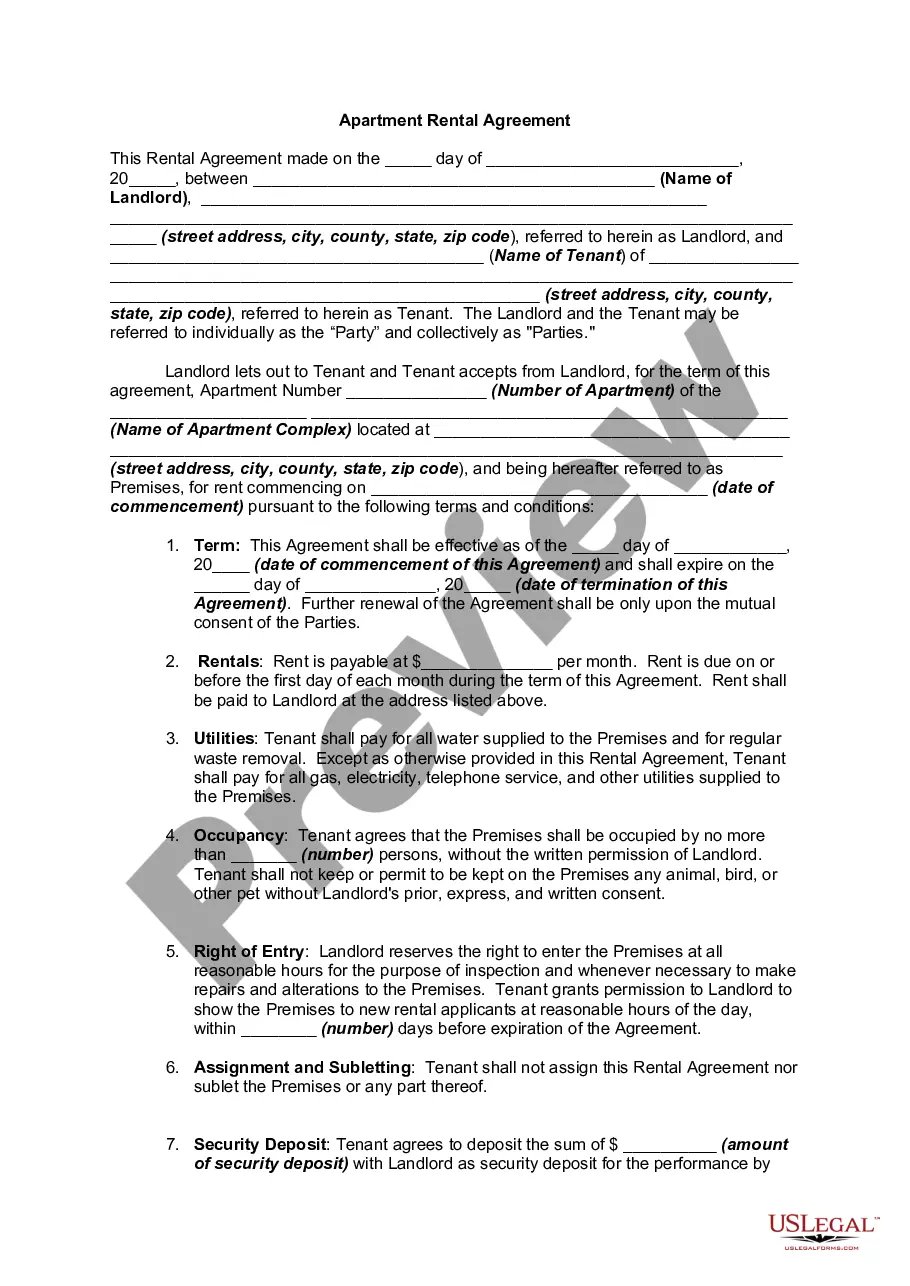
Removal Request Letter For Leave In Middlesex
Description

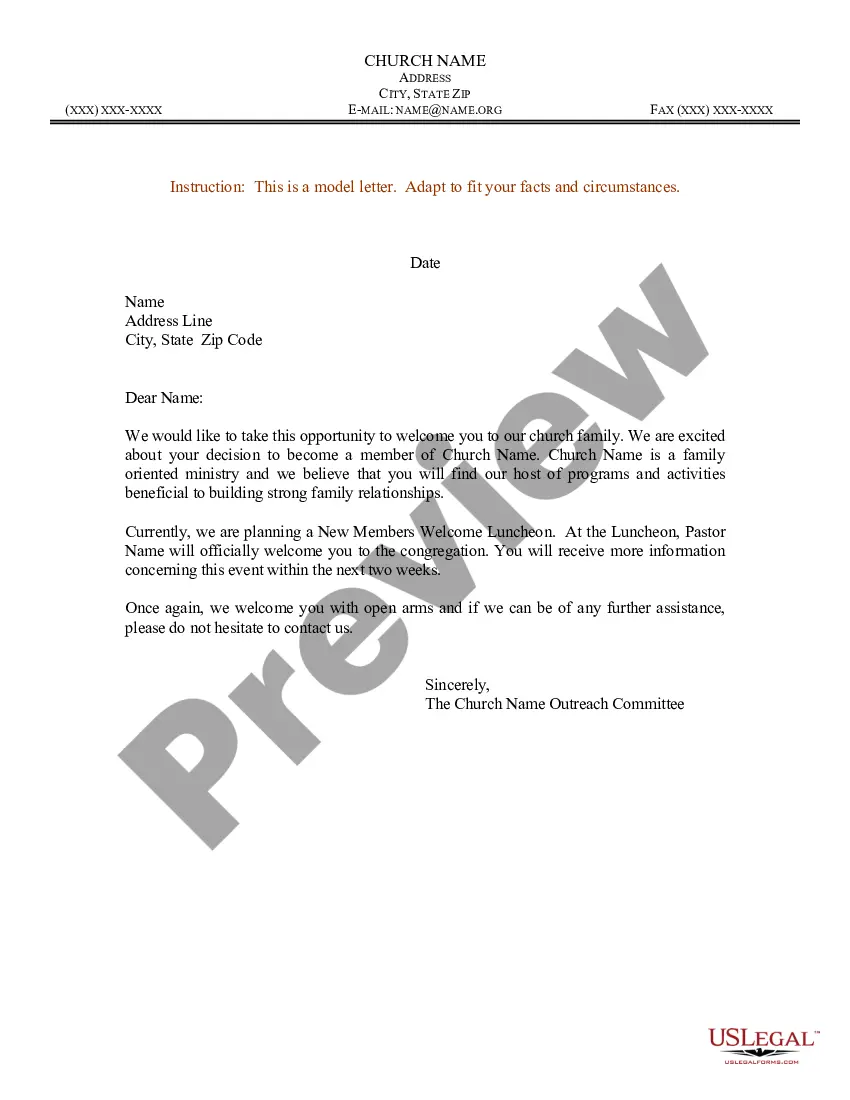
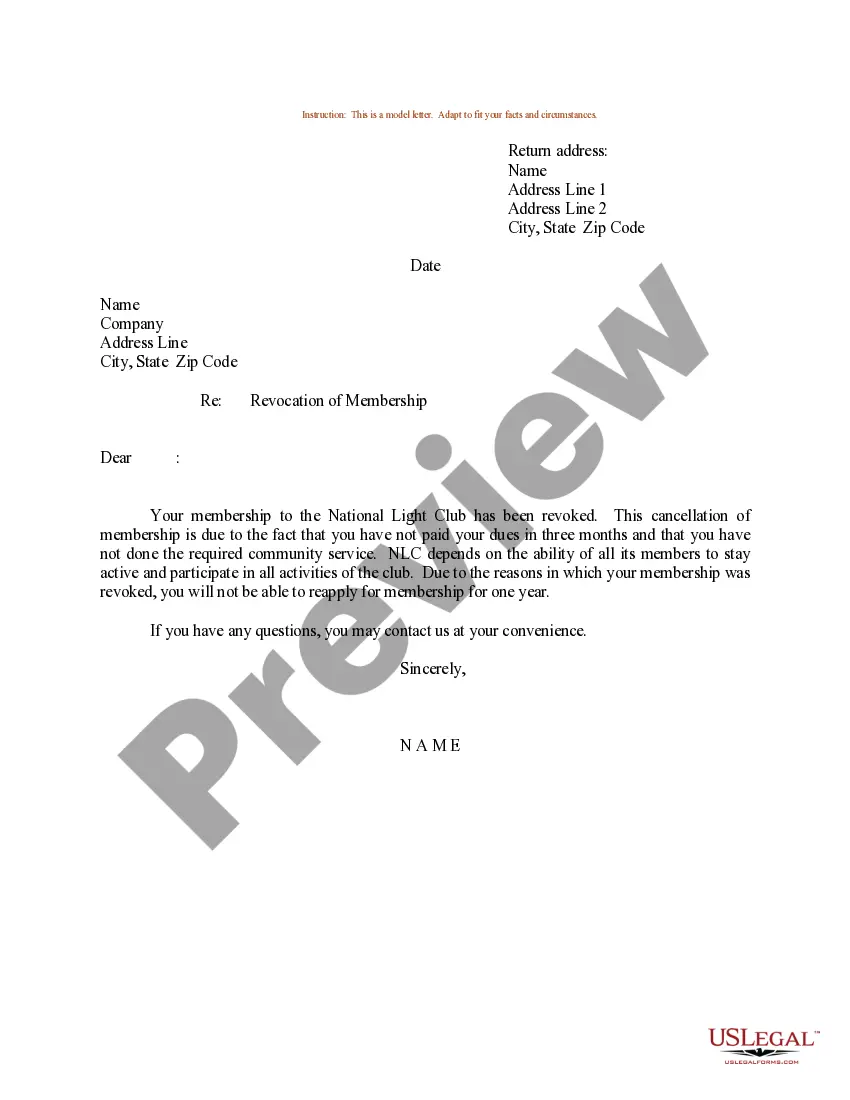
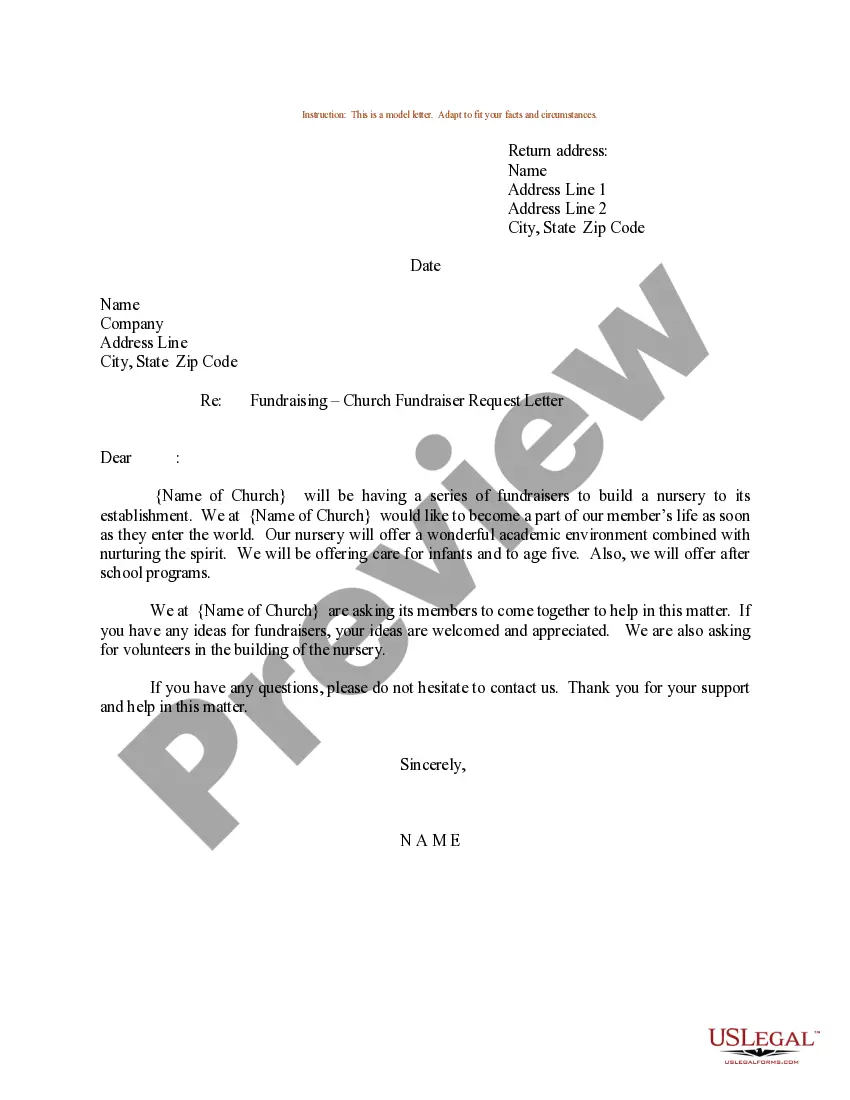
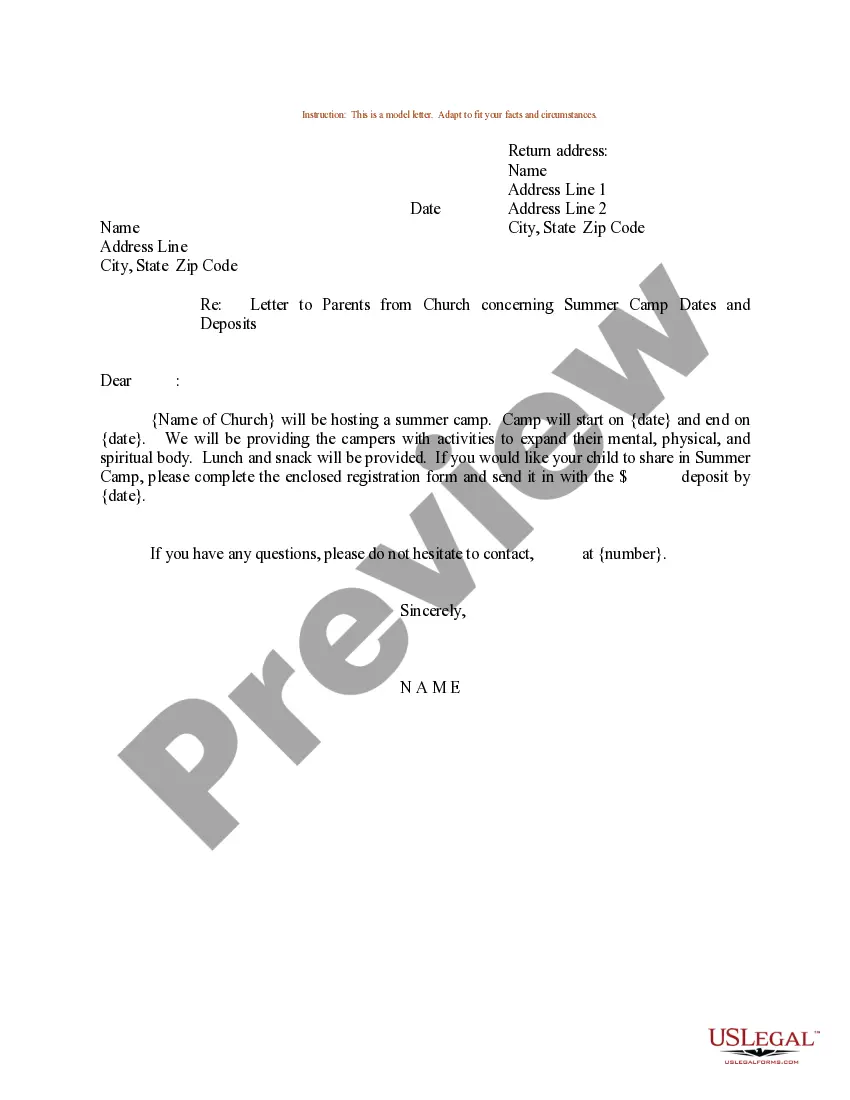
Get your form ready online
Our built-in tools help you complete, sign, share, and store your documents in one place.
Make edits, fill in missing information, and update formatting in US Legal Forms—just like you would in MS Word.
Download a copy, print it, send it by email, or mail it via USPS—whatever works best for your next step.
Sign and collect signatures with our SignNow integration. Send to multiple recipients, set reminders, and more. Go Premium to unlock E-Sign.
If this form requires notarization, complete it online through a secure video call—no need to meet a notary in person or wait for an appointment.
We protect your documents and personal data by following strict security and privacy standards.

Make edits, fill in missing information, and update formatting in US Legal Forms—just like you would in MS Word.

Download a copy, print it, send it by email, or mail it via USPS—whatever works best for your next step.

Sign and collect signatures with our SignNow integration. Send to multiple recipients, set reminders, and more. Go Premium to unlock E-Sign.

If this form requires notarization, complete it online through a secure video call—no need to meet a notary in person or wait for an appointment.

We protect your documents and personal data by following strict security and privacy standards.
Looking for another form?






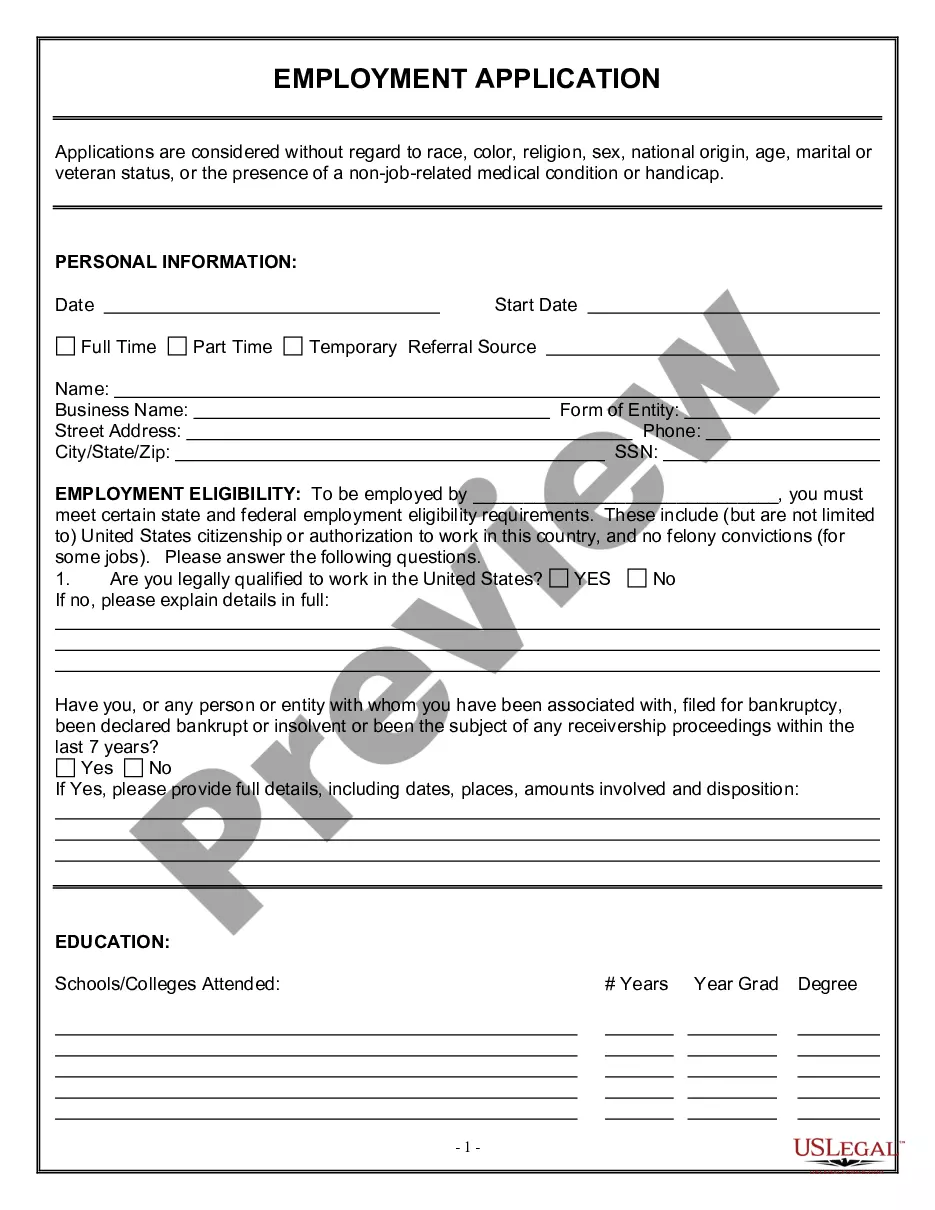



Form popularity
FAQ
Be sure to follow all of the legal requirements for filing an ejectment lawsuit. Provide the court with clear and concise evidence that the person is not a tenant.Be prepared to testify at the hearing. Work with an experienced attorney who is familiar with New Jersey landlord-tenant law.
The Warrant for Removal gives the tenant a maximum of 3 days to vacate the property.
A landlord cannot evict tenants or remove their belongings from a rental home without first getting a judgment for possession and then a warrant of removal from the court. Only a special civil part officer can perform the eviction on behalf of a landlord.
(Federal Rules of Criminal Procedure, Rule 40) A writ which directs the removal of a prisoner from the district where he is incarcerated to the demanding district.
The safest way to remove a guest from your property is to use the court process. There are several reasons why it may be a bad idea to use self-help eviction to remove a guest from your home. You may be risking your personal safety if the guest becomes angry or violent during or after the eviction.
This Warrant of Removal will be personally served (given to someone in your household) or left on the door. To stop a lockout, a tenant can file an Order to Show Cause. When filing an Order to Show Cause, a tenant should be prepared to bring any proof or evidence showing why the judgment should not have been entered.
You may be able to stop this warrant and remain in the property if you apply to the Special Civil Part Court for relief. You may apply for relief by delivering a written request to the Office of the Special Civil Part and to the landlord or landlord's attorney.
A landlord cannot evict tenants or remove their belongings from a rental home without first getting a judgment for possession and then a warrant of removal from the court. Only a special civil part officer can perform the eviction on behalf of a landlord.
Ejectment is a legal process that can be complex and time-consuming. It is advisable for property owners to seek the assistance of an attorney when pursuing an ejectment action. An eviction is a legal action by which a landlord removes a tenant from a rental property.