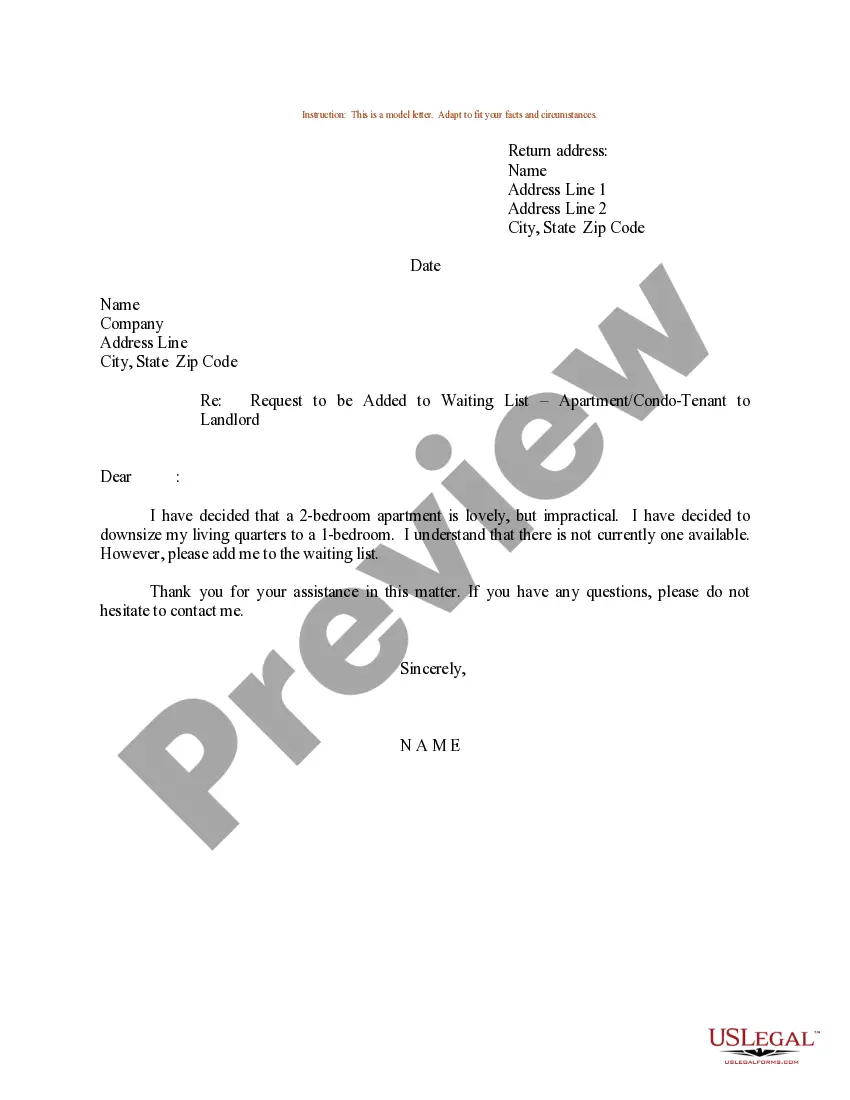
Sample Religious Exemption Letter For School In King
Description

Get your form ready online
Our built-in tools help you complete, sign, share, and store your documents in one place.
Make edits, fill in missing information, and update formatting in US Legal Forms—just like you would in MS Word.
Download a copy, print it, send it by email, or mail it via USPS—whatever works best for your next step.
Sign and collect signatures with our SignNow integration. Send to multiple recipients, set reminders, and more. Go Premium to unlock E-Sign.
If this form requires notarization, complete it online through a secure video call—no need to meet a notary in person or wait for an appointment.
We protect your documents and personal data by following strict security and privacy standards.

Make edits, fill in missing information, and update formatting in US Legal Forms—just like you would in MS Word.

Download a copy, print it, send it by email, or mail it via USPS—whatever works best for your next step.

Sign and collect signatures with our SignNow integration. Send to multiple recipients, set reminders, and more. Go Premium to unlock E-Sign.

If this form requires notarization, complete it online through a secure video call—no need to meet a notary in person or wait for an appointment.

We protect your documents and personal data by following strict security and privacy standards.
Looking for another form?









Form popularity
FAQ
There are a number of ways that someone can prove strongly held religious beliefs that getting the vaccine would contradict. Writing a formal letter requesting exemption. Getting a close friend, family member or fellow member of the clergy to write a letter. Filling out and submitting a religious exemption request form:
I, __________________________________ am requesting a religious exemption from vaccination against the disease(s) or condition(s) marked below. I understand that this exemption is allowed solely for sincerely held religious beliefs and not for political, social, or other personal views.
I/we hereby assert that the immunization of this student would be contrary to the religious beliefs of this child. Therefore, this child shall be exempt from the required immunizations under New Jersey administrative Code N.J.A.C.
All states allow exemptions for medical reasons, and almost all states (except California, Mississippi and West Virginia) grant religious or philosophical exemptions for people who have sincerely held beliefs that prohibit immunizations.
Objection to vaccination was also related to: faith in divine protection and healing for Protestants, Catholics, Jewish and Muslims (10); the use of aborted fetal cells for vaccines' production among Amish and Catholic communities (including during the COVID-19 outbreak when Senior Catholic leaders from the US and ...
Most Christian denominations have no scriptural or canonical objection to vaccination per se. The major exceptions are those denominations that rely on faith healing, including the First Church of Christ, Scientist (i.e., Christian Science) and several small sects.
There is no form for requesting religious exemptions in North Carolina. To claim a religious exemption, the parent or person requesting the exemption must write a statement of their religious objection to immunization, including the name and date of birth of the person for whom the exemption is being requested.
Overall, adults aged ≥18 years who did not get a 2023–24 flu vaccine most commonly reported the following reasons for not getting one: lack of concern about getting sick (36.8%), choosing not to get any vaccine (28.2%), belief that the vaccine can't prevent infection (19.2%), concern about serious/unknown side effects ...