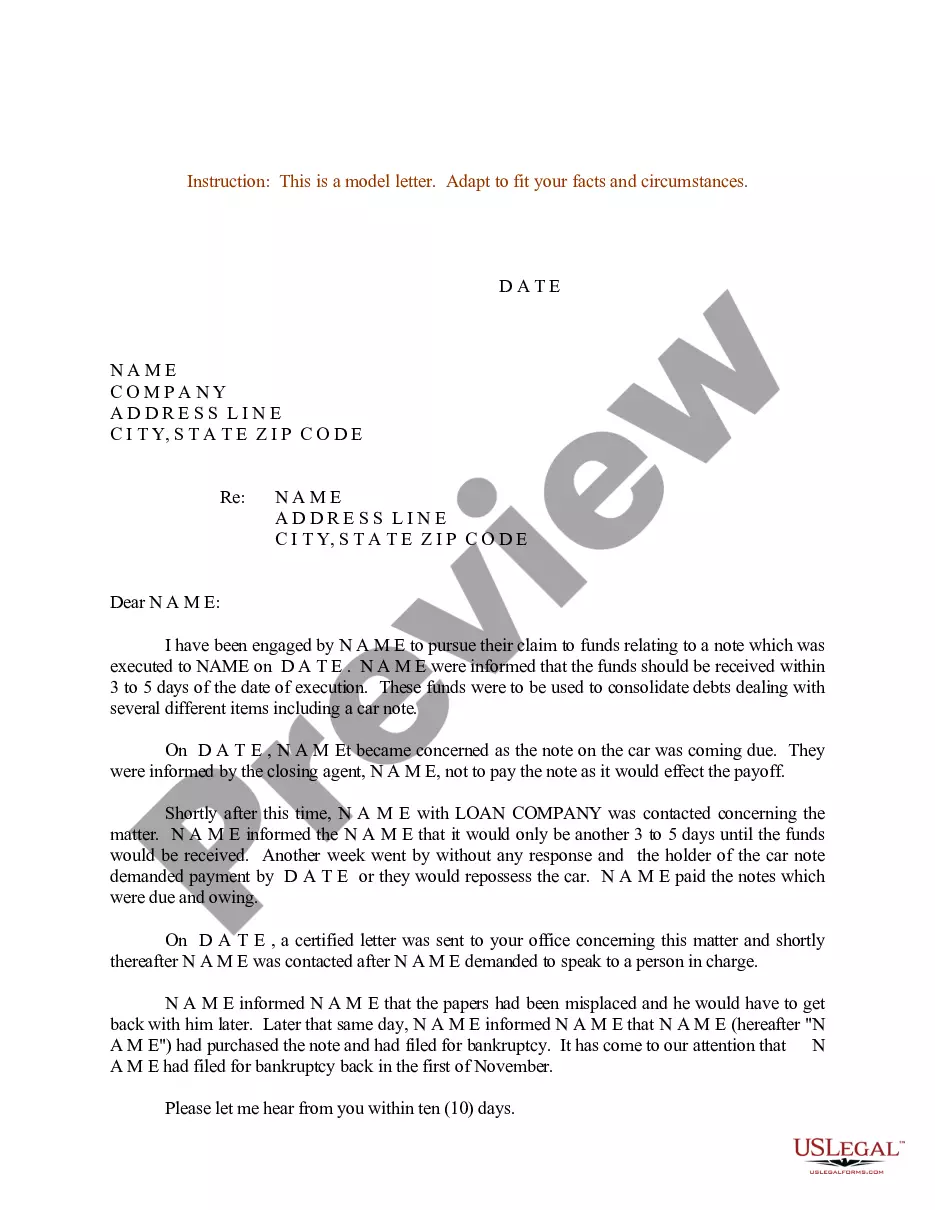
Personal Property With Example In Texas
Description

Get your form ready online
Our built-in tools help you complete, sign, share, and store your documents in one place.
Make edits, fill in missing information, and update formatting in US Legal Forms—just like you would in MS Word.
Download a copy, print it, send it by email, or mail it via USPS—whatever works best for your next step.
Sign and collect signatures with our SignNow integration. Send to multiple recipients, set reminders, and more. Go Premium to unlock E-Sign.
If this form requires notarization, complete it online through a secure video call—no need to meet a notary in person or wait for an appointment.
We protect your documents and personal data by following strict security and privacy standards.

Make edits, fill in missing information, and update formatting in US Legal Forms—just like you would in MS Word.

Download a copy, print it, send it by email, or mail it via USPS—whatever works best for your next step.

Sign and collect signatures with our SignNow integration. Send to multiple recipients, set reminders, and more. Go Premium to unlock E-Sign.

If this form requires notarization, complete it online through a secure video call—no need to meet a notary in person or wait for an appointment.

We protect your documents and personal data by following strict security and privacy standards.
Looking for another form?








Form popularity
FAQ
A rendition is a report that lists all the taxable property you owned or controlled on Jan. 1 of this year. Property includes inventory and equipment used by a business. Owners do not have to render exempt property, such as church property or an agriculture producer's equipment used for farming.
Texas levies property taxes as a percentage of each home's appraised value. So, for example, if your total tax rate is 1.5%, and your home value is $100,000, you will owe $1,500 in annual property taxes.
5 steps to fill out a business personal property rendition quickly and accurately Review your property tax accounts. Take stock of your assets. Select the appropriate business personal property rendition forms. Prepare the personal property renditions. File your business personal property rendition packages.
To claim depreciation on property, you must use it in your business or income-producing activity. If you use property to produce income (investment use), the income must be taxable. You cannot depreciate property that you use solely for personal activities. Partial business or investment use.
A personal property rendition is a report that lists all business assets (personal property) that are subject to personal property tax, which is typically all tangible personal property unless a specific exemption applies.
Business Personal Property Tax is a tax assessed on tangible personal property businesses own. This type of property includes equipment, furniture, computers, machinery, and inventory, among other items not permanently attached to a building or land.
Generally, this list includes everything your business owns except land and buildings –from the smallest stapler to a large piece of machinery – and all the furniture, equipment, and company-owned vehicles in between. The personal property rendition is filed with your local taxing authority.
For taxation purposes, there are two basic types of property: real property (land, buildings, and other items attached to land) and personal property (property that can be owned and is not permanently attached to the land or building such as inventory, furniture, fixtures, equipment and machinery).
Writ of Retrieval: If you are locked out of your residence or former residence by another occupant, you may be able to ask a judge for a writ of retrieval authorizing you to go back in, accompanied by a peace officer, to retrieve certain essential items that belong to you (such as clothes or medicine).