Personal Property Foreclosure In Texas
Description

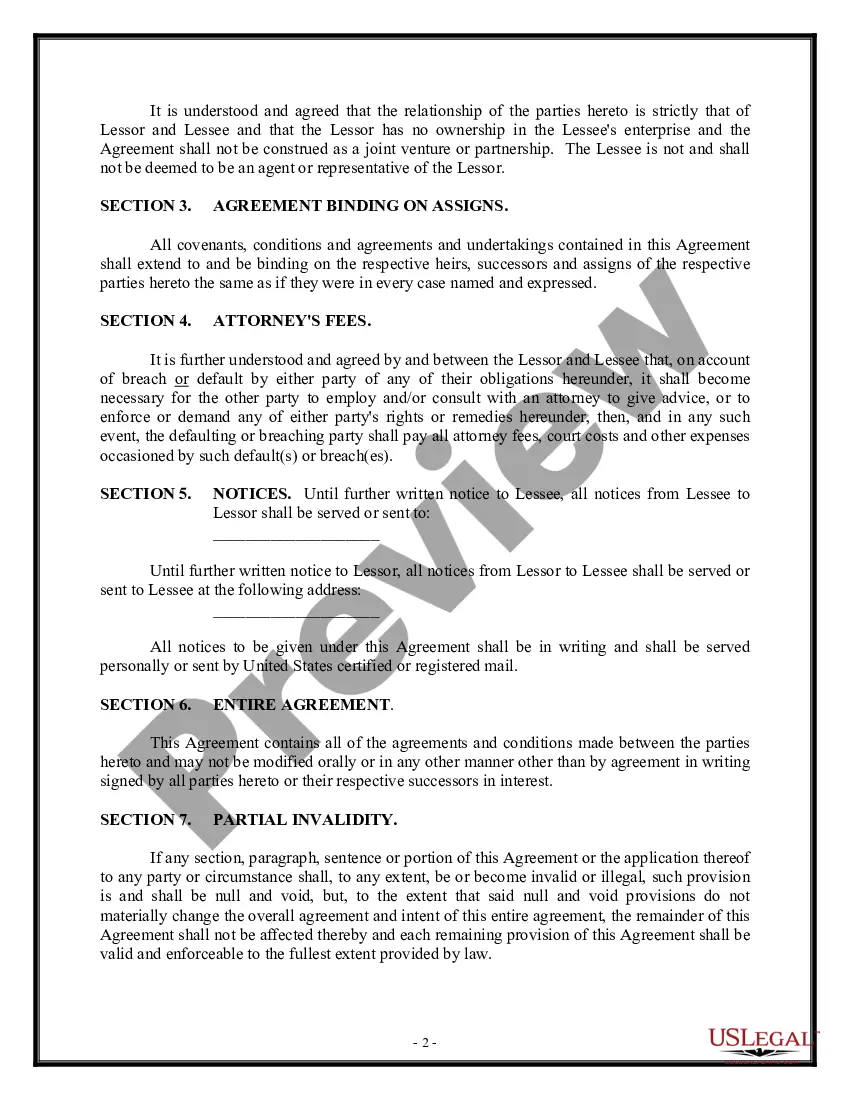
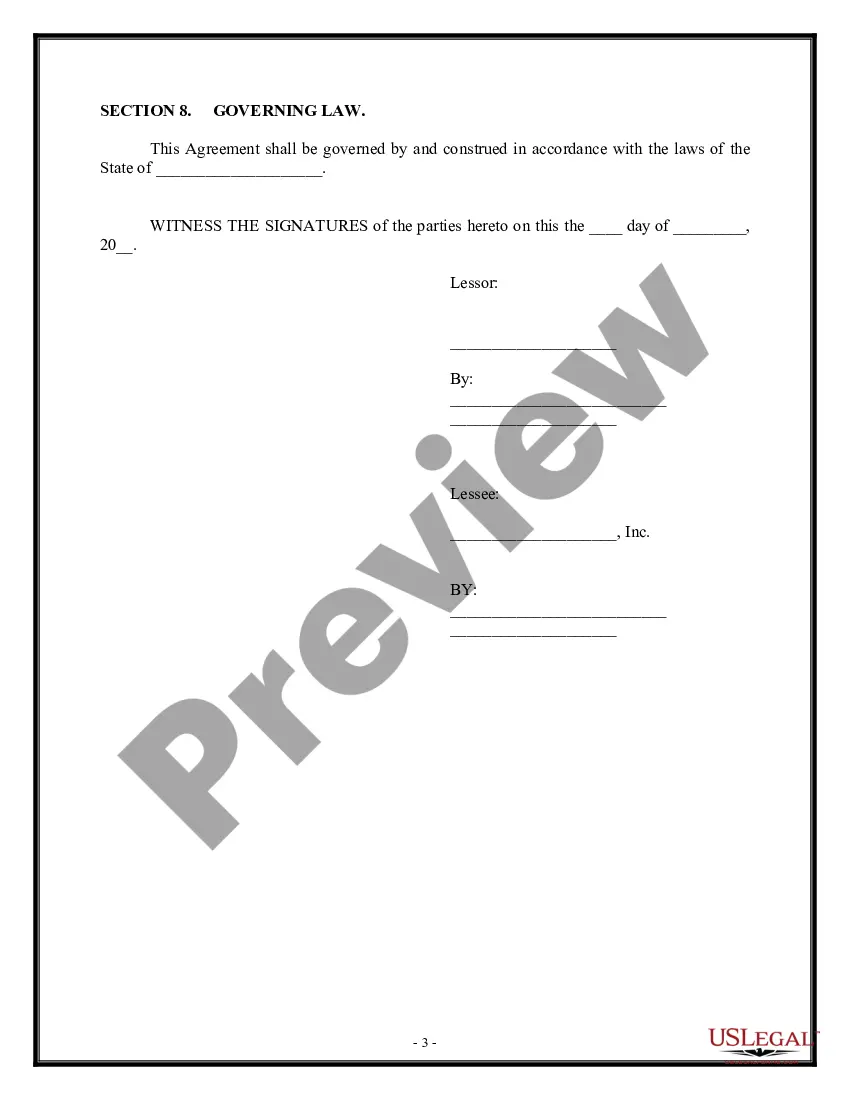
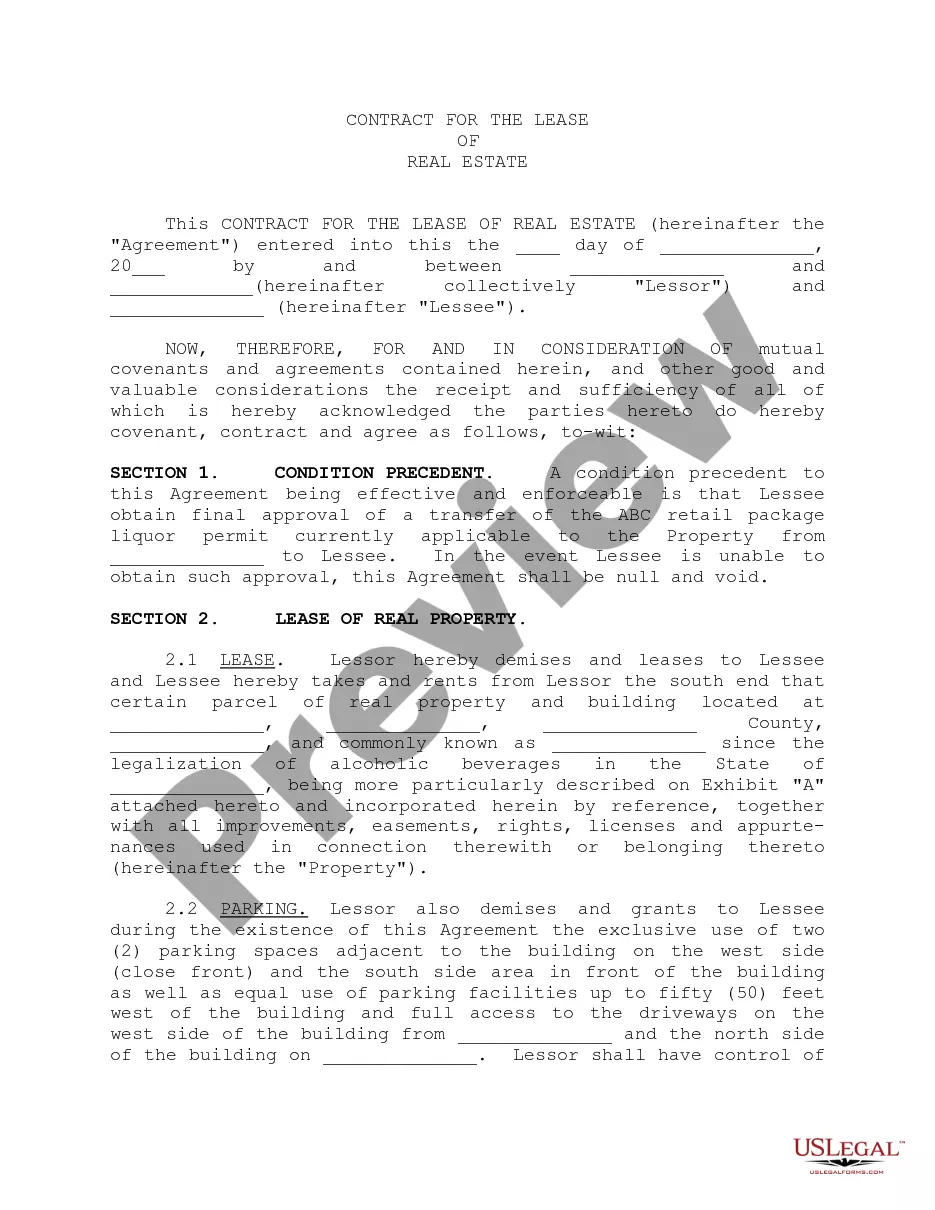
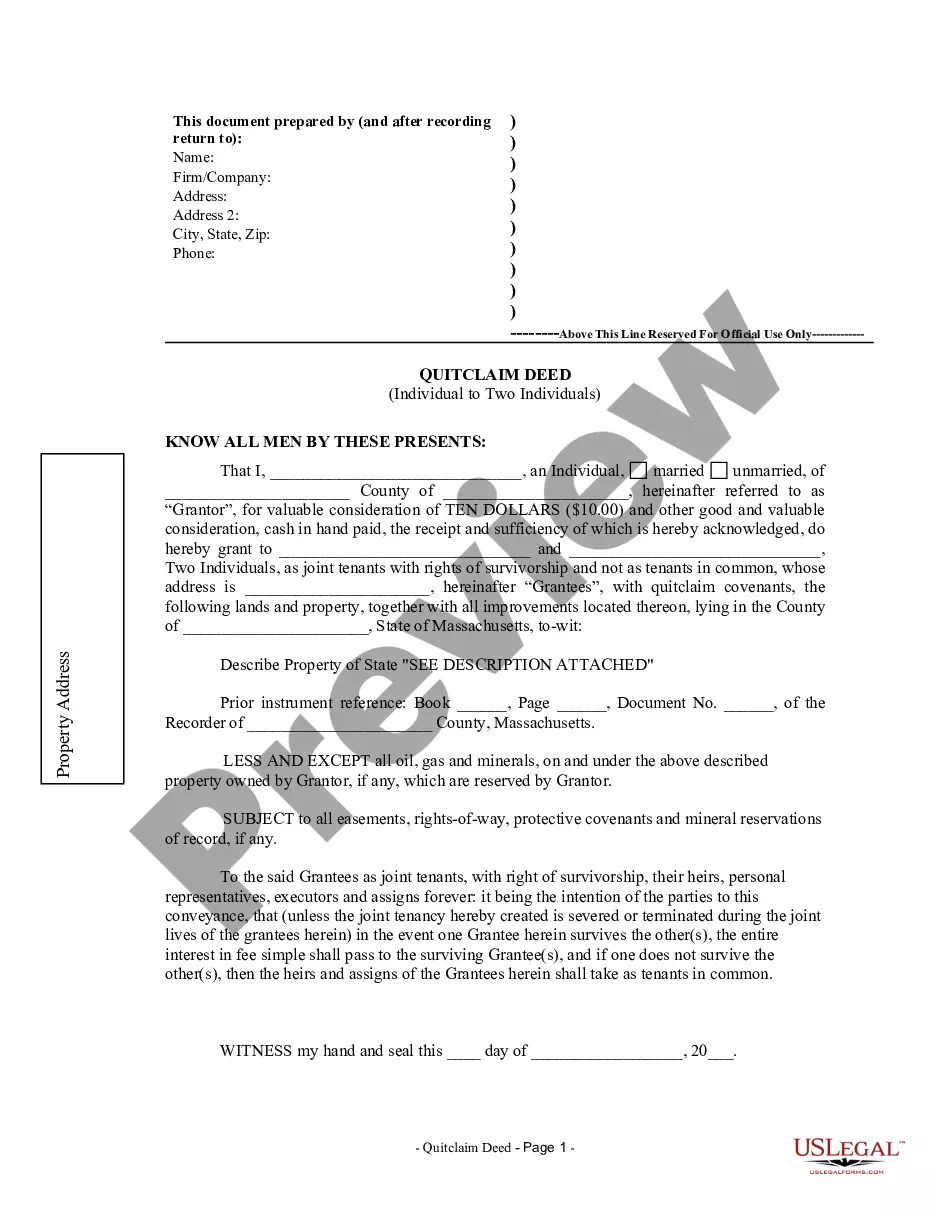
Get your form ready online
Our built-in tools help you complete, sign, share, and store your documents in one place.
Make edits, fill in missing information, and update formatting in US Legal Forms—just like you would in MS Word.
Download a copy, print it, send it by email, or mail it via USPS—whatever works best for your next step.
Sign and collect signatures with our SignNow integration. Send to multiple recipients, set reminders, and more. Go Premium to unlock E-Sign.
If this form requires notarization, complete it online through a secure video call—no need to meet a notary in person or wait for an appointment.
We protect your documents and personal data by following strict security and privacy standards.

Make edits, fill in missing information, and update formatting in US Legal Forms—just like you would in MS Word.

Download a copy, print it, send it by email, or mail it via USPS—whatever works best for your next step.

Sign and collect signatures with our SignNow integration. Send to multiple recipients, set reminders, and more. Go Premium to unlock E-Sign.

If this form requires notarization, complete it online through a secure video call—no need to meet a notary in person or wait for an appointment.

We protect your documents and personal data by following strict security and privacy standards.
Looking for another form?








Form popularity
FAQ
The Texas foreclosure process has roughly 160 days from start to finish until a home goes into auction, so knowing where you stand can help you decide what might be the next best course of action.
Most lenders won't start the foreclosure process until you've missed four mortgage payments in a row or are 120 days late on payments. If you are having trouble paying your mortgage, it's best to contact your lender immediately and discuss your options.
In California, the previous owner has a time window of 60 days post-foreclosure sale to clear their belongings from the property. If this timeline elapses without the removal of their belongings, the new owner has the right to dispose of them as they see fit.
In Texas, there are three ways in which a lienholder can foreclose on a property: Judicial Foreclosure. A judicial foreclosure requires the lienholder to file a civil lawsuit against the homeowner. Non-Judicial Foreclosure. Expedited Foreclosure. Court Rules.
Texas is a power of sale jurisdiction, meaning that a lender can go through with the sale of your property without having to go to court. As a result, foreclosures in Texas can be very quick, sometimes being completed about two or three months after the process begins, though this is quicker than average.
Article 9 of the UCC describes the process by which a lender may foreclose on personal property collateral following an event of default. Under Article 9, following a default, a lender may sell, lease, license, or otherwise dispose of any or all the collateral covered by the security agreement.
Most mortgages have a power of sale clause, so lenders can foreclose without going to court (non-judicial). These are the most common type of foreclosures in California.
Defined Terms Are Given Their Ordinary Meaning The term “personal property” is specifically defined in the Estates Code. And the courts in Texas have long held that this term includes all property other than real estate.