Personal Property With Replacement Cost In Santa Clara
Description

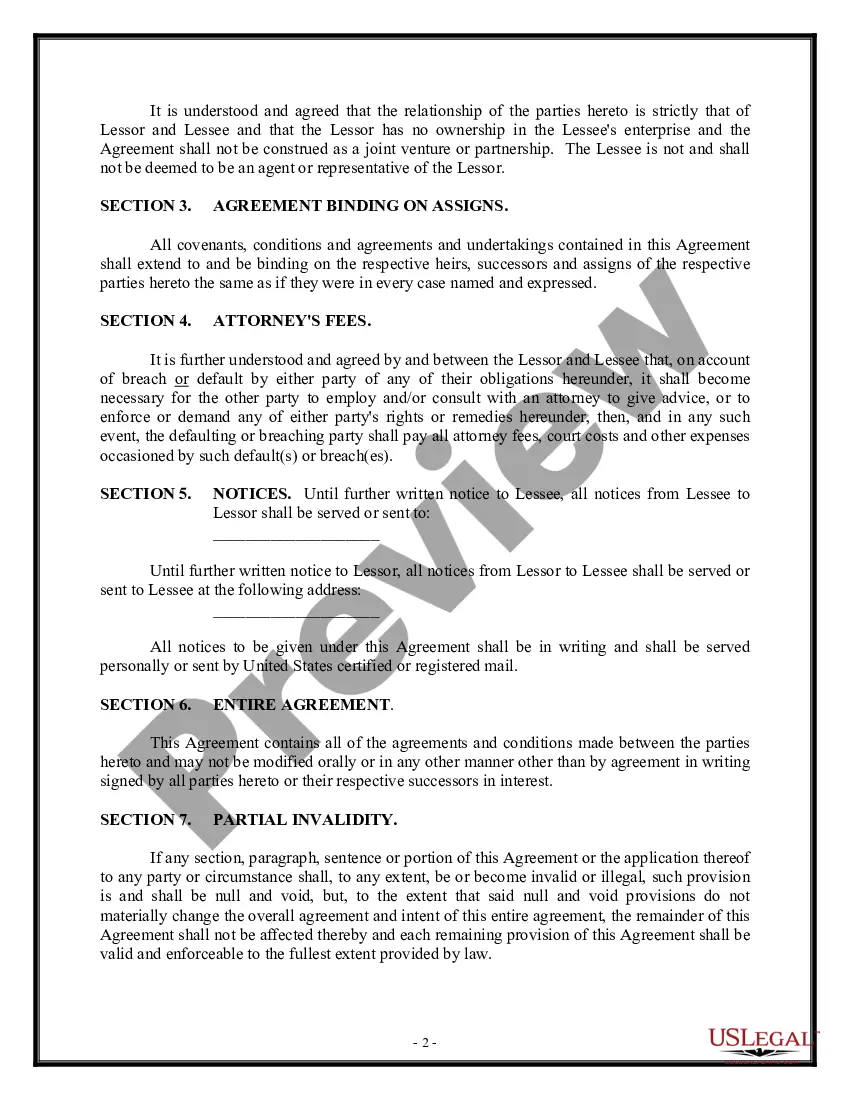
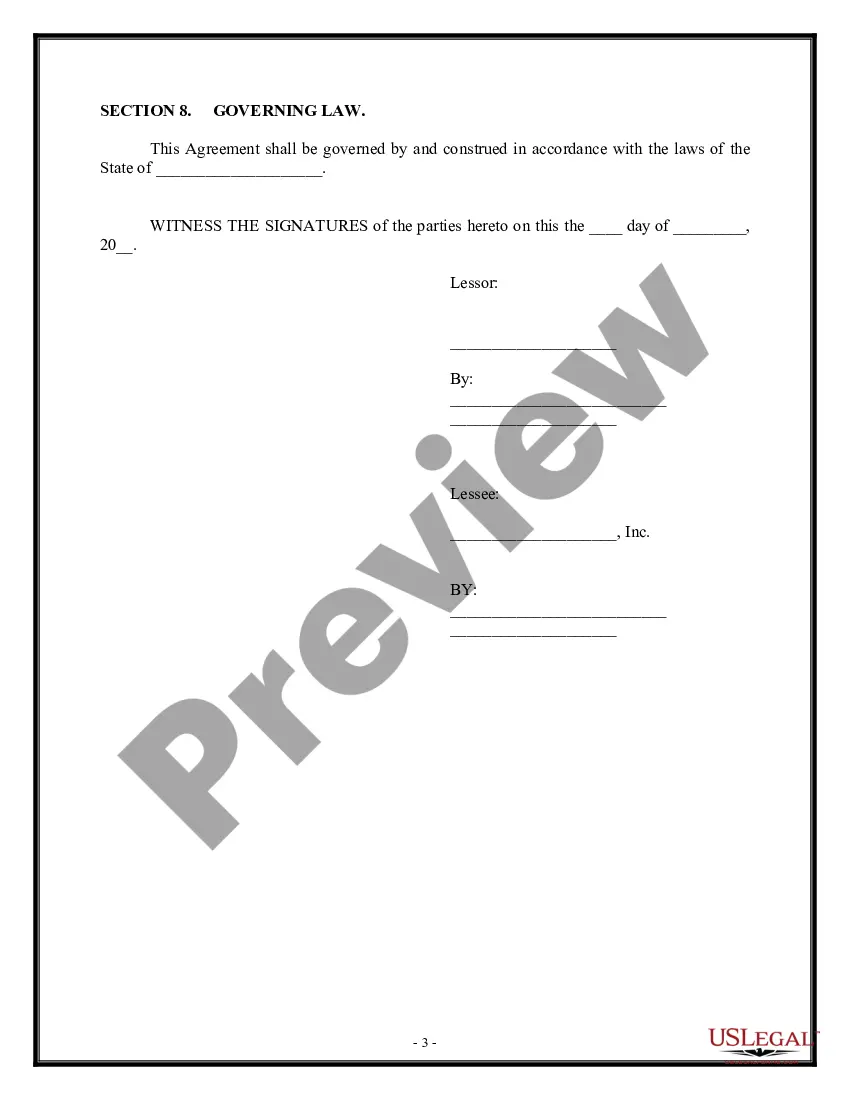
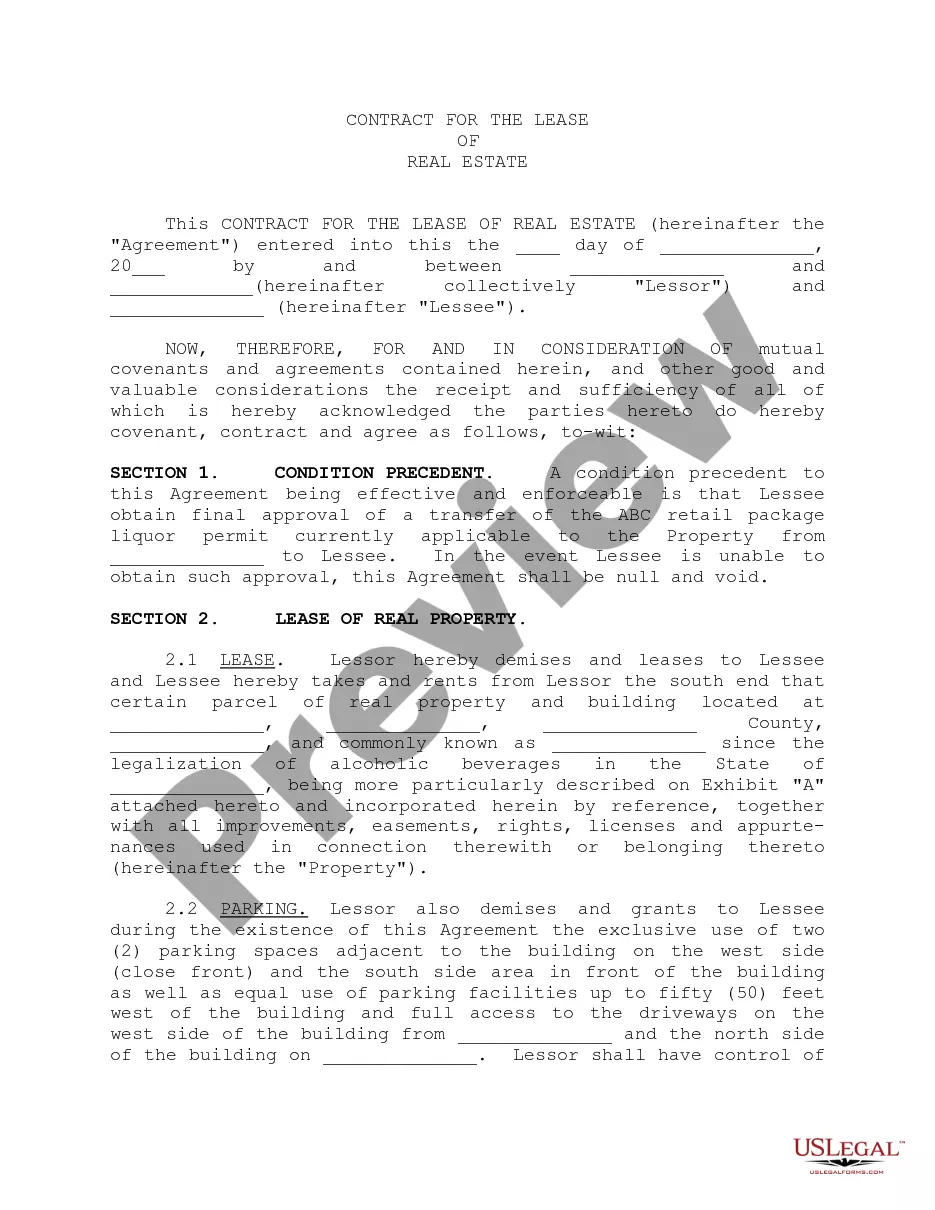
Get your form ready online
Our built-in tools help you complete, sign, share, and store your documents in one place.
Make edits, fill in missing information, and update formatting in US Legal Forms—just like you would in MS Word.
Download a copy, print it, send it by email, or mail it via USPS—whatever works best for your next step.
Sign and collect signatures with our SignNow integration. Send to multiple recipients, set reminders, and more. Go Premium to unlock E-Sign.
If this form requires notarization, complete it online through a secure video call—no need to meet a notary in person or wait for an appointment.
We protect your documents and personal data by following strict security and privacy standards.

Make edits, fill in missing information, and update formatting in US Legal Forms—just like you would in MS Word.

Download a copy, print it, send it by email, or mail it via USPS—whatever works best for your next step.

Sign and collect signatures with our SignNow integration. Send to multiple recipients, set reminders, and more. Go Premium to unlock E-Sign.

If this form requires notarization, complete it online through a secure video call—no need to meet a notary in person or wait for an appointment.

We protect your documents and personal data by following strict security and privacy standards.
Looking for another form?









Form popularity
FAQ
The sum of the value of all your items is how much coverage you need. Often, the amount of personal property coverage is determined by using 50% of your dwelling coverage limit.
The coinsurance formula determines the amount of reimbursement that a homeowner or property owner will receive from a claim. Homeowners are required to have a minimum amount of coverage when they buy a homeowners insurance policy, which is typically 80% of the property's replacement value.
Average home insurance prices by coverage amount Dwelling coverageAnnual rate $200,000 $1,450 $350,000 $2,151 $500,000 $2,891 $1 million $5,287
Personal-use property is not purchased with the primary intent of making a profit, nor do you use it for business or rental purposes.
In California, all properties are subject to a basic tax rate of 1% based on their assessed value. This value is set by the county assessor when the property is bought or newly built. For example, if your assessment is $500,000, the basic property tax you owe would be $5,000 annually.
A personal property tax is imposed by state or local governments on certain assets that can be touched and moved such as cars, livestock, or equipment. Personal property includes assets other than land or permanent structures such as buildings. These are considered to be real property.
Personal property depends on a surprisingly simple test: Can you physically move it? The outcome of that test determines the distinction between real property and personal property, which in turn has real implications for taxation.
You must report all business assets, including all fully depreciated assets and/or expensed assets. Do not report licensed vehicles, computer application software, and goods held for sale, rent, or lease (i.e., inventory).
Possessions which can be easily moved and are not fixed in a permanent location, such as furniture, clothing, jewelry, books, and other personal items are not considered real property; instead, these items are classified as personal property.
Homeowners' exemption If you own and occupy your home as your principal place of residence, you may be eligible for an exemption of up to $7,000 off the dwelling's assessed value, resulting in a property tax savings of approximately $70 to $80 annually.