Personal Property Form 2023 In San Diego
Description

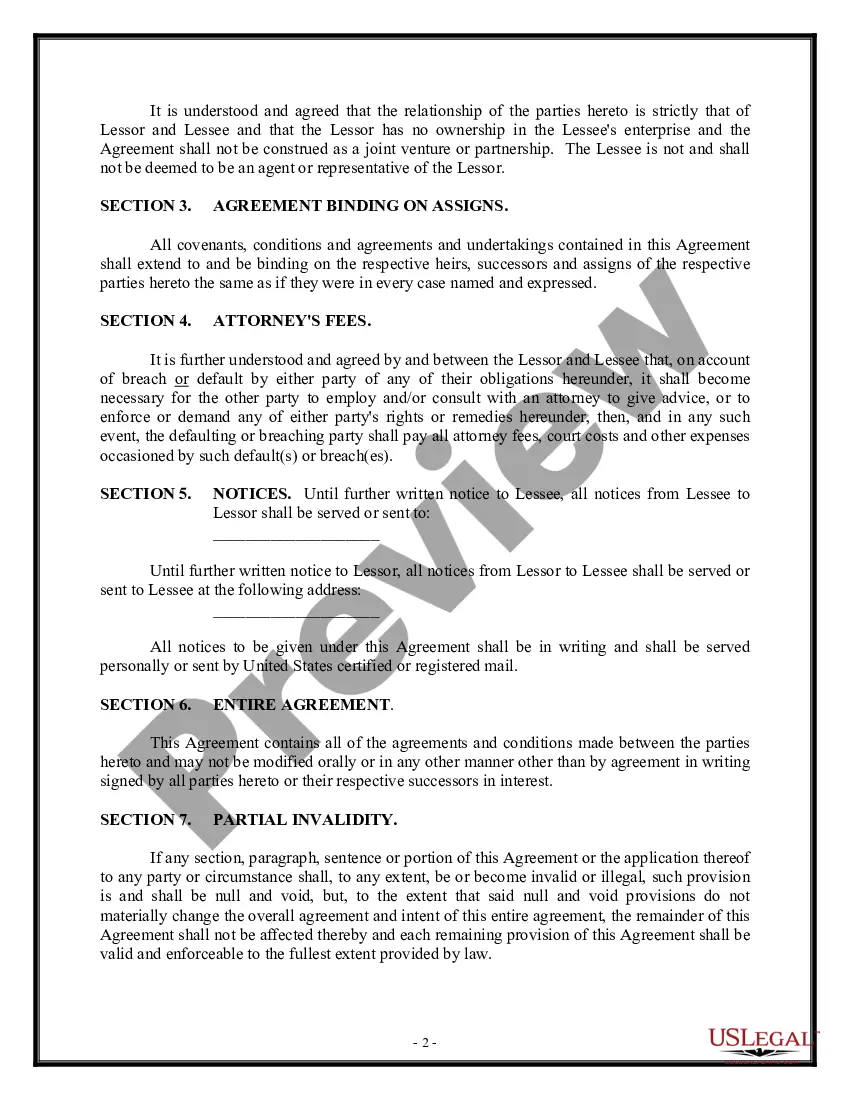
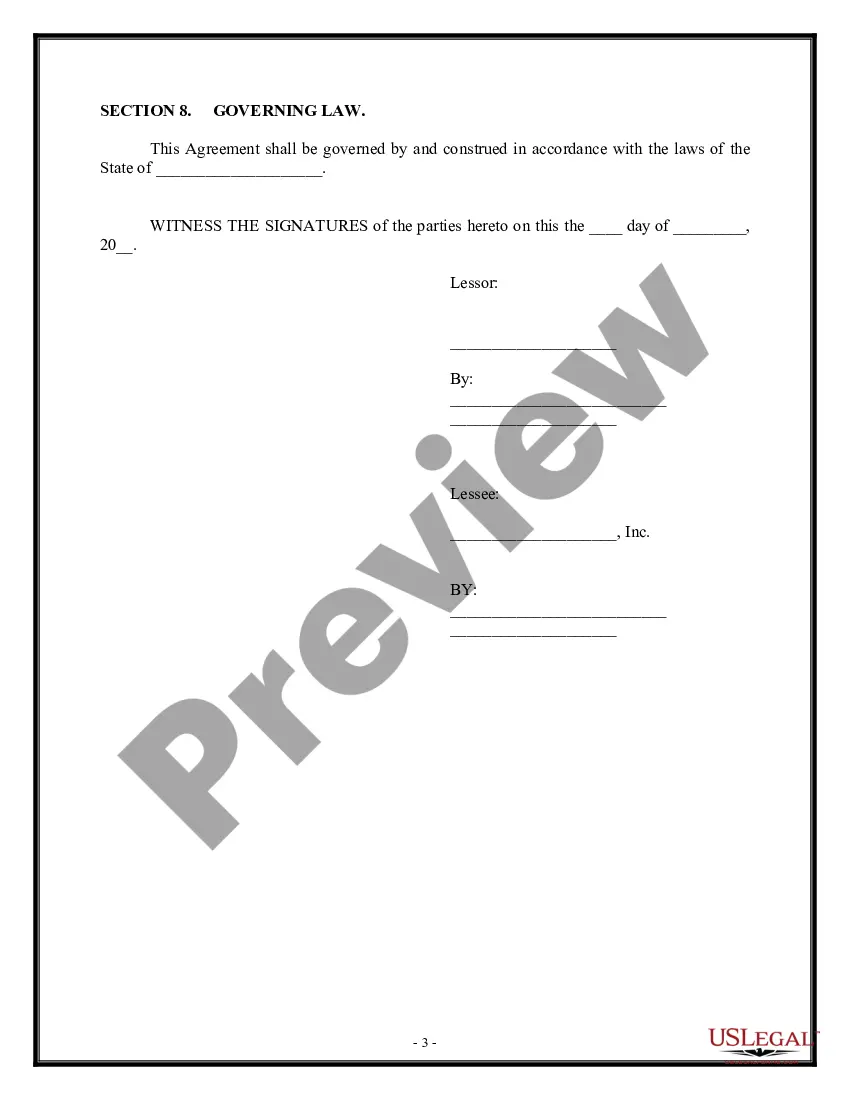
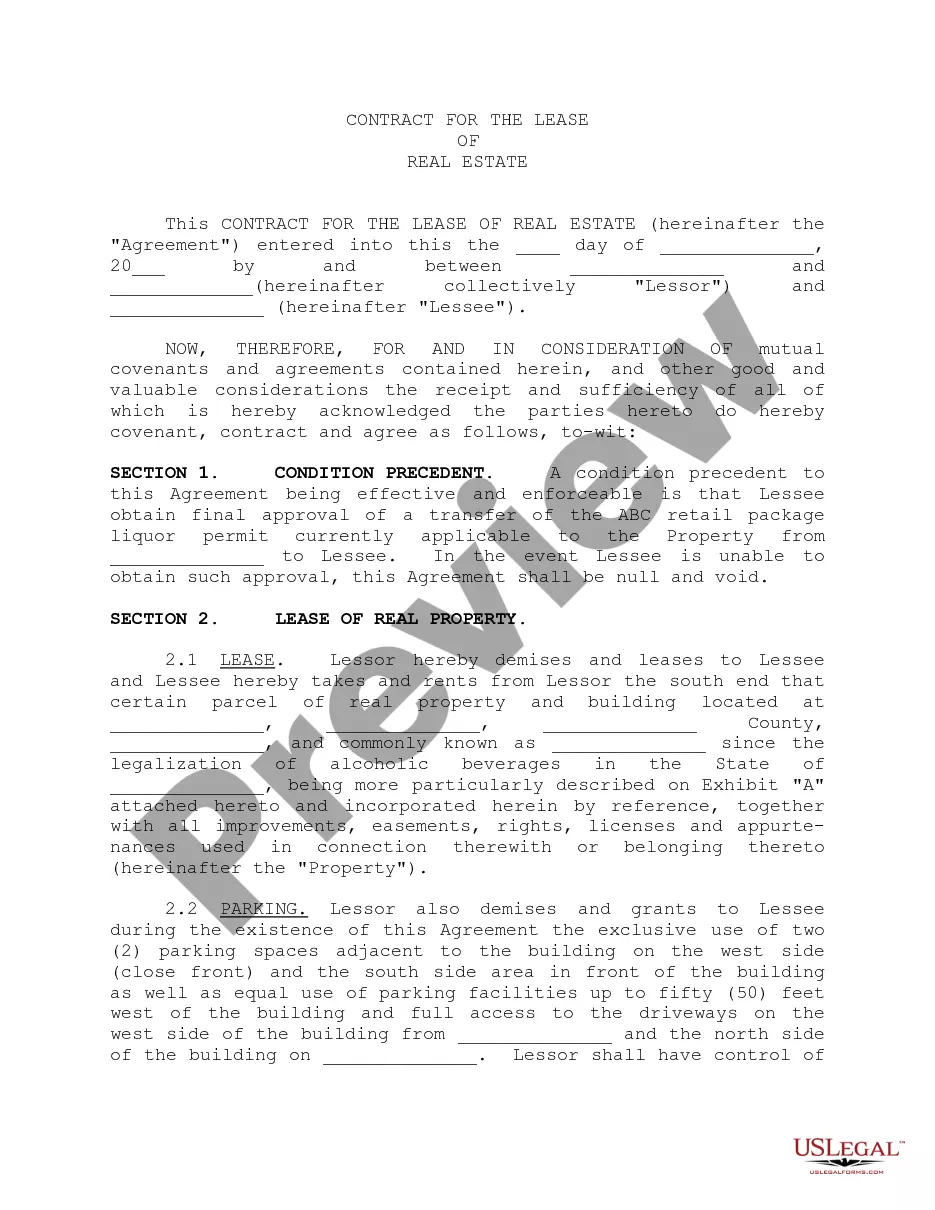
Get your form ready online
Our built-in tools help you complete, sign, share, and store your documents in one place.
Make edits, fill in missing information, and update formatting in US Legal Forms—just like you would in MS Word.
Download a copy, print it, send it by email, or mail it via USPS—whatever works best for your next step.
Sign and collect signatures with our SignNow integration. Send to multiple recipients, set reminders, and more. Go Premium to unlock E-Sign.
If this form requires notarization, complete it online through a secure video call—no need to meet a notary in person or wait for an appointment.
We protect your documents and personal data by following strict security and privacy standards.

Make edits, fill in missing information, and update formatting in US Legal Forms—just like you would in MS Word.

Download a copy, print it, send it by email, or mail it via USPS—whatever works best for your next step.

Sign and collect signatures with our SignNow integration. Send to multiple recipients, set reminders, and more. Go Premium to unlock E-Sign.

If this form requires notarization, complete it online through a secure video call—no need to meet a notary in person or wait for an appointment.

We protect your documents and personal data by following strict security and privacy standards.
Looking for another form?




Form popularity
FAQ
Annual Secured Property Tax Bills are prepared and mailed by the Treasurer and Tax Collector in October of each year. The first installment of your tax bill is due on November 1 and becomes delinquent by the close of business on December 10.
Under Article XIII, Section I of the California Constitution, all property is taxable unless it is exempt. Each year Personal Property is reassessed as of lien date, January 1st.
Annual property tax bills are mailed every year in October to the owner of record as of January 1 of that year. If you do not receive the original bill by November 1, contact the County Tax Collector or Assessor for a duplicate bill. Note, the original bill may still have the prior owner's name on it the first year.
If the piece of property you're looking to buy is in a county that doesn't have an online database, you can always call the county's Treasurer's office and give them the parcel number. They will be able to look up any back taxes and tax liens for you.
To ensure that assessments are equitable, the assessed value of the property and the amount of property tax are public records. Deeds and liens are placed on public record so that anyone can check the ownership of property or the financial status of a person or corporation.
Deductible personal property taxes are those based only on the value of personal property such as a boat or car. The tax must be charged to you on a yearly basis, even if it's collected more than once a year or less than once a year.
The County Assessor administers the homeowner tax exemption program, which allows homeowners to claim a $7,000 exemption from the full value of a property used as the homeowner's primary residence; and other programs applicable to properties owned by disabled veterans, religious organizations, public schools, colleges, ...
How does California's tax code compare? California has a graduated state individual income tax, with rates ranging from 1.00 percent to 13.30 percent.