Personal Property Form For Will In North Carolina
Description

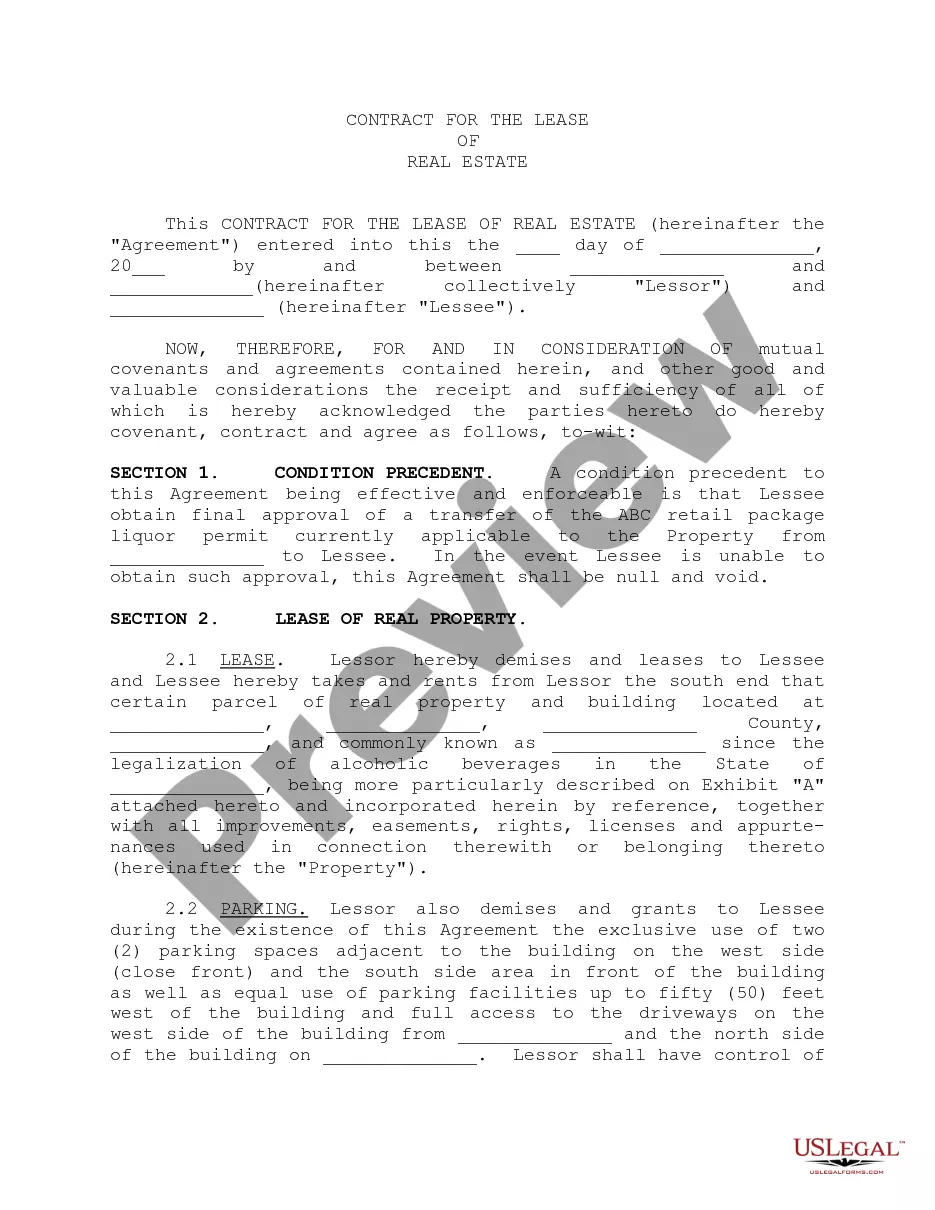
Get your form ready online
Our built-in tools help you complete, sign, share, and store your documents in one place.
Make edits, fill in missing information, and update formatting in US Legal Forms—just like you would in MS Word.
Download a copy, print it, send it by email, or mail it via USPS—whatever works best for your next step.
Sign and collect signatures with our SignNow integration. Send to multiple recipients, set reminders, and more. Go Premium to unlock E-Sign.
If this form requires notarization, complete it online through a secure video call—no need to meet a notary in person or wait for an appointment.
We protect your documents and personal data by following strict security and privacy standards.

Make edits, fill in missing information, and update formatting in US Legal Forms—just like you would in MS Word.

Download a copy, print it, send it by email, or mail it via USPS—whatever works best for your next step.

Sign and collect signatures with our SignNow integration. Send to multiple recipients, set reminders, and more. Go Premium to unlock E-Sign.

If this form requires notarization, complete it online through a secure video call—no need to meet a notary in person or wait for an appointment.

We protect your documents and personal data by following strict security and privacy standards.
Looking for another form?





Form popularity
FAQ
An affidavit is a required part of a judicial foreclosure for a lender to get a final judgment. This is a statement signed under oath.
The affidavit is a sworn statement of fact that specifies the seller of a property holds the title to it. In other words, it's proof that the seller owns the property.
You normally need not get very specific, unless an object is particularly valuable. It is enough to list the location of the property: "all household furnishings and possessions in the apartment at 55 Drury Lane."
In such cases, the affidavit shall state: (i) the name and address of the affiant and the fact that the affiant is the surviving spouse and is entitled, under the provisions of the Intestate Succession Act, to all of the property of the decedent; (ii) that the value of all of the personal property owned by the estate ...
The deed to the property automatically transfers to you after your loved one passes away. From that point, all you would need to prove that you are the rightful owner of the property is: A copy of your loved one's death certificate. A copy of your loved one's will awarding you the property.
If this Affidavit is provided in a case already pending in the courts, include the file number and county in which the case is pending above and the name of the defendant below. An affidavit is a statement given under oath that its contents are true and accurate.
In such cases, the affidavit shall state: (i) the name and address of the affiant and the fact that the affiant is the surviving spouse and is entitled, under the provisions of the Intestate Succession Act, to all of the property of the decedent; (ii) that the value of all of the personal property owned by the estate ...
The general requirements for a valid Will are usually as follows: (a) the document must be written (meaning typed or printed), (b) signed by the person making the Will (usually called the “testator” or “testatrix”, and (c) signed by two witnesses who were present to witness the execution of the document by the maker ...