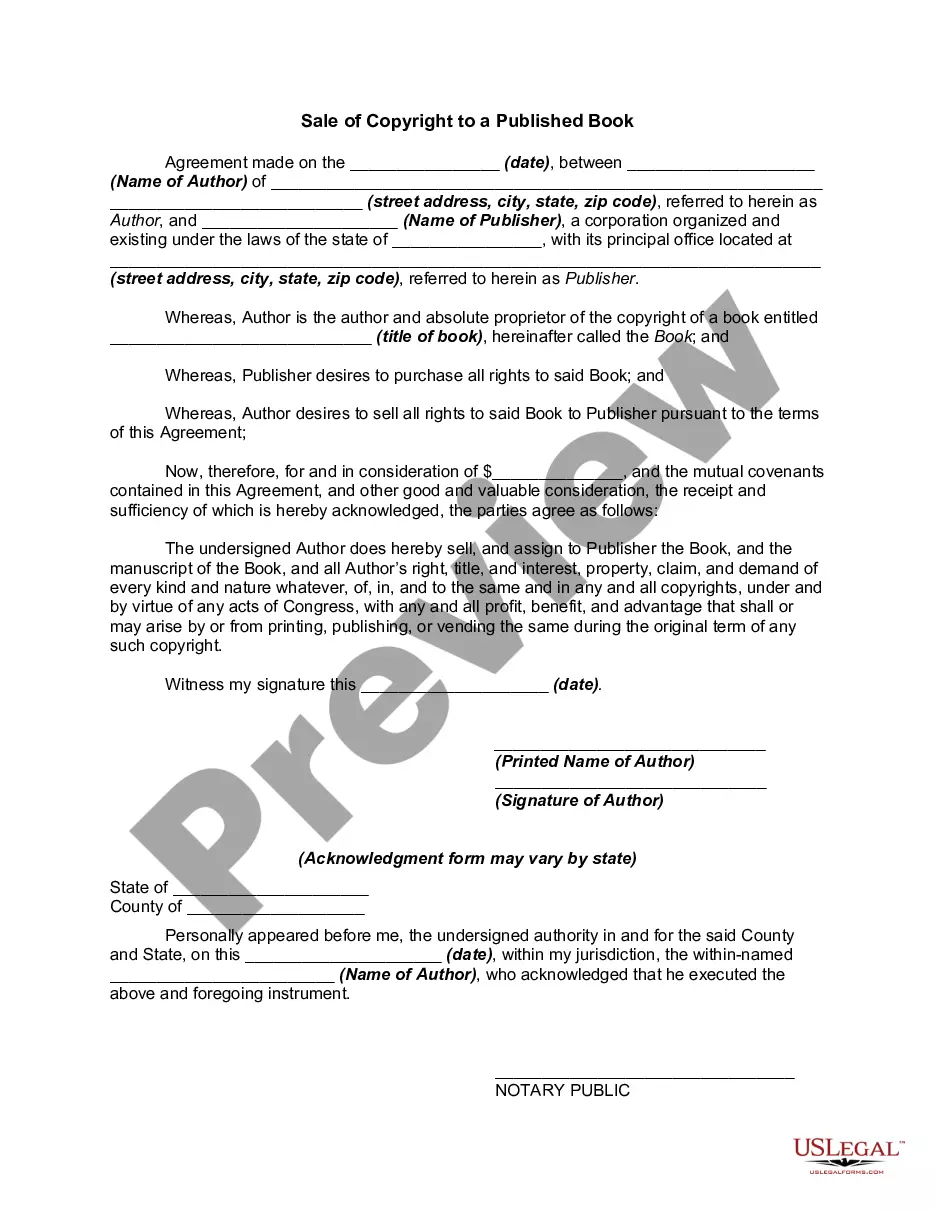
Personal Property Statement Without Holdback In Nassau
Description

Get your form ready online
Our built-in tools help you complete, sign, share, and store your documents in one place.
Make edits, fill in missing information, and update formatting in US Legal Forms—just like you would in MS Word.
Download a copy, print it, send it by email, or mail it via USPS—whatever works best for your next step.
Sign and collect signatures with our SignNow integration. Send to multiple recipients, set reminders, and more. Go Premium to unlock E-Sign.
If this form requires notarization, complete it online through a secure video call—no need to meet a notary in person or wait for an appointment.
We protect your documents and personal data by following strict security and privacy standards.

Make edits, fill in missing information, and update formatting in US Legal Forms—just like you would in MS Word.

Download a copy, print it, send it by email, or mail it via USPS—whatever works best for your next step.

Sign and collect signatures with our SignNow integration. Send to multiple recipients, set reminders, and more. Go Premium to unlock E-Sign.

If this form requires notarization, complete it online through a secure video call—no need to meet a notary in person or wait for an appointment.

We protect your documents and personal data by following strict security and privacy standards.
Looking for another form?




Form popularity
FAQ
Tangible personal property, or TPP as it is sometimes called, includes items such as furniture, machinery, cell phones, computers, and collectibles. Intangibles, on the other hand, consist of things that cannot be seen or touched like patents and copyrights.
Personal property is a class of property that can include any asset other than real estate. The distinguishing factor between personal property and real estate, or real property, is that personal property is movable, meaning it isn't fixed permanently to one particular location.
Personal-use property is not purchased with the primary intent of making a profit, nor do you use it for business or rental purposes.
Personal property refers to movable items that people own, such as furniture, appliances, or electronics. Personal property can be intangible, like digital assets, or tangible, such as clothes or artwork.
(1) raw materials, such as wood, metal, rubber and minerals; (2) manufactured items, such as gasoline, oil, chemicals, jewelry, furniture, machinery, clothing, vehicles, appliances, lighting fixtures, building materials; (3) artistic items, such as sketches, paintings, photographs, moving picture films and recordings; ...
Every new business owning tangible personal property on January 1 must file an initial tax return. In any year the assessed value of your tangible personal property exceeds $25,000, you are required to file a return. Taxpayers who lease, lend or rent property must also file a return.
All Tangible Personal Property accounts are eligible to receive up to a $25,000 exemption if a Tangible Personal Property return (DR-405) has been timely filed with the Property Appraiser. All new businesses are required to file this return in order to receive the exemption.
Calculated Tax Rate For 2025 and 2026, the Assessor set residential properties (Class 1) at a level of assessment of 0.1%. Meaning the taxable assessed value is just 0.1% of the market value. For example, if a property in Nassau has a market value of $500,000, the assessed value would be $500 ($500,000 x . 001 LOA).
A business personal property audit assesses and verifies the accuracy of a company's reported tangible assets. These audits are not just about compliance; they're also about financial integrity. Accurate asset reporting is crucial for clearly understanding a company's financial health.