Personal Property Document With Iphone In Minnesota
Description

Get your form ready online
Our built-in tools help you complete, sign, share, and store your documents in one place.
Make edits, fill in missing information, and update formatting in US Legal Forms—just like you would in MS Word.
Download a copy, print it, send it by email, or mail it via USPS—whatever works best for your next step.
Sign and collect signatures with our SignNow integration. Send to multiple recipients, set reminders, and more. Go Premium to unlock E-Sign.
If this form requires notarization, complete it online through a secure video call—no need to meet a notary in person or wait for an appointment.
We protect your documents and personal data by following strict security and privacy standards.

Make edits, fill in missing information, and update formatting in US Legal Forms—just like you would in MS Word.

Download a copy, print it, send it by email, or mail it via USPS—whatever works best for your next step.

Sign and collect signatures with our SignNow integration. Send to multiple recipients, set reminders, and more. Go Premium to unlock E-Sign.

If this form requires notarization, complete it online through a secure video call—no need to meet a notary in person or wait for an appointment.

We protect your documents and personal data by following strict security and privacy standards.
Looking for another form?


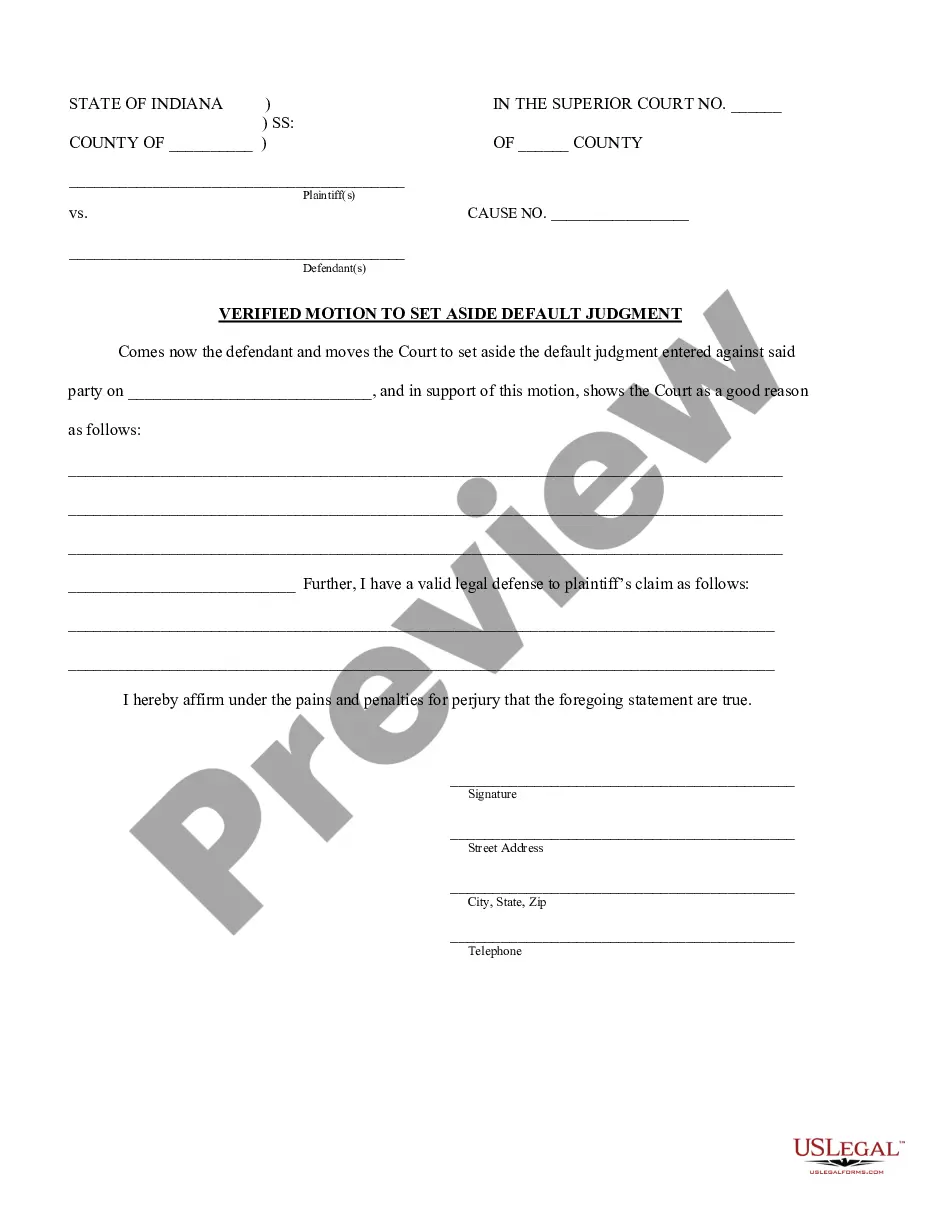

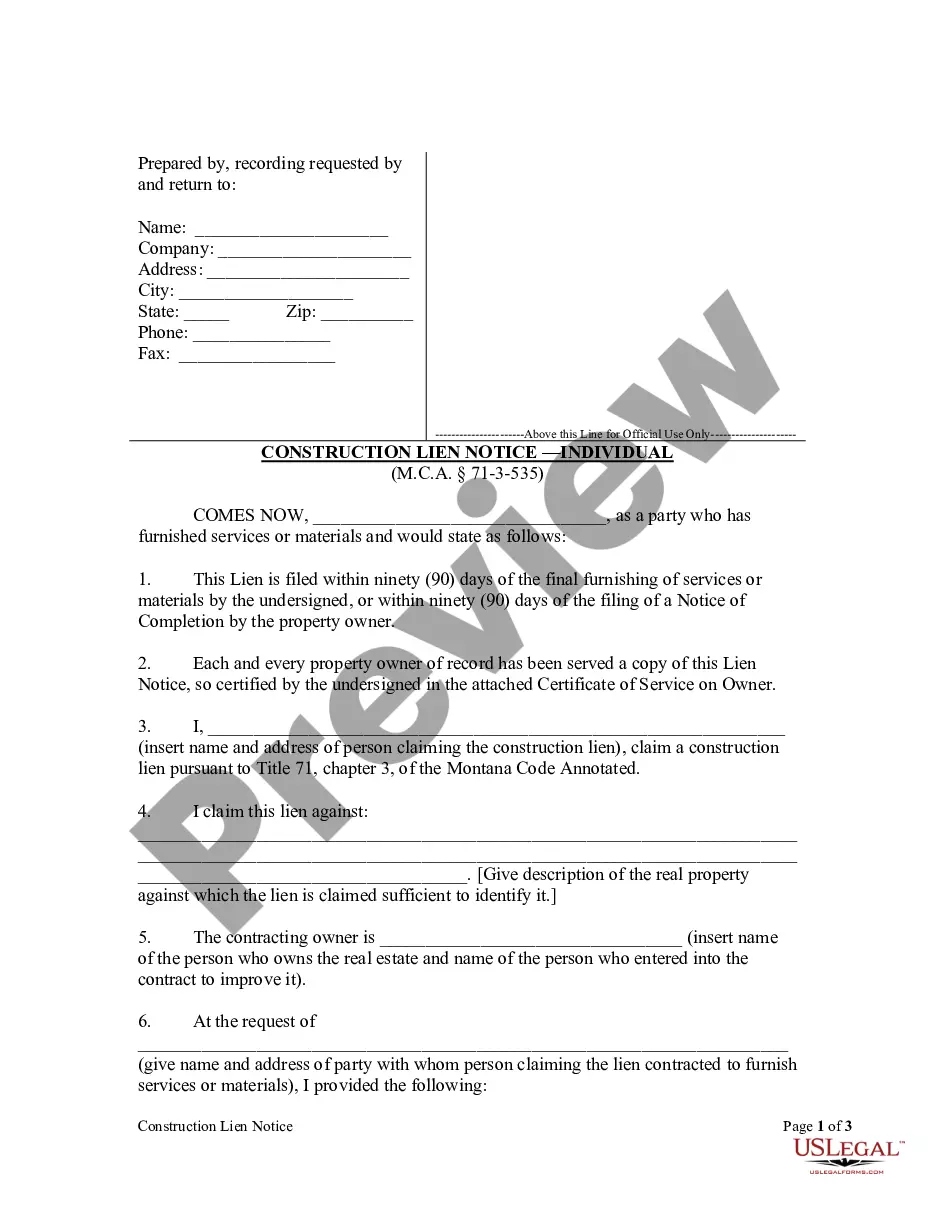
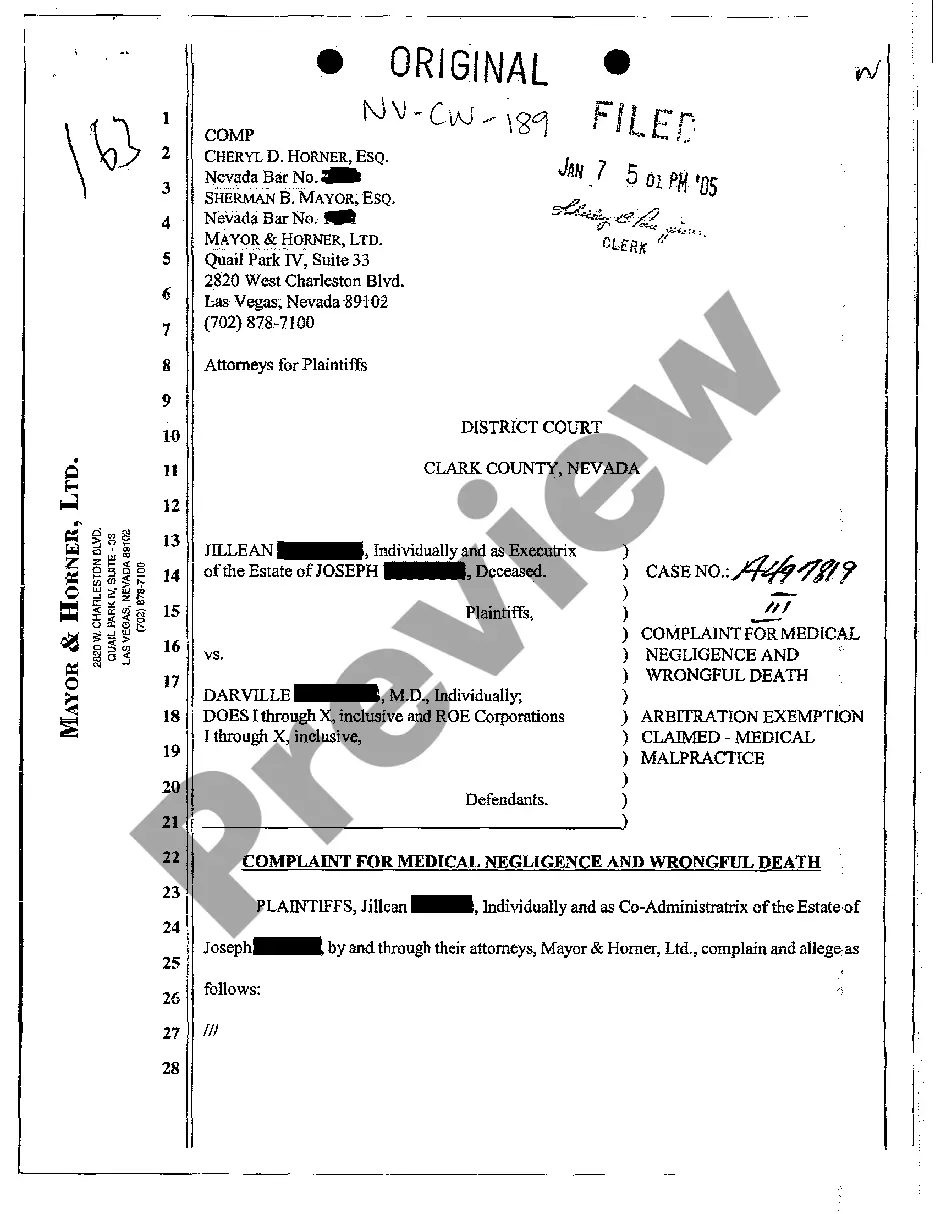



Form popularity
FAQ
Some of the most common tax-exempt property types are: Churches or places of worship. Institutions of public charity. All properties used exclusively for public purposes, including public hospitals, schools, burial grounds, etc.
Personal property is movable property that is not attached to land. Tangible - movable equipment and machinery, furniture, cars, trade fixtures, etc. Intangible – goodwill, non-compete clauses, patents, copyrights, etc.
While there is no state in the U.S. that doesn't have property taxes on real estate, some have much lower property tax rates than others. Here's how property taxes are calculated. The effective property tax rate is used to determine the places with the lowest and highest property taxes in the nation.
Personal Property Personal belongings such as clothing and jewelry. Household items such as furniture, some appliances, and artwork. Vehicles such as cars, trucks, and boats. Bank accounts and investments such as stocks, bonds, and insurance policies.
Possessions which can be easily moved and are not fixed in a permanent location, such as furniture, clothing, jewelry, books, and other personal items are not considered real property; instead, these items are classified as personal property.
These may include personally-owned cars, homes, appliances, apparel, food items, and so on. Personal use property can be insured against theft in most homeowners policies, but may require additional riders or carry limitations.
How to scan documents on your iPhone or iPad Open Notes and select a note or create a new one. Tap the Camera button , then tap Scan Documents . Place your document in view of the camera. If your device is in Auto mode, your document will automatically scan. Tap Save or add additional scans to the document.
Subd. (a) Tangible property includes land, buildings, machinery and equipment, inventories, and other tangible personal property actually used by the taxpayer during the taxable year in carrying on the business activities of the taxpayer.
If you're a Minnesota homeowner, you may qualify for a Property Tax Refund. The refund provides property tax relief depending on your income and property taxes.