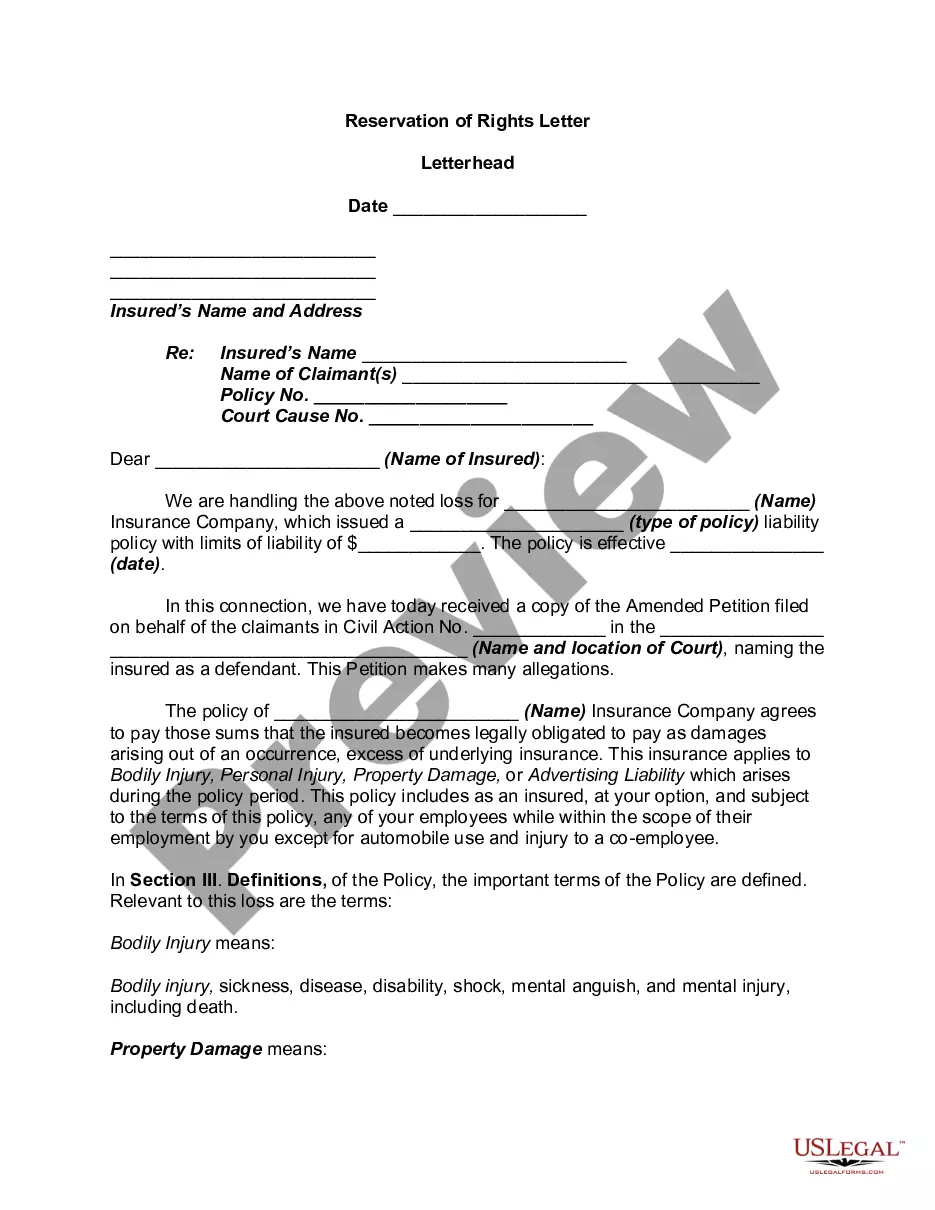
Personal Property Form Insurance In Miami-Dade
Description

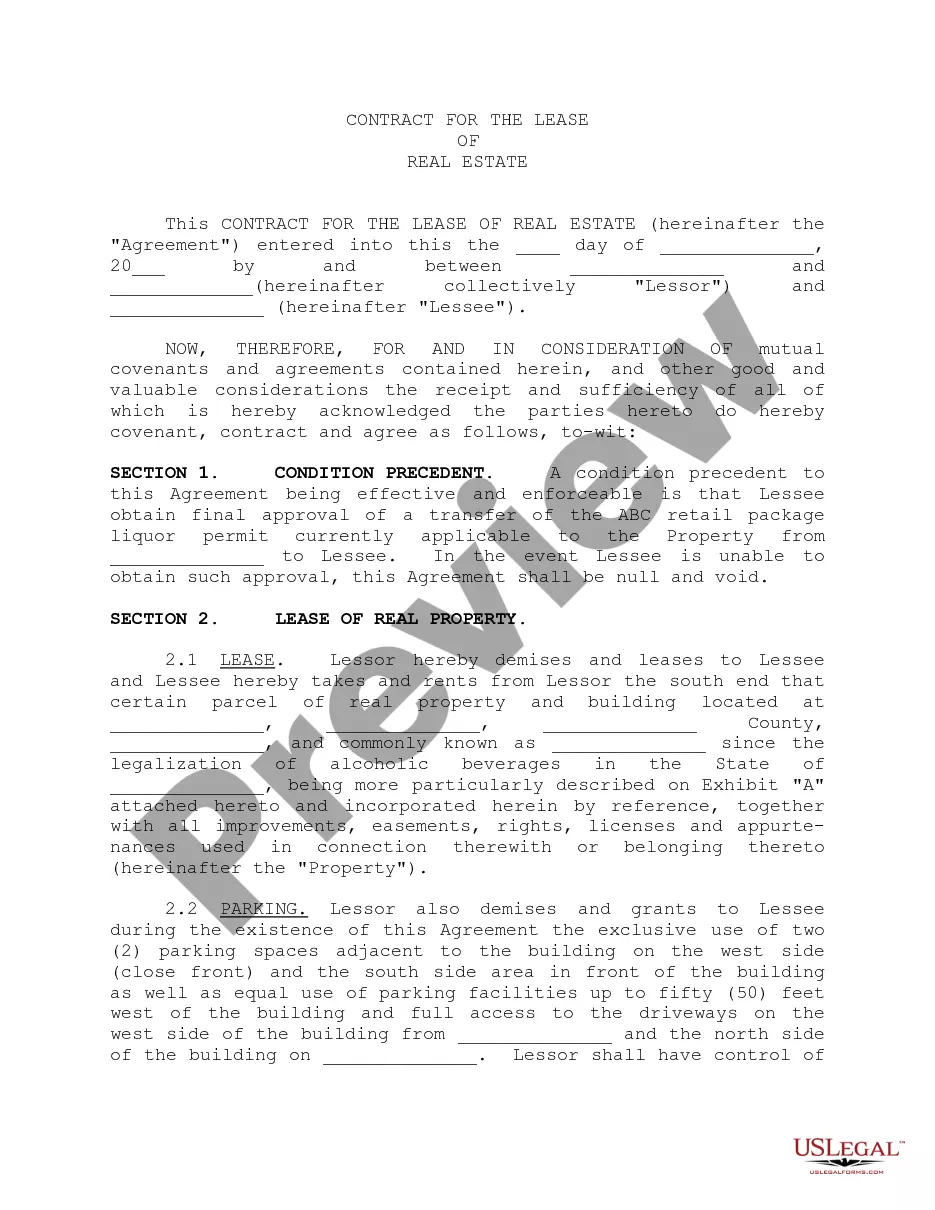
Get your form ready online
Our built-in tools help you complete, sign, share, and store your documents in one place.
Make edits, fill in missing information, and update formatting in US Legal Forms—just like you would in MS Word.
Download a copy, print it, send it by email, or mail it via USPS—whatever works best for your next step.
Sign and collect signatures with our SignNow integration. Send to multiple recipients, set reminders, and more. Go Premium to unlock E-Sign.
If this form requires notarization, complete it online through a secure video call—no need to meet a notary in person or wait for an appointment.
We protect your documents and personal data by following strict security and privacy standards.

Make edits, fill in missing information, and update formatting in US Legal Forms—just like you would in MS Word.

Download a copy, print it, send it by email, or mail it via USPS—whatever works best for your next step.

Sign and collect signatures with our SignNow integration. Send to multiple recipients, set reminders, and more. Go Premium to unlock E-Sign.

If this form requires notarization, complete it online through a secure video call—no need to meet a notary in person or wait for an appointment.

We protect your documents and personal data by following strict security and privacy standards.
Looking for another form?





Form popularity
FAQ
A taxpayer may be waived from filing the Tangible Personal Property Tax Return (DR-405) if: The prior year value was less than $25,000. The current value remains less than $25,000 (i.e. no new purchases over the past year).
Florida Statute defines TPP as “all goods, chattels, and other articles of value (but does not include vehicular items) capable of manual possession and whose chief value is intrinsic to the article itself.”
Personal property depends on a surprisingly simple test: Can you physically move it? The outcome of that test determines the distinction between real property and personal property, which in turn has real implications for taxation.
Tangible personal property (TPP) is all goods, property other than real. estate, and other ar�cles of value that the owner can physically possess and that have intrinsic value. Inventory, household goods, and some vehicular items are excluded (see sec�on 192.001(11)(d), Florida Statutes (F.S.)).
Personal Property Personal belongings such as clothing and jewelry. Household items such as furniture, some appliances, and artwork. Vehicles such as cars, trucks, and boats. Bank accounts and investments such as stocks, bonds, and insurance policies.
(19) “Tangible personal property” means and includes personal property which may be seen, weighed, measured, or touched or is in any manner perceptible to the senses, including electric power or energy, boats, motor vehicles and mobile homes as defined in s.
Each TPP tax return is eligible for an exemption up to $25,000 of assessed value. If the property appraiser has determined that the property has separate and distinct owners and each files a return, each may receive a $25,000 exemption.
Every new business owning tangible personal property on January 1 must file an initial tax return. In any year the assessed value of your tangible personal property exceeds $25,000, you are required to file a return. Taxpayers who lease, lend or rent property must also file a return.