Reservation For Rights Letter
Description
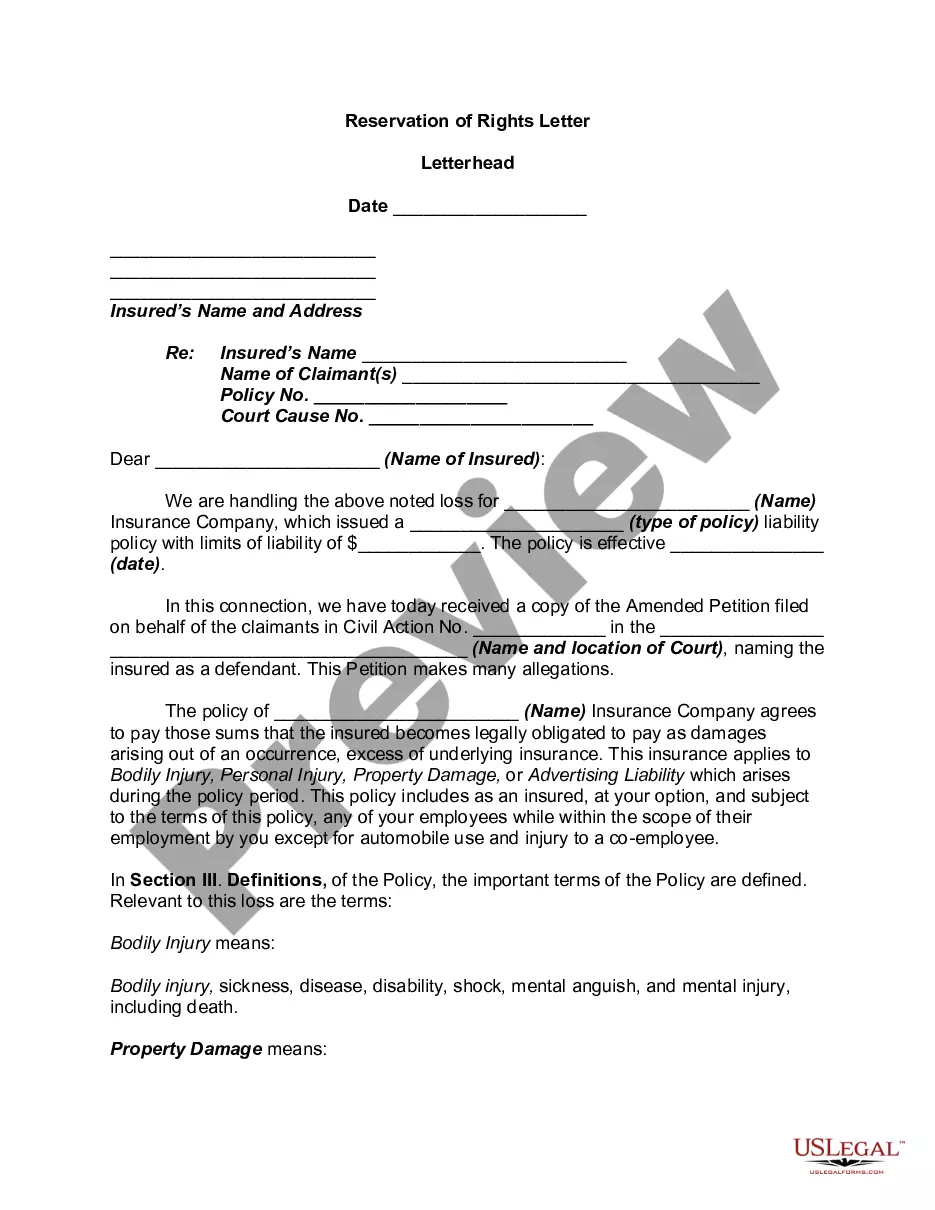

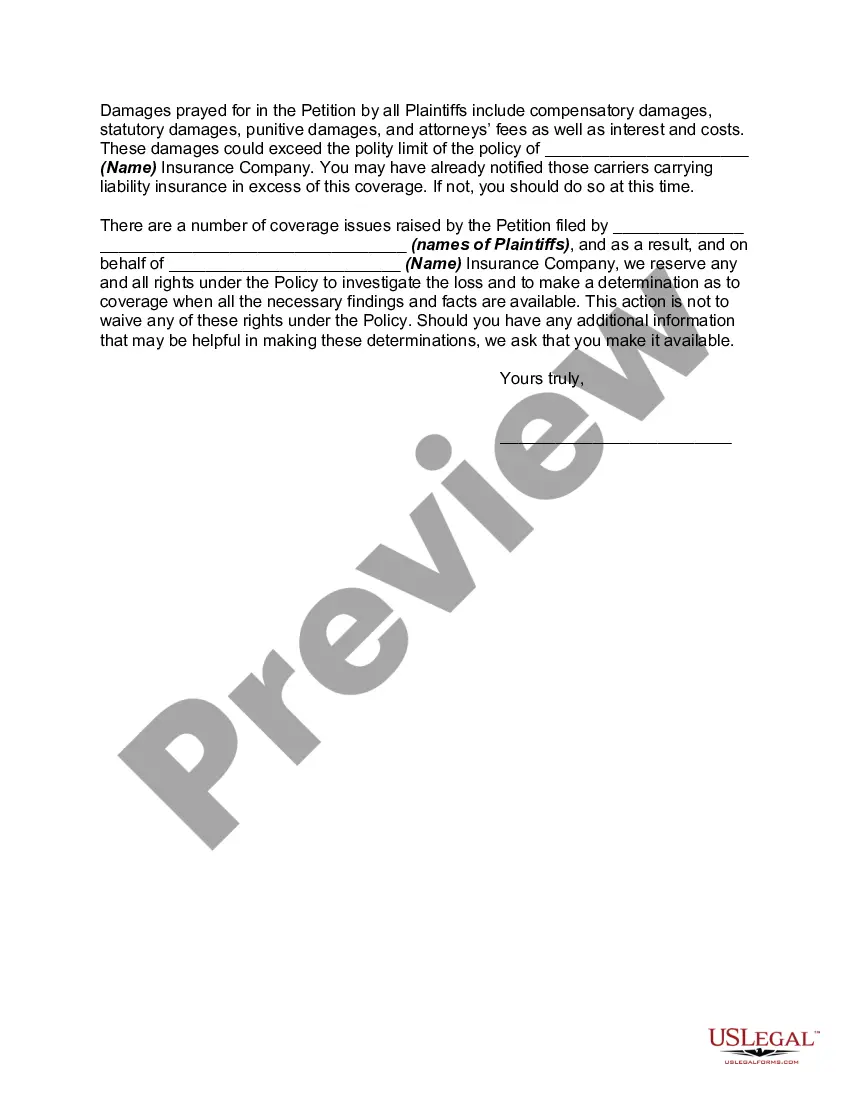
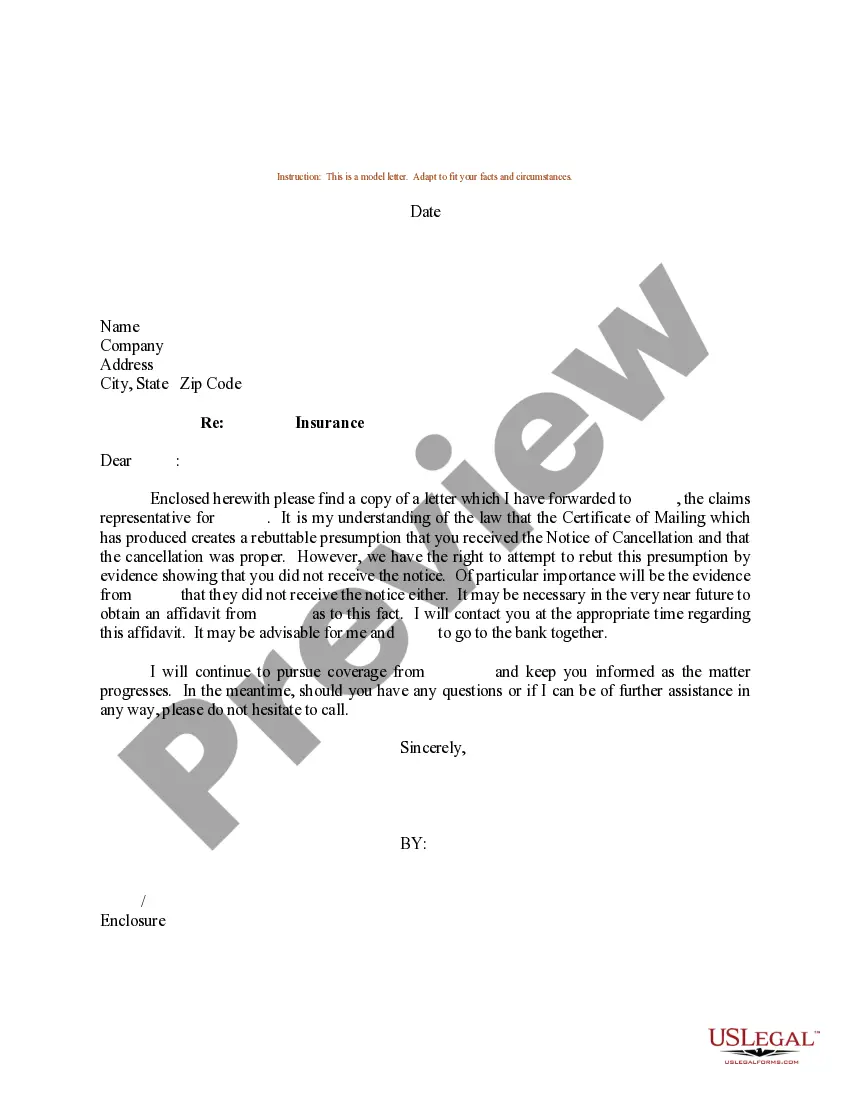
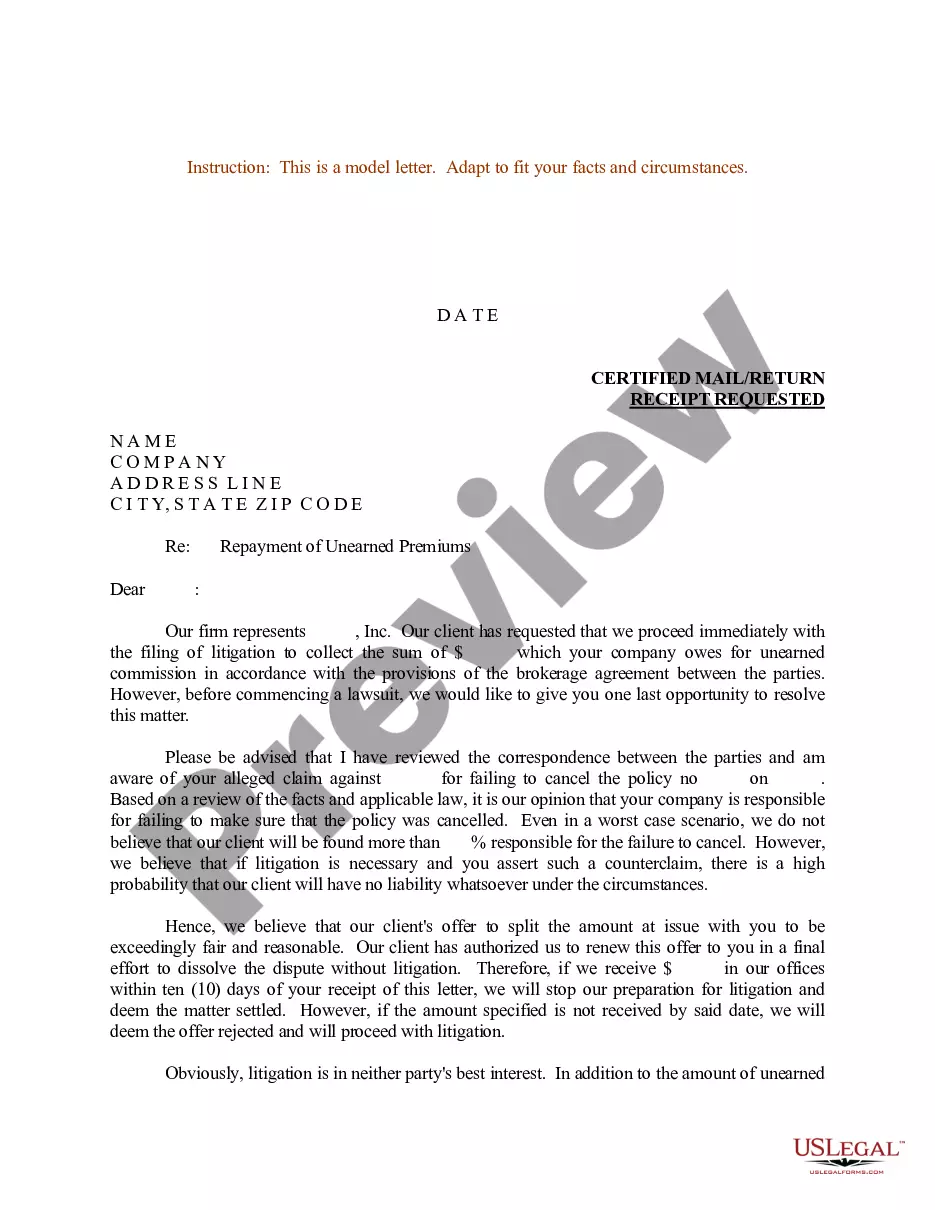
Get your form ready online
Our built-in tools help you complete, sign, share, and store your documents in one place.
Make edits, fill in missing information, and update formatting in US Legal Forms—just like you would in MS Word.
Download a copy, print it, send it by email, or mail it via USPS—whatever works best for your next step.
Sign and collect signatures with our SignNow integration. Send to multiple recipients, set reminders, and more. Go Premium to unlock E-Sign.
If this form requires notarization, complete it online through a secure video call—no need to meet a notary in person or wait for an appointment.
We protect your documents and personal data by following strict security and privacy standards.

Make edits, fill in missing information, and update formatting in US Legal Forms—just like you would in MS Word.

Download a copy, print it, send it by email, or mail it via USPS—whatever works best for your next step.

Sign and collect signatures with our SignNow integration. Send to multiple recipients, set reminders, and more. Go Premium to unlock E-Sign.

If this form requires notarization, complete it online through a secure video call—no need to meet a notary in person or wait for an appointment.

We protect your documents and personal data by following strict security and privacy standards.
Looking for another form?





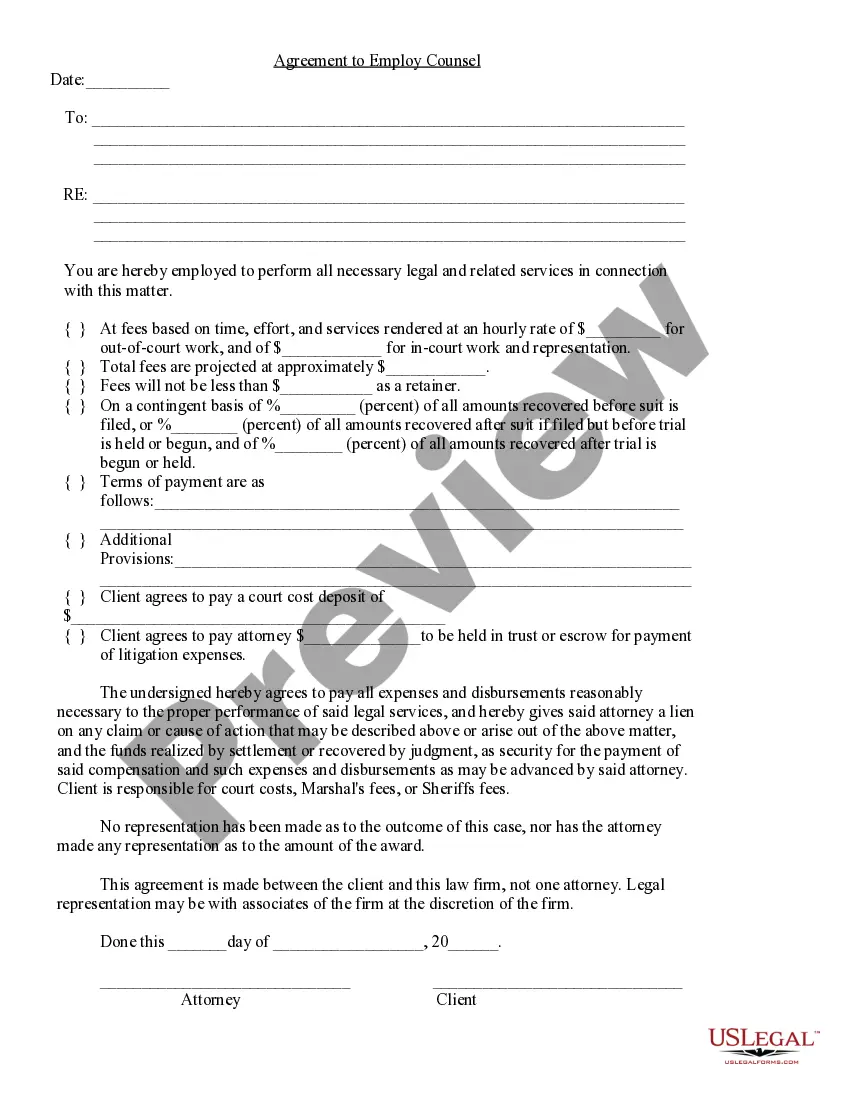


How to fill out Reservation Of Rights Letter?
When you have to finalize a Reservation For Rights Letter that adheres to your local state's statutes and regulations, there may be numerous options to select from.
There's no need to review each form to confirm it satisfies all the legal requirements if you are a US Legal Forms subscriber.
It is a dependable service that can assist you in obtaining a reusable and current template on any topic.
Browse the suggested page and verify it for alignment with your criteria. Use the Preview mode and review the form description if accessible. Search for another sample via the Search bar in the header if necessary. Click Buy Now when you identify the correct Reservation For Rights Letter. Choose the most appropriate pricing plan, Log In to your account, or create one. Pay for a subscription (PayPal and credit card options are available). Download the sample in the desired file format (PDF or DOCX). Print the document or fill it out electronically using an online editor. Securing professionally drafted official documents becomes simple with US Legal Forms. Moreover, Premium users can also enjoy the robust integrated solutions for online document editing and signing. Give it a try today!
- US Legal Forms is the most extensive online library with a collection of over 85k ready-to-use documents for business and personal legal matters.
- All templates are verified to conform to each state's laws.
- Therefore, when downloading the Reservation For Rights Letter from our platform, you can be assured that you hold a valid and up-to-date document.
- Acquiring the necessary sample from our platform is straightforward.
- If you already possess an account, simply Log In to the system, confirm your subscription is active, and save the selected file.
- Later, you can access the My documents tab in your account and retrieve the Reservation For Rights Letter at any time.
- If it's your initial encounter with our library, please follow the guide provided below.
Form popularity
FAQ
Lawyers often use the phrase 'rights reserved' to indicate that a party retains certain legal rights. This is frequently referenced in a Reservation for rights letter, which formalizes the intention to maintain specific rights despite changing circumstances. By asserting these rights, parties can protect themselves from any unintended consequences associated with an agreement or a transaction. Understanding this concept can help you navigate legal agreements more effectively and ensure your rights remain safeguarded.
A reservation for rights letter should be sent as soon as an issue arises during the claims process that may affect coverage. It is crucial to issue this letter promptly to protect the insurer's rights. Waiting too long could jeopardize the insurer's position and lead to unintended coverage commitments. Therefore, timely communication helps ensure that both the insurer and the policyholder understand the status of the claim.
Typically, the insurance company or its claims adjuster sends a reservation for rights letter. This communication is part of the claims management process. It is essential for the insurer to maintain clear and open communication with the policyholder. By doing so, the insurer demonstrates its commitment to addressing claims fairly while also ensuring its own compliance with policy terms.
An insurer may send a reservation for rights letter to a claimant to clarify that it is still reviewing the claim and that coverage is not guaranteed. This letter helps manage expectations by outlining any potential issues with the claim. Additionally, it protects the insurer's ability to deny coverage if future findings suggest that the claim is not valid. It is a crucial step in the claims process that can affect outcomes.
Insurance companies send a reservation for rights letter to inform policyholders that they may not be fully covered for a claim. This letter serves as a formal notice that the insurer is reserving its right to deny coverage in the future. By sending this letter, insurers protect their interests while investigating the claim. It ensures transparency between the insurer and the insured throughout the claims process.
The purpose of a reservation of rights letter is to formally communicate an entity's intention to protect its legal rights while also engaging with an ongoing situation or claim. This letter serves to prevent any assumptions that the sending party has waived its rights or obligations. Additionally, it establishes a clear understanding between parties, reducing the chance of misunderstandings. Utilizing a reservation for rights letter can be an effective way to manage expectations and ensure all parties remain informed.
Lawyers use the term reserving rights to indicate that they are preserving certain legal options while addressing a matter. By doing so, they communicate that they may not be conceding any claims or defenses even while proceeding with the case. This is especially important in legal contexts where various rights may come into play. Clients can benefit from the clarity provided by a reservation for rights letter, as it outlines potential future actions without immediate ramifications.
A reservation of rights letter is a document that a party, typically an insurer, sends to notify another party that they are reserving their right to dispute certain claims or coverage. This letter helps clarify that while the insurer may provide some initial assistance or coverage, they do not waive their ability to challenge aspects of the claim later. Essentially, it protects the insurer's position while ensuring the other party is informed. Understanding the implications of a reservation for rights letter can be crucial for both parties involved.
An insurer might send a reservation of rights letter to a policyholder to clarify that they are investigating a claim while protecting their legal rights. This letter informs the policyholder that the insurer may not fully approve the claim based on policy limitations or exclusions. Clearly stating these intentions helps both parties understand the situation and maintain transparency during the claims process.
An example of a reservation of rights is when an insurance company issues a reservation of rights letter to a policyholder after receiving a claim. This letter informs the policyholder that while the insurer will investigate the claim, it reserves the right to deny coverage based on the findings. Such letters are crucial for protecting an insurer's rights while still navigating the claims process.
