Will List Of Personal Property In Maricopa
Description

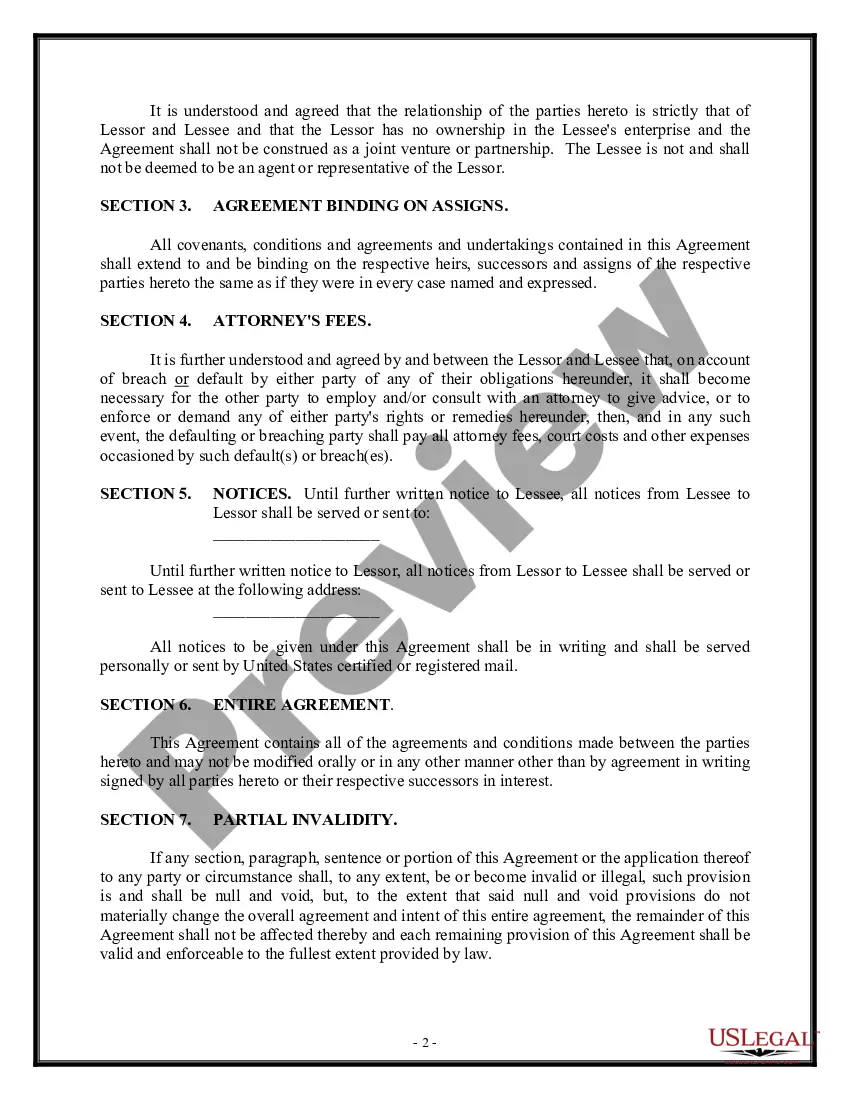
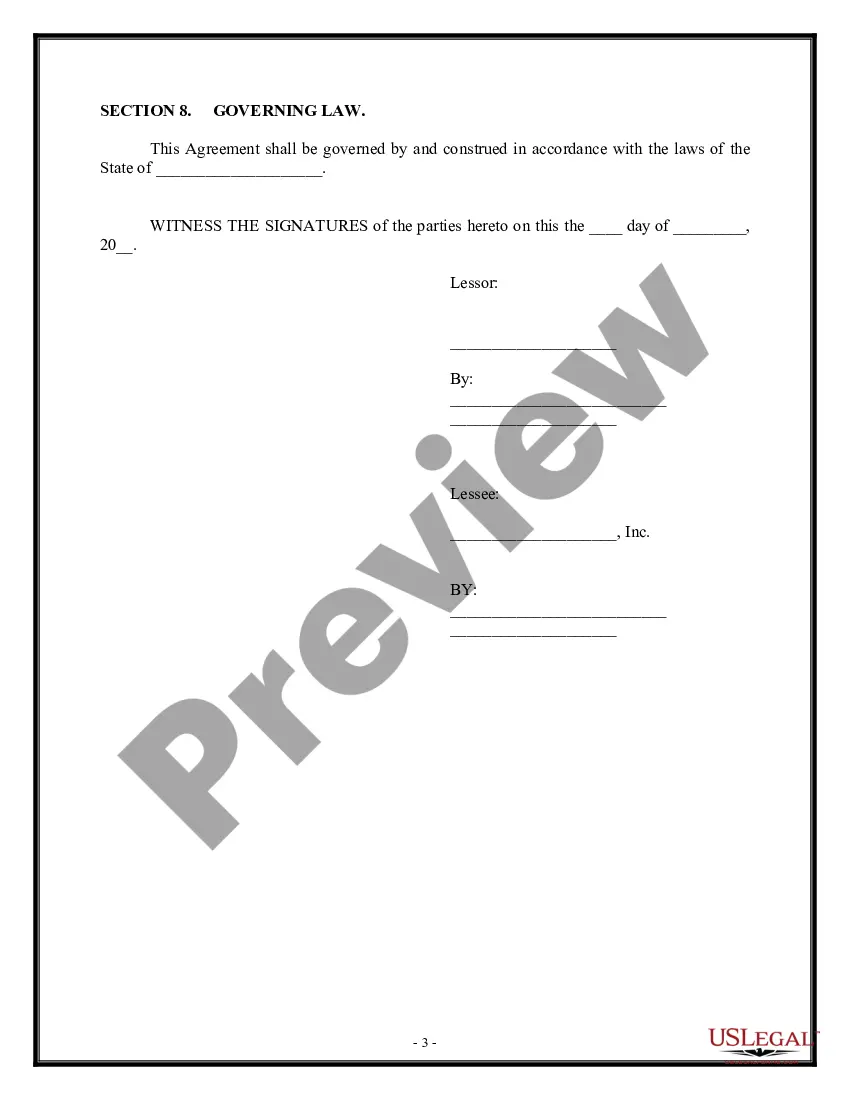
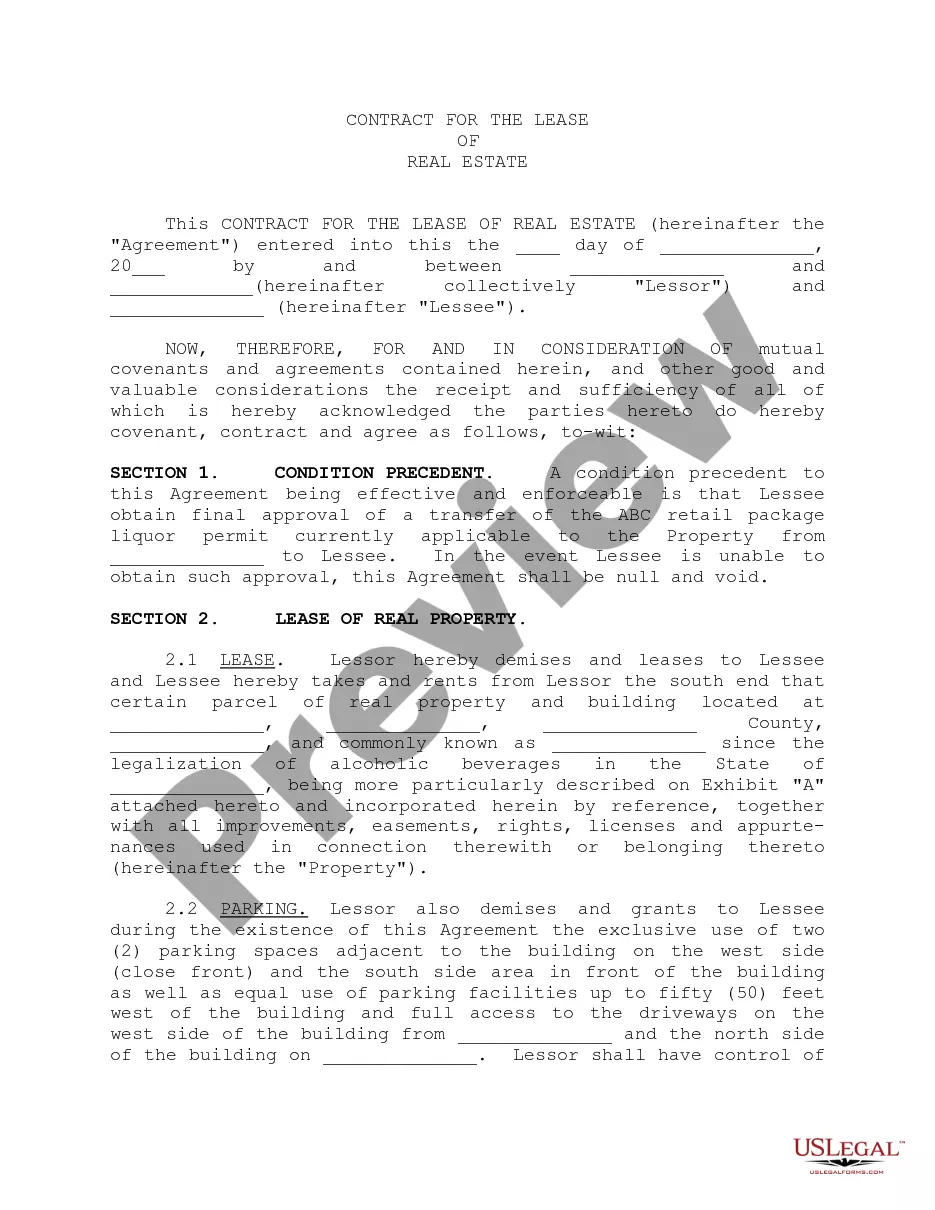
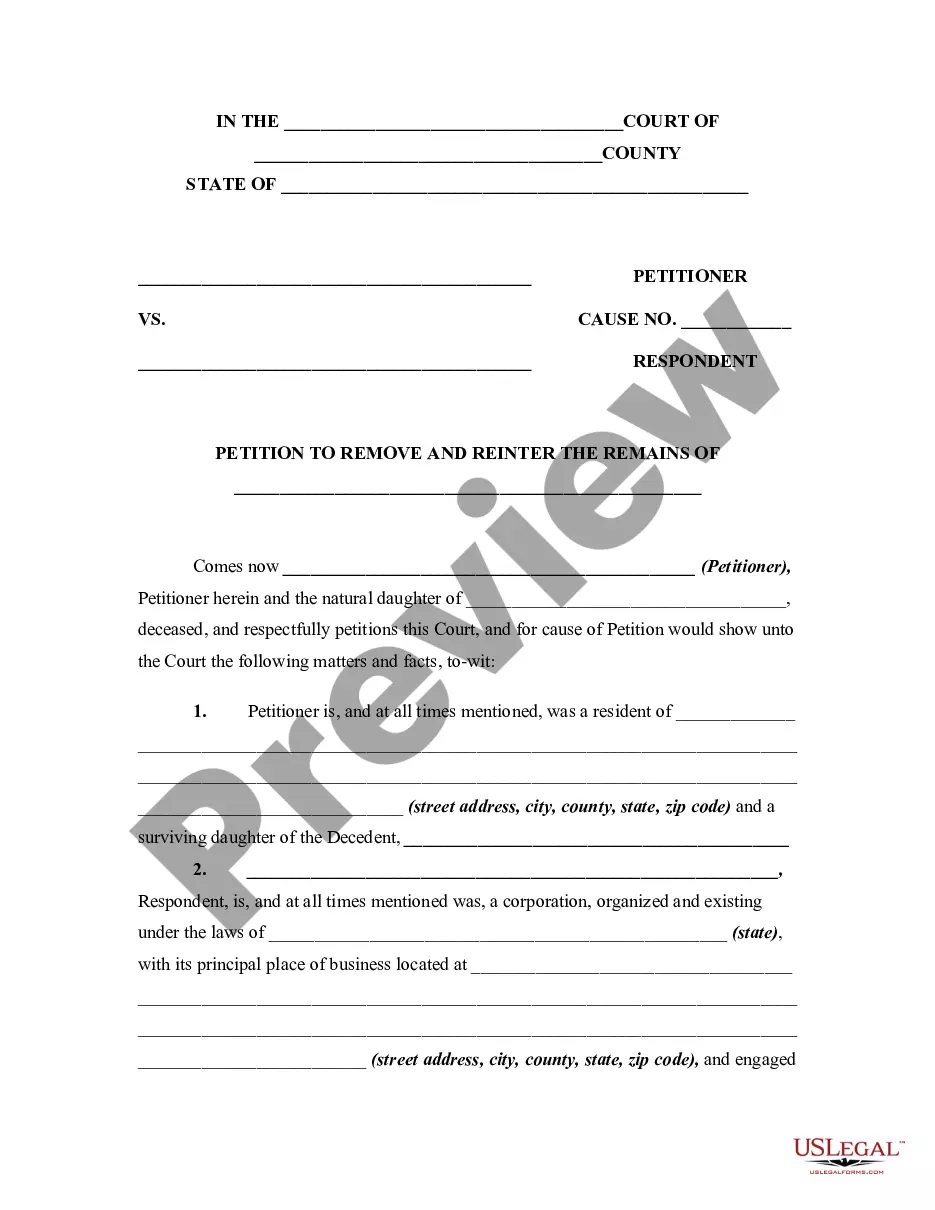
Get your form ready online
Our built-in tools help you complete, sign, share, and store your documents in one place.
Make edits, fill in missing information, and update formatting in US Legal Forms—just like you would in MS Word.
Download a copy, print it, send it by email, or mail it via USPS—whatever works best for your next step.
Sign and collect signatures with our SignNow integration. Send to multiple recipients, set reminders, and more. Go Premium to unlock E-Sign.
If this form requires notarization, complete it online through a secure video call—no need to meet a notary in person or wait for an appointment.
We protect your documents and personal data by following strict security and privacy standards.

Make edits, fill in missing information, and update formatting in US Legal Forms—just like you would in MS Word.

Download a copy, print it, send it by email, or mail it via USPS—whatever works best for your next step.

Sign and collect signatures with our SignNow integration. Send to multiple recipients, set reminders, and more. Go Premium to unlock E-Sign.

If this form requires notarization, complete it online through a secure video call—no need to meet a notary in person or wait for an appointment.

We protect your documents and personal data by following strict security and privacy standards.
Looking for another form?





Form popularity
FAQ
Filing a Will or Probate Case The Probate Filing Counter is located at 201 W. Jefferson in Phoenix, or at our Southeast location, 222 E. Javelina in Mesa, or at our Northwest Regional Court Center location at 14264 W.
You normally need not get very specific, unless an object is particularly valuable. It is enough to list the location of the property: "all household furnishings and possessions in the apartment at 55 Drury Lane."
For property tax purposes in Arizona, personal property is defined as all types of property except real estate. Taxable personal property includes property used for commercial, industrial, and agricultural purposes. Personal property is considered to be movable and not permanently attached to real estate.
Filing the small estate affidavit involves a two-step process. The first step is to file the affidavit with the county probate court. For purposes of the affidavit, the county of filing is the county where the property is physically located.
Personal belongings, such as jewelry, coin collections, furniture, photographs, family heirlooms, and other items of sentimental value are typically referred to as tangible personal property. Some people are happy to let their personal belongings be part of their residuary estate.
BEQUEATH. The first-person legal term used to leave someone personal property n the will (e.g., “I bequeath my antique car to my brother Jody).” BEQUEST. The legal term used to describe personal property left in a will. BLOCKED ACCOUNTS.
Here are the 8 Things You Should Never Include in a Will Non-Probate Assets (Life Insurance, Retirement Accounts) ... Property Rights for Minors. Jointly Owned Property and Assets with Right of Survivorship. Illegal or Unethical Requests. Funeral Instructions or Wishes. Conditions or Restrictions on Inheritances.
You normally need not get very specific, unless an object is particularly valuable. It is enough to list the location of the property: "all household furnishings and possessions in the apartment at 55 Drury Lane."