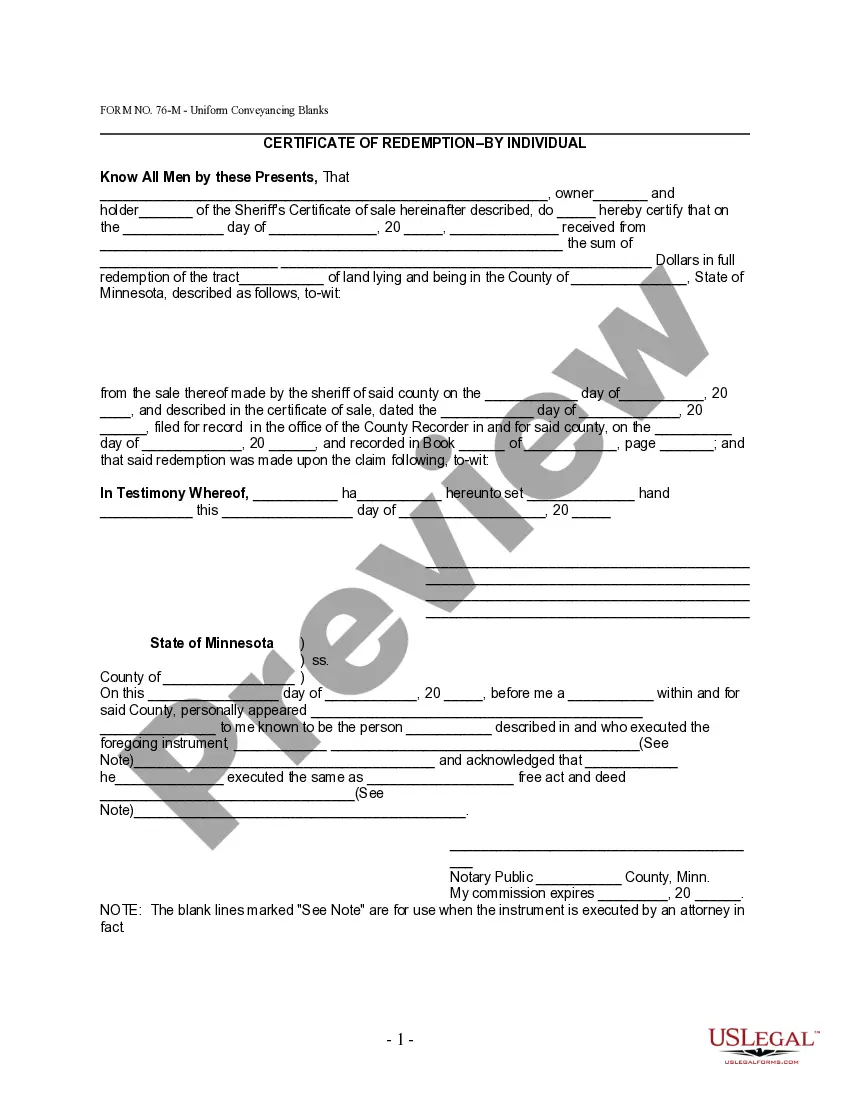
Personal Property In Purchase Contract In Illinois
Description

Get your form ready online
Our built-in tools help you complete, sign, share, and store your documents in one place.
Make edits, fill in missing information, and update formatting in US Legal Forms—just like you would in MS Word.
Download a copy, print it, send it by email, or mail it via USPS—whatever works best for your next step.
Sign and collect signatures with our SignNow integration. Send to multiple recipients, set reminders, and more. Go Premium to unlock E-Sign.
If this form requires notarization, complete it online through a secure video call—no need to meet a notary in person or wait for an appointment.
We protect your documents and personal data by following strict security and privacy standards.

Make edits, fill in missing information, and update formatting in US Legal Forms—just like you would in MS Word.

Download a copy, print it, send it by email, or mail it via USPS—whatever works best for your next step.

Sign and collect signatures with our SignNow integration. Send to multiple recipients, set reminders, and more. Go Premium to unlock E-Sign.

If this form requires notarization, complete it online through a secure video call—no need to meet a notary in person or wait for an appointment.

We protect your documents and personal data by following strict security and privacy standards.
Looking for another form?






Form popularity
FAQ
Classifications Intangible. Tangible. Other distinctions.
Personal Property - Any property other than real estate. The distinguishing factor between personal property and real property is that personal property is movable and not fixed permanently to one location, such as land or buildings.
“Tangible personal property” exists physically (i.e., you can touch it) and can be used or consumed. Clothing, vehicles, jewelry, and business equipment are examples of tangible personal property.
As a buyer, you put an offer on a house that's under contract just as you would if you were the first interested party, negotiating until you reach terms and a contract with the seller. If the first deal falls through for any reason, you're next in line to get the house.
What Does Under Contract Mean In Real Estate? Under contract means that a seller has accepted an offer on the property, but the sale isn't final until all contingencies are met. It typically takes 4 – 8 weeks from the date an offer is accepted until the sale is complete.
Transfer the Title: Execute a deed, transferring ownership from the seller to the buyer. This document must be signed and notarized. Record the Deed: Submit the signed deed to the county recorder's office to create an official public record of the ownership change.
Yes, it is possible to quit claim the property yourself however you would have to file the deed in order for your soon-to-be ex to have title in order to obtain financing. Once you file the deed, you will have no rights to the property.
You must file either (1) Form PTAX-203 and any required documents with the deed or trust document or (2) an exemption notation on the original deed or trust document at the County Recorder's office within the county where the property is located.
If you're using a real estate agent: Interview agents until you find the one you want to use. Find a property. Consult with the agent on what to offer and what terms to request. The agent submits the contract. If the other party/parties sign the contract, you've now put the property under contract.